Note: This guide is written for responsible freshwater hobbyists who want a practical, low-drama way to add a pleco to a goldfish tank. It is educational and should be paired with careful observation of your own fish, because every aquarium has its own tiny soap opera.
Adding a pleco to a goldfish tank sounds simple: buy the “algae eater,” drop it in, and wait for your aquarium glass to sparkle like a hotel lobby. Unfortunately, fishkeeping has a funny way of punishing shortcuts. Plecos are not magical janitors, goldfish are not delicate ballerinas, and the average community tank is not a reality show where everyone signs a peace treaty by episode two.
The good news? A pleco and goldfish can sometimes live together successfully when you choose the right pleco species, prepare the tank properly, quarantine the newcomer, acclimate slowly, and keep everyone well-fed. The not-so-good news? The wrong pleco, especially a common pleco that can grow very large, can turn a peaceful goldfish tank into an overcrowded, over-filtered, slime-coat-nibbling mess.
This in-depth guide explains how to introduce a pleco to a goldfish tank in 13 practical steps. You will learn how to choose a compatible pleco, check water parameters, reduce stress, prevent disease, and avoid the most common mistakes beginners make when mixing plecos with goldfish.
Can Plecos Live With Goldfish?
Yes, but only under the right conditions. The biggest challenge is that goldfish are cool-water fish, while many plecos are tropical fish that prefer warmer water. Goldfish also produce a lot of waste, and plecos add even more bioload. In plain English: both fish are charming, but neither is famous for having dainty bathroom habits.
The safest choices are usually smaller pleco species, such as bristlenose plecos or rubber lip plecos, because they stay manageable in size and are less likely to bother goldfish. A common pleco is usually a poor choice for most goldfish tanks because it can grow extremely large, produce heavy waste, and eventually need far more space than many hobbyists can provide.
How to Introduce a Pleco to a Goldfish Tank: 13 Steps
1. Choose the Right Pleco Species
The first step is not buying the pleco. The first step is identifying the pleco. Pet stores sometimes sell young plecos when they are small and adorable, but some species grow into armored submarines with fins. A common pleco may look harmless at three inches, but it can eventually outgrow many home aquariums.
For a goldfish tank, consider smaller species such as a bristlenose pleco or rubber lip pleco. Bristlenose plecos usually stay around five to six inches and are known for being peaceful, hardy, and excellent at grazing on algae and biofilm. Rubber lip plecos also stay relatively small and may tolerate cooler water better than many tropical plecos.
Avoid buying any pleco labeled only as “algae eater” or “sucker fish.” That label is about as useful as calling a Great Dane “puppy.” Ask for the scientific or common species name, adult size, temperature range, and diet before bringing the fish home.
2. Make Sure the Tank Is Big Enough
Goldfish already need more space than most beginners expect. Fancy goldfish may need at least 30 gallons as adults, while single-tail varieties such as comets and shubunkins often need even larger aquariums or ponds. Add a pleco, and the tank needs extra volume because the filtration system must handle more waste.
For one or two fancy goldfish and a small pleco species, a tank of 55 gallons or larger is a much safer starting point than a small desktop aquarium. More water means more stability, better oxygen levels, and more room for each fish to avoid feeling crowded. A cramped tank does not create friendship; it creates stress, poor water quality, and fish giving each other the aquatic side-eye.
3. Match Temperature Needs Carefully
Goldfish generally do best in cooler water than many tropical fish. Fancy goldfish are often comfortable around the upper 60s to low 70s Fahrenheit, while many plecos prefer the low to upper 70s. The goal is to find a safe overlap, not force one species to live at the edge of its comfort zone.
If you keep fancy goldfish, a stable temperature around 70–74 degrees Fahrenheit may work for certain hardy small plecos. If you keep single-tail goldfish in cooler water, a tropical pleco may not be appropriate. Never chase a perfect number by constantly adjusting the heater. Stable water is usually safer than water that changes like a toddler choosing breakfast.
4. Test the Water Before Adding Anything
Before introducing a pleco to a goldfish tank, test the aquarium water. Ammonia and nitrite should read 0 ppm. Nitrate should be kept low through regular water changes, ideally below 20–40 ppm depending on your maintenance routine and stocking level. The pH should be stable, not bouncing around wildly from week to week.
Goldfish and plecos both suffer when water quality slips. Poor water can cause lethargy, clamped fins, breathing trouble, infections, and stress-related disease. If your tank already struggles with cloudy water, algae explosions, or rising ammonia, do not add a pleco yet. Fix the system first. A new fish is not a solution to poor maintenance; it is another mouth, another stomach, and another tiny poop machine.
5. Quarantine the Pleco First
Quarantine is one of the best ways to protect your goldfish. Keep the new pleco in a separate, cycled quarantine tank for two to four weeks before adding it to the main aquarium. During this time, watch for white spots, torn fins, sunken belly, rapid breathing, fungus, flashing, unusual hiding, or refusal to eat.
A simple quarantine tank can include a sponge filter, heater if needed, hiding cave, bare bottom, and daily observation. This setup makes it easier to spot problems and treat illness without exposing your established goldfish. It may feel like an extra chore, but quarantine is much easier than trying to catch one sick pleco from behind driftwood while three goldfish supervise like judgmental orange balloons.
6. Prepare Hiding Places and Driftwood
Plecos need hiding places. They are often most active at night and appreciate caves, smooth rocks, driftwood, plants, and shaded areas. A pleco with no hiding place may become stressed, and stressed fish are more vulnerable to illness.
Driftwood is especially helpful for many plecos because it gives them a natural grazing surface. Some species rasp on wood and biofilm as part of normal behavior. Choose aquarium-safe driftwood and rinse it well before use. Avoid sharp decorations that could scrape a goldfish’s body or damage a pleco’s belly.
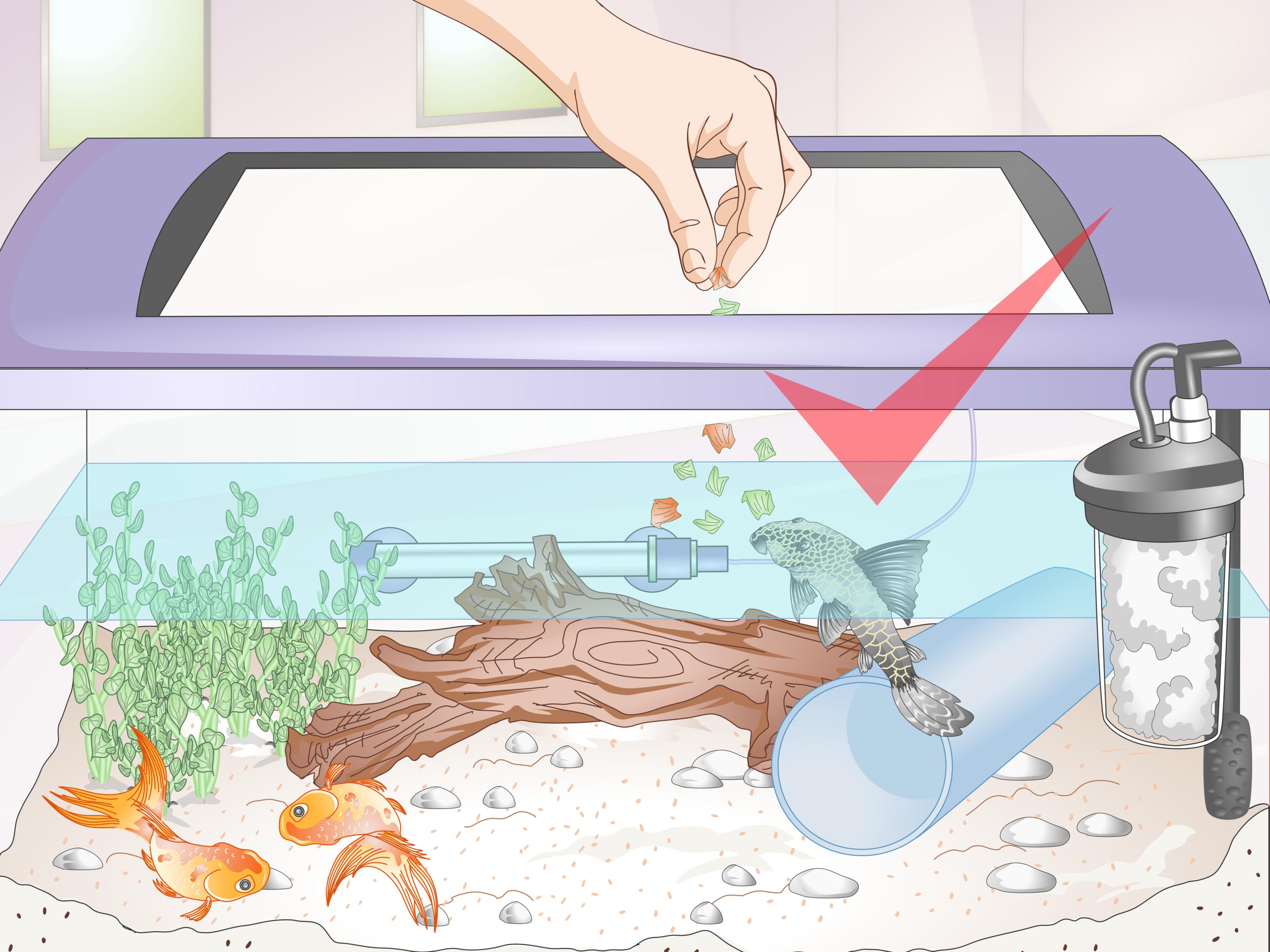
7. Feed the Goldfish Before Introduction
Goldfish are enthusiastic eaters. That is the polite version. The less polite version is that goldfish eat like they believe every meal is a limited-time offer. Before introducing the pleco, feed your goldfish lightly so they are calmer and less likely to investigate the newcomer as if it might be a sinking snack.
Do not overfeed. A small meal is enough. The goal is to reduce curiosity and competition, not create a blizzard of leftovers. Uneaten food can quickly damage water quality, especially in a tank that already contains goldfish.
8. Rearrange a Few Decorations
Before adding the pleco, slightly rearrange caves, plants, or decorations. This breaks up existing territories and makes the tank feel a little “new” to all residents. Goldfish are not usually territorial in the way many cichlids are, but rearranging the layout can still reduce attention on the new fish.
Make sure the pleco has at least one cave or shaded shelter where the goldfish cannot constantly bother it. The hide should be large enough for the pleco to enter comfortably but not so tight that it gets stuck. Fish do not appreciate escape rooms when the prize is panic.
9. Turn Down the Lights
Dim the aquarium lights before adding the pleco. Bright lights can increase stress, especially for a fish that has just been transported. Lower light also encourages the pleco to explore more naturally and reduces the chance that goldfish will immediately crowd around it.
If possible, introduce the pleco in the evening. Plecos are often more comfortable in low light, and the calmer environment gives them a better chance to settle into a hiding spot before the goldfish resume their normal schedule of swimming, begging, and pretending they have never been fed.
10. Acclimate the Pleco Slowly
Do not simply pour the pleco into the goldfish tank. Sudden changes in temperature, pH, hardness, or dissolved minerals can shock fish. Float the sealed bag in the aquarium for about 15–20 minutes to equalize temperature. Then open the bag and gradually add small amounts of tank water every 10–15 minutes.
For a more careful approach, use drip acclimation. Place the pleco and bag water in a clean bucket used only for aquarium purposes. Run airline tubing from the tank to the bucket, tie a loose knot or use a valve, and let water drip slowly until the volume in the bucket roughly doubles. This gives the pleco time to adjust to the new water chemistry.
11. Transfer the Pleco Without Store Water
Once acclimation is complete, use a soft net or container to move the pleco into the aquarium. Avoid dumping store water or shipping water into your tank. That water may contain waste, medication residues, parasites, or pathogens. Your display tank does not need mystery soup.
Be careful when netting plecos because their spines and armored bodies can snag in mesh. A plastic container may be safer than a fine net for larger individuals. Move slowly, keep the fish submerged as much as possible, and release it near a hiding area.
12. Watch for Slime-Coat Nibbling
One reason plecos and goldfish can be controversial tank mates is the risk of slime-coat nibbling. Some plecos may attach to slow-moving fish, especially at night. This is more likely with large plecos, hungry plecos, cramped tanks, or goldfish that rest heavily on the bottom.
Check your goldfish each morning for missing scales, red patches, cloudy slime, torn fins, or unusual fearfulness. Also watch the pleco’s body condition. A pleco with a sunken belly may not be getting enough food and could become more likely to graze where it should not. If you see repeated attaching or injuries, separate the fish immediately.
13. Maintain a Long-Term Feeding and Cleaning Routine
A pleco will eat some algae, but it will not clean the tank for you. Plecos need a balanced diet that may include sinking algae wafers, blanched zucchini, cucumber, green beans, spinach, and occasional protein depending on the species. Goldfish also enjoy vegetables, so feed the pleco after lights-out or use feeding tongs to place food near its cave.
Keep up with weekly water changes, gravel vacuuming, filter maintenance, and regular water testing. Rinse filter media in old tank water, not untreated tap water, to preserve beneficial bacteria. If nitrate climbs quickly, increase water changes, reduce feeding, improve filtration, or reconsider stocking.
Best Plecos for Goldfish Tanks
The best pleco for a goldfish tank is usually a small, hardy species with a peaceful temperament and a temperature range that overlaps with your goldfish. Bristlenose plecos are popular because they stay smaller, eat algae, and adapt well to many community aquariums. Rubber lip plecos can also be a good option for some setups because they remain relatively compact.
Common plecos are generally not recommended for typical goldfish tanks. They can become too large, add a heavy waste load, and may eventually need a very large aquarium or pond-like setup. If your tank is not large enough for the pleco’s adult size, do not buy the pleco. Future-you will not enjoy trying to rehome a fish the size of a submarine sandwich.
Common Mistakes to Avoid
Buying a Pleco Only for Algae Control
A pleco may help with some algae, but it will not solve the cause of algae. Excess light, excess nutrients, overfeeding, and poor maintenance are usually the real issues. Treat algae control as a tank-management problem, not a staffing problem.
Skipping Quarantine
Skipping quarantine can introduce parasites or disease to healthy goldfish. Even fish that look fine at the store may carry problems that appear later. Quarantine is not glamorous, but neither is explaining to your goldfish why their new roommate brought flukes.
Letting the Pleco Go Hungry
Many plecos are underfed because owners assume algae is enough. In most home aquariums, it is not. Feed sinking foods after dark and check that the pleco actually eats. A healthy pleco should have a gently rounded belly, not a hollow one.
Ignoring Adult Size
Always plan for adult size. A small pleco in the store may not stay small. Research before purchase and choose a species that fits your tank for life, not just for the next three months.
How to Know the Introduction Is Going Well
A successful introduction usually looks boring. That is exactly what you want. The pleco hides, explores at night, grazes on surfaces, and eats sinking foods. The goldfish show curiosity at first but soon return to normal swimming and feeding. Water tests remain stable, and no fish shows injuries or stress.
Good signs include normal breathing, active nighttime foraging, a healthy pleco belly, clear goldfish skin, steady appetite, and no ammonia or nitrite spikes. Bad signs include chasing, attaching, red sores, clamped fins, gasping, cloudy water, or the pleco never finding food.
Experience-Based Tips for Introducing a Pleco to a Goldfish Tank
In real-world fishkeeping, the most successful pleco-and-goldfish setups usually have one thing in common: the owner does not treat the pleco as a cleaning tool. The pleco is a full resident with its own needs. When hobbyists remember that, the tank has a much better chance of staying peaceful.
One practical experience is to feed the pleco after the tank lights go out. Goldfish are visual, greedy, and very good at stealing food that was absolutely not meant for them. If you drop an algae wafer into the tank at noon, your goldfish may bounce it around like a hockey puck and eat most of it before the pleco even clocks in for the night shift. Feeding after dark gives the pleco a fair chance.
Another useful trick is to place the pleco’s food close to its favorite cave. Use long feeding tongs or drop the wafer behind a piece of driftwood where the goldfish cannot easily reach it. This does not guarantee privacy, because goldfish are nosy little blimps, but it improves the odds. Watch the tank quietly with a dim room light. If the pleco never gets to eat, adjust the routine.
Many aquarists also learn that goldfish tanks need stronger filtration than expected. A small pleco can still produce a surprising amount of waste, and goldfish are already high-bioload fish. An oversized filter, extra sponge filter, or canister filter can help, but filtration does not replace water changes. Think of the filter as the kitchen sink, not the housekeeper.
It is also wise to keep decorations simple and smooth. Goldfish may wedge themselves into tight spaces, and plecos like caves. That combination can create accidental traffic jams. Choose hides with wide openings and avoid sharp rocks. If a decoration looks like it could scrape a fancy goldfish’s wen, eye, or belly, skip it.
The most important experience-based lesson is to observe after dark. Many problems between plecos and goldfish happen when the room is quiet and the goldfish are resting. A pleco that behaves perfectly during the day may become too interested in a slow, sleeping goldfish at night. Check the tank with a dim flashlight. If you ever see the pleco attaching to a goldfish, do not wait for it to become a pattern. Separate them.
Finally, have a backup plan before buying the pleco. Responsible fishkeeping means knowing what you will do if the match fails. That may mean a second tank, a trusted local fish store, or another hobbyist who can take the pleco. Compatibility is never a promise; it is a carefully managed possibility.
Conclusion
Introducing a pleco to a goldfish tank can work, but it requires planning. Choose a small compatible pleco, confirm the tank is large enough, match temperature needs, quarantine first, acclimate slowly, provide hiding places, and feed the pleco properly. The goal is not to create a tank janitor. The goal is to build a healthy community where every fish has space, food, clean water, and a reasonable chance of not annoying its roommates.
If you remember one thing, remember this: compatibility begins before the fish comes home. Research the species, prepare the aquarium, and observe closely after introduction. Do that, and your goldfish tank has a much better chance of becoming a peaceful underwater neighborhood instead of a tiny aquatic courtroom.