There are few kitchen surprises more annoying than reaching for rice, flour, pasta, cereal, or beans and discovering tiny beetles holding a family reunion inside the package. Congratulations: you have met weevils, the pantry pests nobody invited and everyone wants evicted.
The good news? Weevils are not a sign that your home is dirty, doomed, or secretly auditioning for a bug documentary. These pests often arrive in dry food products before the package ever reaches your pantry. The better news is that you can get rid of weevils with a clear plan: identify the source, remove infested food, clean thoroughly, protect what is safe, and change how you store dry goods going forward.
This guide explains how to get rid of weevils, how to tell where they are coming from, what foods are most at risk, and how to prevent future infestations without turning your pantry into a chemistry experiment.
What Are Weevils?
Weevils are small beetles, many of which have a narrow body and a noticeable snout. In homes, the most common pantry-related types include rice weevils, granary weevils, maize weevils, and bean or pea weevils. They are especially attracted to stored grains, seeds, beans, rice, corn, pasta, cereal, flour mixes, birdseed, pet food, and similar dry products.
Some pantry pests feed on processed grain products, while true grain weevils often develop inside whole kernels. That is one reason a bag of rice or grain can look innocent at first glance. The larvae may be tucked away inside kernels like tiny freeloading tenants who signed no lease and paid no rent.
It is also worth noting that not every weevil found indoors is a pantry pest. Some outdoor weevils wander inside by accident, especially around doors, windows, or foundations. These occasional invaders are usually harmless and temporary. Pantry weevils, however, are different because they can breed in stored food and spread from one product to another if ignored.
Signs You Have a Weevil Infestation
Weevils are small, but they are not exactly subtle once the infestation grows. You may notice adult beetles crawling in food packages, on pantry shelves, around counters, near windows, or inside cabinets. In grains, rice, beans, or seeds, you may see tiny holes, powdery residue, clumping, or movement when you stir the product.
Common signs include:
- Small brown, reddish-brown, or black beetles in dry foods
- Adults crawling on pantry shelves or near food containers
- Fine powder, dust, or damaged kernels in grain products
- Small holes in rice, corn, wheat, beans, or seeds
- Larvae, shed skins, or unusual webbing in stored foods
- Repeated beetles appearing even after you wipe the counter
If you see one bug, do not panic. If you see several, especially inside food, it is time for a pantry inspection. Think of it as spring cleaning, except the pantry chose the date and brought bugs.
Where Do Weevils Come From?
Most pantry infestations begin when eggs, larvae, or adults are accidentally brought home inside dry goods. This can happen with rice, flour, cornmeal, oats, pasta, dried beans, birdseed, dry pet food, spices, nuts, or decorative dried plant materials. The packaging may look perfectly normal from the outside.
Once inside your home, weevils and other pantry pests can spread to nearby items, especially if food is stored in paper bags, cardboard boxes, thin plastic bags, or loosely closed containers. Many pantry pests are tiny enough to squeeze under imperfect lids or chew through weaker packaging. In other words, a twist tie is not a security system.
Long storage time increases risk. That forgotten bag of flour behind the pancake mix, the bulk rice you bought during an ambitious meal-prep era, or the birdseed in the garage may become a pest buffet if left undisturbed for months.
How to Get Rid of Weevils Step by Step
The best weevil control plan is simple, but it does require being thorough. Spraying around the pantry while leaving infested food in place is like mopping the floor while the sink is still overflowing. Start with the source.
1. Empty the Pantry or Affected Cabinet
Remove every dry food item from the affected area. Do not inspect only the package where you first spotted bugs. Check nearby foods too, especially anything made from grains, seeds, beans, nuts, dried fruit, spices, or pet food. Pantry pests are not known for respecting boundaries.
Place suspicious packages in a trash bag or plastic bin while you inspect them. This keeps bugs from scattering across the kitchen like they just heard the dinner bell.
2. Inspect Food Carefully
Look inside each package, not just at the outside. Shake grains gently into a bowl or onto a white plate so you can see movement, holes, dust, larvae, or adult beetles. Pay close attention to rice, flour, cereal, pasta, oats, cornmeal, cake mixes, dried beans, lentils, seeds, crackers, dry pet food, birdseed, and spices.
If a product is heavily infested, smells odd, contains live insects, has webbing, or shows obvious contamination, discard it. Do not try to rescue food that is crawling with pests. Your pantry deserves better, and so does your dinner.
3. Throw Away Infested Food Properly
Put infested food in a sealed trash bag and take it outside promptly. Do not leave it in the kitchen trash overnight. Weevils may be small, but they are surprisingly committed to the mission of being annoying.
If you are unsure about an unopened package, inspect it closely. Some products may be safe if there is no sign of activity, but items stored next to a known infestation should be watched carefully or treated with cold or heat before storage.
4. Vacuum Shelves, Corners, and Cracks
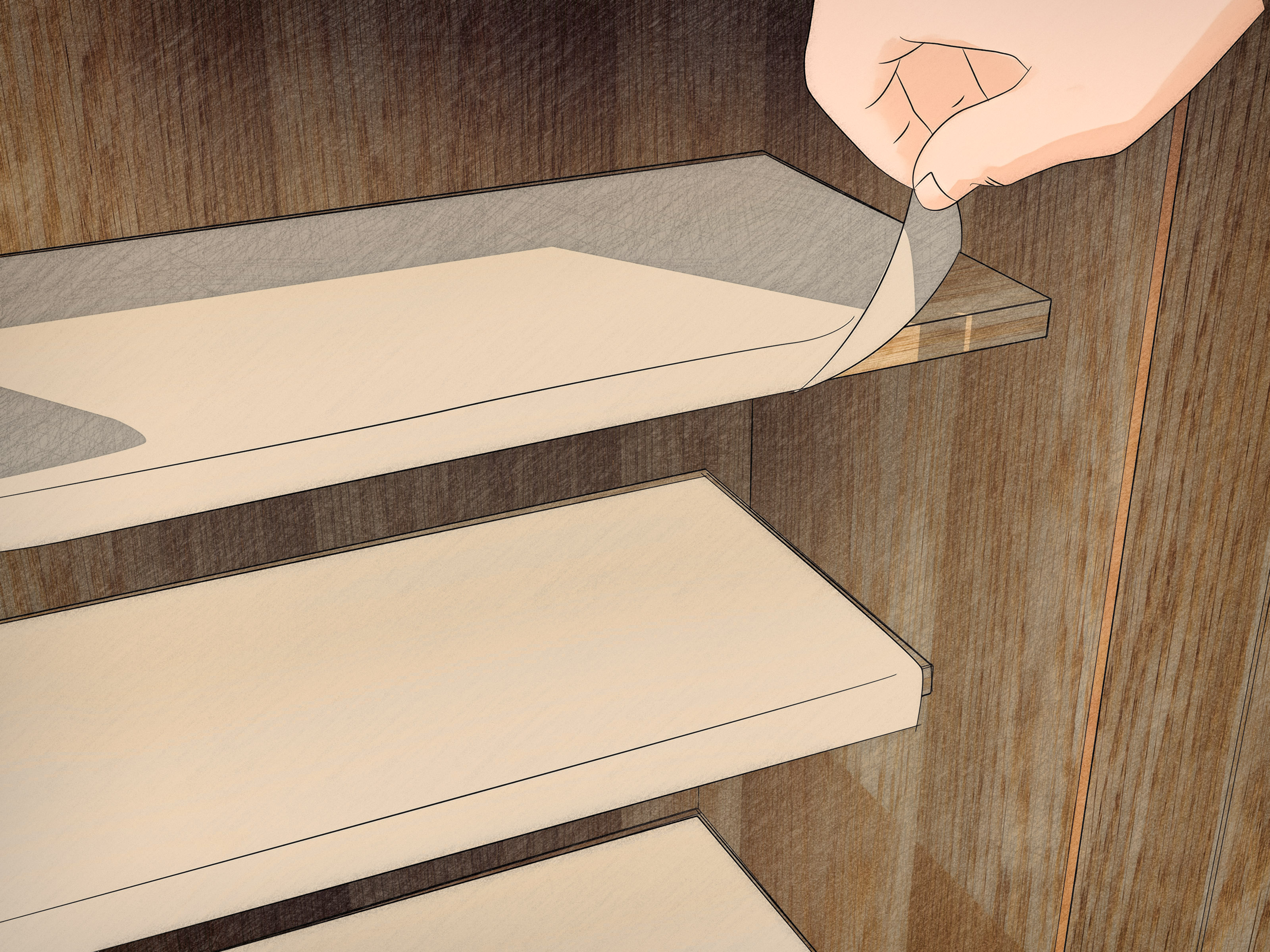
Once the pantry is empty, vacuum the entire area. Focus on shelf corners, cracks, peg holes, seams, drawer tracks, baseboards, and the space where shelves meet the wall. Tiny crumbs and spilled flour can keep pantry pests going even after the original infested bag is gone.
After vacuuming, empty the vacuum canister or remove the bag outside. If you use a bagless vacuum, wash or wipe the canister so you do not accidentally create a bug hotel in the cleaning closet.
5. Wash the Pantry with Warm, Soapy Water
After vacuuming, wash shelves and surfaces with warm, soapy water. A mild dish soap solution is usually enough. Let the pantry dry completely before putting food back. Moisture is not your friend here, because many stored-product pests thrive more easily in warm, humid conditions.
Skip the idea of spraying insecticide directly where food is stored. In most pantry infestations, insecticides are not necessary when sanitation and food removal are done properly. They also do not solve the main problem if the insects are breeding inside a bag of rice or flour.
6. Treat Questionable Dry Goods with Freezing or Heat
If a dry food item appears clean but may have been exposed, freezing is one of the most practical prevention tools. Place the item in a sealed bag or container and freeze it at 0°F or lower for at least several days; many household pest guides recommend about a week for best results. This helps kill eggs or larvae that may not be visible.
Some dry goods can also be heated in a shallow pan at low oven temperatures, around 130°F to 150°F for about 30 minutes, if the food can tolerate heat without quality problems. This works better for grains or dry goods than for delicate items. Always avoid heating sealed containers or anything that could melt, scorch, or become unsafe.
7. Restock Only in Airtight Containers
Before putting food back, transfer dry goods into sturdy containers with tight-fitting lids. Glass jars with gasket seals, metal canisters, and heavy-duty plastic containers are much better than paper bags, cardboard boxes, or flimsy store packaging.
The goal is not just to keep bugs out. Airtight storage also traps any hidden pest activity inside one container, preventing a single bad bag from becoming a pantry-wide drama.
What Foods Should You Check First?
Weevils and pantry pests prefer dry, shelf-stable foods. During an inspection, start with the products most likely to host them.
High-risk pantry items include:
- Rice, wheat, corn, barley, and other whole grains
- Flour, cornmeal, pancake mix, and baking mixes
- Dry beans, peas, lentils, and seeds
- Pasta, crackers, cereal, oats, and granola
- Nuts, dried fruit, and trail mix
- Birdseed and dry pet food
- Spices, dried herbs, and dried peppers
- Decorative dried corn, seed crafts, or dried flowers
Do not forget non-kitchen storage areas. Pantry pests can breed in the garage, basement, laundry room, craft room, or closet if there is birdseed, pet treats, forgotten snacks, dried flowers, or grain-filled decorations. Yes, even that charming decorative corn from three autumns ago may be running a tiny beetle resort.
Can You Eat Food That Had Weevils?
Many people ask whether food with weevils is dangerous. In general, pantry weevils are not known for biting, stinging, or damaging buildings. The bigger issue is contamination. Infested foods may contain insects, eggs, larvae, shed skins, waste, damaged kernels, and unpleasant odors or textures.
For quality and comfort, it is best to discard visibly infested food. Even if the idea is not medically alarming in every case, it is still not exactly the secret ingredient anyone wants in banana bread. When in doubt, throw it out.
How to Prevent Future Weevil Infestations
Once your pantry is clean, prevention becomes the real victory lap. The best way to prevent weevils is to make your pantry boring, sealed, dry, and frequently checked. Pests love forgotten corners. They are less enthusiastic about organized shelves and tight lids.
Inspect Groceries Before Storage
Look over grain-based foods when you bring them home. Avoid buying packages that are torn, punctured, damp, dusty, or poorly sealed. If a package looks damaged, skip it. There are plenty of bags of rice in the world; you do not need the suspicious one.
Freeze Vulnerable Foods After Buying
For high-risk items such as flour, cornmeal, rice, grains, nuts, birdseed, and dried beans, consider freezing them for several days before placing them in the pantry. This is especially useful for bulk purchases or foods you do not plan to use quickly.
Store Dry Goods in Tight Containers
Airtight containers are one of the strongest defenses against weevils. Choose containers that seal firmly and are easy to clean. Clear containers also make inspection easier because you can spot problems before they become a full pantry uprising.
Buy Smaller Amounts More Often
Bulk buying can save money, but only if you use the food before pests discover it. If your household takes six months to finish a giant bag of flour, consider buying smaller bags or freezing part of the supply. Pantry pests adore long-term storage. Do not give them a timeshare.
Rotate Food Using First In, First Out
Place newer items behind older ones so you use older products first. Label containers with purchase dates if you tend to forget when you bought things. This simple habit prevents old food from becoming a mystery object in the back of the cabinet.
Keep Shelves Clean and Dry
Wipe spills immediately, especially flour, cereal crumbs, rice, pet food, and cornmeal. Vacuum pantry shelves periodically and check corners where crumbs collect. Clean storage areas under appliances, near pet bowls, and around trash or recycling zones too.
Watch Pet Food and Birdseed
Dry pet food and birdseed are frequent sources of pantry pest problems. Store them in sealed bins, avoid leaving bags open in the garage, and clean up spilled kibble or seed quickly. If beetles keep appearing far from the pantry, pet supplies may be the hidden source.
Do Natural Repellents Work Against Weevils?
You may see advice about bay leaves, cloves, vinegar, essential oils, or other natural repellents. These may make your pantry smell more intentional, but they should not replace the proven steps: remove infested food, clean thoroughly, freeze vulnerable items, and use airtight containers.
Bay leaves in the flour jar may feel satisfyingly old-school, like something your great-aunt would do while also knowing how to hem curtains and win arguments. But if weevils are already breeding inside a food package, a leaf will not solve the problem. Clean storage beats pantry perfume every time.
When Should You Call a Pest Professional?
Most weevil infestations can be handled at home. However, consider calling a pest professional if insects keep returning after multiple cleanouts, if you cannot locate the source, if pests are appearing in several rooms, or if the infestation may be connected to wall voids, rodent food caches, stored animal feed, or large amounts of bulk grain.
A professional can help identify the exact pest and locate overlooked breeding sources. Correct identification matters because not every small beetle in a home is a pantry weevil. Some pests are associated with moisture, wood, fabrics, dead insects, stored pet food, or animal nests.
Common Mistakes That Make Weevils Come Back
The most common mistake is tossing the obvious bag of rice but leaving nearby food unchecked. Another is wiping shelves without vacuuming cracks and seams. A third is restocking the pantry in the same cardboard and plastic packaging that failed the first time.
Other mistakes include forgetting about birdseed, ignoring pet food, storing bulk grains too long, using loose-lid containers, and assuming unopened boxes are automatically safe. Pantry pests can be sneaky, and some products may already be infested before purchase.
To prevent a repeat, think like a tiny beetle: Where is the food? Where are the crumbs? Where is the quiet, warm, forgotten place nobody checks? Then clean and seal those places like a pantry detective with a sponge.
Personal Experience: What Actually Works in a Real Pantry
Anyone who has dealt with weevils once learns a humbling truth: the pantry is not as organized as we think it is. The first time many people discover weevils, they usually blame the most recent bag of rice or flour. Sometimes that is correct. Other times, the true source is the half-used bag of lentils behind the oatmeal, the old cornmeal hiding behind the vinegar, or the decorative popcorn that has been quietly plotting since last fall.
The most useful experience-based lesson is to clean wider than the obvious problem. If bugs are in one package, remove everything from that shelf and inspect the entire zone. Pantry pests do not always stay politely inside the first container. They may crawl into shelf holes, under labels, along cabinet seams, or into neighboring packages. A quick wipe is satisfying, but a full empty-vacuum-wash-dry routine is what actually breaks the cycle.
Another practical lesson is that containers matter more than most people expect. Thin plastic bags, folded paper sacks, and half-clipped cereal liners are not enough. After a weevil problem, switching to glass jars, gasket lids, or sturdy plastic containers feels like installing locks after a break-in. It also makes the pantry easier to use. You can see what you have, you waste less food, and you stop buying a third bag of rice because the first two were hiding behind the pasta.
Freezing new dry goods is also a habit worth keeping, especially for flour, rice, cornmeal, nuts, birdseed, and bulk grains. It is not glamorous. Nobody brags at dinner parties, “I froze my oats for pest prevention.” Still, it works as a quiet safety step. After freezing, let the container come back to room temperature before long-term pantry storage if condensation is a concern, and always store the food dry.
The biggest mindset shift is to treat prevention as routine kitchen maintenance, not a one-time emergency. Once a month, scan the pantry. Look for crumbs, damaged packaging, expired mixes, and food you forgot you owned. Use older items first. Keep pet food sealed. Clean spills right away. If you see one suspicious beetle, investigate early instead of waiting for the sequel.
Finally, do not feel embarrassed. Weevils can happen in clean homes, fancy homes, tiny apartments, busy family kitchens, and the kitchens of people who own label makers and still somehow have three expired bags of quinoa. The goal is not perfection. The goal is a pantry where dry goods are sealed, shelves are clean, and weevils have to find somewhere else to hold their little beetle convention.
Conclusion
Learning how to get rid of weevils starts with understanding that the source is usually stored food, not the shelf itself. The most effective approach is to inspect all dry goods, discard infested products, vacuum cracks and corners, wash shelves, freeze or heat questionable items when appropriate, and restock everything in airtight containers.
To prevent future weevil infestations, buy dry goods in reasonable amounts, rotate older food first, keep pantry areas clean and dry, inspect groceries before storing them, and pay special attention to pet food, birdseed, grains, flour, beans, nuts, and dried plant materials. Weevils may be persistent, but a clean, sealed, well-managed pantry is not their dream vacation.
Note: This article is written for clean web publishing and is based on practical, real-world pantry pest guidance from reputable U.S. educational and extension resources.