If you live with migraine, you already know the drill: your head starts throbbing, light feels rude, sound feels illegal, and suddenly even your own pillow seems too loud. So it makes sense that people go hunting for gentle, fast, low-drama relief. One remedy that keeps popping up is peppermint oil. It smells fresh, feels cool on the skin, and has a long reputation in the world of home remedies. But when it comes to migraine, reputation and research are not always the same thing.
So, does peppermint oil work for migraine? The honest answer is: sometimes it may help, but it is not a proven stand-alone migraine treatment. Some people find the cooling sensation soothing. A few studies suggest menthol, the key compound in peppermint oil, may reduce pain in certain headache settings. But the evidence is still limited, especially compared with established migraine treatments. In other words, peppermint oil may earn a spot in your “things that might help” toolkit, but it should not be the captain of the team.
What Is Peppermint Oil, Exactly?
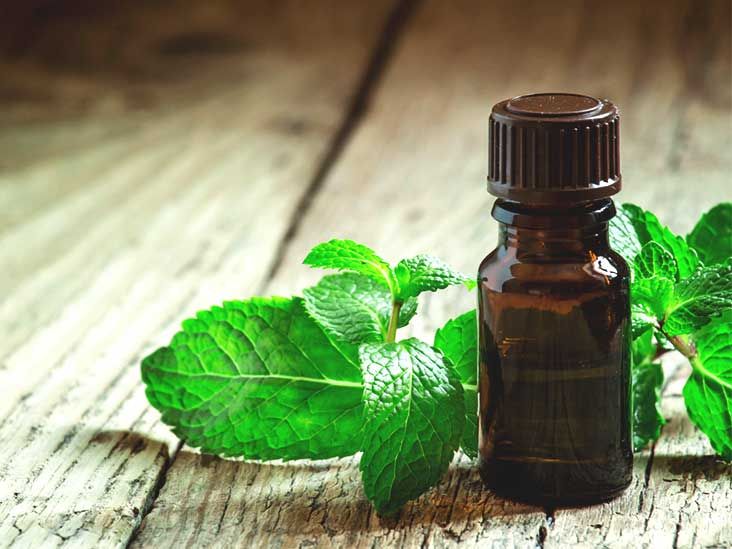
Peppermint oil is an essential oil extracted from the peppermint plant. Its star ingredient is menthol, which creates that icy, cooling feeling people associate with mint gum, mint tea, and “wow, that shampoo is awake.” In topical products, menthol may create a mild numbing effect, distract the nervous system from pain, and produce a sensation of relief that some people find comforting during a headache or migraine episode.
That cooling effect is one big reason peppermint oil is often discussed as a natural migraine remedy. Another reason is convenience. It is easy to carry in a roller bottle, easy to dab on the temples or neck when diluted properly, and easy to work into a low-effort self-care routine. No prescription pad, no fancy equipment, no complicated instructions. Just mint and hope.
Does Peppermint Oil Help Migraine?
The best answer is somewhere between “not nonsense” and “not a miracle.” Peppermint oil is not useless, but it is not backed by strong enough evidence to replace medical migraine care.
What the Research Suggests
A small body of research suggests menthol-based preparations may help some people during migraine attacks. One commonly cited study looked at a 10% menthol solution applied to the forehead and temples for migraine without aura and found it showed some benefit compared with a placebo treatment. That sounds promising, and it is. But promising is not the same thing as definitive.
Other research has looked at peppermint essential oil in different forms, including intranasal use in clinical settings. Some of those studies reported improvement, but the overall evidence base remains small, mixed, and not strong enough to make peppermint oil a front-line migraine therapy. Reviews of herbal and complementary migraine treatments generally place peppermint or menthol in the “interesting, preliminary, but needs better studies” category.
That matters because migraine is not just “a bad headache.” It is a neurologic condition with a complicated chain reaction involving pain pathways, sensory changes, nausea, and sometimes aura. A remedy can feel pleasant without actually treating the mechanisms driving the attack.
Why the Evidence Looks Better for Tension Headaches
This is where things get a little sneaky. Peppermint oil has somewhat better support for tension-type headaches than for migraine. Topical peppermint preparations have shown benefits in studies on tension headache, likely because the cooling and relaxing effects can help calm muscle-related discomfort. But migraine is a different beast. It may include throbbing pain, nausea, vomiting, light sensitivity, sound sensitivity, and heightened smell sensitivity. That means something that helps a tension headache will not automatically work the same way for migraine.
So if someone says, “Peppermint oil totally worked for my headache,” your next question should really be, “Was it migraine, though?” Headaches are a broad category. Migraine is a very specific troublemaker.
Why Some People Feel Better After Using It
Even though peppermint oil is not a guaranteed migraine fix, there are several reasons some people swear by it.
The Cooling Sensation Can Be Comforting
When a migraine hits, comfort matters. A cool washcloth, an ice pack, a dark room, and a diluted peppermint roll-on all fit into the same general category: things that may make you feel less miserable. Menthol can create a cooling sensation that some people experience as calming or pain-distracting. It may not stop the migraine, but it can sometimes take the edge off.
It May Help With Stress Around the Attack
Stress is a common migraine trigger. And let’s be honest, having a migraine is also stressful, which is one of those unfair little loops the body loves to create. If the scent of peppermint helps someone feel calmer or more in control, that alone may make the experience feel more manageable. Relief is not always about making pain vanish; sometimes it is about dialing the volume down from “apocalypse” to “terrible but survivable.”
Ritual Can Matter
Migraine sufferers often build routines that help signal safety and recovery: shut the curtains, grab water, take rescue medication, apply cold therapy, breathe, lie still. Peppermint oil can fit into that routine. And routines matter because they help people respond earlier and more consistently. It is not magic. It is structure.
How to Use Peppermint Oil More Safely
If you want to try peppermint oil for migraine relief, the keyword is safely. Essential oils are concentrated substances, not harmless scented water with good branding.
Stick to Topical Use or Gentle Inhalation
The safest approach for most adults is topical use on the skin in diluted form or limited inhalation from a personal inhaler or aroma stick. If you use it on your temples, forehead, or neck, dilute it with a carrier oil such as coconut, jojoba, or almond oil. Applying full-strength essential oil directly to the skin is a great way to turn “maybe this will help” into “why is my face angry?”
A patch test is smart before regular use. Put a small amount of diluted oil on a small patch of skin and wait to see if irritation develops. Peppermint oil can cause rashes, burning, or skin sensitivity in some people.
Do Not Get It Near Your Eyes
This is not a suggestion. This is a public service announcement. Peppermint oil in or near the eyes can sting intensely and cause irritation. If you tend to rub your face during a migraine, be extra careful about where you apply it.
Do Not Ingest It Unless a Clinician Recommends a Specific Product
Swallowing essential oils casually is not a good idea. Some peppermint products are made for oral use, such as certain enteric-coated capsules used for digestive issues, but those are not the same thing as taking random drops from an essential oil bottle. Ingestion can cause irritation, heartburn, nausea, and more serious toxicity in large amounts.
Be Careful With Diffusers
This is the twist many people miss: strong smells can actually trigger migraine attacks or make them worse. So while a personal peppermint inhaler may feel fine to one person, filling an entire room with mint vapor could backfire, especially if smell sensitivity is one of your migraine symptoms. Diffusers also may not be a great idea around infants, very young children, or people who react badly to strong scents.
When Peppermint Oil Is Probably Not Enough
If you have frequent migraine attacks, severe nausea, vomiting, aura, or symptoms that interfere with school, work, sleep, or daily life, peppermint oil should not be your main plan. Migraine often responds better to a broader strategy that may include acute medications, preventive medications, trigger management, hydration, regular meals, sleep habits, stress reduction, and sometimes non-drug tools like biofeedback or behavioral therapy.
In plain English: peppermint oil can be a sidekick, not the superhero.
You should also seek medical advice promptly if you have a new or sudden severe headache, weakness, confusion, fainting, trouble speaking, head injury, fever with neck stiffness, or migraine symptoms lasting longer than expected. Some headache symptoms need urgent evaluation, and mint is not the answer to a medical emergency.
Peppermint Oil vs. Other Home Migraine Remedies
If peppermint oil helps you, great. But it makes the most sense when paired with migraine basics that have stronger support.
Cold Therapy
Cold packs on the head or neck are often more reliable than trendy remedies with nice packaging. They are simple, inexpensive, and many people find them genuinely helpful.
Dark, Quiet Rest
This is boring advice, which is exactly why it keeps surviving. During a migraine, lowering light and noise can make a real difference. Your room does not need to feel like a luxury spa. It just needs to stop auditioning as a nightclub.
Hydration and Regular Meals
Dehydration and skipped meals can trigger migraine or worsen symptoms. Water and a steady eating schedule are not glamorous, but your nervous system tends to appreciate consistency more than drama.
Rescue Medication Taken Early
For many people, the best home strategy is using prescribed or recommended acute treatment as early as possible in the attack. Waiting too long often makes the migraine harder to control. Peppermint oil may complement that plan, but it usually does not outperform it.
Who Might Want to Skip Peppermint Oil?
Peppermint oil is not a perfect fit for everyone. You may want to avoid it or ask a clinician first if you have very sensitive skin, asthma triggered by scents, severe smell sensitivity during migraine, a history of allergic reactions to essential oils, pregnancy concerns, or plans to use it around babies or very young children. People who already know that perfumes, candles, room sprays, or cleaning products trigger attacks may also find peppermint too stimulating rather than soothing.
And if you already have a treatment routine that works, there is no law requiring you to add peppermint oil just because the internet got excited about it. Your best migraine tool is the one that helps you safely and consistently.
The Bottom Line
Peppermint oil for migraine is not pure hype, but it is also not a proven cure. There is some limited evidence that menthol-based topical treatment may help certain people, and the cooling sensation can be genuinely soothing. Still, the scientific support for migraine relief is modest, and migraine specialists continue to treat essential oils as a complementary option rather than a primary treatment.
If you want to try peppermint oil, use it carefully, dilute it, avoid the eyes, do not ingest it casually, and remember that strong smells can trigger attacks in some people. For many migraine sufferers, the best results come from combining practical home care with a treatment plan designed by a healthcare professional.
In short: peppermint oil may deserve a small seat at the table, but it should not be handed the house keys.
Real-World Experiences With Peppermint Oil for Migraine
In real life, experiences with peppermint oil for migraine tend to fall into a few familiar patterns. First, there are the people who love the cooling sensation. They often describe peppermint oil as something that helps them feel a little more human while waiting for medication to kick in. For them, it is less about “this stopped my migraine instantly” and more about “this made the first thirty minutes less awful.” That distinction matters. Relief does not always mean complete pain freedom. Sometimes it means the nausea settles a bit, the tightness around the temples feels less intense, or the attack becomes easier to tolerate in a dark room.
Then there are people who find peppermint oil helpful only in very specific situations. A common example is someone who uses it for mild early symptoms but not for a full-strength migraine. They may notice that if they apply a diluted peppermint roll-on at the very first sign of head pressure, neck tension, or sensory overload, the attack feels easier to manage. But if the migraine is already in full swing, with pounding pain, vomiting, and light sensitivity, peppermint oil may feel like bringing a mint leaf to a thunderstorm. Pleasant? Maybe. Powerful enough? Not really.
Another common experience is using peppermint oil as part of a larger ritual. Someone takes their rescue medication, drinks water, closes the curtains, places a cold pack on the back of the neck, and dabs diluted peppermint oil on the temples. In that context, peppermint oil is not acting alone. It is one piece of a recovery routine. Many people like it because it gives them a sense of action. Migraine can make a person feel helpless, and a simple routine can restore some control. That psychological piece is not fake or trivial. Feeling calmer and more prepared during an attack can meaningfully improve the overall experience.
Of course, not everyone gets the minty miracle moment. Some people try peppermint oil once and decide it is not for them. The smell feels too strong. The cooling sensation becomes irritating. The skin gets red. Or worse, the scent becomes a trigger instead of a comfort. This is especially true for people who have strong smell sensitivity during migraine. For them, even a scent they normally enjoy can feel overwhelming once an attack starts. A fragrance that seems refreshing on a normal day can become way too much on a migraine day. It is one of the strange and frustrating parts of migraine: the body changes the rules without warning.
There are also people who associate peppermint oil with “partial relief.” They may say things like, “It helps the edges, not the center,” or “It calms the tension around the migraine but does not stop the migraine itself.” That actually lines up with what we know. Peppermint oil may be better at easing surface discomfort, muscle tension, or the perception of pain than at shutting down the neurologic process behind a migraine attack. In practical terms, it can be useful without being dramatic.
What stands out most in these experiences is that peppermint oil works best when expectations are realistic. People tend to be happiest with it when they treat it like a supportive tool, not a miracle cure. The most satisfied users are often the ones who say, “This helps me a little, and I’ll take a little.” Honestly, that is a pretty sensible standard in migraine care. When your head feels like it is filing a complaint against existence, even a modest bit of relief can count as a win.