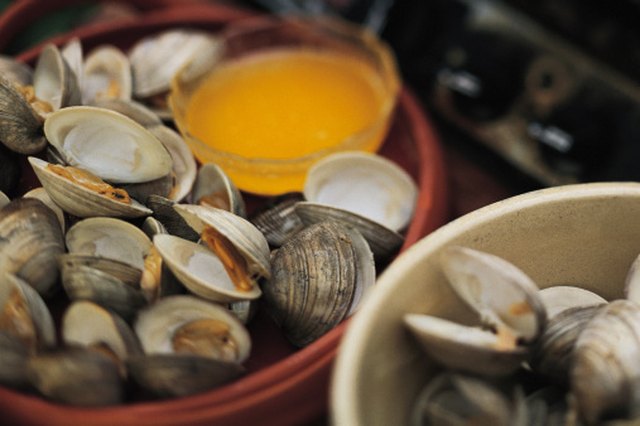
Frozen clams are one of those freezer treasures that make you feel like a dinner genius with very little effort. One minute you are staring into the freezer wondering whether cereal counts as dinner, and the next minute you are swirling clams through garlic butter, pasta, chowder, or a lemony broth that smells like a seaside restaurant with better parking.
The best part? Learning how to cook frozen clams is easier than many people think. The trick is knowing what type of frozen clams you have, whether they are raw or precooked, whether they are in the shell or shucked, and how to heat them without turning them into tiny seafood erasers. Clams are naturally tender, briny, and quick-cooking, which is wonderfulunless you cook them too long. Then they become chewy enough to make your jaw file a complaint.
This guide covers safe thawing, stovetop steaming, sautéing, pasta, chowder, seasoning ideas, common mistakes, and practical kitchen experience so you can cook frozen clams confidently, safely, and deliciously.
What Are Frozen Clams?
Frozen clams usually come in one of three forms: whole clams in the shell, half-shell clams, or shucked clam meat. Some are raw and must be fully cooked. Others are already cooked and only need reheating. This difference matters because raw frozen clams need enough heat to reach a safe internal temperature, while precooked frozen clams should be warmed gently so they stay tender.
Before cooking, read the package label carefully. Look for words such as “raw,” “fully cooked,” “blanched,” “pre-cooked,” or “ready to heat.” If the package gives cooking instructions, treat those as your first guide. Frozen seafood brands may prepare clams differently, and the package is usually written for that exact product.
How to Choose Good Frozen Clams
Great frozen clam dishes begin before the pan ever hits the stove. Choose frozen clams from a reliable grocery store or seafood market. The package should be tightly sealed, solidly frozen, and free from large ice crystals. A little frost is normal, but heavy ice, damaged packaging, or clams that feel soft may suggest thawing and refreezing. That is not the seafood adventure anyone ordered.
Frozen clams should smell clean and ocean-like after thawing. A strong sour, ammonia-like, or unpleasant odor means they should not be cooked or eaten. Fresh seafood should remind you of the sea, not a science experiment abandoned in a lunchbox.
Should You Thaw Frozen Clams Before Cooking?
In many cases, yes. Thawing frozen clams in the refrigerator gives you the most control over texture and cooking time. Place the sealed package or a covered bowl of clams in the fridge overnight. This slow thaw keeps the clams cold while they defrost, which is the safest and gentlest method.
For faster thawing, keep the clams sealed in a leakproof bag and place them in a bowl of cold water. Change the water every 20 to 30 minutes until they are thawed. Do not thaw frozen clams on the counter at room temperature. Seafood is delicate, and warm kitchen counters are not a spa daythey are a bacteria party.
You can sometimes cook whole frozen clams directly from frozen, especially if the package says so. Add a few extra minutes to the cooking time and make sure the clams are fully heated. For the best flavor and texture, however, partial or full thawing is usually better.
Basic Food Safety for Frozen Clams
Clams are shellfish, so safe handling matters. Keep frozen clams frozen until you are ready to thaw or cook them. After thawing, cook them promptly. Raw seafood should be cooked to 145°F. For clams in the shell, the shells should open during cooking. Any clams that remain closed after proper cooking should be discarded.
Use separate plates and utensils for raw and cooked seafood. Wash cutting boards, bowls, and hands after handling raw clams. If you are serving people who are pregnant, elderly, very young, immunocompromised, or living with certain chronic health conditions, fully cooked shellfish is especially important.
How to Cook Frozen Clams on the Stove
This is the easiest and most flexible method for whole frozen clams or clams in the shell. You are basically steaming them in a flavorful liquid until they open and become tender.
Ingredients
- 1 pound frozen clams, thawed if possible
- 2 tablespoons butter or olive oil
- 3 cloves garlic, minced
- 1 small shallot or half an onion, finely chopped
- 1/2 cup water, seafood stock, white wine, or low-sodium broth
- 1 tablespoon lemon juice
- 2 tablespoons chopped parsley
- Black pepper to taste
- Optional: red pepper flakes, diced tomatoes, or a splash of cream
Instructions
- Thaw the clams in the refrigerator overnight or under cold running water in a sealed bag.
- Rinse the shells under cold water to remove any ice glaze or grit.
- Heat butter or olive oil in a large pot over medium heat.
- Add garlic and shallot. Cook for 1 to 2 minutes until fragrant, but do not let the garlic burn.
- Add the liquid and bring it to a simmer.
- Add the clams, cover the pot, and steam for 5 to 8 minutes, or until the shells open and the clams are hot.
- Discard any clams that do not open after cooking.
- Finish with lemon juice, parsley, and black pepper. Serve immediately.
This simple method works because steam cooks the clams gently while the broth adds flavor. The clams release their own juices, making the liquid taste richer as they cook. It is the kind of kitchen magic that looks fancy but requires almost no dramatic chef behavior.
How to Cook Frozen Clam Meat
Frozen clam meat is usually shucked and may be raw or precooked. If it is raw, cook it until it reaches 145°F and becomes firm and opaque. If it is precooked, add it near the end of cooking and heat it only until warm.
For sautéed clam meat, heat butter or olive oil in a skillet, add garlic, then add thawed clam meat. Cook raw clam meat for about 4 to 6 minutes, depending on size. Cook precooked clam meat for only 1 to 3 minutes. Finish with lemon, herbs, and a pinch of red pepper flakes.
Frozen clam meat is excellent in pasta, soups, rice dishes, seafood stews, and dips. Because it can become chewy when overcooked, add it late in recipes whenever possible.
How to Cook Frozen Clams for Pasta
Frozen clams and pasta are best friends. The pasta brings comfort, the clams bring briny flavor, and garlic butter shows up wearing sunglasses like it owns the place.
Easy Frozen Clam Pasta
- Cook spaghetti or linguine in salted water until al dente.
- Reserve 1 cup of pasta water before draining.
- In a large skillet, cook garlic in olive oil or butter.
- Add thawed frozen clams and a splash of white wine, broth, or pasta water.
- Cover and steam whole clams until opened, or gently heat clam meat until warm.
- Add pasta and toss with lemon juice, parsley, black pepper, and a little reserved pasta water.
For a tomato version, add crushed tomatoes, oregano, and red pepper flakes before adding the clams. For a creamy version, add a splash of cream after the clams are cooked, then simmer briefly. Keep the heat moderate so the sauce stays smooth and the clams stay tender.
How to Cook Frozen Clams for Chowder
Frozen clams are perfect for chowder because they bring seafood flavor without requiring you to scrub a mountain of fresh shells. For chowder, clam meat is often the easiest option, but whole clams can also work if you steam them first and remove the meat.
Simple Frozen Clam Chowder Method
- Cook chopped bacon in a soup pot until crisp, then remove some for garnish.
- Add onion, celery, and diced potatoes to the pot.
- Sprinkle in a little flour and stir to coat the vegetables.
- Add clam juice, seafood stock, or broth and simmer until potatoes are tender.
- Add thawed clam meat near the end and cook gently until heated through.
- Stir in cream or half-and-half and warm without boiling.
- Season with black pepper, parsley, thyme, and a small splash of lemon juice.
The key is adding clams late. Potatoes need time; clams do not. Let the potatoes do their slow comfort-food thing, then invite the clams in at the end like special guests.
Can You Bake Frozen Clams?
Yes, especially half-shell clams or cooked clam meat. For baked clams, thaw them first, then top with breadcrumbs, garlic, parsley, olive oil or melted butter, lemon zest, and a little Parmesan if desired. Bake at 400°F until the topping is golden and the clams are hot.
If you are using raw frozen clams in the shell, steaming them first is usually better. Once opened, you can top them and broil briefly. This prevents the topping from burning while you wait for the clam to cook through.
Best Seasonings for Frozen Clams
Clams already have a naturally salty, ocean-sweet flavor, so they do not need heavy seasoning. Think bright, aromatic, and simple.
- Garlic and butter: Classic, rich, and almost impossible to dislike.
- Lemon and parsley: Brightens the clam flavor and keeps the dish fresh.
- White wine or broth: Adds depth to steamed clams and pasta sauces.
- Red pepper flakes: Adds gentle heat without bullying the seafood.
- Tomatoes and basil: Great for Mediterranean-style clam dishes.
- Cream and thyme: Perfect for chowder and cozy soups.
Be careful with salt. Clams and clam juice can already be salty, especially after freezing. Taste before adding more.
Common Mistakes When Cooking Frozen Clams
Overcooking the Clams
This is the biggest mistake. Clams cook quickly. Once whole clams open, they are usually done. Once clam meat is hot, firm, and opaque, stop cooking. More heat does not make them better; it makes them bouncy.
Ignoring the Package Label
Frozen clams vary. Some are raw, some are cooked, and some are vacuum-packed with their own juices. Always check the label so you know whether you are cooking or reheating.
Thawing at Room Temperature
Leaving seafood on the counter is not a shortcut worth taking. Use the refrigerator or cold-water method instead.
Throwing Away the Broth
When clams steam, they release flavorful liquid. Strain it if needed, then use it in pasta sauce, chowder, rice, or dipping broth. That liquid is basically seafood gold wearing a tiny crown.
What to Serve With Frozen Clams
Frozen clams pair beautifully with crusty bread, pasta, rice, roasted vegetables, fries, salad, or potatoes. For a light meal, serve steamed clams with lemon, herbs, and toasted bread. For a hearty dinner, toss them with linguine or spoon them into creamy chowder.
A simple green salad with vinaigrette balances rich garlic butter clams. Roasted asparagus, corn, or zucchini also works well. If you make a spicy tomato clam sauce, serve it with pasta or grilled bread so nothing delicious gets left behind in the bowl.
How to Store Leftover Cooked Clams
Cool cooked clams quickly and refrigerate them in an airtight container. Eat leftovers within a short period, ideally within 1 to 2 days for best quality. Reheat gently over low heat with a splash of broth, water, or sauce. Avoid boiling leftover clams because they can become tough.
If you used whole clams, remove the meat from the shells before storing if that is easier. Leftover clam meat can go into scrambled eggs, seafood pasta, fried rice, soups, or a quick garlic-butter toast.
Experience Notes: What Cooking Frozen Clams Teaches You
Cooking frozen clams teaches a very useful kitchen lesson: seafood does not need drama to taste impressive. The first time many home cooks use frozen clams, they expect a complicated process involving special equipment, mysterious timing, and perhaps a lighthouse keeper’s blessing. In reality, the best results usually come from simple steps: thaw safely, cook quickly, season lightly, and stop before the clams get tough.
One common experience is surprise at how much flavor comes out of the clams during steaming. You may start with just a little garlic, butter, and broth, but after a few minutes the pot smells rich, briny, and restaurant-worthy. That broth is often the best part. Dip bread into it, toss pasta through it, or save it for soup. Many cooks learn quickly that the liquid should never be wasted unless it tastes gritty or unpleasant. If there is sediment, strain it through a fine-mesh sieve before using.
Another practical lesson is that frozen clams are forgiving in planning but not in overcooking. They wait patiently in the freezer for busy nights, but once they hit heat, the clock starts ticking. Whole clams should be watched closely as they open. Clam meat should be added near the end of a recipe, especially in chowder or pasta. This small habit makes a major difference. Tender clams taste sweet and delicate; overcooked clams taste like they have been training for a rubber-band competition.
Frozen clams are also excellent for building confidence. Fresh live clams can intimidate beginners because they require checking, scrubbing, soaking, and careful storage. Frozen clams remove some of that pressure. You still need safe handling, but the prep is usually easier. That makes frozen clams a smart starting point for people who want to cook more seafood at home without feeling like they have joined a culinary obstacle course.
In real home cooking, the best frozen clam dishes are usually the ones that do not fight the ingredient. Garlic, lemon, parsley, butter, olive oil, tomatoes, wine, broth, cream, potatoes, and pasta all work because they support the clam flavor. Heavy spice blends, too much salt, or long simmering can cover up what makes clams special. When in doubt, keep the recipe clean and bright.
The final experience worth remembering is that frozen clams are incredibly practical. They can turn pantry staples into dinner: spaghetti becomes clam pasta, potatoes become chowder, rice becomes a seafood bowl, and toast becomes something you might proudly serve to guests. Keep a package in the freezer, and you always have a fast seafood option ready. That is the quiet charm of frozen clamsthey make weeknight cooking feel a little more coastal, even if the nearest ocean is your screensaver.
Conclusion
Learning how to cook frozen clams is mostly about respecting their quick-cooking nature. Thaw them safely, check the package label, cook raw clams thoroughly, discard unopened shells, and avoid overcooking. Whether you steam them with garlic butter, toss them with pasta, simmer them into chowder, or bake them with breadcrumbs, frozen clams can deliver big seafood flavor with very little fuss.
They are convenient, versatile, and surprisingly elegant for something that came from the freezer. Treat them gently, season them thoughtfully, and they will reward you with tender bites and a broth worth chasing with bread. Not bad for a weeknight dinner plan that started with, “What on earth is in the freezer?”
Note: This article is written for general cooking guidance. Always follow the instructions on your specific frozen clam package and cook shellfish thoroughly for safe eating.