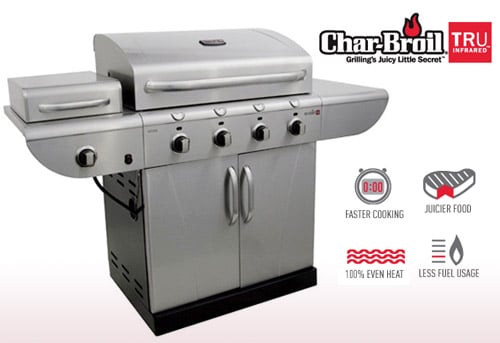
Some summer phrases practically arrive wearing sunglasses: watermelon on ice, corn on the cob, burgers on the grill, and that unmistakable backyard smell that says, “Someone nearby is either cooking dinner or confidently burning dinner.” Fab Freebie: Infrared, White, And Blue captures that classic American cookout mood with a clever twist: the excitement of a grill giveaway, the science of infrared cooking, and the red-white-and-blue spirit of outdoor entertaining.
The phrase originally feels like the kind of headline that makes home lovers, food lovers, and deal hunters all pause mid-scroll. A “fab freebie” suggests a prize worth entering for, “infrared” points to modern grilling technology, and “white and blue” brings the patriotic cookout energy. Put together, it sounds like a Fourth of July backyard party where the grill is the guest of honor and everyone else is politely waiting for the burgers.
This guide explores what makes infrared grilling appealing, why a high-quality gas grill can transform summer cooking, how to host a smarter patriotic cookout, and what to know before chasing a grill giveaway or choosing an infrared grill for your own patio. No smoke-and-mirrors herewell, maybe a little smoke. It is grilling, after all.
What Does “Fab Freebie: Infrared, White, And Blue” Really Mean?
At its heart, this title blends three ideas: a desirable free giveaway, infrared grilling technology, and festive American summer style. Think of it as the backyard version of finding a prize ticket in a cereal boxexcept the prize can sear steaks, roast vegetables, and make you look like you planned the party three weeks in advance instead of ten minutes before guests arrived.
The “infrared” part usually refers to a grill that uses radiant heat rather than relying only on hot air circulating around food. In a traditional gas grill, flames heat the air and grates, and that heat cooks your food. In many infrared systems, a special emitter plate or burner surface absorbs heat and radiates it evenly toward the food. The result can be faster preheating, steadier surface temperatures, reduced flare-ups, and juicy results when used correctly.
The “white and blue” part gives the phrase its festive personality. It instantly suggests Independence Day, Memorial Day, Labor Day, backyard flags, gingham napkins, paper plates that bend under the heroic weight of potato salad, and a cooler full of drinks. A grill giveaway wrapped in that patriotic theme feels perfectly timed for summer entertaining.
Why Infrared Grilling Gets Backyard Cooks Excited
Infrared grilling sounds futuristic, but the idea is surprisingly simple. Instead of depending mostly on moving hot air, infrared heat transfers energy directly to the food. That direct, radiant heat can help create strong searing power and reduce some of the temperature swings that make ordinary grilling feel like a backyard weather experiment.
More Even Heat Across the Cooking Surface
One of the biggest frustrations with basic gas grills is the mysterious geography of hot and cold spots. One burger turns into a perfect masterpiece while the burger beside it looks like it spent the afternoon at a lukewarm spa. Infrared systems are designed to spread heat more evenly across the cooking surface, which can help reduce that “left side burns, right side naps” problem.
Fewer Flare-Ups
Flare-ups happen when fat or juices drip onto flames or extremely hot surfaces and ignite. A little kiss of flame can add flavor; a giant whoosh can turn chicken thighs into tiny charcoal pillows. Infrared grills often include a barrier between the flame and the food, which can reduce direct grease-to-flame contact and help prevent dramatic flare-ups.
Juicier Food When Used Properly
Because infrared heat can cook quickly and intensely, it may help seal and brown the surface of meats while reducing the amount of time food spends drying out over heat. That does not mean an infrared grill magically fixes every cooking mistake. Leave a steak on too long, and science will still send you a bill. But with a thermometer, proper timing, and a little patience, infrared grilling can deliver impressively juicy results.
Is an Infrared Grill Good for Everyday Cooking?
Yes, an infrared grill can be excellent for everyday cooking, especially if you like quick weeknight meals, strong searing, and consistent heat. It is especially appealing for burgers, steaks, pork chops, chicken pieces, sausages, seafood, peppers, zucchini, corn, and even fruit like pineapple or peaches.
That said, infrared grilling rewards attention. These grills can get hot quickly, so thin foods may cook faster than expected. The first few sessions are best treated as friendly experiments. Start with foods you already know well, watch closely, and keep an instant-read thermometer nearby. Your goal is not to become a grill wizard overnight. Your goal is to avoid serving chicken that is somehow both blackened and suspiciously squishy.
What to Look for in a Grill Giveaway
A “fab freebie” is only fabulous if the prize is useful, legitimate, and worth the entry. Grill giveaways can be exciting, but smart readers should look beyond the sparkle of the word “free.” A quality gas or infrared grill can be a major backyard upgrade, so it pays to know what matters before entering a promotion or buying a similar model.
Cooking Space
For small households, a compact two-burner grill may be enough. For family gatherings, neighborhood cookouts, or anyone who believes six burgers is merely a warm-up round, a larger three- or four-burner grill provides more flexibility. Extra cooking space also allows you to create zones: one area for searing, another for gentle finishing.
Burner Control
Multiple burners give you better control over heat. Even on an infrared grill, the ability to manage zones is valuable. You can sear steaks on high, move chicken to a lower area, and keep corn warm without turning it into a golden baton.
Build Quality
Look for sturdy grates, solid lid construction, stable wheels, easy-to-clean trays, and materials that can handle weather. Stainless steel components are common, but not all stainless steel is equal. A grill cover and regular cleaning can extend the life of almost any outdoor cooker.
Cleaning Design
Grease management matters. Removable grates, accessible trays, and surfaces that can be brushed clean make the difference between “I love grilling” and “I have accidentally adopted a greasy metal raccoon.” A grill that is easier to clean is a grill you are more likely to use.
Patriotic Cookout Ideas for an Infrared, White, And Blue Theme
The title begs for a summer party menu. You do not need fireworks, a marching band, or a bald eagle wearing an apron. A few thoughtful details can turn an ordinary meal into a memorable backyard event.
Infrared Mains
Start with classic burgers, steak kebabs, grilled chicken thighs, or brats. Infrared heat is great for foods that benefit from browning and quick cooking. For burgers, use medium-high heat and cook ground beef to a safe internal temperature. For chicken, use a slightly lower setting after the initial sear so the inside finishes without scorching the outside.
White Side Dishes
For the “white” part of the theme, consider creamy coleslaw, potato salad, grilled onions, white cheddar corn dip, or cauliflower steaks. If you want something lighter, grilled romaine with a yogurt-based dressing adds crunch and freshness without making the plate feel like a mayonnaise festival.
Blue Backyard Touches
Blueberries are the obvious winner here. Add them to lemonade, toss them into a spinach salad, or spoon them over grilled pound cake with whipped cream. Blue napkins, enamel plates, or a simple navy table runner can also carry the theme without making the yard look like a campaign stop.
Food Safety Still MattersEven When the Grill Is Fancy
A powerful grill does not replace basic food safety. In fact, because grilled meat often browns quickly on the outside, it is important to confirm doneness with a thermometer rather than guessing by color. Color can lie. A thermometer is the friend who tells you the truth, even when your ego is wearing an apron.
Use 145°F with a three-minute rest for whole cuts of beef, pork, veal, and lamb. Cook ground meats to 160°F. Poultry should reach 165°F. Fish should reach 145°F or cook until the flesh is opaque and separates easily. Keep raw meat separate from ready-to-eat foods, use clean plates for cooked items, and do not reuse marinade that touched raw meat unless it has been boiled safely.
Also remember the outdoor food rule: hot foods should stay hot, and cold foods should stay cold. On a blazing summer afternoon, dips, salads, and raw ingredients should not sit around like they paid rent on the picnic table.
How to Prevent Grill Drama
Grilling should feel relaxed, not like a backyard emergency drill. A few habits make a huge difference. Place the grill on a stable, open surface away from siding, deck railings, low branches, and anything that can melt, burn, or become an embarrassing story. Keep children and pets at a safe distance. That includes optimistic dogs who believe every dropped hot dog is destiny.
Before using a gas grill, check hoses and connections. If you smell gas, turn everything off and investigate safely before lighting. Keep the grease tray clean, preheat the grill properly, and brush the grates before cooking. Trim excess fat from meats to reduce flare-ups. If flames jump up, move the food to a cooler zone and close the lid briefly if appropriate. Never spray water into a gas grill flare-up; that can spread grease and create more trouble.
How to Get Better Results from an Infrared Grill
Infrared grills are powerful, but technique still matters. First, preheat according to the manufacturer’s instructions. Infrared systems often heat quickly, but giving the grates and emitter plate time to stabilize leads to better searing. Second, avoid overcrowding. If every inch of the grill is covered, heat cannot circulate properly and turning food becomes a tiny game of edible Tetris.
Third, use oil thoughtfully. Lightly oil food rather than dumping oil directly onto the grill. Too much oil can smoke heavily or encourage flare-ups. Fourth, let food release naturally. Meat often sticks at first and then releases once a good crust forms. If you pry too early, you may leave half your dinner behind like a tragic offering to the grate gods.
Finally, rest meats after grilling. Resting allows juices to redistribute and helps carryover cooking finish the job. A five-minute rest for steaks, chops, and chicken pieces can make the difference between juicy and disappointing.
Best Foods to Try First
If you are new to infrared grilling, begin with forgiving foods. Burgers are a smart first test because they show how the grill handles fat and browning. Chicken thighs are better than boneless chicken breasts for early practice because they stay juicy and tolerate heat well. Pork chops teach timing and temperature control. Vegetables like zucchini, bell peppers, asparagus, and mushrooms help you learn hot zones without risking an expensive steak.
Once you understand your grill’s personality, move on to ribeyes, salmon, shrimp skewers, and fruit. Grilled pineapple with a little cinnamon sugar is ridiculously easy and tastes like vacation decided to stop by for dessert.
Why the “Freebie” Angle Works So Well
Giveaways are popular because they combine hope, usefulness, and a tiny thrill. A grill giveaway is especially attractive because it promises experiences, not just an object. Winning an infrared grill means more than owning a shiny cooker. It means summer dinners outside, birthday burgers, late-evening corn, neighbors drifting over “just to say hi,” and the proud moment when someone asks, “How did you get this chicken so juicy?”
That emotional value is why a headline like Fab Freebie: Infrared, White, And Blue works. It feels playful, seasonal, and specific. It does not just say “win a grill.” It paints a scene: a patriotic summer cookout powered by modern heat technology and the delicious possibility of getting something wonderful for free.
Buying an Infrared Grill If You Do Not Win One
Of course, not everyone wins the giveaway. That is the tragic law of raffles, sweepstakes, and office snack drawers. If you decide to shop for an infrared grill, compare size, features, warranty, replacement parts, and cleaning requirements. Read owner reviews carefully, especially comments about long-term durability, rust resistance, heat control, and customer support.
Do not buy more grill than you need. A massive grill looks impressive until you realize you mostly cook two burgers and a lonely zucchini. On the other hand, if you host often, extra space is worth it. Think about how you actually cook, not how your fantasy self cooks while wearing a spotless apron and calmly serving twelve people at sunset.
Experience Section: What “Infrared, White, And Blue” Feels Like in Real Backyard Life
The best way to understand the charm of Fab Freebie: Infrared, White, And Blue is to imagine the first real cookout after the grill arrives. The box is big enough to make you question your upper-body strength. Someone insists they do not need the manual. Ten minutes later, the manual becomes the most respected guest at the party. Parts spread across the patio, a screwdriver disappears twice, and the dog supervises with the seriousness of a building inspector.
Once assembled, the grill changes the mood of the yard. It becomes a gathering point. People may not crowd around the salad bowl, but they absolutely drift toward a hot grill. There is something ancient and social about cooking outdoors, even when the technology has advanced far beyond a pile of coals. Infrared heat adds a modern edge: faster preheating, strong searing, and fewer surprise fireballs. The cook still gets to look heroic, just with fewer singed arm hairs.
For a red-white-and-blue weekend, the experience becomes even better. You set out a simple table with blue napkins, white plates, and a bowl of strawberries that disappears before dessert because apparently fruit becomes irresistible when placed near grilled meat. Corn goes on first, turning sweet and smoky. Burgers follow, sizzling confidently. Chicken thighs get their turn, and with careful temperature checks, they come off juicy instead of dry. This is where infrared cooking feels rewarding: the heat feels direct, focused, and efficient.
There is also a learning curve, and that is part of the experience. The first steak may cook faster than expected. The first batch of vegetables may teach you that thin asparagus does not need a heroic amount of time. You may discover that closing the lid matters, that resting meat is not optional, and that a thermometer is the difference between confidence and guessing. After a few sessions, the grill starts to feel less like a machine and more like a cooking partner with a strong personality.
Hosting with an infrared grill also changes how you plan meals. Instead of hovering anxiously over every flame, you can work in stages. Sear first, move items to a gentler zone, toast buns last, and keep finished food warm without overcooking it. Guests notice the results. They may not ask about radiant heat or emitter plates, but they will ask for seconds, which is the more important scientific measurement.
The “freebie” part adds another layer of joy. A grill won in a giveaway carries a story. Every cookout begins with, “Can you believe this was free?” That sentence has remarkable staying power. It makes the burgers taste slightly more victorious. It gives the host bragging rights without requiring a trophy. And if the grill was not actually won but purchased after reading about one, the feeling can still be similar: a smart backyard upgrade that pays you back in meals, memories, and fewer emergency pizza orders.
In the end, Fab Freebie: Infrared, White, And Blue is not only about a product or a prize. It is about the ritual of summer cooking: gathering people outside, feeding them well, laughing when the buns get a little too toasted, and learning that good grilling is equal parts heat, timing, patience, and snacks for the cook. Especially snacks for the cook.
Conclusion
Fab Freebie: Infrared, White, And Blue is a cheerful reminder that the best summer content combines usefulness with a little sparkle. Infrared grilling brings real benefitsfast heat, strong searing, more even cooking, and fewer flare-upswhile the patriotic theme makes the whole idea feel ready for a backyard celebration. Whether you are entering a giveaway, buying your first infrared grill, or simply planning a better cookout, the key is to balance excitement with smart technique.
Choose the right grill size, keep it clean, use safe cooking temperatures, and give yourself time to learn how infrared heat behaves. Do that, and your summer meals can move from “pretty good” to “who made this and are they available next weekend?” That is the true prize: not just a free grill, but better food, easier hosting, and a backyard that feels like the best room of the house.
Note: This article is original, rewritten content synthesized from real information about infrared grilling technology, gas grill safety, outdoor cooking techniques, food temperature guidance, and American summer cookout practices.