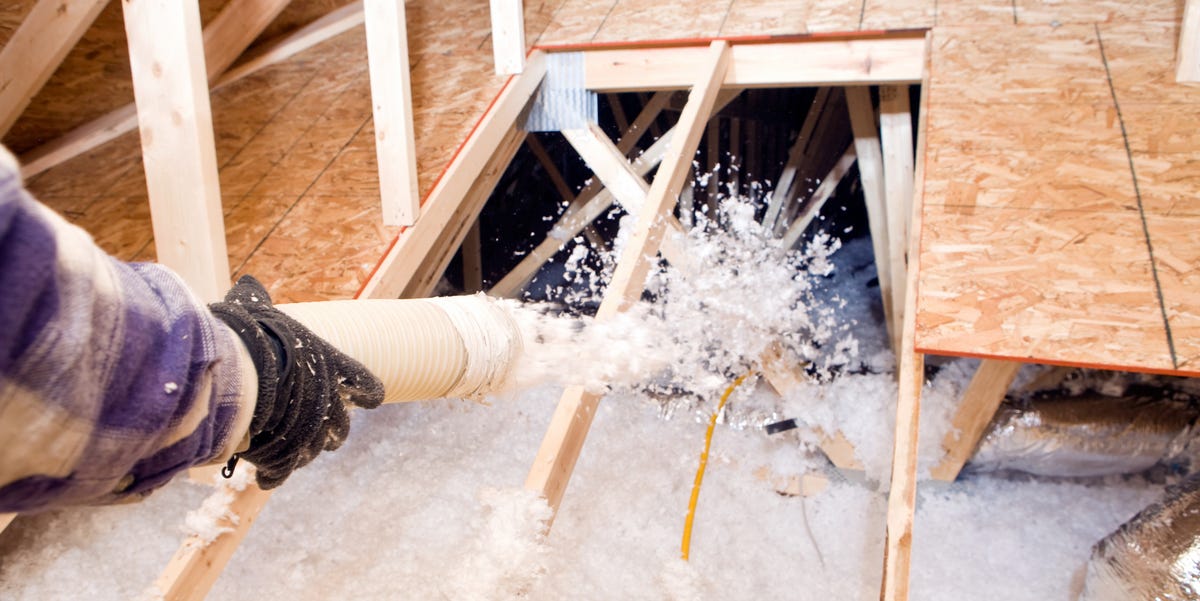
If your attic were a person, it would be the one quietly draining your bank account while pretending everything is fine. An under-insulated attic can let precious heated or cooled air slip away, make rooms harder to keep comfortable, and force your HVAC system to work like it is training for a marathon it never signed up for.
The good news is that choosing the right attic insulation does not have to feel like decoding ancient roofing poetry. Once you understand your climate, your attic layout, your current insulation level, and the strengths of each material, the decision becomes much more practical. The best attic insulation is not always the most expensive or the fanciest. It is the one that fits your house, your budget, and the way your attic actually works.
Why Attic Insulation Matters More Than Most Homeowners Realize
Attic insulation helps slow heat transfer between your living space and the outdoors. In winter, it helps keep warm air where it belongs: inside your home, near your socks, your soup, and your sanity. In summer, it reduces the flow of attic heat into the rooms below. That means better comfort, more stable indoor temperatures, and lower energy waste.
But insulation is not just about comfort. A well-designed attic system can also help reduce moisture trouble, lower the risk of ice dam problems in colder regions, and improve the overall performance of your home. In other words, attic insulation is doing more than looking fluffy and innocent above your ceiling.
Start with These Four Questions Before You Choose Anything
1. What climate zone are you in?
This is the first question because climate drives the recommended R-value for your attic. R-value measures how well insulation resists heat flow. Higher R-values mean greater insulating power. Homes in hot southern climates usually need less attic R-value than homes in colder northern climates, where winter loves to overstay its welcome.
As a general rule, many homes aim for attic insulation in the R-38 range or higher, while colder regions often need R-49 to R-60. That is why two homeowners can both say, “I insulated my attic,” and still need very different amounts of material.
2. How much insulation do you already have?
Before buying anything, inspect what is already in the attic. If you have loose-fill fiberglass, cellulose, or mineral wool, measuring its depth gives you a rough estimate of existing R-value. If the insulation is shallow, patchy, or well below current recommendations, adding more may be one of the smartest upgrades you can make.
Also look for gaps, compressed areas, dirty spots from air movement, and thin coverage at the edges. Insulation that has settled, been disturbed, or was never installed evenly can perform worse than it looks from six feet away with a flashlight and optimism.
3. Is your attic vented or should it be insulated at the roofline?
Most homes have a vented attic with insulation on the attic floor. In this setup, the attic itself is outside the conditioned part of the home. Air moves through soffit and ridge vents, while insulation on the attic floor protects the rooms below.
Some homes make more sense with insulation at the roofline, creating an unvented or conditioned attic. This is often worth considering when the HVAC equipment or ductwork is in the attic, when the attic is used for storage, when there are finished rooms tucked under the roof, or when the geometry is too cramped for good attic-floor insulation and ventilation.
This is not a casual “why not both?” decision. Roofline insulation changes how the whole attic behaves, so it usually calls for professional design and installation.
4. Do you need air sealing, moisture fixes, or roof repairs first?
This is the step many homeowners skip, and then wonder why the results feel underwhelming. Insulation is not an air-sealing material. If your attic floor has gaps around plumbing penetrations, wiring holes, top plates, can lights, flues, attic hatches, or duct openings, warm indoor air can leak into the attic. That can waste energy and invite moisture problems.
So before adding insulation, fix air leaks, repair roof leaks, and deal with moisture issues. Otherwise, you are basically putting a winter coat on a house that left the front door open.
The Main Types of Attic Insulation and How to Choose Between Them
Fiberglass Batts
Fiberglass batts are the classic option most people picture first. They are sold in rolls or pre-cut pieces and work best in attics with open, regular joist spacing and few obstacles. If your attic floor is neat and accessible, batts can be a cost-effective choice.
Best for: straightforward attics, budget-focused projects, and experienced DIYers.
Pros: widely available, affordable, familiar, and fairly simple to install correctly in open spaces.
Cons: easy to install poorly, harder to fit around wires, pipes, and odd framing, and performance drops when compressed or left with gaps.
Batts are a good choice when the attic looks like it was designed by a practical person. They are less ideal when the attic looks like a maze built by a stressed-out octopus.
Blown-In Fiberglass
Blown-in fiberglass is installed as loose-fill material, usually by machine. It is excellent for open attic floors because it spreads into hard-to-reach areas and creates a fairly even blanket over the ceiling plane.
Best for: topping up existing attic insulation or insulating large open attics quickly.
Pros: fast coverage, good for irregular spaces, less cutting and fitting, easy to achieve uniform depth.
Cons: may settle over time, needs proper depth markers, and can be disrupted if the attic is used heavily for storage or foot traffic.
If your goal is to boost attic insulation without turning the project into a three-week personality test, blown-in fiberglass is often a strong option.
Cellulose
Cellulose insulation is typically made from recycled paper treated for fire resistance. It is commonly blown in, making it a strong candidate for existing homes where the attic floor has lots of nooks, crannies, and awkward spots.
Best for: retrofits, irregular attics, and homeowners who like the idea of recycled-content materials.
Pros: fills gaps well, offers solid thermal performance, often has higher recycled content, and can help reduce air movement better than some loose fiberglass products.
Cons: can settle, may be dusty during installation, and needs careful moisture management like any attic insulation system.
Cellulose is often a smart pick for older homes because old houses rarely believe in straight lines or convenience.
Mineral Wool
Mineral wool, sometimes called rock wool or slag wool, is valued for its fire resistance, durability, and sound control. It is available in batts and some loose-fill forms, though it is less commonly the go-to attic upgrade material than fiberglass or cellulose.
Best for: homeowners who want strong fire performance, sound reduction, and dense, durable batts.
Pros: noncombustible, good sound dampening, moisture-resistant characteristics, and sturdy batts that are easier to friction-fit than some fiberglass products.
Cons: usually costs more than standard fiberglass and may be less convenient for large attic-floor blow-in applications.
Mineral wool can be a very good attic insulation choice when safety, durability, and acoustic performance matter almost as much as pure cost.
Spray Foam
Spray foam is the overachiever of the insulation world. It has high R-value per inch, excellent air-sealing ability, and works especially well when insulation is being installed at the roofline rather than on the attic floor. It is commonly used in unvented or conditioned attic assemblies.
Best for: complex attics, roofline insulation, homes with HVAC equipment in the attic, and projects where air sealing is a top priority.
Pros: high performance, excellent air barrier, fits odd shapes, and can be extremely effective in the right design.
Cons: expensive, typically requires professional installation, and not always necessary for a standard vented attic floor.
Spray foam is powerful, but it is not automatically the best attic insulation for every home. Sometimes it is the perfect solution. Sometimes it is just the most expensive way to solve a problem that blown-in insulation and air sealing could have handled nicely.
Radiant Barriers
A radiant barrier is not traditional attic insulation, but it can be useful in hot, sunny climates. It reflects radiant heat and may help reduce summer heat gain, especially when ducts are in the attic. Still, it is a supplement, not a substitute for proper insulation.
If someone suggests foil alone as your entire attic plan, smile politely and back away slowly.
How to Match the Material to Your Home
If You Have a Typical Vented Attic
For many homes, the best path is simple: air seal the attic floor, keep ventilation pathways open, and add blown-in fiberglass or cellulose to the attic floor until you reach the recommended R-value for your climate. This approach is usually cost-effective and reliable.
If Your Attic Has Ductwork or HVAC Equipment
If your heating and cooling system lives in the attic, insulating at the roofline may make more sense. That brings the equipment inside the thermal boundary, which can improve efficiency and reduce the punishment your HVAC system takes during extreme weather.
If You Want a DIY-Friendly Project
Batts can work for handy homeowners, especially in open, regular spaces. Blown-in systems can also be DIY-friendly in some cases, but the job still requires careful prep, proper depth, and attention to attic ventilation, wiring, and access details.
If Your Home Is Older and Full of Odd Framing
Loose-fill cellulose or blown-in fiberglass usually performs better than batts in tricky spaces. Older homes often benefit from materials that flow around obstacles instead of demanding perfect geometry from a structure built when measuring tapes were apparently optional.
If Fire and Sound Are Bigger Priorities
Mineral wool may be worth the extra cost. It is dense, durable, and attractive for homeowners who care about more than energy savings alone.
Common Mistakes That Can Ruin a Good Insulation Upgrade
- Adding insulation before sealing air leaks
- Blocking soffit vents with insulation
- Compressing batts and reducing their R-value
- Ignoring roof leaks, mold, or moisture issues
- Leaving the attic hatch or pull-down stairs uninsulated
- Choosing the cheapest material without considering attic design
- Using roofline spray foam when attic-floor insulation would have been more practical
The right material installed the wrong way can underperform in a hurry. Proper installation matters just as much as material choice.
Three Practical Examples
Example 1: The Straightforward Ranch House
A one-story ranch in a mixed climate with a vented attic, no equipment in the attic, and only a few inches of old insulation is usually a prime candidate for air sealing plus blown-in cellulose or fiberglass on the attic floor. It is efficient, practical, and often the best value.
Example 2: The Hot-Climate Home with Ducts in the Attic
A house in a warm region with air-conditioning ducts in the attic may benefit from bringing the attic inside the building envelope with roofline insulation, especially if the attic is hard to vent properly or the duct losses are severe.
Example 3: The Older Home with Weird Angles and Storage Platforms
An older home with kneewalls, partial flooring, and uneven framing may need a more customized approach. In some cases, insulating the roofline makes more sense. In others, targeted air sealing and dense attic-floor coverage are enough. This is where a professional energy assessment can save time, money, and bad decisions.
Final Thoughts: Choose the System, Not Just the Product
When homeowners ask, “What is the best attic insulation?” the honest answer is, “Best for what kind of attic?” The smartest choice depends on your climate zone, your existing R-value, whether your attic is vented or conditioned, whether HVAC equipment is up there, and how much complexity you are willing to take on.
For many homes, the winning strategy is air sealing plus blown-in insulation at the attic floor. For others, especially homes with ducts and mechanical equipment in the attic, roofline insulation may be the better move. The goal is not to buy the trendiest product. The goal is to create an attic system that is comfortable, efficient, durable, and appropriate for how your house is built.
Choose with a plan, not with guesswork. Your future energy bills will notice. Your HVAC system will notice. Even your upstairs bedroom will probably stop filing complaints.
Real-World Experiences Homeowners Often Have with Attic Insulation
One of the most common experiences homeowners describe after an attic insulation upgrade is not a dramatic movie-moment revelation. It is smaller and better than that. The house simply starts feeling normal. Upstairs rooms stop swinging from chilly cave in winter to toaster oven in summer. The HVAC system runs less often. Floors feel less drafty. Bedrooms over garages stop being the family’s least-popular real estate. People often say, “I didn’t realize how uncomfortable the house was until it wasn’t.”
Another frequent experience is discovering that insulation alone was not the full answer. Plenty of homeowners add more insulation expecting instant magic, only to learn that major air leaks were the real villains. Recessed lights, attic hatches, plumbing penetrations, and open framing around chases can leak a surprising amount of air. Once those leaks are sealed, the insulation starts performing the way it was supposed to all along. It is a little like realizing your expensive cooler works much better when you close the lid.
Older-home owners often have the most memorable attic stories. They go up expecting a simple project and find a museum of previous decisions: crushed batts, random plywood walkways, mystery wiring, ancient duct tape, and one corner that appears to have been insulated by vibes alone. In these houses, blown-in cellulose or fiberglass often feels like a practical rescue mission because it can cover irregular spaces far better than trying to cut and place batt after batt around decades of odd framing.
Homeowners in hot climates frequently report that the biggest payoff is comfort during late afternoons and evenings. When attic heat has been baking the ceiling all day, better insulation can make the house easier to cool and much less irritating to live in. In colder climates, people often notice quieter rooms, more even temperatures, and fewer winter drafts. Some also report fewer ice dam concerns after sealing and insulating the attic correctly, especially when ventilation pathways are preserved.
Spray foam experiences tend to be the most polarized. Homeowners who truly needed a conditioned attic because of ducts, complex rooflines, or bonus rooms under the roof often love the results. But others look back and realize they paid premium prices for a solution their house did not actually require. That is why matching the insulation strategy to the attic design matters so much. The happiest outcomes usually come from solving the right problem, not buying the fanciest product.
There is also the storage reality. Many people do not think about attic storage until after the insulation goes in. Suddenly, those holiday bins, old yearbooks, and mysterious cords that definitely belong to something important have nowhere obvious to go. Homeowners with storage-heavy attics often appreciate planning for raised platforms or designated pathways before the insulation work begins. It is not glamorous, but it prevents the classic mistake of flattening fresh insulation every time someone goes hunting for decorations in December.
In the end, the most consistent homeowner experience is simple: good attic insulation feels boring in the best possible way. The house becomes steadier, quieter, and easier to live in. Utility bills may improve, comfort usually improves, and the attic stops acting like a rebellious climate experiment above your ceiling.