Note: This article is written for web publishing and is based on real product details, garden-hose safety guidance, consumer buying factors, and practical gardening experience. Source links are intentionally not included, as requested.
Introduction: A Garden Hose That Refuses to Be Boring
A garden hose sounds like the kind of thing nobody gets excited aboutuntil you buy a bad one. Then suddenly, it becomes the main character in your outdoor drama. It kinks in the middle of watering your tomatoes, leaks at the faucet, bakes in the sun like a forgotten noodle, and somehow weighs as much as a small canoe. That is where the Heritage Garden Hose earns attention: it takes a basic gardening tool and gives it a better mix of function, safety, and style.
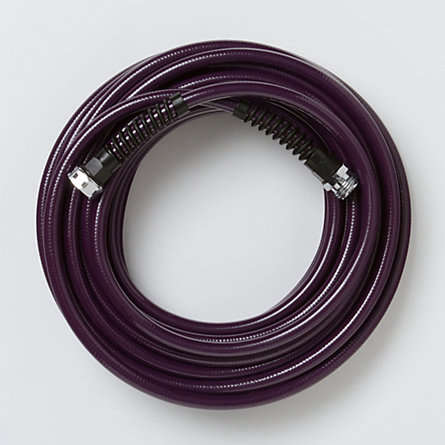
The Heritage Garden Hose is often described as a lightweight, slim, durable polyurethane hose made in the USA, with drinking-water-safe construction and rust-resistant fittings. In plain English, that means it is designed for gardeners who want something easier to carry, safer around edible plants and pets, and prettier than the standard green coil hiding behind the shed like it owes someone money.
But is a Heritage Garden Hose only about looks? Not quite. The best garden hose for everyday use should balance flexibility, durability, water flow, hose safety, kink resistance, and storage convenience. This guide breaks down what makes the Heritage Garden Hose appealing, how it compares with common rubber and vinyl hoses, what to consider before buying, and how to make it last longer.
What Is a Heritage Garden Hose?
A Heritage Garden Hose is typically a premium-style garden hose known for its lightweight polyurethane body, colorful design, lead-free or drinking-water-safe fittings, and compact profile. It is especially popular with patio gardeners, small-space gardeners, container-plant lovers, and homeowners who want gardening tools that look intentional rather than purely utilitarian.
Unlike bulky rubber hoses, polyurethane garden hoses are usually lighter and easier to maneuver. Unlike inexpensive vinyl hoses, they are often more durable, less prone to cracking, and better suited for users who care about chemical safety. Many Heritage-style hoses are designed to be safe for outdoor drinking-water use, meaning the hose material and fittings are made without common chemicals of concern such as lead, BPA, and phthalates.
Key Features Commonly Associated With Heritage Garden Hoses
- Lightweight polyurethane construction
- Drinking-water-safe materials
- Lead-free, rust-resistant metal fittings
- Compact diameter for patio and garden use
- Kink-resistant and crack-resistant design
- Made in the USA in many product listings
- Available in decorative colors for stylish outdoor spaces
In short, the Heritage Garden Hose is for people who want a hose that works well without looking like it was stolen from a construction site.
Why Gardeners Like the Heritage Garden Hose
1. It Is Lightweight Enough for Everyday Watering
One of the biggest complaints about traditional hoses is weight. A heavy rubber hose can feel manageable at first, but drag it across the yard a few times and it starts training your shoulders without your consent. The Heritage Garden Hose is usually much lighter than a standard rubber hose, which makes it easier to carry around flower beds, raised planters, patios, and narrow side yards.
This lightweight feel is especially useful for people who water frequently. If you have herbs near the kitchen door, container plants on the porch, or a few raised beds in the backyard, you may not need a huge commercial-grade hose. You need something flexible, easy to coil, and pleasant to use. A slim polyurethane garden hose fits that role well.
2. It Is Designed With Safer Materials
Garden hose safety matters more than many people realize. Some older or low-quality hoses may contain materials that are not ideal for drinking water, vegetable gardens, or pets. Water sitting inside a hot hose can pick up unpleasant tastes, odors, or unwanted chemical residues, especially when the hose is made from materials not labeled as drinking-water-safe.
A Heritage Garden Hose commonly emphasizes toxin-free or drinking-water-safe polyurethane. This is a major selling point for families, edible gardeners, and pet owners. If your dog treats the hose nozzle like a water fountain or your kids occasionally sip from the spigot during summer, a safer hose is worth considering. Still, it is smart to let water run briefly before use, especially after the hose has been sitting in direct sun.
3. It Has Better Style Than the Average Hose
Most garden hoses are green, black, gray, or a mysterious faded color best described as “garage floor.” The Heritage Garden Hose often comes in softer, more decorative shades that suit cottage gardens, patios, balconies, and curated outdoor spaces. That may sound minor, but outdoor design is full of visible details: planters, trellises, watering cans, hose reels, and yes, hoses.
If your backyard has vintage pots, stone pathways, cedar planters, or a charming little bistro table, a bright industrial hose can feel visually awkward. A decorative garden hose helps the practical parts of gardening blend into the overall design.
Heritage Garden Hose Materials: Why Polyurethane Matters
The material of a garden hose affects its weight, flexibility, safety, durability, and price. Most garden hoses are made from vinyl, rubber, hybrid polymers, polyurethane, or metal. The Heritage Garden Hose usually stands out because of its polyurethane construction.
Polyurethane vs. Vinyl
Vinyl hoses are usually affordable and lightweight, but they can be more prone to kinking, cracking, and wearing out quickly. They are fine for occasional watering, but cheap vinyl hoses may frustrate gardeners who use them daily. Polyurethane is generally more durable and often used in higher-quality hoses because it can remain flexible while resisting abrasion and cracking.
Polyurethane vs. Rubber
Rubber hoses are known for toughness. They can handle demanding yard work, hot water in some cases, and rough surfaces. The downside is weight. A long rubber hose can be tiring to pull across a yard, especially when filled with water. Polyurethane hoses are usually much lighter, making them more comfortable for casual watering and small-to-medium garden spaces.
Polyurethane vs. Expandable Hoses
Expandable hoses are popular because they shrink down for storage. However, some gardeners find that expandable hoses may not last as long under frequent use, high pressure, rough dragging, or prolonged sun exposure. A Heritage Garden Hose offers a more traditional hose shape while still being lighter and easier to store than many heavy-duty options.
Who Should Buy a Heritage Garden Hose?
The Heritage Garden Hose is not necessarily the best choice for every single yard. A large property with long irrigation runs may need a wider hose with higher flow. A farm, commercial garden, or construction-like outdoor environment may call for heavy-duty rubber. But for many homeowners and gardeners, the Heritage Garden Hose is a practical and attractive upgrade.
Best For
- Patio gardens and balcony gardens
- Raised beds and vegetable gardens
- Small lawns and flower borders
- Container plants and herb gardens
- People who want a lightweight garden hose
- Pet owners who prefer drinking-water-safe hose materials
- Gardeners who care about outdoor aesthetics
May Not Be Ideal For
- Very large yards requiring maximum water volume
- Heavy-duty commercial landscaping
- Users who need a very wide-diameter hose for high flow
- People looking for the cheapest hose possible
Think of it like choosing shoes. You would not wear fancy loafers to hike a muddy mountain, but you also would not wear steel-toe boots to water basil on a balcony. The right hose depends on the job.
Performance: Water Flow, Flexibility, and Kink Resistance
A garden hose can look beautiful, but it still has to deliver water without acting like a stubborn garden snake. Performance depends on hose diameter, length, pressure, fittings, nozzle choice, and how the hose is stored.
Water Flow
Many slim Heritage-style hoses have a smaller interior diameter than traditional 5/8-inch hoses. That means the water flow may be slightly lower than a larger heavy-duty hose. For everyday watering, this is usually not a problem. Flowers, herbs, potted plants, and raised beds do not need fire-hydrant-level pressure. In fact, gentler flow can be better for seedlings and delicate plants.
However, if you want to run a large sprinkler across a wide lawn, wash muddy equipment, or fill a large pool quickly, a wider hose may be better. The Heritage Garden Hose shines when control, comfort, and convenience matter more than maximum volume.
Flexibility
Good flexibility makes a hose easier to pull around corners, loop around planters, and coil after use. Polyurethane hoses are generally praised for being easy to handle, especially compared with stiff vinyl hoses that seem to develop a personal grudge against straight lines.
Kink Resistance
No hose is completely immune to kinking, despite what some labels may imply. But better materials and smarter storage reduce the problem. A Heritage Garden Hose is commonly marketed as kink-resistant, and its lightweight body makes it easier to reposition before a kink becomes a full water-stopping knot.
How to Choose the Right Heritage Garden Hose
Length
Choose the shortest hose that comfortably reaches your watering areas. Longer hoses create more drag, lower water pressure, and take more effort to coil. For patios and small gardens, 25 feet may be enough. For medium yards, 50 feet is often practical. If you need 100 feet, consider whether two shorter hoses connected only when needed would be easier to manage.
Diameter
Diameter affects water flow. A slim hose is lighter and easier to store, but a wider hose delivers more water. For hand watering, container gardening, and patio use, a smaller-diameter hose can work beautifully. For sprinklers and high-volume tasks, look for a larger interior diameter.
Fittings
Good fittings prevent leaks and frustration. Brass or chrome-plated brass fittings are often stronger and more durable than thin plastic couplings. Lead-free fittings are especially important if the hose is labeled drinking-water-safe. Check that the fitting threads are clean and connect smoothly to your outdoor faucet and nozzle.
Color and Storage Style
Color is not just decoration. A hose that looks good near your patio or garden wall is less likely to be hidden awkwardly or neglected. Pair a Heritage Garden Hose with a wall-mounted hose holder, decorative hose pot, or compact reel. The result is tidy, useful, and far less chaotic than a hose pile that looks like modern art after a windstorm.
How to Use a Heritage Garden Hose the Smart Way
Flush Before First Use
Before using any new hose, run water through it for a minute. This clears out dust, manufacturing residue, and warm standing water. It is a simple habit that improves taste, smell, and overall water quality.
Use a Quality Nozzle
A good nozzle gives you better control. Use a gentle shower setting for seedlings, a mist setting for delicate herbs, and a stronger stream for rinsing tools. A shut-off nozzle also helps conserve water because you can pause flow while moving between plants.
Do Not Leave It Under Pressure
After watering, turn off the faucet and release pressure from the hose. This reduces stress on the hose walls and fittings. It also helps prevent leaks from developing over time.
Keep It Out of Extreme Heat When Possible
All hose materials age faster when left on hot pavement or in harsh sun day after day. If possible, store your Heritage Garden Hose in shade, on a reel, or inside a hose pot. Your hose will reward you by not turning into a crispy garden bracelet.
Care and Maintenance Tips
A quality hose can last much longer when cared for properly. Garden hose maintenance is not complicated, but small habits make a big difference.
Drain After Use
Drain the hose before storing it, especially if temperatures may drop. Water left inside a hose can expand when frozen, damaging the hose and fittings. Even in warm climates, draining reduces weight and prevents stale water from sitting inside.
Coil Without Sharp Bends
Sharp bends create weak spots. Coil the hose in wide loops, or use a reel designed to avoid tight angles. Never hang a hose from a single nail, because the pressure point can deform the hose wall.
Inspect the Washers
If your hose leaks at the faucet or nozzle, the problem may be a worn washer rather than the hose itself. Rubber washers are inexpensive and easy to replace. Before blaming the entire hose, check the tiny ring doing the very unglamorous but important job.
Store Indoors During Harsh Winter
In cold climates, store the hose indoors during the coldest months. A garage, basement, shed, or utility room can protect it from freeze-thaw stress. If indoor storage is not possible, drain it thoroughly and keep it off the ground.
Heritage Garden Hose vs. Standard Garden Hose
The average garden hose is purchased in a hurry, usually after the old one fails dramatically in the driveway. The Heritage Garden Hose takes a more thoughtful approach. It is not just about moving water; it is about making watering easier, safer, and more pleasant.
Style
A standard hose is usually designed to disappear. The Heritage Garden Hose is designed to be seen. Its colors and slim shape make it suitable for patios, cottage gardens, and curated outdoor areas.
Weight
Compared with many rubber hoses, the Heritage Garden Hose is easier to lift and coil. This matters for gardeners who water daily or move the hose between multiple zones.
Safety
Many premium polyurethane hoses focus on drinking-water-safe construction, lead-free fittings, and materials free from BPA and phthalates. That makes them a better fit for vegetable gardens, pets, and family spaces than unknown bargain hoses.
Price
A Heritage Garden Hose usually costs more than a basic vinyl hose. But price should be judged against lifespan, ease of use, safety, and satisfaction. A cheap hose that kinks every five minutes is not a bargain; it is a subscription to irritation.
Common Mistakes to Avoid
Buying Too Much Hose
More length sounds convenient, but excess hose adds weight and reduces water pressure. Measure your space before buying. A 50-foot hose may be perfect for many home gardens, while a 100-foot hose may be unnecessary unless your spigot is far from your planting area.
Leaving It in the Sun All Season
Outdoor hoses are made for outdoor use, but constant sun exposure still speeds up aging. Shade storage helps preserve flexibility and appearance.
Using the Wrong Nozzle
A powerful jet can damage seedlings and splash soil onto leaves, increasing disease risk for some plants. Choose a nozzle setting that matches the job.
Ignoring Small Leaks
Small leaks waste water and often get worse. Replace washers, tighten fittings carefully, and repair minor punctures before they become backyard fountains.
Real-World Experiences With a Heritage Garden Hose
Using a Heritage Garden Hose feels different from dragging around a heavy traditional hose. The first thing most gardeners notice is the weight. When watering a row of herbs, a few tomato plants, and a cluster of porch containers, a lighter hose makes the job feel less like yard work and more like a calm morning routine. You can pull it across the patio without knocking over every pot in its path, which is a small miracle if your outdoor space is crowded with planters.
In a small backyard, the Heritage Garden Hose is especially convenient. Imagine a narrow garden with raised beds on one side, hydrangeas near the fence, and a few ceramic pots by the steps. A bulky hose can scrape against containers, flatten mulch, and twist itself into a knot at the worst possible moment. A slim polyurethane hose moves more politely. It still needs guidance, of course, because no hose has achieved enlightenment, but it is noticeably easier to manage.
Another experience gardeners appreciate is the cleaner look. A colorful Heritage Garden Hose stored on a simple wall hook or in a hose pot can actually add charm to the garden. It does not scream “utility closet.” It says, “Yes, I water plants, and I have taste.” That matters for people who use their patios as living spaces. When a hose is visible near outdoor furniture, a grill, or a flower border, design becomes part of the decision.
For vegetable gardeners, the drinking-water-safe angle brings peace of mind. If you are watering lettuce, basil, strawberries, or cherry tomatoes, you may feel better using a hose made without lead, BPA, and phthalates. While plants are not sipping water like humans do, edible gardening naturally makes people more aware of what touches the soil and leaves. A safer hose fits into the larger mindset of growing food thoughtfully.
Pet owners may also notice the benefit. Dogs often love hose water, even when nobody invited them to the watering session. A Heritage Garden Hose labeled safe for people and pets makes those surprise slurps less worrying. Still, it is wise to flush hot standing water first. On a summer day, water sitting inside any hose can become unpleasantly warm, and no one wants their golden retriever sampling backyard tea.
The hose also works well for slow, careful watering. With a gentle nozzle, it is easy to water young plants at soil level, soak containers without blasting potting mix everywhere, and rinse leaves lightly when needed. The smaller profile can feel less aggressive than a big high-flow hose. That makes it practical for gardeners who prefer precision over power.
There are a few realistic trade-offs. If your main task is running a large sprinkler for a wide lawn, you may want a bigger-diameter hose with stronger flow. If you regularly drag a hose over gravel, concrete edges, or rough work areas, you should be extra careful with storage and handling. The Heritage Garden Hose is durable for normal home gardening, but it should still be treated like a quality tool, not a rope in a tug-of-war contest.
After several weeks of regular use, the biggest advantage is convenience. A hose that is easy to carry gets used more often. Plants get watered before they wilt. Containers receive attention before they become crispy little tragedies. The gardener feels less annoyed. That is the secret value of a good hose: it removes friction from routine care. And in gardening, routines are everything.
Conclusion: Is the Heritage Garden Hose Worth It?
The Heritage Garden Hose is worth considering if you want a lightweight, attractive, drinking-water-safe garden hose for everyday home use. It is especially well suited for patios, container gardens, raised beds, flower borders, and small-to-medium outdoor spaces. Its polyurethane construction offers a strong balance of flexibility, safety, and comfort, while its decorative colors make it more visually appealing than the average hose.
It may not be the best choice for every heavy-duty job, especially if you need maximum water flow for large lawns or commercial work. But for gardeners who value ease of use, safer materials, and a tidy outdoor look, the Heritage Garden Hose is more than a pretty coil. It is a practical upgrade that can make watering feel less like a chore and more like part of the pleasure of gardening.