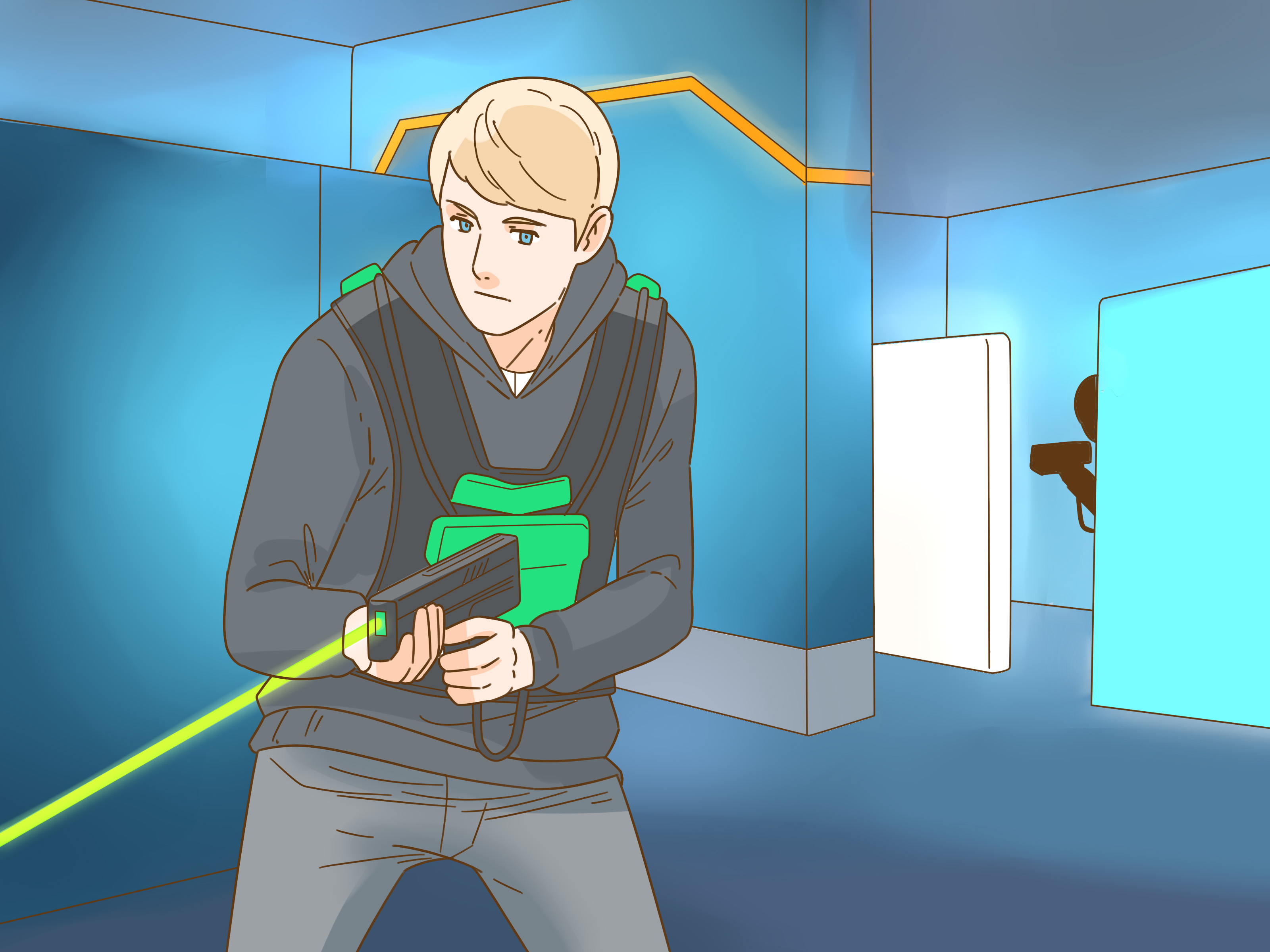
Laser tag looks simple from the outside: put on the vest, grab the blaster, run into the neon maze, and start tagging everything that moves. Then the game begins, your best friend disappears behind a glowing wall, a seven-year-old with elite ninja energy tags you three times, and suddenly you realize this is not just “hide-and-seek with lights.” Laser tag is a fast, funny, surprisingly strategic game where smart movement beats random sprinting, teamwork beats lone-wolf chaos, and calm aim beats panic-firing like your controller has drift.
If you want to learn how to be good at laser tag, the secret is not acting like an action movie hero. It is playing with awareness, using the arena wisely, communicating with your team, protecting your sensors, and choosing when to move, when to hold position, and when to quietly vanish like a responsible ghost in sneakers.
This guide breaks down 15 practical laser tag tips for beginners, casual players, birthday-party warriors, team-building competitors, and anyone who wants to leave the arena with more points and fewer “Wait, who tagged me?” moments.
What Makes Someone Good at Laser Tag?
Good laser tag players understand three things: positioning, timing, and awareness. You do not need to be the fastest person in the arena. In fact, many venues prohibit running for safety reasons, so speed without control can hurt your score and your dignity. The best players move with purpose. They know where cover is, where opponents are likely to pass, and how to help teammates instead of charging into the middle like a glow-in-the-dark snack.
Laser tag rewards patience and quick decisions. You must aim accurately, avoid exposing your sensors, and keep track of the scoreboard objective. Some games focus on individual points. Others include team missions, bases, power-ups, or special targets. Before the round starts, listen carefully to the rules. That briefing is not background music; it is the difference between playing smart and spending ten minutes wondering why your blaster is temporarily disabled.
How to Be Good at Laser Tag: 15 Pro Tips
1. Learn the Arena Layout Before You Get Too Aggressive
The first minute of laser tag should not be pure chaos. Use it to learn the map. Notice the walls, ramps, corners, hiding spots, open lanes, high-traffic paths, and dead ends. Every arena has patterns. Players usually rush toward exciting-looking areas, gather near central zones, and forget about side routes. If you understand the layout early, you can predict where people will appear before they even know they are being predictable.
Take a quick mental snapshot: Where can you retreat? Where are the best angles? Which corners let you see without exposing your whole vest? Map knowledge turns random movement into strategy.
2. Wear Dark, Comfortable Clothing
Laser tag arenas often use black lights, neon paint, and dim lighting. That means bright white or neon clothing can make you stand out like a refrigerator in a nightclub. Dark clothing helps you blend into the environment, especially in indoor arenas.
Comfort matters too. Wear clothes that let you move freely and closed-toe shoes with good grip. This is not the moment for sandals, heels, slippery soles, or jeans so tight they require a business meeting before you can crouch. Dress like someone who plans to move, turn, hide, and celebrate without needing emergency tailoring.
3. Tighten and Understand Your Vest
Your vest is not just an accessory; it is the scoreboard’s favorite gossip source. Most laser tag systems use sensors on the chest, shoulders, back, and sometimes the blaster. If your vest is loose, it may bounce around and make your sensors easier to hit. Adjust it so it fits securely but comfortably.
Before the match starts, learn where your sensors are. Once you know what your opponents are aiming at, you can angle your body more intelligently. Turning slightly sideways near cover can reduce your visible target area. Just do not cover sensors with your hands or clothing, because that usually breaks venue rules and turns a fun game into an awkward staff conversation.
4. Move Smart, Not Wild
Standing still makes you an easy target. Moving nonstop without a plan makes you a tired target. The sweet spot is controlled movement. Shift from cover to cover. Change positions after tagging someone. Use short bursts of movement instead of wandering in the open.
Many beginners sprint toward noise and flashing lights because it feels exciting. Experienced players often do the opposite. They move when the path is clear, stop where they have cover, and avoid crossing open spaces unless there is a reason. Think of yourself as a chess piece with sneakers: every move should improve your position.
5. Use Cover Like It Owes You Money
Walls, barriers, pillars, ramps, and corners are your best friends. Use them to block your sensors, break your opponent’s line of sight, and create better angles. Instead of stepping fully into an open lane, peek from the edge, take your shot, and move.
Cover also helps you recover mentally. Laser tag can feel loud and disorienting, especially when lights flash and people appear from nowhere. A good covered position gives you a second to breathe, check the field, and decide what to do next. Just avoid camping in one spot for too long. Once opponents figure out where you are, your hiding place becomes a delivery address.
6. Aim With Purpose
Random firing feels powerful, but accuracy usually wins more points. Aim for visible sensors, especially the chest or blaster sensor if the system uses one. Keep both hands steady if the arena rules require or recommend it. Instead of whipping the blaster around wildly, pause just long enough to line up the shot.
Good aim is not only about hand-eye coordination. It is also about patience. Wait for opponents to expose themselves. Let them step into your line of sight. If your system has a cooldown, reload delay, or limited firing rhythm, spraying shots everywhere can leave you helpless at exactly the wrong time.
7. Do Not Chase Every Opponent
Chasing feels heroic, but it often ruins your positioning. When you chase one player through the arena, you may expose your back sensors, abandon your teammates, and run straight into their team. Congratulations, you have become a glowing side quest.
Instead of chasing, control important areas. Hold a strong position, protect a route, or support your teammates. If an opponent retreats, ask whether following them helps your objective. Sometimes the smartest move is to let them go and tag the next player who enters your zone.
8. Communicate With Your Team
Team laser tag is much easier when players talk. Use simple callouts: “left side,” “two near the ramp,” “base open,” “watch behind,” or “I’m moving right.” You do not need a dramatic command voice. You just need useful information.
Before the match, choose a basic plan. Two players can hold the middle, one can watch the flank, and one can rotate. If you have younger players or beginners on your team, give them easy jobs like guarding a lane or following a partner. A simple plan beats five people sprinting in five directions like confused shopping carts.
9. Watch Your Back
Many laser tag points come from surprise tags. Players get focused on one target and forget the rest of the arena exists. This is called tunnel vision, and it is how your best friend casually tags your back while you are locked in a heroic duel with a cardboard-looking wall.
Build a habit of checking behind and beside you. Every few seconds, scan your surroundings. Listen for footsteps, laughter, blaster sounds, or teammates calling out. If you tag someone, move or turn quickly, because their teammate may already be lining up a shot.
10. Use Angles Instead of Standing in the Open
The open center of the arena is usually where dreams go to get tagged. Whenever possible, fight from angles. Stand near corners, partial walls, or diagonal barriers. This lets you see opponents while showing less of your own sensors.
Angles are especially useful when defending a zone. If you position yourself slightly off to the side of a common pathway, opponents may enter your view before they notice you. You are not hiding forever; you are choosing a smarter place to be seen from.
11. Change Positions After You Score
After you tag an opponent, do not celebrate in the same spot for too long. They now know where you are. Their teammates may know too. Move a few steps, switch sides of the barrier, or rotate to a new angle.
This small habit makes you much harder to track. It also prevents revenge tags, which are emotionally satisfying for your opponent and very bad for your scoreboard. Tag, shift, scan, repeat. That rhythm is simple, effective, and much cooler than standing still while blinking triumphantly.
12. Pace Your Energy
Laser tag rounds are short, but they can feel surprisingly intense. If you spend all your energy in the first two minutes, the final stretch becomes a slow-motion documentary called “Person Regrets Cardio Choices.”
Move in bursts, breathe when you are behind cover, and avoid unnecessary laps around the arena. You want to be alert at the end, when other players are tired and making mistakes. Smart pacing helps your aim, decisions, and reaction time stay sharp.
13. Know the Game Mode
Not every laser tag match is the same. Some games reward individual tags. Others include team bases, special zones, bonus targets, power-ups, or mission objectives. A player who only hunts opponents may lose to a team that quietly completes objectives.
Ask yourself: What actually earns points? Should you defend, attack, escort, capture, or survive? If the goal is to protect your base, running across the map for random tags may hurt your team. If the goal is high score, positioning near active traffic lanes may matter more. The best laser tag strategy changes with the rules.
14. Play Fair and Follow Safety Rules
Good laser tag players follow the rules. Most arenas ban running, climbing, crawling, physical contact, blocking sensors, rough behavior, and unsafe footwear. These rules exist because the arena is dark, full of obstacles, and occupied by excited humans who may temporarily forget they have knees.
Playing safely does not make you less competitive. It makes the game better for everyone. You can still be sneaky, strategic, and hard to tag without crashing into people or treating the arena like a stunt audition. Respect staff instructions, keep your blaster under control, and remember that the goal is fun, not a medical bill.
15. Review What Worked After Each Round
If you play multiple rounds, improve between games. Think about where you got tagged, where you scored points, and which areas of the arena felt useful. Did your team communicate? Did you get caught in open lanes? Did one opponent keep using the same route?
Small adjustments create big improvements. Maybe you need to hold cover longer. Maybe you should stop chasing. Maybe your team needs someone watching the left side. Treat each round like practice, and you will get better faster than players who simply blame “the vest,” “the lighting,” or “that tiny kid who was definitely trained by spies.”
Common Laser Tag Mistakes to Avoid
Running Into the Middle
The middle of the arena often gives opponents several angles on you. Unless the game objective requires it, avoid standing in central open spaces for too long.
Ignoring Teammates
Solo play can work for a few points, but coordinated teams usually control more space. Support teammates, share information, and avoid blocking each other’s shots.
Firing Without Aiming
Panic-firing may look dramatic, but it often wastes time. A calm, accurate shot is better than ten flashy misses.
Staying in One Hiding Spot
A good hiding spot becomes less useful once opponents know about it. Rotate positions to stay unpredictable.
Forgetting the Objective
Do not play every match the same way. Winning may require defending, capturing, supporting, or controlling zones, depending on the rules.
Best Laser Tag Strategy for Beginners
If you are new, keep your first strategy simple: stay near cover, move with a teammate, avoid open spaces, and aim carefully. Do not worry about being the top scorer immediately. Focus on learning the arena and staying aware. Once you understand where people move, the game slows down mentally, even when the arena feels fast.
A beginner-friendly plan is to patrol one side of the arena instead of crossing everywhere. Pick a lane with decent cover and watch for opponents moving through. After each tag, shift position. This gives you structure without requiring advanced coordination.
Advanced Laser Tag Tips for Competitive Players
Once you are comfortable, start thinking about timing and pressure. Good players create problems for opponents. They distract from one side while a teammate moves from another. They hold strong angles and force opponents into bad routes. They notice when the other team is overcommitting and take advantage of the open space left behind.
Advanced play is less about being flashy and more about being annoying in the most strategic way possible. Make opponents turn around. Make them guess where you moved. Make them waste shots. Make them feel like the arena itself has developed opinions.
of Real-World Laser Tag Experience and Practical Lessons
The first thing most people learn in laser tag is that confidence lasts approximately four seconds. You walk in feeling like a champion, the countdown begins, and suddenly every glowing wall looks suspicious. The funniest part is that beginners often make the same mistake: they rush forward, see an opponent, freeze in the open, and get tagged from the side by someone they never noticed. It is not because they are bad. It is because laser tag rewards awareness more than bravery.
One of the best practical experiences is playing with a mixed group: a few competitive friends, a couple of first-timers, and one person who insists they are “just here for fun” before becoming strangely intense. In that kind of game, teamwork quickly becomes the difference-maker. The group that talks, even casually, usually performs better. Simple phrases like “behind you,” “left corner,” and “move together” prevent chaos. The quiet team often becomes a collection of solo players, and solo players are easy to isolate.
Another lesson comes from watching younger players. Kids are often excellent at laser tag because they move unpredictably, use low cover naturally, and do not overthink the game. Adults sometimes enter with big strategy plans and then get tagged by someone half their height who has mastered the ancient art of appearing from nowhere. The lesson is useful: stay flexible. Do not become so committed to one plan that you ignore what is happening around you.
Comfort also matters more than people expect. After one round in bad shoes, you understand why sneakers are the unofficial uniform of victory. Laser tag involves turning, stopping, shifting sideways, and moving through dim spaces. If your footwear is uncomfortable, your movement becomes cautious in the wrong way. You want controlled movement, not “I hope my shoe stays attached” movement.
The biggest improvement usually happens when players stop treating cover as a hiding place and start treating it as a tool. Hiding forever limits your points. Standing in the open gives points to everyone else. The balance is to use cover as a temporary base: peek, tag, move, scan, reset. Once you learn that rhythm, you become harder to hit and more useful to your team.
Finally, laser tag is more fun when you do not take every tag personally. You will get hit. You will miss shots. You will accidentally reveal your position at the worst possible time. You may even be defeated by someone wearing light-up shoes, which is both embarrassing and thematically appropriate. Laugh, adjust, and play the next round smarter. The best laser tag players are competitive, but they are also relaxed enough to learn. That combination makes you better, keeps the game friendly, and ensures everyone wants a rematch.
Conclusion: Win Smarter, Not Louder
Learning how to be good at laser tag is not about charging into the arena like a neon superhero. It is about using your brain while everyone else is busy panicking under black lights. Wear the right clothes, understand your gear, learn the arena, move with purpose, use cover, communicate with your team, and keep your awareness wide. The more you practice, the more you will notice patterns: where players gather, which routes are risky, and when to attack or defend.
Most of all, remember that laser tag is supposed to be fun. Play fair, follow the arena rules, encourage your teammates, and enjoy the ridiculous joy of outsmarting your friends in a glowing maze. Victory is great. Victory with laughter is better.