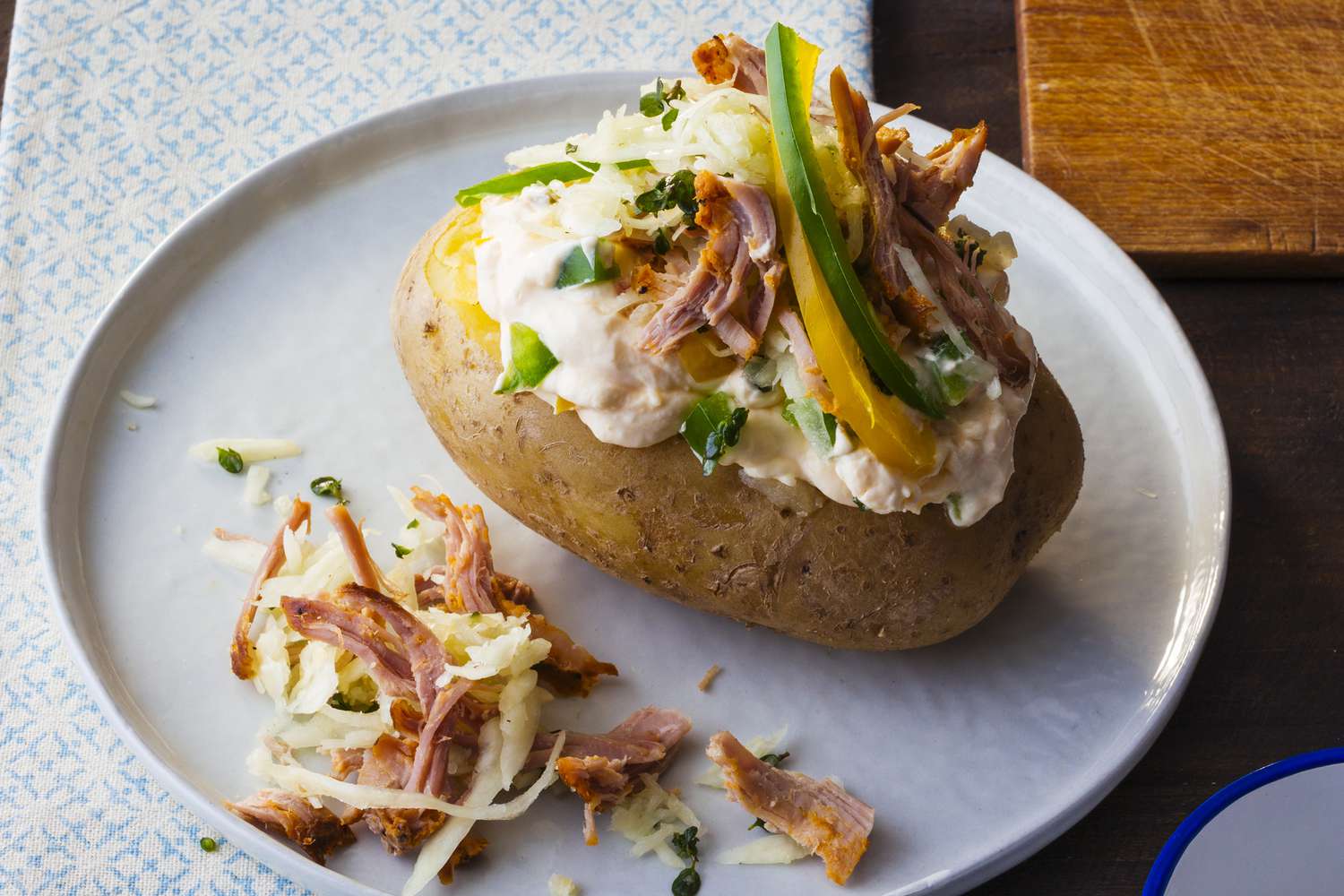
A perfectly baked potato is proof that humble food can still have main-character energy. One minute it is a dusty little spud sitting in a pantry basket, and the next it is a steaming, fluffy, buttery masterpiece wearing a crisp jacket of salty skin. Not bad for something that costs less than a fancy coffee.
But here is the delicious catch: “baked potato” does not mean one single method anymore. You can bake a potato in the oven for classic restaurant-style results, cook it in the air fryer for crisp skin in less time, microwave it when dinner is already giving you side-eye, or use a grill, toaster oven, or pressure cooker depending on your mood and equipment.
This guide breaks down how to bake a potato in the oven, air fryer, microwave, and more, with practical timing, doneness cues, topping ideas, storage tips, and real-world kitchen experience. The goal is simple: crispy skin, fluffy interior, no sad, undercooked center, and absolutely no potato drama.
Best Potatoes for Baking
For the classic baked potato experience, choose russet potatoes. Russets are high in starch and lower in moisture than waxy potatoes, which helps create that light, dry, fluffy interior people dream about when they hear the words “loaded baked potato.” Their thick skins also crisp beautifully when rubbed with oil and salt.
Yukon Gold potatoes can be baked too, but they produce a creamier, denser texture. Red potatoes and fingerlings are better for roasting, boiling, or smashing than for the traditional steakhouse-style baked potato. Sweet potatoes follow similar methods, but their sugars caramelize differently, so they may cook faster and release more moisture.
What Size Potato Works Best?
Medium russet potatoes, usually around 8 to 12 ounces each, are ideal. Very large potatoes can take much longer to cook and may be done on the outside before the center is fully tender. If you are cooking several potatoes at once, choose potatoes that are close in size so they finish together. Potato harmony matters. Nobody wants one potato ready for Broadway while another is still rehearsing.
How to Prepare a Potato Before Baking
No matter which cooking method you choose, the prep steps are nearly the same. Good preparation is the difference between “wow, this is perfect” and “why is this potato sweating?”
Step 1: Scrub the Potato Well
Potatoes grow underground, which is charming in a rustic way but also means they need a thorough wash. Scrub each potato under cool running water to remove dirt. Avoid using soap. Potatoes are not dinner plates, and they do not need bubbles.
Step 2: Dry Completely
Dry the potatoes with a clean towel. This step is more important than it sounds. Moisture on the skin encourages steaming, while dry skin helps oil cling and crisp up during cooking.
Step 3: Pierce the Skin
Use a fork to poke each potato several times. These small holes allow steam to escape while the potato cooks. Potato explosions are rare, but they are memorable in the least fun way, especially when you are scraping potato confetti off the oven wall.
Step 4: Oil and Salt the Skin
For crisp, flavorful skin, rub each potato with a thin layer of olive oil, avocado oil, or another cooking oil. Sprinkle generously with kosher salt or coarse sea salt. If you want extra flavor, add black pepper, garlic powder, smoked paprika, or dried herbs.
How to Bake a Potato in the Oven
The oven is the gold-standard method for a classic baked potato. It takes longer than the microwave or air fryer, but it gives the best balance of crisp skin and fluffy flesh.
Oven Method: Classic Crispy-Skin Baked Potato
- Preheat the oven to 400°F or 425°F.
- Scrub, dry, and pierce each russet potato.
- Rub lightly with oil and season with salt.
- Place potatoes directly on the oven rack or on a baking sheet.
- Bake for 50 to 70 minutes, depending on size.
- Check for doneness by inserting a fork, knife, or thermometer into the center.
- Slice open immediately, fluff with a fork, and add toppings.
At 400°F, most medium potatoes take about 60 minutes. At 425°F, they may finish closer to 50 to 60 minutes, with slightly crispier skin. If you prefer softer skin, use 375°F and bake longer. For the fluffiest result, the center of the potato should be very tender, usually around 205°F to 212°F internally.
Should You Wrap Baked Potatoes in Foil?
For crisp skin, do not wrap potatoes in foil before baking. Foil traps moisture and steams the potato, which makes the skin softer and less crisp. If you love soft skin, foil can help, but it will not produce that crackly, salty potato jacket.
There is also a food-safety reason to be careful with foil. If baked potatoes are wrapped in foil and then left at room temperature too long, the low-oxygen environment can create conditions where harmful bacteria may grow. If you use foil, remove it before refrigerating leftovers and chill the potatoes promptly.
How to Bake a Potato in the Air Fryer
The air fryer is a baked potato superhero for busy nights. It acts like a compact convection oven, circulating hot air around the potato to crisp the skin while cooking the center. It is especially useful when you want one to four potatoes and do not want to heat the whole kitchen.
Air Fryer Baked Potato Method
- Preheat the air fryer to 400°F, if your model recommends preheating.
- Scrub, dry, and pierce the potatoes.
- Rub with oil and season with salt.
- Place potatoes in a single layer in the basket.
- Air fry for 35 to 45 minutes, flipping halfway through.
- Cook until the skin is crisp and the inside is fork-tender.
Small potatoes may finish in about 30 to 35 minutes. Large russets can take 45 to 50 minutes. Avoid overcrowding the basket because air needs room to circulate. If the potatoes are packed together like commuters on a Monday morning train, they will cook unevenly.
Air Fryer Tips for Better Texture
Use just enough oil to lightly coat the skin. Too much oil can make the potato greasy rather than crisp. Shake or turn the potatoes halfway through cooking so all sides get a chance to crisp. If your air fryer runs hot, check the potatoes early to prevent overly tough skins.
How to Bake a Potato in the Microwave
The microwave is the fastest way to cook a potato. Will the skin be as crispy as an oven-baked potato? No. Will it save dinner when everyone is hungry and the oven method feels like a lifetime commitment? Absolutely.
Microwave Baked Potato Method
- Scrub and dry the potato.
- Pierce it several times with a fork.
- Place it on a microwave-safe plate.
- Microwave on high for 5 minutes.
- Flip the potato and microwave for another 3 to 5 minutes.
- Let it rest for 2 minutes before slicing.
One medium potato usually takes 8 to 10 minutes total. Two potatoes may take 10 to 14 minutes. Cooking time depends on potato size and microwave wattage. The potato is done when it gives slightly when squeezed with a towel or oven mitt and a fork slides in easily.
How to Make a Microwave Potato Crispier
For a better finish, use a hybrid method. Microwave the potato until almost tender, then rub it with oil and salt and place it in a 425°F oven or 400°F air fryer for 10 to 15 minutes. This shortcut gives you a fluffy center quickly while still improving the skin.
How to Bake a Potato in a Toaster Oven
A toaster oven is perfect for one or two potatoes, especially when you do not want to fire up a full-size oven. The method is almost identical to the regular oven method.
- Preheat the toaster oven to 400°F.
- Scrub, dry, pierce, oil, and salt the potato.
- Place it on the rack or a small baking tray.
- Bake for 45 to 65 minutes, depending on size.
- Turn once if your toaster oven has hot spots.
Because toaster ovens vary widely, start checking at 45 minutes. If the skin is browning too quickly but the inside is not done, reduce the heat slightly and continue baking.
How to Bake a Potato on the Grill
Grilled baked potatoes are excellent for cookouts, steak nights, or anytime your oven is already occupied by something dramatic, like a casserole with opinions.
Grill Method
- Heat the grill to medium-high, around 400°F.
- Prepare potatoes with oil and salt.
- Place them over indirect heat, not directly over flames.
- Close the lid and cook for 45 to 60 minutes.
- Turn occasionally for even cooking.
You can wrap potatoes in foil for grilling if you prefer softer skin, but for crispier skin, place them unwrapped over indirect heat. Keep the lid closed as much as possible so the grill behaves like an outdoor oven.
Can You Make a Baked Potato in an Instant Pot?
Yes, but technically it is more of a steamed potato than a baked potato. The pressure cooker creates a tender interior quickly, but it does not crisp the skin. This method is helpful for meal prep or when you plan to finish the potatoes under a broiler or in an air fryer.
Pressure Cooker Method
- Add 1 cup of water to the pressure cooker insert.
- Place potatoes on a trivet.
- Cook on high pressure for 12 to 18 minutes, depending on size.
- Allow a natural release for about 10 minutes.
- For crisp skin, finish in an air fryer or oven with oil and salt.
This method is not the top choice for classic baked potato texture, but it is convenient when you need tender potatoes fast.
How to Tell When a Baked Potato Is Done
A baked potato is done when the skin looks slightly dry and crisp, the potato gives gently when squeezed with a towel, and a fork or knife slides into the center without resistance. For the most accurate test, use an instant-read thermometer. A fully baked russet usually lands around 205°F to 212°F in the center.
If the potato feels firm in the middle, keep cooking. A half-done baked potato is not charmingly rustic; it is just dinner making you chew your way through disappointment.
Best Baked Potato Toppings
The classic topping lineup is butter, sour cream, chives, shredded cheddar, bacon, salt, and pepper. But baked potatoes are also a blank canvas for bigger meals.
Classic Toppings
- Butter and flaky salt
- Sour cream and chives
- Cheddar cheese and bacon
- Greek yogurt and green onions
- Broccoli and cheese sauce
Meal-Worthy Toppings
- Chili, shredded cheese, and jalapeños
- BBQ chicken and coleslaw
- Black beans, salsa, avocado, and lime
- Roasted vegetables and feta
- Tuna salad or chicken salad
- Garlic mushrooms and Parmesan
For a balanced meal, pair the potato with protein and vegetables. A loaded baked potato can be cozy comfort food, quick lunch, or a budget-friendly dinner that does not taste like a budget-friendly dinner.
Common Baked Potato Mistakes
Using the Wrong Potato
Waxy potatoes can taste good, but they will not create the fluffy texture most people expect from a baked potato. Choose russets for best results.
Skipping the Drying Step
Wet skin steams instead of crisps. Dry the potatoes well after washing.
Overcrowding the Pan or Basket
Potatoes need air circulation. Whether you use the oven or air fryer, leave space between them.
Cutting Too Late
Once the potato is cooked, slice it open soon after removing it from heat. This releases steam and keeps the inside from turning dense.
Forgetting Food Safety
Do not leave baked potatoes sitting out for hours, especially if they are wrapped in foil. Refrigerate leftovers within two hours and remove foil before storing.
How to Store and Reheat Baked Potatoes
Let leftover baked potatoes cool slightly, remove any foil, and refrigerate them in an airtight container. Use within 3 to 4 days for best quality.
To reheat in the oven, bake at 350°F until warmed through, usually 15 to 20 minutes. To reheat in the air fryer, cook at 350°F for about 5 to 10 minutes. The microwave works too, but the skin will soften. For best texture, microwave briefly to warm the center, then crisp in the air fryer.
Quick Cooking Time Chart
| Method | Temperature | Approximate Time | Best For |
|---|---|---|---|
| Oven | 400°F to 425°F | 50 to 70 minutes | Best overall texture |
| Air Fryer | 400°F | 35 to 45 minutes | Crispy skin, faster cooking |
| Microwave | High power | 8 to 12 minutes | Fastest method |
| Toaster Oven | 400°F | 45 to 65 minutes | Small batches |
| Grill | Medium-high indirect heat | 45 to 60 minutes | Cookouts and smoky flavor |
| Pressure Cooker | High pressure | 12 to 18 minutes plus release | Soft interiors, meal prep |
Real-World Experience: What Actually Works Best
After making baked potatoes in just about every practical way, the biggest lesson is this: the “best” method depends on what you value most. If you want the most classic baked potato, use the oven. If you want speed and crisp skin, use the air fryer. If you are hungry enough to consider eating shredded cheese directly from the bag while staring into space, use the microwave first and crisp later.
The oven method feels the most reliable for family dinners. I like 425°F for medium russets because the skin gets crisp without needing complicated tricks. Placing the potatoes directly on the oven rack gives slightly better all-around texture, but a baking sheet is easier and catches any salt or oil. If you use a baking sheet, do not crowd it. Space is crispiness. Crowding is potato traffic.
The air fryer is my favorite for weeknights. One or two potatoes cook beautifully at 400°F, especially if they are not massive. The skin gets noticeably crisp, sometimes even more than the oven. The one catch is that very large potatoes can develop a thick outer layer before the center becomes fully fluffy. For jumbo potatoes, I prefer the oven or a microwave-air fryer combo.
The microwave method gets unfairly judged. No, it will not give steakhouse skin on its own, but it is extremely useful. A medium potato microwaved until tender and then finished in the air fryer for 8 to 12 minutes can taste surprisingly close to a fully baked potato. This is the method I would use for a quick lunch, especially if I planned to add chili, broccoli, cheese, or leftover chicken.
One practical tip: do not be shy with salt on the skin. A baked potato is plain by nature, so the seasoning has to start outside and work its way into every bite. Another tip is to open the potato right away. Slice lengthwise, gently squeeze the ends, and fluff the inside with a fork. Add butter while the potato is still steaming so it melts into the flesh instead of sitting on top like a confused yellow hat.
For serving a group, bake potatoes in the oven and keep toppings in bowls. This turns dinner into a baked potato bar, which sounds casual but somehow makes everyone excited. Set out cheddar, sour cream, green onions, chili, roasted vegetables, bacon bits, salsa, Greek yogurt, and hot sauce. People love customizing food, and baked potatoes are one of the easiest ways to make a simple meal feel fun.
The final experience-based rule is simple: trust texture more than the timer. Potato size, moisture, oven accuracy, and air fryer model all affect cooking time. When the potato gives under gentle pressure and a fork slides through the center without resistance, it is ready. When in doubt, cook a little longer. A slightly overbaked russet is usually still fluffy and delicious, but an underbaked potato tastes like homework.
Conclusion
Learning how to bake a potato in the oven, air fryer, microwave, and other methods gives you a simple kitchen skill that pays off again and again. For the best all-around result, bake russet potatoes unwrapped in a 400°F to 425°F oven until the skin is crisp and the center is fluffy. For speed, the air fryer is excellent. For emergency hunger, the microwave is your loyal, slightly less glamorous friend.
Start with the right potato, scrub and dry it well, pierce the skin, season generously, and cook until truly tender. Then split it open, fluff the inside, and top it like you mean it. Whether you keep it classic with butter and chives or turn it into a full meal with chili, vegetables, or cheese, a great baked potato proves that simple food can still be deeply satisfying.
Note: This article is written in original, web-ready HTML content and synthesizes widely accepted cooking guidance from reputable U.S. culinary and food-safety sources.