Most people treat eye exams like smoke alarm batteries: important, technically on the to-do list, and somehow forgotten until something starts beeping. But your eyes are not just tiny cameras sitting in your face. They are living tissue, blood vessels, nerves, muscles, lenses, pressure systems, and, occasionally, drama queens after eight hours of screen time.
So, how often should you get an eye exam? The honest answer is: it depends on your age, health, symptoms, family history, and whether you wear glasses or contact lenses. A healthy 25-year-old with no vision problems does not always need the same schedule as a 62-year-old with diabetes, glaucoma risk, or a suspicious new floater doing laps across the visual field.
Still, there are practical rules that can help. In general, children need regular vision checks as they grow, adults should not go years and years without an exam, people over 60 need more consistent monitoring, and anyone with diabetes, high blood pressure, eye disease, eye pain, sudden vision changes, or a strong family history of glaucoma should be seen more often. Your eye doctor may adjust the schedule, because eyes are delightfully individuallike fingerprints, but more likely to need drops.
What Is an Eye Exam, Really?
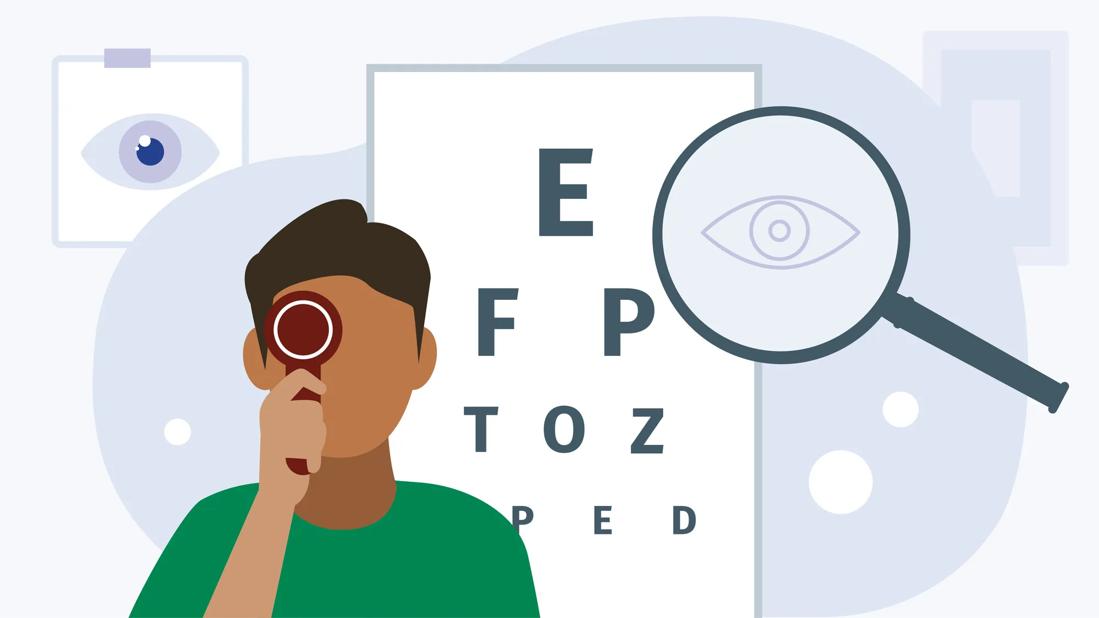
An eye exam is more than reading tiny letters on a wall while quietly guessing whether that is an E, F, or a chair having an identity crisis. A comprehensive eye exam checks how clearly you see, how well your eyes work together, whether you need a prescription, and whether there are early signs of eye disease.
Depending on your age and risk factors, the exam may include visual acuity testing, refraction, eye pressure measurement, pupil response testing, eye movement checks, peripheral vision testing, slit-lamp examination, retinal imaging, and sometimes dilation. During dilation, drops widen the pupils so the eye doctor can look more deeply at the retina, optic nerve, and blood vessels at the back of the eye.
This matters because many serious eye problems can develop quietly. Glaucoma, diabetic retinopathy, age-related macular degeneration, cataracts, retinal disease, and even signs of high blood pressure or diabetes may be spotted during an eye exam before symptoms become obvious. In other words, your eye doctor may see trouble coming before you do.
How Often Should Adults Get an Eye Exam?
For adults, the answer varies slightly depending on which professional guideline you follow. Some optometry guidance recommends annual comprehensive eye exams for adults, even when they do not have symptoms. Ophthalmology guidance often takes a more risk-based approach, recommending less frequent exams for younger, low-risk adults and more frequent exams as age and risk factors increase.
A practical middle-ground approach looks like this:
- Ages 18 to 39: Every 1 to 2 years is a reasonable target for many adults, especially if you wear glasses or contacts, work long hours on screens, have headaches, or have any risk factors. Low-risk adults with no symptoms may be advised by some ophthalmology sources to go longer between exams, but they still should not ignore eye care entirely.
- Ages 40 to 54: Get a baseline comprehensive eye exam around age 40, then usually every 2 to 4 years if you are low risk. Age 40 is when certain eye diseases begin to become more common, even among people who can still read a restaurant menu without using their phone flashlight.
- Ages 55 to 64: Every 1 to 3 years is often recommended for low-risk adults, with more frequent visits if you have symptoms or medical risk factors.
- Ages 65 and older: Every 1 to 2 years is a common recommendation because the risk of cataracts, glaucoma, macular degeneration, and other vision-related conditions rises with age.
If that sounds like a range instead of one simple number, congratulationsyou have discovered medicine. The best schedule is personalized. If your eyes are healthy, your doctor may say you can wait. If something suspicious appears, your calendar may suddenly become very popular with the eye clinic.
Who Needs Eye Exams More Often?
Some people should not rely on the “I can see fine, so I’m fine” method. That method is charmingly optimistic and medically flimsy. You may need annual examsor sometimes more frequent follow-upsif you have:
- Diabetes or prediabetes
- High blood pressure
- A family history of glaucoma, macular degeneration, or inherited eye disease
- Previous eye injury or eye surgery
- Existing eye disease
- Very high nearsightedness or farsightedness
- Contact lens use
- Autoimmune disease or conditions affecting blood vessels
- Use of medications that can affect the eyes
- New or changing symptoms
People with diabetes are usually advised to get a comprehensive dilated eye exam every year because diabetes can damage the small blood vessels in the retina. Diabetic eye disease may not cause symptoms at first, but early detection and treatment can reduce the risk of severe vision loss.
People at higher risk for glaucoma also need regular dilated exams. Higher-risk groups include adults over 60, Black Americans over 40, people with a family history of glaucoma, and some Hispanic or Latino adults, particularly Mexican American adults over 60. Glaucoma can quietly damage the optic nerve, which is exactly as rude as it sounds.
How Often Should Children Get Eye Exams?
Children need eye care because vision is deeply connected to learning, coordination, reading, sports, and development. A child may not say, “Excuse me, my refractive error is interfering with phonics.” They may squint, avoid reading, lose their place, sit too close to screens, complain of headaches, or simply assume everyone sees the board as a soft watercolor painting.
Babies and toddlers
Newborns usually have their eyes checked shortly after birth, including basic checks for eye health and red reflex. During well-child visits, pediatricians continue to look for signs of eye problems, abnormal alignment, or visual concerns. Children with obvious eye issues, developmental delays, family history of childhood eye disease, or parental concerns may need referral to an eye specialist.
Preschool children
The U.S. Preventive Services Task Force recommends vision screening at least once between ages 3 and 5 to detect amblyopia, sometimes called lazy eye, or risk factors for it. Early detection matters because amblyopia is more treatable when caught young.
School-age children and teens
School-age children should continue routine vision screening, often through pediatric visits or school programs. However, a screening is not the same thing as a comprehensive eye exam. If a child fails a screening, complains about vision, has headaches, struggles with reading, squints, covers one eye, has crossed or wandering eyes, or has a medical risk factor, a full exam with an optometrist or ophthalmologist is the next step.
Children who wear glasses or contact lenses generally need annual exams, because prescriptions can change quickly during growth spurts. Teenagers, in particular, can go from “I see fine” to “the whiteboard is now abstract art” with impressive speed.
Do You Need an Eye Exam Every Year?
Many people do benefit from yearly eye exams, especially if they wear contacts, have diabetes, have high blood pressure, have a family history of eye disease, are over 60, or have any symptoms. Annual exams can also be helpful for adults whose prescriptions change frequently or who spend long hours doing visually demanding work.
But not every low-risk adult needs exactly the same schedule. Some healthy adults with no symptoms, no prescription, and no risk factors may be advised to return every two years or at another interval recommended by their eye doctor. The key is not to disappear from eye care for a decade and then act surprised when your eyes file a complaint.
The safest approach is to ask your eye doctor: “Based on my age, health, family history, and exam results, when should I come back?” That answer is more useful than a generic schedule because it is based on your actual eyes, not a spreadsheet’s opinion of your eyes.
Signs You Should Not Wait for Your Next Scheduled Eye Exam
Some symptoms deserve prompt attention. Do not wait months for a routine appointment if you notice:
- Sudden vision loss or decreased vision
- Eye pain
- New flashes of light
- A sudden increase in floaters
- A curtain-like shadow in your vision
- Double vision
- Halos around lights
- Redness with pain or discharge
- Eye injury
- Severe light sensitivity
- Distorted or wavy central vision
Flashes, floaters, and a shadow or curtain can sometimes signal a retinal tear or detachment. Eye pain with redness can point to infection, inflammation, or pressure problems. Sudden vision changes should always be taken seriously. Eyes are not the place to “wait and see”even though seeing is, admittedly, their whole job.
What Happens During a Comprehensive Eye Exam?
A comprehensive eye exam usually starts with your health history. Your eye doctor may ask about medications, diabetes, blood pressure, family history, symptoms, screen habits, headaches, surgeries, injuries, and whether you are slowly becoming the person who owns seven pairs of reading glasses and can find none of them.
Next comes visual acuity testing, where you read letters from a chart. Refraction may follow, using lenses to determine whether glasses or contacts could improve your vision. Eye muscle tests check how well your eyes move and work together. A pupil response test checks how your pupils react to light. A visual field test may assess side vision, especially if glaucoma or neurological issues are a concern.
Tonometry measures eye pressure, which helps screen for glaucoma. The slit-lamp exam allows the doctor to view the front structures of the eye, including the cornea, iris, lens, and sometimes the retina. If your pupils are dilated, the doctor can examine the back of the eye more thoroughly.
After dilation, your vision may be blurry for a few hours and light may feel brighter than usual. Bring sunglasses. If you are very sensitive to dilation or driving feels unsafe afterward, ask someone to drive you home. There is no award for squinting heroically across a parking lot like a vampire at brunch.
Eye Exam vs. Vision Screening: What Is the Difference?
A vision screening is a quick check designed to catch possible problems. It may happen at school, work, a pediatrician’s office, or a health fair. Screenings are useful, but they are not complete exams. They may miss eye diseases, eye pressure problems, retinal issues, or subtle conditions that require specialized tools.
A comprehensive eye exam is performed by an optometrist or ophthalmologist and evaluates both vision and eye health. Think of a screening as a smoke detector and a comprehensive exam as the fire inspector. Both are useful, but they are not doing the same job.
How Often Should Contact Lens Wearers Get an Eye Exam?
If you wear contact lenses, plan on an annual eye exam unless your eye doctor tells you otherwise. Contacts sit directly on the eye, so your provider needs to check the fit, prescription, corneal health, tear film, and whether your lenses are still the best option.
Contact lens wearers are also at higher risk for irritation, dryness, corneal scratches, and infections, especially if they sleep in lenses, swim in lenses, top off old solution, or treat the contact lens case like a tiny science experiment. Annual exams help catch problems before they become painful, expensive, or both.
How Often Should People With Diabetes Get an Eye Exam?
People with diabetes should generally get a comprehensive dilated eye exam every year. Diabetes-related eye disease can develop without early symptoms, and vision may seem normal even when changes are already happening in the retina.
During a diabetic eye exam, the eye doctor looks for diabetic retinopathy, diabetic macular edema, cataracts, glaucoma, and other complications. If your results are normal and your diabetes is well controlled, your doctor may personalize the follow-up schedule. If retinopathy is present, you may need more frequent monitoring or treatment.
Pregnant people with diabetes may need an exam before pregnancy or early in the first trimester and follow-up during pregnancy, depending on the severity of any retinopathy. Diabetes and eyes are a team project, so your eye doctor and primary care clinician should stay in the same group chatmedically speaking.
How Often Should Older Adults Get an Eye Exam?
Older adults should usually have a comprehensive eye exam every 1 to 2 years, and sometimes more often depending on health and eye findings. After age 60, the risk of cataracts, glaucoma, macular degeneration, diabetic eye disease, dry eye, and retinal problems increases.
Regular exams can help preserve independence, driving safety, reading ability, balance, and quality of life. Vision changes can also increase fall risk, make medication labels harder to read, and affect everyday confidence. A good eye exam is not just about sharp vision; it is about keeping life manageable, mobile, and less blurry around the edges.
Practical Eye Exam Schedule by Age and Risk
| Group | Suggested Eye Exam Frequency |
|---|---|
| Infants and toddlers | Eye checks during regular pediatric visits; specialist exam if concerns appear |
| Children ages 3 to 5 | At least one vision screening; full exam if screening is failed or concerns exist |
| School-age children | Routine screenings; annual exams if they wear glasses, contacts, or have risk factors |
| Adults 18 to 39 | Every 1 to 2 years for many adults; longer intervals may be reasonable for low-risk adults if advised |
| Adults 40 to 54 | Baseline exam around 40; usually every 2 to 4 years if low risk |
| Adults 55 to 64 | Usually every 1 to 3 years if low risk |
| Adults 65 and older | Usually every 1 to 2 years |
| People with diabetes | Usually every year, or more often if retinopathy is present |
| People with glaucoma risk | Often every 1 to 2 years or as directed by an eye doctor |
| Contact lens wearers | Usually every year |
Real-Life Experiences: What People Usually Learn From Eye Exams
One of the most common experiences people have with eye exams is realizing how slowly vision changes. It is rarely a dramatic movie scene where the world suddenly becomes blurry and someone drops a coffee mug in slow motion. More often, the change creeps in. Street signs look a little softer at night. Laptop text gets enlarged from 100% to 125%, then 150%, and somehow everyone pretends this is a design preference. A person may blame bad lighting, tiredness, cheap sunglasses, or “these new menus with tiny fonts,” when the real issue is that their prescription changed.
Another common experience is surprise. Many people walk into an eye exam expecting a quick glasses update and walk out with useful information about dry eye, eye pressure, early cataracts, retinal health, or screen-related strain. That does not mean every exam reveals something serious. Most do not. But even a normal result has value. It gives you a baseline. Later, if something changes, your eye doctor has a comparison point instead of having to solve the mystery from scratch like a detective with a slit lamp.
Parents often describe children’s eye exams as eye-opening in the most literal way. A child may be doing poorly in reading, avoiding homework, or complaining that school is boring. Then an exam reveals nearsightedness, farsightedness, focusing issues, or eye teaming problems. Once corrected, the child may suddenly read more comfortably, participate better in class, or stop squinting like a tiny suspicious accountant. Not every learning challenge is vision-related, of course, but vision is a major piece of the puzzle.
Adults who work on computers frequently discover that their eyes are not “broken”they are exhausted. Dryness, burning, blurry near vision, and headaches can come from long screen sessions, reduced blinking, poor ergonomics, old prescriptions, or the early arrival of presbyopia, the age-related focusing change that makes near work harder. Presbyopia has a way of showing up around the 40s with the subtlety of a marching band. An eye exam can help determine whether reading glasses, progressive lenses, computer glasses, contact lens changes, artificial tears, or work-habit adjustments could help.
Older adults often say regular eye exams help them feel more secure. Knowing whether cataracts are progressing, whether eye pressure is stable, or whether the retina looks healthy can reduce worry. It also helps people plan. Cataract surgery, glaucoma monitoring, macular degeneration care, and medication adjustments all work better when problems are caught and followed over time.
The biggest lesson from real-life eye exam experiences is simple: do not wait until your vision is screaming. Quiet changes are still changes. Eye exams are not just for people who cannot see. They are for people who want to keep seeing well for as long as possiblewith fewer surprises, fewer headaches, and fewer arguments with restaurant menus.
Conclusion: So, How Often Should You Get an Eye Exam?
Most adults should think of eye exams as routine preventive care, not emergency maintenance. If you are healthy, young, and low risk, your eye doctor may recommend an exam every one to two years or a personalized schedule. If you are over 40, have a baseline exam and follow the interval your provider recommends. If you are over 60, have diabetes, wear contact lenses, have high blood pressure, have a family history of glaucoma, or notice symptoms, yearly or more frequent exams may be necessary.
The best answer is not “once in a lifetime when your arm gets too short to read texts.” It is: get checked regularly, know your risk factors, and do not ignore new symptoms. Your eyes work hard from the moment you wake up until the moment you finally stop scrolling at night. They deserve a professional check-in before they start sending blurry, flashy, painful reminders.
Note: This article is for general educational purposes and should not replace personalized medical advice. Your ideal eye exam schedule should be confirmed with an optometrist or ophthalmologist based on your health, age, symptoms, medications, and family history.