Garden projects have a funny way of starting small. One minute you are “just going to pull a few weeds,” and the next thing you know, you are standing in the yard with compost on your shoes, three tomato cages under one arm, and the confident expression of someone who has definitely watched half a landscaping video.
The good news? You do not need a mansion-sized backyard, a professional crew, or a shed full of mysterious tools to create a garden that looks beautiful, grows useful plants, supports pollinators, and makes your outdoor space feel alive. The best garden projects are practical, flexible, and forgiving. They help solve real problems such as poor soil, messy corners, water runoff, empty patios, boring fences, and the classic “why does this part of the yard look like a raccoon hosted a meeting here?” situation.
Whether you are planning a weekend garden upgrade, a beginner-friendly DIY garden project, or a full backyard refresh, this guide walks through smart ideas that combine beauty, sustainability, and everyday usefulness. From raised beds and compost bins to native plant gardens, container displays, garden paths, and rain-friendly landscaping, these projects can turn even an ordinary patch of dirt into a space worth bragging about.
Why Garden Projects Are Worth the Effort
A good garden project does more than decorate your yard. It improves how the space functions. Raised beds can make vegetable gardening easier. Mulch can reduce weeds and help soil hold moisture. Compost turns kitchen scraps and yard waste into a valuable soil amendment. Native plants can support bees, butterflies, birds, and other wildlife. Rain gardens can help manage stormwater while adding color and texture to the landscape.
Garden projects also give your home a more personal feel. A patio herb garden says, “Yes, I cook with fresh basil,” even if dinner is sometimes frozen pizza with one heroic basil leaf on top. A small pollinator bed beside the walkway can make the entrance feel warm and intentional. A simple gravel path can make the backyard feel organized instead of accidentally adventurous.
Most importantly, garden projects are scalable. You can start with one container, one raised bed, one compost bin, or one shady corner. The trick is to choose projects that match your space, climate, schedule, and patience level. Gardening should improve your life, not become a leafy part-time job with unpaid overtime.
Begin with the Foundation: Healthy Soil Projects
Every successful garden project begins under the surface. Soil is not just “dirt with better public relations.” It is a living system that holds water, supports roots, stores nutrients, and influences how well plants grow. Before adding expensive plants or decorative features, focus on improving the soil.
Test and Observe Your Soil
Start by noticing how your soil behaves. Does water puddle after rain? Does it dry into something that could double as pottery? Is it sandy and quick-draining? Is it compacted from foot traffic or construction? These clues help you decide what kind of garden project will work best.
For vegetable gardens and major planting areas, a soil test is a smart first step. It can reveal pH levels and nutrient needs so you are not guessing with fertilizer. Guessing in the garden is how people end up with twelve-foot tomato plants and no tomatoes, which is impressive but emotionally confusing.
Add Compost the Sensible Way
Compost is one of the most useful materials for garden projects. It can improve soil structure, help soil retain moisture, and support beneficial microorganisms. Use it in vegetable beds, flower borders, container mixes, and around trees or shrubs. However, more is not always better. A garden bed filled with only compost can create drainage and nutrient problems. Think of compost as a powerful ingredient, not the entire recipe.
For established beds, a thin layer of finished compost worked into the topsoil or spread on the surface can refresh the planting area. For new beds, blend compost with existing soil or a quality planting mix. This gives roots both nutrition and structure.
Raised Garden Beds: The Classic Weekend Upgrade
Raised garden beds are one of the most popular garden projects because they solve several problems at once. They define the growing area, reduce soil compaction, improve drainage in many yards, and make planting easier to manage. They are especially helpful for vegetables, herbs, strawberries, and flowers.
Why Raised Beds Work So Well
A raised bed gives you more control over the growing environment. Instead of fighting poor native soil, you can create a better soil blend for your plants. Raised beds also warm up faster in spring, which can help gardeners get a head start. Because the growing space is contained, it is easier to weed, water, mulch, and rotate crops.
For beginners, one 4-by-8-foot raised bed is often enough. It gives you room for tomatoes, peppers, lettuce, herbs, or flowers without turning your weekend into a farming documentary. Keep the bed narrow enough that you can reach the center from either side without stepping into it. Your plants want loose soil, not surprise footprints.
What to Put in a Raised Bed
A balanced raised bed mix usually includes mineral soil and compost. The exact blend depends on your local conditions, but the goal is simple: soil that drains well, holds moisture, and provides nutrients. Avoid filling the entire bed with uncomposted organic material or pure compost. It may seem like a shortcut, but plants prefer a stable mix where roots can breathe, anchor, and access nutrients evenly.
Add mulch between raised beds to reduce weeds and create clean walking paths. Straw, shredded leaves, wood chips, or other organic materials can work well depending on the project. Mulched paths also make the garden look tidy, which is nice when your plants are going through their awkward teenage phase.
Container Garden Projects for Small Spaces
No yard? No problem. Container gardening is perfect for patios, balconies, porches, decks, front steps, and tiny outdoor corners that deserve more personality. Containers are excellent for herbs, compact vegetables, annual flowers, dwarf shrubs, and even small native plants.
The most important rule is drainage. A container without drainage holes is not a planter; it is a tiny swamp with branding. Choose pots with holes, use a quality potting mix, and match the container size to the plant. Larger containers dry out more slowly and give roots more room, which means less stress for both the plant and the person holding the watering can.
Easy Container Garden Ideas
Try a kitchen herb container with basil, parsley, thyme, and chives. Create a pollinator pot with native flowers suited to your region. Plant a salad bowl with lettuce, arugula, and radishes. Use tall grasses or compact shrubs in large containers to create privacy on a patio.
For visual impact, combine plants with different heights and textures. A tall focal plant, a few rounded fillers, and trailing plants around the edge can make one pot look designed instead of “I bought what was on sale and hoped for the best.”
Mulch Projects That Make the Garden Easier
Mulch is one of the simplest garden upgrades with one of the biggest payoffs. It helps conserve soil moisture, suppress weeds, moderate soil temperature, reduce erosion, and give beds a finished look. In other words, mulch is the garden’s version of putting everything into matching storage bins.
Best Places to Use Mulch
Use mulch around trees, shrubs, perennial beds, vegetable gardens, and walkways. Organic mulches such as shredded leaves, straw, bark, compost, pine needles, and wood chips break down over time and add organic matter to the soil. For vegetable gardens, straw or shredded leaves can help keep soil from splashing onto lower leaves, which may reduce some disease issues.
Avoid piling mulch against tree trunks or plant stems. The famous “mulch volcano” may look dramatic, but it can trap moisture and encourage problems. Keep mulch a few inches away from trunks and crowns. Your plants want a blanket, not a turtleneck.
Pollinator Gardens: Small Project, Big Impact
A pollinator garden is one of the most rewarding garden projects because it brings movement, color, and life into the yard. Bees, butterflies, moths, hummingbirds, and other pollinators rely on flowering plants for nectar and pollen. By planting a variety of blooms, especially native plants, you can support local ecosystems while making your garden more beautiful.
How to Design a Pollinator-Friendly Garden
Choose flowers that bloom at different times of year so pollinators have food from spring through fall. Plant in groups rather than scattering one plant here and one plant there. A cluster of flowers is easier for pollinators to find and creates a stronger visual statement.
Native plants are especially valuable because they evolved with local wildlife. They can provide food and habitat for pollinators and birds, and many are well adapted to regional conditions once established. Good choices vary by location, so look for native plant lists from your state extension service or local conservation organizations.
Make It Beautiful and Practical
A pollinator garden does not have to look wild or messy. Use curved edges, stepping stones, low borders, or repeated plant groups to create structure. Mix flowering perennials with native grasses and small shrubs. Add a simple sign or decorative stake if you want the garden to look intentional. Otherwise, a neighbor may assume you lost a battle with the lawn mower.
Rain Garden Projects for Smarter Water Management
A rain garden is a shallow planted area designed to collect and absorb stormwater runoff from roofs, driveways, patios, or lawns. Instead of letting water rush across the yard and into storm drains, a rain garden gives it a place to soak into the soil. It can reduce puddling, filter runoff, and support native plants.
Rain gardens are especially useful in low areas where water naturally collects, but they need to be placed carefully. They should not be installed too close to a foundation or septic system. The soil must drain well enough that water does not stand for long periods. A rain garden is not a pond wearing flowers.
Plants for Rain Gardens
Rain garden plants must handle both wet and dry conditions. The bottom of the garden may stay wetter after storms, while the edges may dry faster. Native sedges, rushes, grasses, flowering perennials, and moisture-tolerant shrubs can work well, depending on your region.
Mulch is often used in rain gardens to protect soil, reduce weeds, and help the area look finished while plants establish. Once mature, the plants should fill in and create a resilient, low-maintenance feature.
Compost Bin Projects: Turn Scraps into Garden Gold
A compost bin is one of the most practical DIY garden projects because it turns leaves, grass clippings, plant trimmings, and certain kitchen scraps into a useful soil amendment. It also keeps organic material out of the trash and gives gardeners a satisfying excuse to say, “That banana peel is part of my soil strategy.”
Simple Composting Basics
A good compost pile needs a balance of “greens” and “browns.” Greens include fresh grass clippings, fruit and vegetable scraps, and coffee grounds. Browns include dry leaves, shredded paper, small twigs, and straw. The pile also needs air and moisture. Turn it occasionally and keep it damp like a wrung-out sponge.
Avoid adding meat, dairy, greasy foods, pet waste, or diseased plants to a home compost pile. These can create odors, attract pests, or spread problems. Finished compost should look dark, crumbly, and earthy. If it still looks like last month’s salad, give it more time.
Garden Path Projects That Add Structure
Garden paths make outdoor spaces feel organized. They guide movement, protect planting beds from foot traffic, and create a sense of design. A path can be as simple as mulch laid over cardboard or as polished as stone pavers set into gravel.
Easy Path Materials
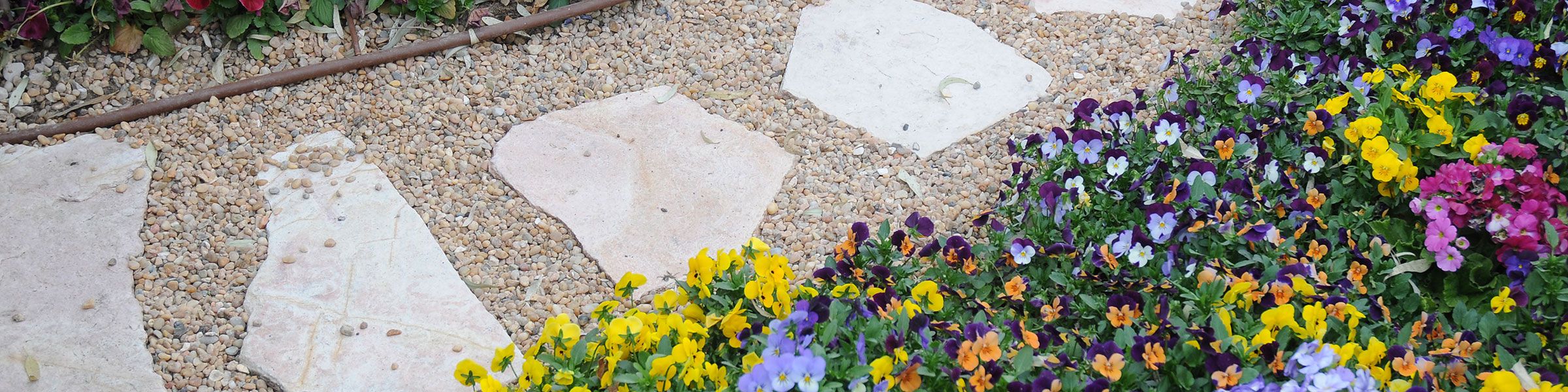
Wood chips are affordable and natural-looking. Gravel drains well and works nicely in formal or cottage-style gardens. Stepping stones are useful when you want a path without covering a large area. Brick or pavers create a more permanent look, especially near patios, gates, and entrances.
Before installing a path, think about where people naturally walk. The best garden path follows real movement. If you build a path somewhere inconvenient, people will ignore it and create a dirt shortcut with the confidence of ancient trail builders.
Vertical Garden Projects for Fences and Walls
Vertical gardening helps you grow more in less space. It is ideal for small yards, patios, balconies, and narrow side yards. Trellises, wall planters, hanging baskets, and arbors can support climbing plants or display flowers and herbs.
Use trellises for beans, peas, cucumbers, climbing roses, clematis, or flowering vines suited to your climate. Wall-mounted planters can hold herbs or compact annuals. Hanging baskets add color at eye level and soften hard surfaces.
Think About Weight and Water
Vertical projects need secure support. Wet soil is heavy, and plants get heavier as they grow. Make sure fences, walls, hooks, or frames can handle the load. Also remember that vertical containers dry out faster than in-ground beds, so watering may need to be more frequent.
Edible Garden Projects for Everyday Use
An edible garden project can be beautiful and useful at the same time. You can grow vegetables, herbs, berries, edible flowers, and fruiting shrubs in raised beds, containers, borders, or mixed landscapes.
Start with crops you actually eat. There is no prize for growing eggplant if everyone in your house treats eggplant like a suspicious purple weather balloon. Herbs are excellent beginner crops because they are compact, flavorful, and expensive at the grocery store. Lettuce, cherry tomatoes, peppers, bush beans, radishes, and strawberries are also friendly choices for many home gardens.
Mix Edibles with Ornamentals
Edible landscaping blends food plants with flowers and shrubs. Purple basil, rainbow chard, nasturtiums, compact peppers, and strawberries can look beautiful in borders or containers. This approach is perfect when you want your garden to be productive without looking like a tiny farm moved into the front yard.
Low-Maintenance Garden Projects for Busy People
If your schedule is packed, choose garden projects that reduce future work. Mulched beds, native plants, drip irrigation, groundcovers, perennial herbs, and slow-growing shrubs can make the garden easier to maintain. The goal is to create a landscape that does not panic every time you forget to water for one afternoon.
Group plants by water needs. Put thirsty plants together and drought-tolerant plants together. This makes watering more efficient and helps prevent overwatering or underwatering. Choose the right plant for the right place: sun-loving plants in sun, shade plants in shade, moisture-loving plants where soil stays damp, and dry-loving plants where drainage is sharp.
Seasonal Garden Projects to Keep Things Fresh
Garden projects can follow the seasons. In spring, build raised beds, refresh mulch, plant cool-season vegetables, and divide perennials. In summer, add trellises, install drip irrigation, start a container herb garden, and maintain pollinator beds. In fall, plant trees and shrubs, collect leaves for mulch or compost, and prepare beds for next year. In winter, plan layouts, clean tools, build simple structures, and start seeds indoors where appropriate.
Seasonal planning prevents overwhelm. Instead of trying to transform the entire yard in one heroic weekend, break the work into manageable projects. Your back will thank you. Your wallet may also send a polite note.
Common Garden Project Mistakes to Avoid
The first mistake is starting too big. A giant garden sounds exciting until July arrives with weeds, heat, and a watering can that suddenly feels like gym equipment. Begin with one or two projects and expand after you learn what works.
The second mistake is ignoring sunlight. Most vegetables and many flowering plants need plenty of direct sun. Shade gardens can be gorgeous, but they require shade-tolerant plants. Always match the project to the light conditions.
The third mistake is forgetting maintenance. Every garden project needs some care. Paths need edging, containers need watering, raised beds need compost, and pollinator gardens need occasional cleanup. Choose projects that match your time and energy, not your fantasy gardening personality who wakes up at 5 a.m. joyfully deadheading flowers.
Personal Experience: What Garden Projects Teach You
One of the best things about garden projects is that they teach patience without making a big speech about it. A garden does not care how excited you are. Seeds still take time. Compost still breaks down on its own schedule. A new perennial bed may look a little awkward the first season, better the second, and fantastic the third. Gardening is basically a slow-motion makeover show where the plants refuse to respect your preferred timeline.
The first garden project many people try is a small container or raised bed. At the beginning, everything feels important: the perfect soil mix, the perfect plant spacing, the perfect watering routine. Then reality arrives. One basil plant becomes dramatic in the heat. A tomato leans sideways like it heard shocking news. Lettuce bolts. A squirrel investigates your work with the confidence of a building inspector. These little setbacks are not failures; they are the normal tuition fees of gardening.
Over time, you start noticing patterns. You learn which part of the yard gets morning sun and which part becomes a frying pan in August. You learn that mulch is not optional if you dislike weeding. You learn that planting five zucchini plants for a two-person household may result in a neighborhood-wide vegetable distribution campaign. You learn that native flowers can bring in more bees and butterflies than expected, and suddenly the garden feels less like decoration and more like a tiny ecosystem.
Garden projects also change how you see waste. Leaves stop looking like a chore and start looking like free mulch. Kitchen scraps become compost ingredients. Cardboard becomes a weed-smothering layer under a new bed. Fallen branches can become rustic edging or habitat piles. Once you begin gardening, the phrase “throw that away” becomes suspiciously complicated.
Another lesson is that beauty does not always come from perfection. Some of the most charming gardens have crooked paths, mixed containers, self-seeded flowers, and a few plants that clearly made their own career decisions. A garden should feel alive, not staged like a furniture showroom. The best outdoor spaces usually have structure, but they also leave room for surprise.
Practical experience also teaches that small projects can have a big emotional payoff. A few pots of herbs near the kitchen door can make cooking feel fresher. A bench beside a flower bed can turn an unused corner into a favorite morning spot. A simple pollinator patch can make a plain fence line feel cheerful. Even a compost bin, which is not exactly glamorous, can create the satisfying feeling that your yard is becoming more self-sufficient.
The real secret is to keep experimenting. Try one new project each season. Build a raised bed this spring. Add a rain barrel or rain garden later. Replace a patch of lawn with native flowers. Create a gravel path. Start a compost system. Grow herbs in containers. Some projects will work beautifully. Others will need adjusting. That is not a problem; that is gardening doing what gardening does best: teaching you through dirt, weather, and the occasional plant that refuses to read the instructions.
In the end, garden projects are not just about creating a prettier yard. They are about building a relationship with your outdoor space. You begin to understand the light, the soil, the seasons, the insects, the birds, and the rhythm of growth. And somewhere along the way, while carrying mulch or celebrating your first ripe tomato, you realize the garden has been working on you too.
Conclusion
Garden projects are one of the most satisfying ways to improve your home, support the environment, and create an outdoor space that feels useful and personal. You can start small with containers, herbs, mulch, or a single pollinator bed. You can go bigger with raised beds, rain gardens, compost systems, paths, trellises, and edible landscaping. The best approach is to choose projects that solve real problems, match your local conditions, and fit your lifestyle.
You do not need perfection. You need curiosity, a workable plan, and maybe a pair of gloves you are willing to lose at least twice. Build the garden one project at a time, and your yard will slowly become healthier, more beautiful, and much more interesting than a plain patch of grass.