Note: In everyday language, “shrinking your stomach” usually means reducing belly fat, trimming your waistline, improving digestion, and feeling satisfied with smaller portions. Your actual stomach is an elastic organ, not a gym sock in a hot dryer. This guide focuses on safe, realistic diet and exercise habits that help your midsection look and feel healthier over time.
Can You Really Shrink Your Stomach?
Let’s clear up the biggest myth before your abs file a complaint. You cannot do 300 crunches, glare at your belly in the mirror, and command fat to leave that exact location. The body loses fat systemically, meaning your genetics, hormones, sleep, stress, age, and overall calorie balance decide where fat comes off first. Annoying? Absolutely. True? Also yes.
What you can do is reduce total body fat, especially visceral fatthe deeper abdominal fat stored around internal organs. This type of fat is linked with higher risks of heart disease, type 2 diabetes, fatty liver disease, and metabolic problems. The good news is that visceral fat often responds well to consistent lifestyle changes, including a balanced eating pattern, regular movement, strength training, better sleep, and less alcohol.
So, when people ask how to shrink your stomach, the better question is: how do you build habits that reduce abdominal fat, improve fullness, prevent bloating, and make your waistline healthier? That is where diet and exercise stop being punishment and start becoming strategy.
The Real Formula: Calorie Deficit Without Chaos
Fat loss happens when your body uses more energy than you consume over time. This is called a calorie deficit. It sounds simple, but humans are not calculators with shoes. Hunger, emotions, convenience foods, busy schedules, poor sleep, and “just one more bite” all get involved like uninvited guests at a barbecue.
The goal is not to starve yourself. Extreme diets may cause rapid weight loss at first, but they often backfire by increasing cravings, reducing energy, and making normal life feel like a hostage negotiation with lettuce. A smarter approach is to create a moderate calorie deficit with satisfying meals, protein, fiber, water, and consistent activity.
A Safe Weekly Target
For many adults, losing about 1 to 2 pounds per week is considered a realistic pace. Some people may lose faster at the beginning because of water weight, especially if they reduce refined carbohydrates, sodium, or ultra-processed foods. But long-term success comes from habits you can repeat after motivation has gone on vacation.
Diet Guide: What to Eat to Shrink Your Waistline
1. Build Every Meal Around Protein
Protein helps preserve lean muscle while you lose fat, supports fullness, and makes meals more satisfying. A stomach that feels satisfied is much less likely to start a dramatic monologue at 10 p.m. Good protein choices include eggs, Greek yogurt, chicken, turkey, fish, tofu, tempeh, beans, lentils, cottage cheese, lean beef, and protein-rich smoothies made with simple ingredients.
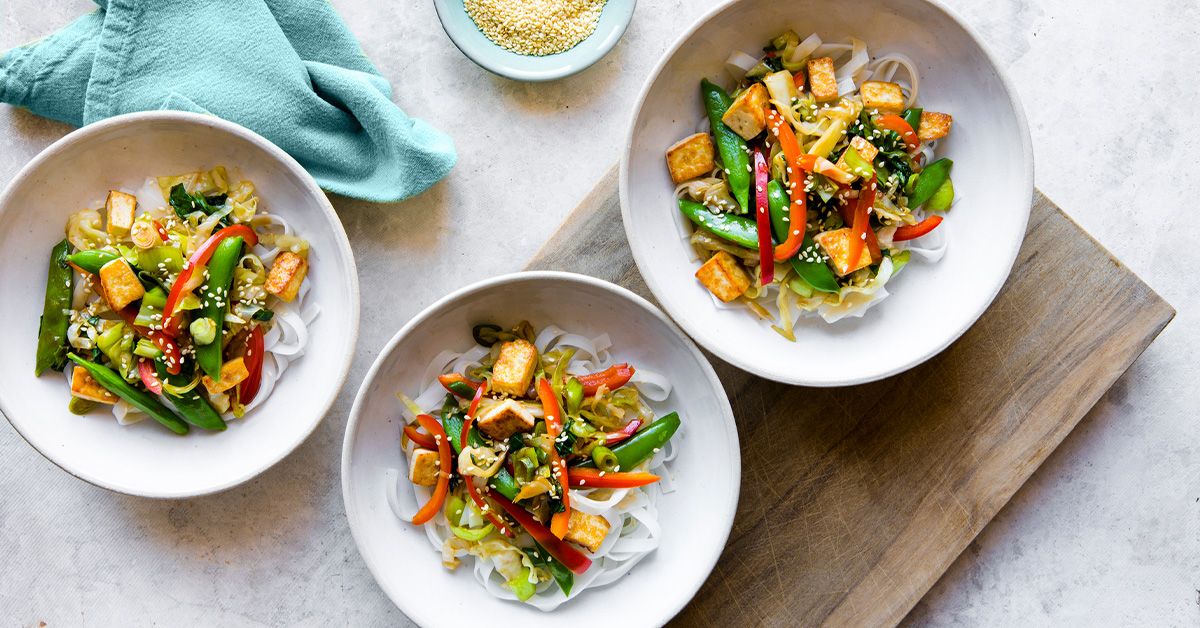
A practical plate might include grilled salmon, roasted vegetables, and brown rice. Another could be scrambled eggs with spinach and whole-grain toast. For plant-based eaters, lentil soup with a side salad and avocado is filling without feeling like “diet food from a sad brochure.”
2. Eat More Fiber, Especially From Whole Foods
Fiber slows digestion, supports gut health, and helps you feel full longer. It is also one of the most underrated tools for reducing overeating. Great sources include berries, apples, oats, beans, lentils, chickpeas, chia seeds, vegetables, popcorn, quinoa, and whole-grain bread.
Increase fiber gradually. Going from zero vegetables to “I am now a broccoli influencer” overnight may cause bloating, gas, and regret. Add one fiber-rich food at a time and drink enough water to help your digestive system adjust.
3. Use the Half-Plate Method
A simple way to control portions without counting every crumb is the half-plate method. Fill half your plate with vegetables or fruit, one-quarter with lean protein, and one-quarter with whole grains or starchy vegetables. Add a small portion of healthy fat, such as olive oil, nuts, seeds, avocado, or fatty fish.
This method works because it gives your plate volume, nutrients, and structure. You are not eating tiny portions from a plate the size of a coaster. You are eating real food in a balanced way that helps reduce calories naturally.
4. Reduce Liquid Calories
Sugary drinks, fancy coffee beverages, sweet tea, juice, energy drinks, and frequent alcohol can quietly add hundreds of calories. They do not provide the same fullness as solid foods, which makes them sneaky. They are the ninjas of weight gain.
Try water, sparkling water, unsweetened tea, black coffee, or coffee with a modest splash of milk. If you drink alcohol, keep it moderate and avoid using it as a nightly stress button. Alcohol can increase appetite, reduce sleep quality, and make late-night nachos look like a spiritual calling.
5. Choose Carbs Wisely, Don’t Fear Them
Carbohydrates are not villains. Your body uses them for energy, especially during exercise. The key is choosing more high-fiber, nutrient-dense carbs and fewer refined, low-satiety options. Oats, brown rice, potatoes, sweet potatoes, beans, fruit, quinoa, whole-grain pasta, and whole-grain bread can fit well into a belly-fat reduction plan.
Refined carbs such as pastries, candy, chips, white bread, and sugary cereals are easy to overeat. You do not have to ban them forever, but they should not be the foundation of your daily diet. Think of them as guests, not roommates.
Exercise Guide: What Actually Works for Belly Fat
1. Walk More Than You Think You Need To
Walking is not flashy, but it works. It supports calorie burning, heart health, blood sugar control, mood, and consistency. A brisk 30-minute walk five days per week is a strong starting point. If that feels like too much, begin with 10 minutes after meals. Post-meal walks can help digestion and reduce the urge to collapse on the couch like a Victorian fainting character.
A useful beginner goal is 7,000 to 10,000 steps per day, depending on your current fitness level. If you are currently near 3,000 steps, do not jump to 12,000 overnight. Add 1,000 steps per day for a week, then increase gradually.
2. Strength Train Two to Three Times Per Week
Strength training helps preserve and build muscle. Muscle is metabolically active tissue, meaning it supports a healthier metabolism and helps your body look firmer as fat decreases. You do not need a luxury gym, a personal trainer named Thor, or machines that look like medieval furniture.
Start with basic movements: squats, hip hinges, lunges, pushups, rows, overhead presses, planks, and carries. Use body weight, dumbbells, resistance bands, or household items. The best program is one you can perform safely and repeat consistently.
Beginner Strength Routine
- Squats: 2 to 3 sets of 8 to 12 reps
- Pushups or incline pushups: 2 to 3 sets of 6 to 12 reps
- Dumbbell or band rows: 2 to 3 sets of 8 to 12 reps
- Glute bridges: 2 to 3 sets of 10 to 15 reps
- Plank: 2 to 3 rounds of 20 to 45 seconds
Rest at least one day between full-body strength sessions. Progress slowly by adding reps, sets, resistance, or better control. Good form beats ego lifting every time. Your lower back will send a thank-you card.
3. Add Cardio You Can Tolerate and Repeat
Cardio helps create a calorie deficit and improves cardiovascular fitness. Brisk walking, cycling, swimming, rowing, dancing, hiking, jogging, and elliptical training can all work. The best cardio is not the one that burns the most calories in theory. It is the one you will actually do without developing a personal feud with your sneakers.
Aim for at least 150 minutes of moderate-intensity aerobic activity per week. If you prefer vigorous activity, 75 minutes per week can be enough for general health. People focused on weight loss may need more activity over time, but more is not always better if recovery, sleep, or joints suffer.
4. Try HIIT Carefully
High-intensity interval training, or HIIT, alternates short bursts of hard effort with recovery periods. It can improve fitness and may help reduce abdominal fat when used wisely. For example, you might cycle hard for 30 seconds, pedal easily for 90 seconds, and repeat for 10 to 15 minutes.
HIIT is powerful, but it is not magic. It is also not ideal for everyone. Beginners, people with joint pain, heart conditions, or long exercise breaks should start with lower-impact cardio and speak with a healthcare professional when needed. Your workout should challenge you, not make you see your ancestors.
Core Exercises: Useful, But Not Magical
Core workouts do not directly melt belly fat, but they strengthen abdominal muscles, improve posture, protect the spine, and make your midsection look better as body fat decreases. Think of core training as building the frame under the picture. The picture still needs overall fat loss to become visible.
Smart Core Routine
- Dead bugs: 2 sets of 8 to 10 reps per side
- Side planks: 2 rounds of 15 to 30 seconds per side
- Bird dogs: 2 sets of 8 to 10 reps per side
- Pallof presses: 2 sets of 10 reps per side
- Farmer carries: 3 walks of 30 to 60 seconds
Train your core two to four times per week. Focus on control, breathing, and stability. If your neck hurts during core work, your abs may be outsourcing the job incorrectly.
How to Reduce Bloating While Losing Belly Fat
Sometimes your stomach looks bigger because of bloating, not fat gain. Bloating can come from eating too quickly, carbonated drinks, high-sodium meals, constipation, food intolerances, stress, or sudden increases in fiber. The solution is not panic. It is detective work.
Try eating slowly, chewing thoroughly, drinking water, walking after meals, and spreading fiber intake across the day. Reduce very salty packaged foods and watch how your body reacts to dairy, wheat, sugar alcohols, beans, onions, and carbonated drinks. These foods are not “bad,” but some people digest them with the grace of a marching band in a library.
Sleep and Stress: The Forgotten Belly-Fat Tools
Poor sleep can increase hunger, cravings, fatigue, and late-night snacking. It may also affect appetite hormones such as ghrelin and leptin. When you sleep badly, your brain does not usually request grilled fish and steamed vegetables. It wants cookies, chips, and emotional support fries.
Aim for 7 to 9 hours of quality sleep when possible. Keep a consistent sleep schedule, reduce screens before bed, avoid heavy meals late at night, and keep caffeine earlier in the day. Stress management matters too. Chronic stress can make overeating easier and recovery harder. Try walking, journaling, breathing exercises, stretching, therapy, prayer, meditation, hobbies, or simply taking five quiet minutes before raiding the pantry.
A 7-Day Sample Plan to Shrink Your Waistline
Day 1
Breakfast: Greek yogurt with berries and oats. Lunch: chicken salad with avocado and whole-grain crackers. Dinner: salmon, roasted broccoli, and sweet potato. Exercise: 30-minute brisk walk.
Day 2
Breakfast: eggs with spinach and whole-grain toast. Lunch: turkey wrap with vegetables. Dinner: turkey chili with beans. Exercise: full-body strength workout.
Day 3
Breakfast: oatmeal with banana and chia seeds. Lunch: lentil soup and side salad. Dinner: chicken stir-fry with brown rice. Exercise: 20-minute walk after dinner plus core routine.
Day 4
Breakfast: smoothie with protein, berries, spinach, and milk. Lunch: tuna bowl with quinoa and vegetables. Dinner: lean beef or tofu tacos with cabbage slaw. Exercise: moderate cardio for 30 minutes.
Day 5
Breakfast: cottage cheese with fruit. Lunch: grilled chicken grain bowl. Dinner: shrimp or tempeh with vegetables and noodles. Exercise: strength workout.
Day 6
Breakfast: avocado toast with eggs. Lunch: bean burrito bowl. Dinner: roasted chicken, salad, and potatoes. Exercise: long walk, hike, bike ride, or dance session.
Day 7
Breakfast: veggie omelet. Lunch: leftovers with extra vegetables. Dinner: homemade soup or stir-fry. Exercise: gentle walk, stretching, and meal prep for the next week.
Common Mistakes That Keep Your Stomach From Shrinking
The first mistake is eating too little during the day and overeating at night. This pattern often feels like discipline until evening arrives and your hunger turns into a raccoon with a credit card. Eat balanced meals earlier so dinner does not become a rescue mission.
The second mistake is relying only on ab workouts. Crunches are fine, but they cannot replace nutrition, cardio, strength training, sleep, and consistency. The third mistake is changing everything at once. New diet, new workouts, no sugar, no carbs, 5 a.m. runs, and 64 supplements? That plan usually lasts until Wednesday.
The fourth mistake is ignoring weekends. If weekdays are careful but weekends become a two-day buffet festival, progress slows. Enjoy treats, but plan them. A burger with friends is normal. A burger, fries, milkshake, nachos, and “I deserve this” dessert every Saturday and Sunday may not match your goal.
When to Get Medical Support
Talk with a healthcare professional before starting a major weight-loss plan if you are pregnant, breastfeeding, recovering from an eating disorder, taking medications, managing diabetes, dealing with heart disease, or experiencing unexplained weight changes. Also seek medical advice if bloating is severe, persistent, painful, or paired with vomiting, blood in stool, fever, or sudden appetite changes.
Some people benefit from registered dietitians, obesity medicine physicians, physical therapists, or certified trainers. Getting help is not failure. It is using a map instead of wandering through the forest arguing with a granola bar.
Real-Life Experience: What Shrinking Your Stomach Actually Feels Like
Most people imagine the process as a dramatic movie montage: clean meals, heroic workouts, pants falling off, and a mirror scene with inspirational music. Real life is usually quieter and funnier. The first week often feels like negotiation. You are learning what actual hunger feels like, what boredom eating feels like, and why your hand automatically reaches for snacks during emails, TV, or mild inconvenience.
A common experience is realizing that portions were larger than expected. A bowl of cereal may have secretly been three servings. Peanut butter may have been applied with the confidence of a construction worker laying concrete. Coffee drinks may have contained enough sugar to make dessert jealous. None of this means you were doing anything “wrong.” It simply means awareness improves choices.
Another experience is discovering that fullness takes time. When people slow down, chew more, and pause between bites, they often notice they need less food to feel satisfied. This is not because the stomach magically shrank overnight. It is because the brain finally got the memo before the plate was empty. Eating while distracted can delay that signal. Eating with attention helps you stop at comfortable instead of stuffed.
Exercise brings its own lessons. At first, a 30-minute walk may feel unimpressive because social media has convinced everyone that fitness only counts if sweat is dripping from the ceiling. But walking is reliable, joint-friendly, and surprisingly effective when repeated. Strength training may feel awkward at first. Everyone has a “which way does this machine face?” moment. The magic comes from showing up again, not from looking graceful on day one.
People also learn that progress is not linear. Some weeks the scale moves. Some weeks the waist measurement changes. Some weeks your only victory is not eating chips directly from the bag after a stressful day. That still counts. Body weight can fluctuate because of sodium, hormones, digestion, soreness, sleep, and hydration. A single weigh-in is data, not a courtroom verdict.
One of the biggest wins is improved energy. After a few weeks of higher-protein meals, more vegetables, fewer liquid calories, and regular movement, many people notice better digestion, less afternoon crashing, and more stable appetite. Clothes may fit differently before the scale shows a huge change. Your belt may become the most honest fitness tracker you own.
Social situations can be tricky. You may need to practice saying, “That looks great, I’ll have a small piece,” or “I’m good for now.” You do not need to announce your plan to everyone. You also do not need to eat perfectly to make progress. A sustainable stomach-shrinking plan includes birthdays, restaurants, holidays, and the occasional cookie that was absolutely minding its own business until you found it.
The most realistic experience is this: shrinking your stomach is less about punishment and more about repetition. You repeat balanced meals. You repeat walks. You repeat strength workouts. You repeat bedtime routines. You repeat getting back on track after imperfect days. Over time, your appetite becomes easier to manage, your waistline changes, and your confidence grows. Not because you found a secret trick, but because you stopped chasing tricks and started building a lifestyle.
Conclusion: Shrink Your Stomach the Smart Way
Learning how to shrink your stomach is really learning how to reduce abdominal fat, manage portions, improve digestion, and build a body that feels strong instead of constantly deprived. You do not need starvation diets, miracle teas, waist trainers, or workouts that make you question your life choices. You need a moderate calorie deficit, protein-rich meals, fiber, strength training, cardio, sleep, stress control, and patience.
Start small. Walk after dinner. Add protein to breakfast. Fill half your plate with vegetables. Lift weights twice per week. Sleep like it matters, because it does. The stomach you want is built by the habits you can repeat, not the extreme plan you can barely survive.