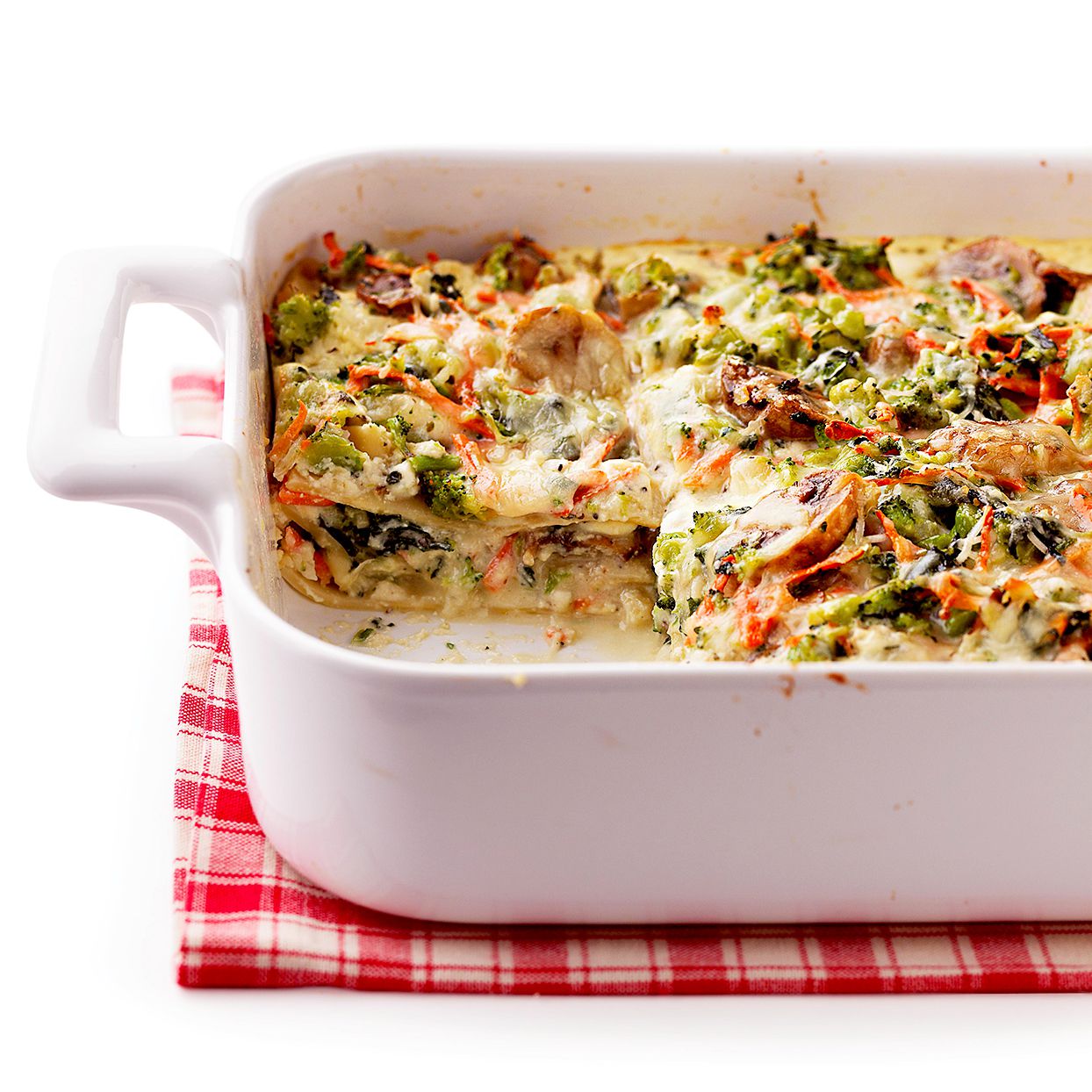
Vegetable lasagna is proof that comfort food does not need a pound of ground beef to walk into the room with confidence. With roasted vegetables, creamy ricotta, stretchy mozzarella, tender pasta, and a bright tomato sauce, this dish delivers everything people love about classic lasagna: bubbling edges, golden cheese, cozy layers, and that dramatic first slice that somehow makes everyone at the table lean forward.
This vegetable lasagna recipe is designed for real home cooks, not people who casually say, “I just made fresh pasta on a Tuesday.” It uses easy-to-find vegetables like zucchini, mushrooms, spinach, carrots, bell pepper, and onion. The secret is simple: cook the vegetables first. Raw vegetables release water as they bake, and water is the villain in many sad, slippery lasagnas. By roasting or sautéing them before layering, you build deeper flavor and keep the final dish saucy, cheesy, and sliceable instead of soupy.
Whether you are making a vegetarian dinner for family, preparing a freezer-friendly meal, or trying to convince a meat lover that vegetables can indeed pay rent in a main dish, this homemade vegetable lasagna earns its place on the table.
Why This Vegetable Lasagna Recipe Works
A great vegetarian lasagna needs balance. Too much cheese and it becomes heavy. Too many vegetables and it can collapse into a casserole with identity issues. Too little sauce and the noodles turn dry. This recipe solves those problems with three smart moves.
1. The Vegetables Are Cooked Before Layering
Zucchini, mushrooms, spinach, and bell peppers all contain moisture. Cooking them first concentrates their flavor and removes extra water. Mushrooms become savory, zucchini turns lightly sweet, onions soften, and spinach shrinks from “giant leafy mountain” to “tiny but mighty green ingredient.”
2. The Cheese Mixture Is Creamy but Not Runny
Ricotta is mixed with egg, Parmesan, herbs, and a little seasoning. The egg helps the cheese layer set, while Parmesan adds salty depth. The result is creamy without turning loose when sliced.
3. The Lasagna Rests Before Serving
This step is not optional unless you enjoy watching your beautiful lasagna slide across the plate like it is trying to escape. Resting for at least 15 to 20 minutes allows the layers to settle, the cheese to firm slightly, and the noodles to absorb the sauce.
Ingredients for Homemade Vegetable Lasagna
For the Vegetable Filling
- 2 tablespoons olive oil
- 1 medium yellow onion, finely chopped
- 3 cloves garlic, minced
- 8 ounces mushrooms, sliced
- 1 medium zucchini, diced or thinly sliced
- 1 red bell pepper, diced
- 1 medium carrot, grated or finely diced
- 5 ounces fresh spinach, chopped
- 1 teaspoon Italian seasoning
- 1/2 teaspoon kosher salt, plus more to taste
- 1/4 teaspoon black pepper
- 1/4 teaspoon crushed red pepper flakes, optional
For the Cheese Layer
- 15 ounces ricotta cheese
- 1 large egg
- 1/2 cup grated Parmesan cheese
- 2 tablespoons chopped fresh basil or parsley
- 1/4 teaspoon salt
- 1/4 teaspoon black pepper
For Assembly
- 9 to 12 lasagna noodles, regular or oven-ready
- 4 cups marinara sauce, homemade or good-quality store-bought
- 3 cups shredded mozzarella cheese
- 1/2 cup grated Parmesan cheese
- Fresh basil, for garnish
Best Vegetables for Lasagna
The best vegetables for lasagna are flavorful, sturdy, and not too watery once cooked. Zucchini, mushrooms, spinach, bell peppers, carrots, onions, eggplant, kale, and roasted red peppers all work beautifully. The goal is to create a vegetable filling that tastes hearty enough to stand up to the pasta and cheese.
Mushrooms are especially useful because they bring a savory, almost meaty flavor. Zucchini adds softness and freshness. Spinach gives the dish color and a mild earthy taste. Bell pepper brings sweetness, while carrots melt into the sauce and add subtle body. If you want a more rustic roasted vegetable lasagna, add eggplant or yellow squash. If you prefer a greener version, use kale, chard, or broccoli florets.
The one rule: do not overload the pan with raw vegetables. Lasagna is already a layered architectural project. It does not need surprise puddles.
How to Make Vegetable Lasagna
Step 1: Prepare the Noodles
If using regular lasagna noodles, cook them in salted boiling water until just al dente. Drain, rinse briefly with cool water, and lay them flat on a lightly oiled baking sheet or parchment paper so they do not stick together.
If using oven-ready noodles, check the package directions. Most no-boil noodles can go directly into the lasagna, but they need enough sauce to soften properly. For this recipe, four cups of marinara keeps the dish moist without making it watery.
Step 2: Cook the Vegetables
Heat olive oil in a large skillet over medium heat. Add onion and cook for 3 to 4 minutes, until softened. Stir in garlic and cook for 30 seconds, just until fragrant. Add mushrooms and cook until they release moisture and begin to brown, about 6 to 8 minutes.
Add zucchini, bell pepper, and carrot. Cook for another 6 to 8 minutes, stirring occasionally, until the vegetables are tender and most of the liquid has evaporated. Stir in spinach and cook until wilted. Season with Italian seasoning, salt, black pepper, and red pepper flakes if using. Remove from heat.
Step 3: Mix the Ricotta Filling
In a medium bowl, combine ricotta cheese, egg, Parmesan, basil or parsley, salt, and pepper. Stir until smooth. This mixture gives the vegetable lasagna its creamy center and helps hold the layers together after baking.
Step 4: Layer the Lasagna
Preheat the oven to 375°F. Spread 1 cup of marinara sauce in the bottom of a 9-by-13-inch baking dish. Add a layer of noodles. Spread half of the ricotta mixture over the noodles, followed by half of the cooked vegetables, 1 cup of mozzarella, and 1 cup of marinara sauce.
Repeat with another layer of noodles, the remaining ricotta mixture, remaining vegetables, another cup of mozzarella, and another cup of sauce. Finish with a final layer of noodles, the remaining marinara sauce, remaining mozzarella, and Parmesan cheese.
Step 5: Bake Until Bubbly
Cover the baking dish with foil. To prevent sticking, lightly grease the underside of the foil before placing it over the cheese. Bake for 30 minutes. Remove the foil and bake for another 15 to 20 minutes, until the cheese is melted, golden in spots, and the sauce is bubbling around the edges.
Step 6: Rest, Slice, and Serve
Let the lasagna rest for 15 to 20 minutes before slicing. Garnish with fresh basil and serve warm. This resting time is the difference between neat, impressive squares and a delicious but chaotic cheese landslide.
Recipe Tips for the Best Vegetable Lasagna
Use a Thick Marinara Sauce
A rich, thick marinara gives the lasagna structure and flavor. If your sauce is very thin, simmer it for a few minutes before using. If it is extremely thick and you are using oven-ready noodles, stir in a few tablespoons of water to help the pasta soften.
Do Not Skip the Vegetable Cooking Step
This is the biggest mistake in many homemade vegetable lasagna recipes. Cooking the vegetables first removes moisture and adds flavor. Roasting is also excellent if you have time. Toss the vegetables with olive oil, salt, and pepper, then roast at 425°F until tender and lightly browned.
Season Every Layer
Lasagna is built in layers, so each layer should taste good on its own. Season the vegetables, use flavorful sauce, and do not forget the Parmesan. A bland vegetable filling will not magically become exciting just because mozzarella shows up wearing a cape.
Let the Cheese Brown
For a beautiful top, uncover the lasagna during the final stage of baking. If you want extra browning, place it under the broiler for 1 to 2 minutes at the end, watching carefully. Cheese can go from golden to “call the fire department” faster than expected.
Make-Ahead, Storage, and Freezing Instructions
Vegetable lasagna is a fantastic make-ahead meal. You can assemble it up to 24 hours in advance, cover it tightly, and refrigerate it before baking. When ready to cook, let it sit at room temperature while the oven preheats. You may need to add 10 to 15 minutes to the covered baking time if it goes into the oven cold.
Leftover lasagna should be cooled and refrigerated within 2 hours. Store slices in airtight containers in the refrigerator for 3 to 4 days. Reheat covered in a 350°F oven until hot, or microwave individual portions. For food safety, leftovers should be reheated until steaming hot, ideally to 165°F.
To freeze, assemble the lasagna in a freezer-safe baking dish but do not bake it. Wrap tightly in plastic wrap and foil, then freeze for up to 2 to 3 months for best quality. Thaw overnight in the refrigerator before baking. You can also freeze cooked slices for quick lunches or emergency “I refuse to cook tonight” dinners.
Easy Variations
Roasted Vegetable Lasagna
Instead of sautéing the vegetables, roast zucchini, eggplant, mushrooms, bell peppers, and onions until caramelized. This creates a deeper, sweeter flavor and a slightly more elegant lasagna.
Spinach and Mushroom Lasagna
Use 16 ounces of mushrooms and 10 ounces of spinach for a simple, earthy version. Add a pinch of nutmeg to the ricotta mixture for warmth.
White Vegetable Lasagna
Replace marinara with a light béchamel or Alfredo-style sauce. This version pairs especially well with broccoli, spinach, peas, asparagus, and mushrooms.
Gluten-Free Vegetable Lasagna
Use gluten-free lasagna noodles and check that your marinara sauce and cheese are gluten-free. Bake according to the noodle package directions, since gluten-free pasta can vary widely.
Vegan Vegetable Lasagna
Use dairy-free ricotta, plant-based mozzarella, and a vegan Parmesan alternative. For extra richness, blend soaked cashews with lemon juice, garlic, salt, and nutritional yeast to create a creamy layer.
What to Serve with Vegetable Lasagna
This hearty vegetable lasagna pairs well with simple sides. A crisp green salad with lemon vinaigrette balances the richness. Garlic bread is always welcome, because apparently pasta and bread decided long ago to be best friends. Roasted broccoli, sautéed green beans, or a tomato cucumber salad also make excellent choices.
For a dinner party, serve it with sparkling water, iced tea, or a light red wine for adult guests. For a family meal, add a bowl of fruit or a simple dessert like lemon bars, brownies, or vanilla ice cream.
Common Mistakes to Avoid
Using Too Many Watery Vegetables
Zucchini, spinach, and mushrooms are delicious, but they need to be cooked properly. If your vegetable mixture looks wet in the skillet, keep cooking until the liquid evaporates.
Overfilling the Layers
More filling does not always mean better lasagna. Thick layers can make the dish unstable. Spread each component evenly and lightly for the best texture.
Cutting Too Soon
Fresh-from-the-oven lasagna smells amazing, but slicing immediately is risky. Give it time to rest so the layers hold together.
Using Too Little Sauce
Sauce hydrates the noodles and keeps the dish tender. Dry corners are a tragedy no dinner table deserves.
Kitchen Experience: What Making Vegetable Lasagna Teaches You
The first thing you learn from making vegetable lasagna is that vegetables have personalities. Mushrooms are dramatic. They enter the pan looking plump and confident, then release a surprising amount of liquid like they are confessing secrets. Zucchini is friendly but sneaky; it seems harmless until it waters down your sauce. Spinach is the magician of the group, starting as a huge pile and shrinking into a few spoonfuls. Once you understand these little quirks, your lasagna improves immediately.
Another lesson is that patience matters. Lasagna rewards the cook who does not rush. Letting onions soften, giving mushrooms time to brown, spreading sauce to every corner, and waiting before slicing all make the final dish better. It is not difficult cooking, but it is thoughtful cooking. That is why vegetable lasagna is such a satisfying weekend recipe. It gives you time to build flavor without requiring restaurant-level skill.
One of the best experiences with this recipe is how flexible it becomes once you know the basic structure. In summer, you can use zucchini, eggplant, tomatoes, and basil. In fall, roasted butternut squash and mushrooms make it cozy and slightly sweet. In spring, asparagus, peas, spinach, and a creamy white sauce create a brighter version. In winter, frozen spinach, jarred marinara, and pantry noodles can still produce a deeply comforting dinner.
Vegetable lasagna is also a generous dish. It feeds a crowd, travels well, and tastes even better the next day after the layers have settled. Many recipes are best only at the exact moment they leave the stove, but lasagna has a second act. A reheated slice for lunch can be just as satisfying as the original dinner, especially when the cheese crisps slightly around the edges.
There is also something wonderfully old-school about placing a bubbling pan of lasagna on the table. It feels like an announcement: dinner is not just food tonight; dinner is an event. People notice. Someone will ask what is inside. Someone else will fight politely for a corner piece. A person who “was not that hungry” will suddenly accept a second slice. This is the power of baked pasta and melted cheese. Science may not have fully explained it, but families have understood it for generations.
The most useful personal tip is to clean as you go. Lasagna uses bowls, spoons, a skillet, a baking dish, and sometimes every available inch of counter space. If you wash the skillet while the lasagna bakes and wipe the counters before serving, you get to enjoy dinner without facing a kitchen that looks like a cheese tornado passed through.
Finally, vegetable lasagna teaches that vegetarian comfort food can be hearty, practical, and deeply flavorful. It does not need to imitate meat to be satisfying. It simply needs good vegetables, enough seasoning, creamy cheese, balanced sauce, and a little oven magic. When those pieces come together, the result is the kind of meal people remember, request, and happily eat again the next day.
Conclusion
This vegetable lasagna recipe is rich, colorful, and dependablethe kind of dish that makes a regular dinner feel special without requiring complicated techniques. By cooking the vegetables first, using a creamy ricotta layer, adding enough marinara, and allowing the dish to rest before slicing, you get a lasagna that is flavorful, hearty, and beautifully layered.
It is also endlessly adaptable. Use seasonal vegetables, swap in different cheeses, make it ahead, freeze it for later, or serve it as the centerpiece for a cozy family meal. However you customize it, homemade vegetable lasagna remains one of the most satisfying vegetarian comfort foods you can pull from the oven.