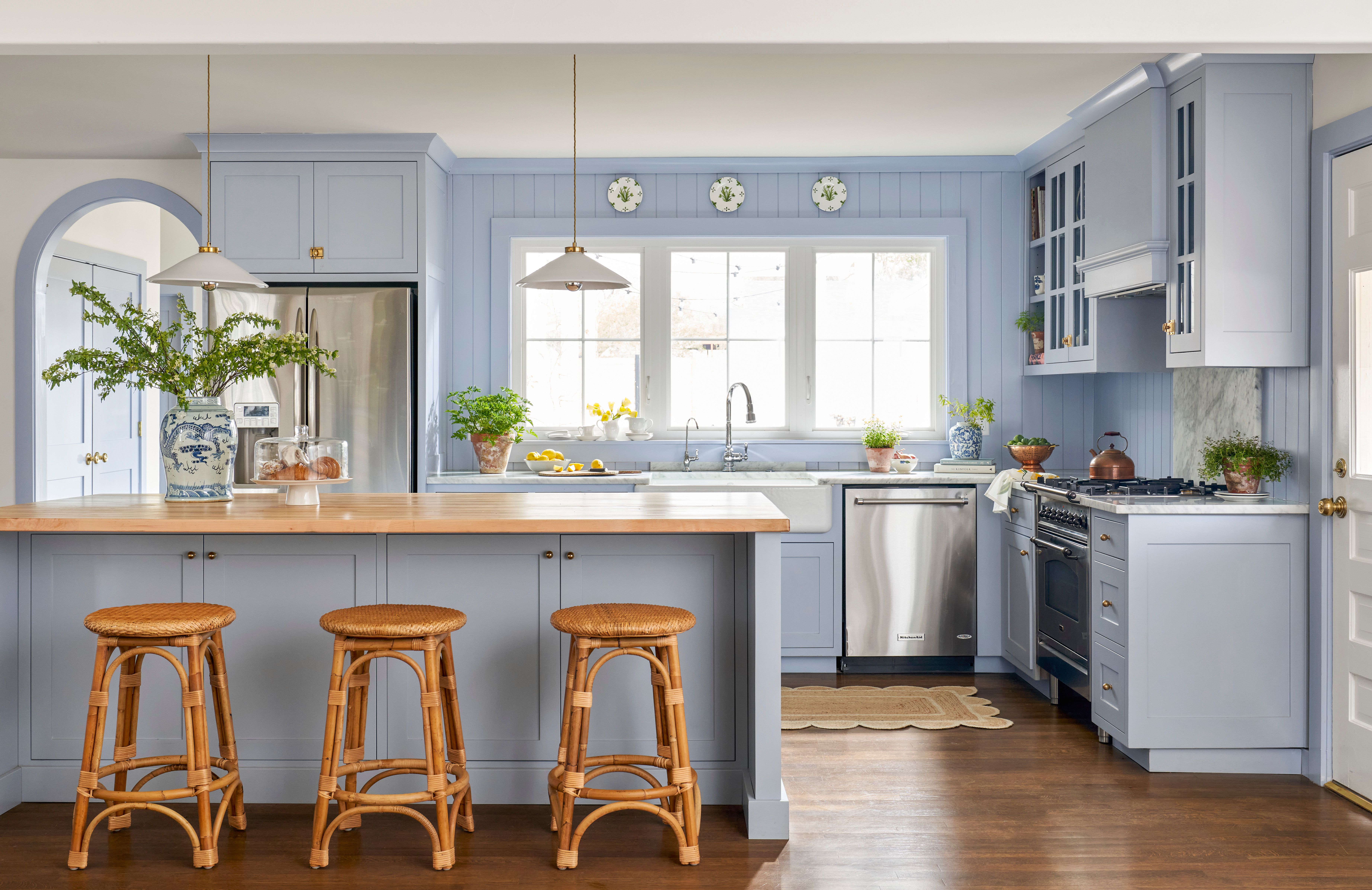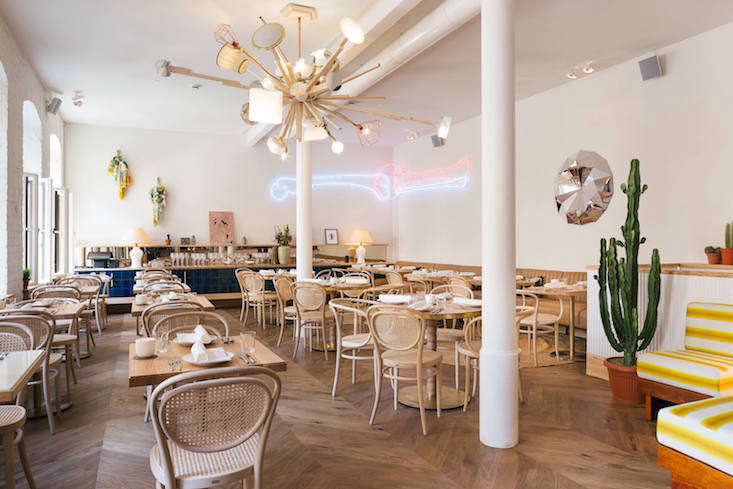
The new bohemian home is not a theme park where every surface wears fringe and every corner contains a basket with mysterious intentions. It is warmer, smarter, and far more personal than that. Today’s version of bohemian style embraces color, vintage finds, handmade objects, natural materials, plants, imperfect finishes, and meaningful layersbut it does so with a sharper eye and a little less “I bought an entire aisle of decorative pillows at once.”
Think of it as maximalism with a memory. The New Bohemians are not trying to make their homes look like a hotel lobby, a catalog page, or a perfectly beige social-media grid. They are building rooms that tell stories: the ceramic bowl found at a local market, the sun-faded rug passed down by a relative, the weird painting purchased for $12 because it made everyone laugh. Modern bohemian design favors personality over perfection, comfort over stiffness, and collected charm over matching furniture sets.
What Is the New Bohemian Style?
Bohemian interior design has always been associated with artistic freedom, relaxed living, and an anything-but-cookie-cutter approach to decorating. Historically, the word “bohemian” became connected with artists, writers, performers, and free thinkers who lived outside conventional expectations. In the United States, places such as Greenwich Village became famous for creative communities that challenged social norms and made art, conversation, and unconventional living part of daily life.
In design terms, old-school boho often meant layered rugs, woven wall hangings, colorful textiles, rattan furniture, oversized plants, floor cushions, and enough macramé to make a sailor nervous. The new bohemian look keeps the warmth and freedom but adds restraint, better craftsmanship, and more intention.
Instead of filling a room with random “global-inspired” décor, the modern bohemian home focuses on objects with genuine meaning. It might combine a sculptural vintage lamp, a hand-thrown ceramic vase, a striped linen sofa, a thrifted wood table, and a bold artwork from a local artist. The room does not need to match. It simply needs to feel like it belongs to someone interesting.
Why the New Bohemians Feel So Relevant Right Now
After years of sterile minimalism and homes that looked suspiciously afraid of personality, many people are craving spaces with texture, history, and warmth. The rise of vintage furniture, artisanal goods, and collected interiors reflects a desire for objects that feel lived-in rather than mass-produced. Designers and style publications have increasingly highlighted vintage pieces, expressive layering, and craftsmanship as antidotes to overly polished interiors.
The new bohemian movement is also practical. A room built around secondhand finds, family pieces, repaired furniture, and handmade accents can evolve slowly. You do not need to buy an entire personality in one weekend. In fact, you should not. A home that develops over time usually looks better because it has room to collect memories along with furniture.
There is also a welcome shift toward natural materials. Rattan, cane, wood, linen, leather, wool, clay, and stone bring softness and tactile interest into a room. Rattan, once dismissed as something that belonged only on a screened porch or in your aunt’s 1976 sunroom, has returned as a versatile material for chairs, lighting, side tables, and decorative accents.
The Core Elements of a New Bohemian Home
1. Collected, Not Coordinated
The fastest way to make a room feel more bohemian is to stop insisting that every item belongs to the same furniture family. Matching sets can be useful, but they rarely tell a story. A new bohemian space mixes eras, materials, and moods with confidence.
Try pairing a clean-lined contemporary sofa with an antique wood coffee table. Add a vintage brass lamp beside a modern abstract print. Use dining chairs that share a color or shape but are not identical. The goal is not chaos. The goal is visual conversation.
A well-collected room usually has one or two grounding pieces: a neutral sofa, a natural-fiber rug, warm wood flooring, or a simple wall color. These quieter elements make it easier for vintage objects, colorful textiles, and expressive art to breathe.
2. Texture Is the Real Main Character
Color gets a lot of attention, but texture is what makes a bohemian room feel cozy instead of cluttered. Think woven baskets, boucle upholstery, washed linen, carved wood, embroidered cushions, cane chairs, velvet curtains, clay pottery, and a rug with enough personality to deserve its own holiday card.
Layering textures helps even a neutral room feel rich. A white wall can look far more interesting when it sits behind a woven headboard, a striped throw, a ceramic wall sconce, and a linen curtain panel. The palette can stay calm while the room gains depth.
Natural materials are especially important because they keep a layered room from feeling overly synthetic. Wood, rattan, leather, seagrass, wool, stone, and cotton provide visual warmth and make a space feel connected to the outdoors.
3. Vintage Finds With Actual Personality
The New Bohemians love vintage, but not because every old object is automatically charming. Some old objects are simply old, dusty, and shaped like regret. The best vintage pieces have presence: a solid wood dresser, a framed landscape painting, a worn leather chair, a carved mirror, a brass tray, or a lamp with an unusual silhouette.
Vintage furniture gives a room instant dimension because it adds age, patina, and a sense of history. A room with only new products can feel finished, but a room with old and new pieces feels alive. This is especially true when the vintage item has a little wear. A scratched side table or faded rug often looks more relaxed than something that still seems afraid to leave the showroom.
Start with one vintage anchor in each room. In a living room, this could be a coffee table or cabinet. In a bedroom, it might be a bedside table, bench, or ornate mirror. In a kitchen, try vintage stools, pottery, framed art, or a thrifted wood chair tucked into a corner.
4. Art That Does Not Behave
The new bohemian home is not a place for art that politely matches the throw pillows and asks permission before being noticed. It is a place for art that creates a reaction. That could mean a giant abstract painting, a collection of small sketches, a vintage travel poster, a woven textile, a child’s drawing, or a flea-market portrait of someone who looks mildly disappointed in you.
Gallery walls work beautifully in bohemian interiors because they create a sense of collected life. Mix frame colors, sizes, and materials, but repeat one or two details so the arrangement still feels intentional. For example, use mostly wood and brass frames, or keep all artwork within a warm color family.
Art is also one of the easiest ways to make a rental apartment feel personal. You can add removable hooks, lean larger pieces against walls, or display framed artwork on shelves. The room instantly becomes less temporary and more like yours.
5. Plants, But Not a Jungle Survival Challenge
Plants are a classic bohemian design element because they add movement, color, and life. They soften hard surfaces, make rooms feel less formal, and look especially good near natural materials such as wood, cane, and clay.
That said, you do not need to transform your apartment into a tropical research station. Choose plants that fit your actual lifestyle. A snake plant, pothos, ZZ plant, or rubber tree can create a lush effect without demanding a daily misting ritual worthy of a spa attendant.
Use a mix of floor plants, trailing plants, tabletop plants, and cut branches in vases. The variety creates visual rhythm. A single tall plant in a woven basket can make an empty corner feel finished, while a small cluster of herbs on a kitchen windowsill adds a casual, lived-in mood.
Color and Pattern: The New Bohemian Way
New bohemian color is not limited to burnt orange, mustard yellow, and whatever shade of avocado was popular in 1974. Those colors can still work, but today’s palettes are more flexible. Deep green, rust, saffron, cobalt, oxblood, dusty rose, clay, plum, and earthy neutrals all fit naturally into the look.
The trick is to build color in layers. Begin with a foundation, such as cream walls, warm white paint, tan upholstery, or dark wood furniture. Then introduce richer tones through textiles, art, lampshades, curtains, and smaller furniture pieces.
Patterns are welcome, but they need a little diplomacy. Combine a striped pillow with a floral textile, or pair a geometric rug with a softer organic print. Vary the scale: one large pattern, one medium pattern, and a few smaller details. When every object is shouting, the room becomes less “free-spirited” and more “the pillows have formed a union.”
How to Create a New Bohemian Living Room
A new bohemian living room should invite people to sit down, stay awhile, and possibly reveal an overly detailed story about a dream they had in 2017. Comfort is essential.
Start with a sofa in a practical fabric such as linen, cotton, velvet, or performance upholstery. Add a vintage or reclaimed wood coffee table, then layer a rug underneath. A patterned rug can become the room’s emotional center, especially when paired with simpler seating.
Add texture through pillows, blankets, baskets, books, and a few carefully chosen accessories. Choose one statement piece, such as an oversized lamp, painted cabinet, dramatic artwork, or sculptural chair. Then leave some open space. Bohemian style needs abundance, but it also needs air.
For a more refined version of the look, mix organic textures with one polished material. For example, pair a rattan chair with a marble side table, a wool rug with brass lighting, or a rustic wood console with sleek black-framed artwork. The contrast keeps the room from drifting into costume territory.
How to Build a Bohemian Bedroom Without Creating Visual Jet Lag
A bohemian bedroom should feel like a retreat, not a storage unit with good lighting. Begin with soft bedding in linen, cotton, or washed textures. Layer a quilt, patterned blanket, and a few pillows, but leave enough room for a human body to actually sleep.
A carved headboard, woven pendant light, vintage bedside table, or patterned rug can immediately establish the mood. Add a wall color with warmth, such as muted green, soft clay, deep blue, or creamy beige. If painting is not possible, use removable wallpaper, a textile hanging, or oversized art behind the bed.
Keep the room personal by displaying books, photographs, candles, ceramics, or objects gathered during meaningful trips. The best bohemian bedrooms feel intimate because they are full of quiet details, not because they contain seventeen throw pillows with tassels.
Small-Space New Bohemian Ideas
Small spaces can carry bohemian style beautifully because the look is built on personality, not square footage. The key is to avoid filling every inch. Use vertical space for art, floating shelves, hanging plants, and wall-mounted lighting.
Choose furniture that works hard. A storage bench can hold blankets and serve as extra seating. A vintage trunk can double as a coffee table. A slim bookcase can display books, ceramics, and plants without taking over the room.
Use mirrors to bounce light, sheer curtains to soften windows, and a few large-scale pieces instead of dozens of tiny accessories. One oversized print, one meaningful rug, and one statement chair can feel more intentional than a shelf full of random objects that look like they escaped a gift shop.
Respectful Bohemian Style: Appreciation, Not Costume
The new bohemian aesthetic should never treat cultural traditions as decoration without context. Textiles, ceramics, baskets, carvings, and artwork often come from specific communities, makers, and histories. Buy directly from artists, cooperatives, reputable galleries, or businesses that identify the maker and origin whenever possible.
Rather than calling every handmade object “tribal” or using cultural symbols as vague décor, learn what you are bringing into your home. A handwoven textile deserves more than a trendy caption. It deserves accurate attribution, fair compensation for its maker, and a place in the room that reflects genuine appreciation.
This approach makes the home more meaningful. It also separates the New Bohemians from the old habit of treating the world’s cultures like an unlimited accessory aisle.
Experience the New Bohemian Lifestyle: Five Composite Moments
1. The Saturday Morning Thrift Store Discovery
One of the best parts of the new bohemian lifestyle is the feeling of finding something unexpected. Imagine walking into a thrift store with no shopping list and very low expectations, only to spot a slightly crooked wood-framed mirror leaning behind a stack of lamps. It has a few scratches, a warm honey finish, and the kind of imperfect shape that makes it look like it has survived at least three family arguments and one questionable wallpaper era.
You bring it home, clean it, and hang it near a window. Suddenly, the room looks brighter and more layered. The mirror does not just fill wall space. It becomes a small story. It reminds you that good design does not always come in a cardboard box with instructions written in six languages and one missing screw.
2. The Dinner Party Where Nothing Matches
A new bohemian dinner table is not about perfect place settings. It is about the pleasure of gathering people around objects that have a little life in them. The plates may be mismatched. The napkins may be linen in three slightly different shades. The centerpiece might be a handful of grocery-store flowers in old glass bottles.
The result feels relaxed. Guests are less afraid to move things, spill a little wine, or ask why there is a ceramic bird sitting next to the salt cellar. The room feels welcoming because it is not trying to prove anything. It simply makes people want to stay longer, eat another slice of bread, and continue the conversation after dessert has technically ended.
3. The Rainy Afternoon Reading Corner
There is a particular kind of satisfaction in creating a corner that has no purpose beyond making an ordinary afternoon better. Picture a low chair near a window, a faded wool throw, a small stack of books, and a lamp with warm light. Add a plant that looks impressively healthy from a distance and a side table just large enough for tea.
This is where the new bohemian idea becomes more than decoration. The room supports a slower rhythm. It gives you permission to sit still, read ten pages, stare out the window, and avoid answering messages for a few minutes. In a world determined to turn every spare second into a productivity challenge, that is almost rebellious.
4. The Art Wall That Keeps Changing
A bohemian gallery wall rarely begins as a perfectly measured design plan. It grows. Maybe it starts with one print from a museum shop, then a postcard from a friend, then a black-and-white photograph from a flea market. A child’s drawing joins the collection. A tiny abstract painting appears after a weekend market visit. Suddenly, the wall has become a record of what caught your attention.
The pleasure comes from allowing it to change. You can move frames, add something new, remove a piece that no longer feels right, or lean art against a shelf instead of hanging it. The wall becomes flexible, like a visual journal that does not require you to have neat handwriting.
5. The Home That Looks Better After Real Life Happens
The greatest new bohemian experience is realizing that your home does not fall apart when it is used. A linen sofa becomes softer. A wood table gathers marks from dinners, projects, and late-night conversations. A rug fades slightly near the window. A ceramic bowl becomes the place where everyone drops their keys.
Instead of treating these changes as failures, the New Bohemians see them as evidence of life. The room is not frozen in a showroom moment. It is allowed to age, shift, and become more personal over time. That is the real obsession: a home that grows warmer because people actually live in it.
Conclusion: The New Bohemians Are Building Homes With Soul
The New Bohemians are not following a strict decorating formula. They are collecting what they love, mixing old and new, choosing natural materials, supporting makers, and letting their homes evolve gradually. Their rooms may include color, plants, vintage finds, handmade objects, imperfect textures, and art that does not match anything except the people who live there.
The secret is not to buy more. It is to choose better. Add one item with a story. Keep one inherited object. Repair one old piece. Frame something that makes you smile. Let your home be a little strange, a little warm, and completely yours.
Note: “Bohemian” is used here as an interior-design term for collected, creative, relaxed spaces. Respect cultural traditions by identifying makers, learning object histories, and buying handmade work responsibly whenever possible.