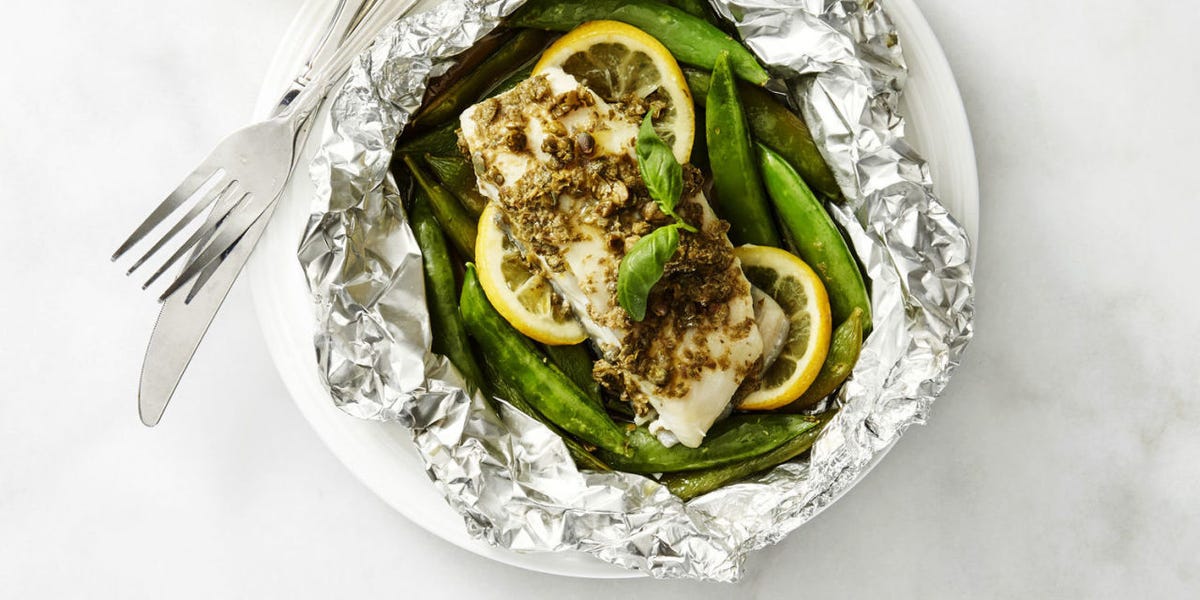
Fish packets with caper butter and snap peas sound like the sort of dinner that should require a French accent, a spotless kitchen, and maybe a tiny bell to announce, “Dinner is served.” Good news: none of that is required. This is the kind of recipe that looks elegant, tastes bright and buttery, and still lets you avoid a sink full of pans. In other words, it is weeknight magic wrapped in parchment.
Inspired by the beloved Good Housekeeping-style approach to smart, practical cooking, this fish packet recipe brings together mild white fish, crisp sugar snap peas, lemon slices, salty capers, and softened butter. As the packets bake, the fish gently steams inside its own little flavor sauna. The caper butter melts into a tangy sauce, the snap peas stay fresh and green, and the lemon releases just enough citrus to make everything taste awake.
The beauty of fish packets is their simplicity. You do not need to babysit a skillet or flip delicate fillets while silently praying they do not fall apart. You simply layer, season, seal, bake, and open each packet with the dramatic flair of someone who definitely meant to make dinner look this impressive.
Why Fish Packets Are a Weeknight Dinner Hero
Cooking fish in parchment, often called en papillote, is a classic technique that uses trapped steam to cook delicate ingredients gently. Instead of exposing fish directly to dry oven heat, the parchment packet creates a moist cooking environment. This is especially helpful for lean white fish such as cod, halibut, haddock, or tilapia, which can dry out quickly if cooked too aggressively.
The method is also wonderfully forgiving. A sealed packet keeps juices close to the fish, allowing aromatics like lemon, herbs, capers, garlic, shallots, or butter to mingle into a light sauce. It is basically a tiny dinner apartment where every ingredient gets along.
Another major advantage is cleanup. Because the fish and vegetables cook inside parchment or foil, your baking sheet usually survives with little more than a polite glance. For anyone who has ever finished dinner and stared at a crusty pan like it personally betrayed them, this is reason enough to try the recipe.
What Makes Caper Butter So Good with Fish?
Caper butter is the flavor engine of this dish. Capers are small pickled flower buds with a salty, briny, lemony punch. They bring the same lively energy that pickles bring to sandwiches or olives bring to a cheese board. When chopped and mixed into softened butter, they create a quick compound butter that melts beautifully over fish.
Butter adds richness, capers add sharpness, and lemon adds brightness. Together, they balance mild fish without overpowering it. This matters because delicate white fish is not trying to be a steak. It does not need heavy seasoning or a dramatic marinade. It needs a little fat, a little acid, and a little confidence.
Best Fish to Use for This Recipe
The best fish for parchment packets is firm enough to hold its shape but mild enough to absorb the flavors around it. Cod and halibut are excellent choices because they cook into tender flakes and pair naturally with lemon and butter. Haddock, pollock, sea bass, snapper, and tilapia can also work well.
Cod
Cod is affordable, widely available, and mild. It is a smart choice if you are feeding people who are suspicious of “fishy” fish. Its flaky texture works especially well with caper butter.
Halibut
Halibut has a firmer, meatier texture and a clean flavor. It costs more than cod, but it makes the dish feel restaurant-worthy. If cod is the dependable friend who helps you move, halibut is the friend who shows up with flowers and a reservation.
Snapper or Sea Bass
These options bring slightly sweeter flavor and a tender texture. They are lovely with citrus, herbs, and salty capers, especially if you want the meal to feel a bit more special.
Ingredients for Fish Packets with Caper Butter and Snap Peas
This version keeps the ingredient list short and useful. The goal is not to raid the entire refrigerator. The goal is to build a clean, bright dinner with ingredients that actually do something.
- 4 skinless white fish fillets, about 5 to 6 ounces each
- 1 pound sugar snap peas, trimmed
- 3 tablespoons unsalted butter, softened
- 2 to 3 tablespoons capers, drained and chopped
- 1 lemon, thinly sliced
- 1 small shallot, thinly sliced, optional
- 1 tablespoon fresh lemon juice
- Kosher salt and freshly ground black pepper
- Fresh basil, parsley, or dill for serving
- 4 large sheets parchment paper or heavy-duty foil
If you are using salted butter, reduce the added salt because capers already bring plenty of briny personality. Rinsing capers briefly can also soften their saltiness while keeping their tang.
How to Make Fish Packets with Caper Butter and Snap Peas
Step 1: Heat the Oven
Preheat the oven to 400°F. This temperature is hot enough to create steam quickly inside the packets while still being gentle enough for delicate fish.
Step 2: Make the Caper Butter
In a small bowl, mash together the softened butter, chopped capers, lemon juice, and a pinch of black pepper. If you like a more aromatic butter, stir in a teaspoon of minced shallot, fresh parsley, or dill. The mixture should look rustic, not perfect. This is dinner, not a museum exhibit.
Step 3: Prepare the Packets
Lay each sheet of parchment paper on a work surface. If using parchment, fold each sheet in half and open it again so you have a crease as a guide. Place a handful of snap peas on one side of each sheet. Add a few lemon slices and optional shallot. Set one fish fillet on top of the vegetables.
Step 4: Season and Add Butter
Sprinkle the fish lightly with salt and pepper. Spoon a portion of the caper butter over each fillet. As the fish cooks, the butter will melt downward into the snap peas, creating a simple sauce right inside the packet.
Step 5: Seal the Packets
Fold the parchment over the fish and vegetables. Starting at one end, make small overlapping folds around the edge to seal the packet tightly. The goal is to trap steam, not win an origami contest. If using foil, fold and crimp the edges firmly.
Step 6: Bake
Place the packets on a rimmed baking sheet and bake for 12 to 15 minutes, depending on the thickness of the fish. Thin fillets may finish closer to 10 or 12 minutes, while thicker halibut may need a few extra minutes.
Step 7: Open Carefully and Serve
Let the packets rest for a minute before opening. Be careful when cutting or unfolding them because the steam is hot. Serve the fish directly in the packet or transfer it to plates with the snap peas and buttery juices spooned over the top.
How to Know When the Fish Is Done
Fish is cooked when it flakes easily with a fork and turns opaque throughout. For food safety, the USDA recommends cooking fish and shellfish to an internal temperature of 145°F. An instant-read thermometer is the easiest way to check without guessing.
If you do not have a thermometer, gently press the thickest part of the fillet with a fork. It should separate into moist flakes. If it still looks translucent in the center, reseal the packet and return it to the oven for another 2 minutes.
Why Snap Peas Work So Well
Sugar snap peas are ideal for fish packets because they cook quickly and keep a pleasant crunch. Their natural sweetness balances the salty capers and buttery sauce. They also bring color, which is important because a beige dinner can be delicious, but it rarely gets applause.
Snap peas are also practical. They need only trimming, not peeling, chopping, or emotional support. If they are very large, slice them lengthwise so they cook at the same pace as the fish. Smaller snap peas can go in whole.
Flavor Variations to Try
Mediterranean Style
Add cherry tomatoes, Kalamata olives, oregano, and a drizzle of olive oil. This variation leans savory, juicy, and colorful.
Spring Garden Style
Add asparagus tips, thinly sliced zucchini, fresh dill, and lemon zest. This version tastes light, green, and perfect for warm evenings.
Garlic Lemon Style
Stir one small grated garlic clove into the caper butter. Use parsley and extra lemon juice for a sharper, brighter finish.
Spicy Caper Butter
Add a pinch of red pepper flakes to the butter. It will not turn the meal into a fire drill, but it gives the sauce a little sparkle.
What to Serve with Fish Packets
Fish packets with caper butter and snap peas can stand alone as a light dinner, but they also pair beautifully with simple sides. Rice, couscous, quinoa, roasted baby potatoes, or crusty bread all work because they soak up the lemony butter sauce.
For a low-effort dinner, serve the packets with microwave rice and a green salad. For a more polished meal, add roasted fingerling potatoes and a chilled cucumber salad. If guests are coming over, place each packet on a plate and let everyone open their own. The steam reveal makes dinner feel like a tiny magic trick, minus the rabbit.
Common Mistakes to Avoid
Using Fish Fillets That Are Too Thick
Very thick fillets may cook unevenly in packets. If your fish is more than 1 inch thick, give it extra time or cut it into smaller portions.
Overloading the Packet
A packet needs room for steam to circulate. Too many vegetables can slow cooking and make the packet hard to seal. Keep the layers tidy and compact.
Forgetting to Season the Vegetables
The fish gets most of the attention, but the snap peas need a little salt and pepper too. A small pinch makes the entire packet taste more complete.
Opening the Packet Too Quickly
Steam burns are no joke. Open packets away from your face and hands. Dramatic presentation is fun; surprise steam facial is not.
Make-Ahead and Storage Tips
You can assemble the packets a few hours ahead and keep them refrigerated until dinner. Place them on a baking sheet, cover loosely, and bake when ready. Let chilled packets sit at room temperature for about 10 to 15 minutes while the oven heats so they cook more evenly.
Leftover cooked fish can be stored in an airtight container in the refrigerator for up to 2 days. Reheat gently in a low oven or microwave at reduced power. Fish can become dry when reheated, so spoon any leftover sauce over it before warming.
Nutrition and Meal Balance
This recipe fits nicely into a balanced eating pattern because it combines lean protein, vegetables, and a moderate amount of flavorful fat. Fish provides protein and important nutrients, while snap peas contribute fiber, crunch, and natural sweetness. The butter is used strategically: just enough to create richness without drowning the dish.
If you want a lighter version, reduce the butter slightly and add a teaspoon of olive oil or extra lemon juice. If you want a heartier version, serve the fish over grains or potatoes. The recipe is flexible enough to behave itself on a Tuesday and dress up nicely for Saturday.
Real Kitchen Experience: Cooking This Recipe at Home
The first time you make fish packets with caper butter and snap peas, the process may feel almost too easy. You put raw fish and vegetables into paper, fold it shut, and trust the oven to handle the rest. There is a tiny moment of doubt, usually while staring at the sealed packets and wondering if dinner is actually happening in there. Then the parchment puffs slightly, the lemon-butter aroma sneaks out around the edges, and suddenly the whole kitchen smells like you made a plan.
One of the best parts of this recipe is how calm it feels. Pan-searing fish can be wonderful, but it also comes with pressure. Is the pan hot enough? Is the fish sticking? Should you flip it now? Why is that corner falling apart? With packets, the stress level drops immediately. You are not wrestling dinner. You are tucking it in for a short nap.
The snap peas are surprisingly important to the experience. They give the meal a fresh crunch that keeps the butter sauce from feeling heavy. When you open the packet, the peas are bright green, lightly tender, and coated with the caper-lemon juices. They taste like vegetables that went on vacation and came back with better stories.
The caper butter is also a small lesson in how powerful simple ingredients can be. Butter alone is rich. Lemon alone is sharp. Capers alone can be a little loud. But together, they become balanced: creamy, tangy, salty, and fresh. If you spoon the melted sauce over rice or potatoes, you will understand why people get emotionally attached to pan juices. Except here, the “pan” is paper, which feels like cheating in the best possible way.
This recipe is especially useful when cooking for mixed preferences. Someone who likes clean, mild flavors gets tender white fish and lemon. Someone who wants more punch gets capers and herbs. Someone who mostly came for the side dish gets buttery snap peas. You can also customize individual packets without making four separate dinners. Add red pepper flakes to one, extra lemon to another, tomatoes to a third, and plain butter to the packet belonging to the person who believes black pepper is “a bit much.”
It is also a great recipe for learning confidence with seafood. Many home cooks avoid fish because it seems delicate or easy to ruin. Packet cooking solves much of that. The fish stays moist, the smell is contained, and the timing is short. After one or two tries, you start to understand how the fillets should look and feel when done. That confidence carries over into other seafood dishes.
The final experience is quietly satisfying. You place the packet on a plate, open it carefully, and a cloud of lemony steam rises up. The fish flakes gently, the snap peas shine, and the sauce gathers at the bottom like a reward for doing very little. It is not flashy food. It is better than that: it is smart, fresh, and dependable. Basically, the dinner equivalent of a friend who brings dessert and helps with dishes.
Conclusion
Fish packets with caper butter and snap peas are proof that elegant dinners do not need to be complicated. With mild white fish, crisp vegetables, lemon, and a quick caper butter, you can create a meal that tastes bright, fresh, and restaurant-worthy while keeping cleanup almost laughably easy.
The technique is simple, the ingredients are accessible, and the results are consistently impressive. Whether you are cooking for family, guests, or just yourself after a long day, this recipe delivers flavor without drama. And honestly, any dinner that cooks in its own wrapper and leaves fewer dishes behind deserves a standing ovation.