School teaches us plenty of useful things: how to solve for x, how to identify a dangling modifier, and how to pretend we definitely read chapter seven. But somewhere between the periodic table and the three branches of government, many students miss lessons that would make adult life less confusing, less expensive, and far less likely to involve Googling “how taxes work” at midnight.
The truth is that education should prepare people not only to pass tests but also to navigate money, health, technology, relationships, emergencies, and everyday decision-making. These are not “extra” subjects. They are survival tools with better lighting.
Below are the top 10 facts you should be taught in schoolpractical, research-backed, real-world lessons that can help students become smarter consumers, healthier adults, sharper thinkers, and calmer humans when life starts throwing pop quizzes with no study guide.
1. Compound Interest Can Be Your Best Friendor Your Sneakiest Enemy
One of the most important facts every student should learn is this: money grows over time, and debt grows too. That is compound interest in a nutshell. When you save or invest early, your money can earn returns, and then those returns can earn returns. It is like a snowball rolling downhill, except instead of snow, it is future-you quietly thanking present-you.
But compound interest also works against you when you carry high-interest debt. A credit card balance that looks small can become surprisingly large when interest is added month after month. This is why financial literacy should not be treated like an optional after-school club. Students need to understand budgeting, saving, credit scores, interest rates, student loans, and the difference between “I can afford the monthly payment” and “this purchase is actually financially smart.”
Real-life example
A student who saves $50 a month starting at age 18 may build stronger long-term habits than someone who waits until age 30. Meanwhile, a student who charges $500 to a credit card and only pays the minimum may end up paying far more than the original purchase. That hoodie suddenly costs “financial regret” dollars.
2. Taxes Are Not a Mystery Spell Cast by Adults
Many students graduate knowing the mitochondria is the powerhouse of the cell but not why their paycheck is smaller than expected. That is a problem. Taxes affect nearly every working adult, yet many people first encounter tax forms when they are already earning money, panicking, and wondering whether “dependent” is a personality type.
Schools should teach the basics of income tax, payroll deductions, W-2 and 1099 forms, tax brackets, refunds, and why filing accurately matters. Students do not need to become accountants by sophomore year, but they should understand how taxes support public services and how to read basic tax documents.
What students should know
A tax refund is not free money from a generous government fairy. It usually means too much money was withheld from your pay during the year. Understanding that simple fact can help young workers make better choices about withholding, budgeting, and financial planning.
3. Sleep Is Not Laziness; It Is Brain Maintenance
Teenagers are often told to “just go to bed earlier,” which is about as helpful as telling a phone with 2% battery to “believe in itself.” Sleep is not a luxury. It is essential for learning, memory, mood, physical health, and decision-making. Students who consistently do not get enough sleep may struggle with attention, behavior, mental health, and academic performance.
School should teach sleep as a health skill, not as a moral weakness. Students need to learn how caffeine, late-night scrolling, inconsistent schedules, stress, and bright screens can interfere with rest. They also need to understand that pulling an all-nighter before a test is usually not heroic. It is more like asking your brain to run a marathon in flip-flops.
Better lesson
A healthier study routine includes shorter review sessions over several days, a consistent bedtime, and a wind-down routine. Sleep helps the brain organize information, which means rest can be part of studyingnot the enemy of it.
4. Not Everything Online Deserves Your Trust
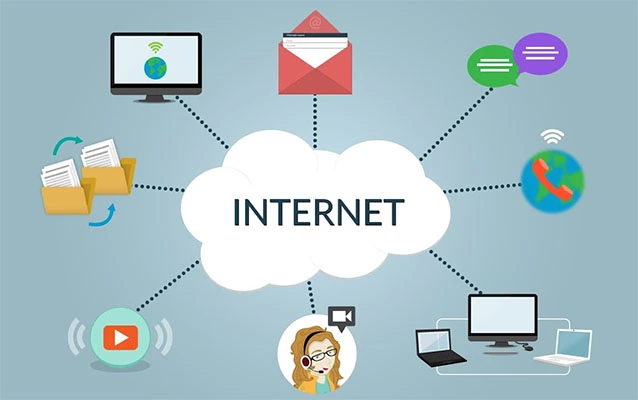
Digital literacy may be one of the most urgent school lessons of the modern world. Students are surrounded by posts, ads, videos, opinions, deepfakes, influencer claims, and headlines designed to make them click before they think. The internet is powerful, but it is also a giant buffet where some dishes are nutritious and others are intellectual food poisoning.
Students should be taught how to evaluate sources, check the author, compare claims across reliable outlets, identify sponsored content, recognize emotional manipulation, and understand the difference between evidence and vibes. A professional-looking website does not automatically mean the information is accurate. A viral post is not proof. A comment with 4,000 likes is still just a comment with good lighting.
A simple rule
Before sharing a surprising claim, students should ask: Who made this? What evidence supports it? What do other credible sources say? Is someone trying to sell me something, scare me, or make me angry?
5. Cybersecurity Is a Life Skill, Not Just an IT Department Problem
Every student should learn basic cybersecurity before they have bank accounts, college portals, work emails, or embarrassing old usernames following them into adulthood. Strong passwords, password managers, software updates, phishing awareness, and multi-factor authentication can prevent serious problems.
The fact is simple: one weak password can open the door to identity theft, hacked accounts, financial loss, or private information being exposed. Students should learn that “password123” is not a password; it is a welcome mat for chaos.
What schools should teach
Use long, unique passwords for important accounts. Turn on multi-factor authentication whenever possible. Do not click suspicious links. Update devices. Be careful with public Wi-Fi. And never share login codes, even if a message sounds urgent, official, or weirdly polite.
6. CPR and First Aid Can Turn Bystanders Into Lifesavers
Students should not have to wait until adulthood to learn how to respond in an emergency. Basic first aid, CPR awareness, how to use an AED, how to call emergency services clearly, and how to recognize signs of choking, severe bleeding, allergic reactions, or cardiac arrest can save lives.
This does not mean every student must become a paramedic. It means students should know what to do in the critical minutes before professional help arrives. In an emergency, panic is normal. Training gives panic a job.
Practical classroom lesson
Students can practice how to describe an emergency location, check whether a scene is safe, ask someone specific to call 911, locate an AED, and follow dispatcher instructions. These skills are simple, memorable, and far more useful than memorizing the lunch menu from 2009.
7. Emotional Regulation Is Not “Being Dramatic”It Is Mental Fitness
Schools often reward students for correct answers but rarely teach them what to do when their brain feels like 47 tabs are open and one of them is playing music. Emotional regulation, stress management, communication, and resilience are essential life skills.
Students should learn how to identify stress signals, name emotions, ask for help, set boundaries, resolve conflict, and use coping tools such as breathing exercises, movement, journaling, trusted conversations, and problem-solving. Mental health education should also teach students when sadness, anxiety, anger, or isolation may be signs that extra support is needed.
Why it matters
A student who understands stress is more likely to respond thoughtfully instead of exploding, shutting down, or pretending everything is fine while quietly turning into a human pressure cooker. Emotional skills support friendships, school success, work performance, and long-term well-being.
8. Food, Movement, and Health Choices Add Up Over Time
Health education should go beyond awkward diagrams and vague reminders to “eat better.” Students need practical lessons about nutrition, hydration, physical activity, sleep, preventive care, and how daily habits affect long-term health.
This does not mean teaching diet culture or making students fear cupcakes. Cupcakes are not villains; they are just not a food group, no matter how convincing they look. The better lesson is balance: how to read nutrition labels, build a simple meal, understand protein, fiber, added sugar, and sodium, and recognize how movement supports heart health, mood, energy, and focus.
Useful example
A student should know how to put together a basic meal with protein, vegetables or fruit, whole grains or starchy foods, and healthy fats. They should also understand that exercise does not have to mean running laps in gym class while questioning every life choice. Walking, dancing, biking, sports, stretching, and active chores count too.
9. Civics Is About More Than Memorizing Government Vocabulary
Students should learn how government affects real life: school funding, roads, public health rules, local parks, housing policies, taxes, environmental decisions, and voting access. Civics should not be reduced to memorizing terms for a test and then forgetting them like a locker combination from eighth grade.
Young people need to understand how to register to vote when eligible, how local elections work, how to research candidates, how laws are made, how to contact representatives, and how to participate respectfully in community decisions. Democracy is not a spectator sport. It is more like a group project, except everyone lives with the grade.
Key fact
Local elections often influence daily life in immediate ways. Mayors, school boards, city councils, county officials, judges, and state lawmakers can shape policies that affect students and families directly.
10. Climate, Weather, and Emergency Preparedness Are Everyday Knowledge
Students should understand the difference between weather and climate, how human activity affects the environment, and how communities prepare for extreme weather and disasters. This is not just science class trivia. It affects health, housing, food systems, transportation, insurance, energy use, and public safety.
Emergency preparedness is also practical. Students should know how to build a basic emergency kit, create a family communication plan, understand weather alerts, and respond safely to storms, floods, heat waves, wildfires, or power outages. The goal is not to scare students. The goal is to make them capable.
Simple preparedness lesson
A basic emergency kit may include water, nonperishable food, a flashlight, batteries, medications, first aid supplies, phone chargers, copies of important documents, and supplies for pets. Preparedness is boringuntil the power goes out. Then boring becomes brilliant.
Why These Facts Belong in School
The best education does more than fill notebooks. It helps students make better choices when no teacher is standing nearby with a rubric. Practical knowledge gives young people confidence. It helps them avoid preventable mistakes, ask smarter questions, and understand systems that can otherwise feel intimidating.
Financial literacy can reduce costly debt decisions. Health education can improve lifelong habits. Media literacy can protect students from misinformation. Cybersecurity can prevent identity theft. First aid can save lives. Emotional skills can support mental health. Civics can strengthen communities. Climate and emergency education can help families prepare for real risks.
None of this means algebra, literature, history, art, or science should disappear. Those subjects matter deeply. But practical life education should stand beside them, not wait outside the classroom like it forgot its hall pass.
Experiences That Show Why These Lessons Matter
Ask almost any adult what they wish they had learned in school, and the answers usually arrive quickly: taxes, budgeting, investing, emotional health, communication, cooking, first aid, and how not to get tricked by complicated paperwork. These are the lessons many people learn the hard way, usually with a late fee attached.
One common experience happens with the first paycheck. A teenager may calculate hours worked times hourly wage and imagine the exact amount landing in their account. Then payday arrives, and the number is smaller because of taxes and deductions. Without basic tax education, that moment feels like betrayal by math. With the right lesson, it becomes understandable: gross pay is not the same as take-home pay, and deductions have a purpose.
Another experience comes with credit cards. Many young adults receive credit offers before they fully understand interest rates. A $300 balance can feel manageable until minimum payments stretch it into months of extra cost. If students learned how credit scores, interest, and repayment habits work, they could enter adulthood with fewer financial bruises.
Health lessons create similar “I wish I knew this earlier” moments. Students often treat sleep as optional during exams, sports seasons, jobs, or social events. Later, they discover that exhaustion affects mood, memory, appetite, focus, and patience. A tired brain is not noble; it is just tired. When schools teach sleep and stress management as real health topics, students can build routines before burnout becomes normal.
Digital life offers another powerful example. Many people have shared a post that later turned out to be false, clicked a suspicious link, reused a weak password, or accepted privacy settings without reading anything. Schools cannot prevent every mistake, but they can teach students to pause. That pausethe habit of checking before clicking, sharing, or believingis one of the most valuable modern skills.
Emergency knowledge is also memorable because it becomes personal fast. A student who knows basic first aid may be able to help when a friend faints, a family member chokes, or a stranger collapses in public. Even if they never perform CPR, understanding what to do can replace helplessness with action. That confidence matters.
Relationships and emotional regulation may be the most underrated lessons of all. Students spend years around classmates, teachers, family members, teammates, and eventually coworkers. They need to know how to apologize, disagree respectfully, manage rejection, recognize manipulation, set boundaries, and ask for support. These skills do not magically appear at graduation. Like writing or math, they improve with practice.
The strongest argument for teaching these facts in school is simple: students are already living in the real world. They are earning money, using technology, experiencing stress, forming opinions, building habits, and making decisions that shape their future. A school that teaches practical knowledge is not lowering academic standards. It is raising the odds that students can use their education where it countsoutside the classroom, when life stops being multiple choice.
Conclusion
The top 10 facts you should be taught in school are not random bits of adult advice. They are practical building blocks for a healthier, safer, smarter life. Students deserve to learn how money works, how taxes affect income, how sleep supports the brain, how to spot misinformation, how to protect digital accounts, how to respond in emergencies, how to manage stress, how health habits add up, how civic systems work, and how to prepare for environmental risks.
Education should help students solve equations, understand history, appreciate literature, and explore science. But it should also help them read a paycheck, question a viral claim, calm their nervous system, vote when eligible, protect their passwords, and know what to do when someone needs help. That is not “extra credit.” That is life.
Note: This article is based on synthesized information from reputable U.S. educational, health, finance, cybersecurity, emergency preparedness, civic, and science resources. Source links are intentionally omitted for clean web publishing.