Bike thieves are annoying. Anyone who has ever walked outside and found an empty space where their bicycle used to be knows the special kind of rage that follows. It is the emotional equivalent of opening the fridge for leftover pizza and finding only the box. But a California couple’s response to repeated theft went far beyond filing police reports, buying a better lock, or angrily posting on the neighborhood app. According to police and local reporting, Corey Curnutt and Savannah Grillot of Visalia left an unsecured bike outside their home, waited for would-be thieves to take it, then chased them down and beat them with aluminum bats.
The story went viral because it sits right on the fault line between two very American reactions: “Finally, someone did something!” and “Wait, absolutely do not do that.” On one side are people who see bike theft as a frustrating, under-punished crime that leaves victims feeling ignored. On the other side are those who argue that baiting people into theft and then attacking them is not justice; it is vigilante violence with a YouTube upload button.
This case is not simply a wild crime story. It is also a messy lesson about property crime, community frustration, self-defense limits, citizen’s arrest, and why real law enforcement bait-bike programs do not come with a neighborhood bat squad. Let’s pedal into the details, preferably with a U-lock and zero aluminum bats.
What Happened In The Visalia Bait-Bike Case?
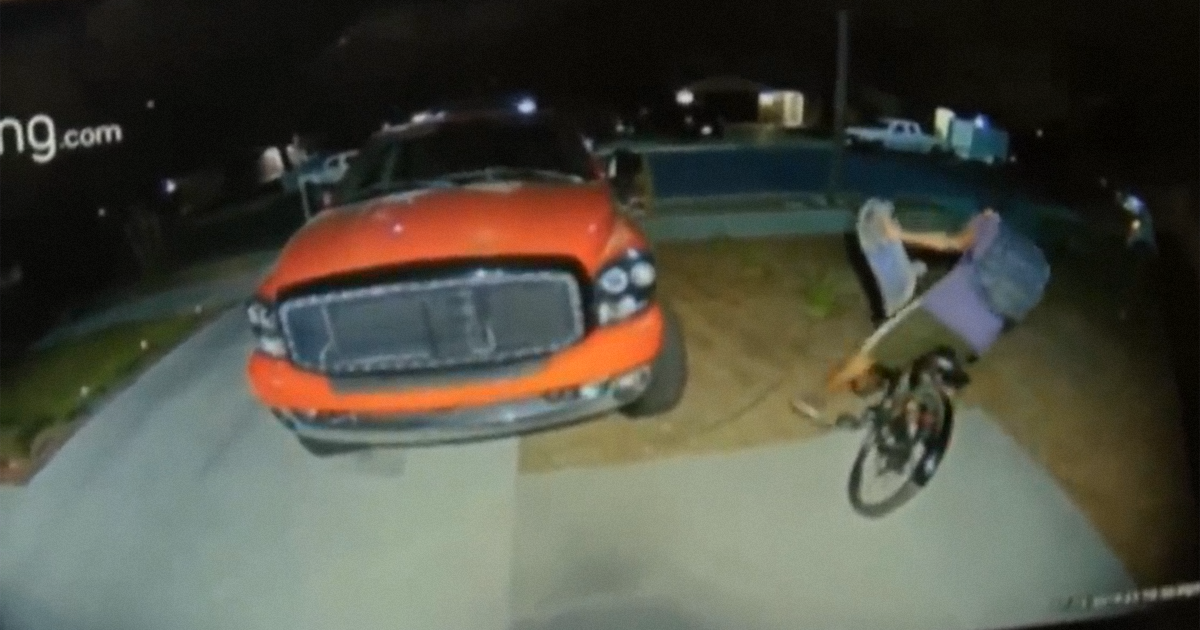
Reports from 2020 described a couple in Visalia, California, who had been victims of break-ins and thefts. According to police statements cited by news outlets, the pair allegedly placed an unsecured bicycle in front of their residence and watched through cameras. When someone took the bike, they would run outside, chase the person, recover the bicycle, and assault the would-be thief with a baseball or aluminum bat.
The videos, which were reportedly uploaded to YouTube, helped investigators identify the pattern. Police said the incidents occurred over several months, from around July through November, and that at least four people were beaten. Injuries were described as non-life-threatening, but neighbors told reporters the episodes were loud, frightening, and sometimes left blood on sidewalks. That detail alone turns the story from “neighborhood watch” into “neighborhood horror trailer.”
Curnutt and Grillot were arrested and accused of assault with a deadly weapon and conspiracy. Later, the Tulare County District Attorney’s Office declined to file charges, reportedly citing issues with incomplete video evidence, reluctant or legally compromised alleged victims, and the difficulty of obtaining testimony from people who might need to admit they were stealing. Importantly, prosecutors also warned that the decision should not be interpreted as encouragement of baiting, vigilantism, or street punishment.
Why The Internet Split Into Two Camps
The public reaction was predictable, intense, and about as calm as a raccoon in a trash can. Many people sympathized with the couple because bike theft often feels personal. A stolen bike is not just a missing object. It can be a commuter’s transportation, a student’s way to class, a parent’s weekend joy, or an expensive e-bike that costs more than someone’s first car.
People who supported the couple argued that thieves made a choice and faced consequences. In that view, the bait bike was simply a test of character, and the thieves failed it spectacularly. For residents who feel police do not respond quickly to property crimes, the couple’s actions looked like direct, if dangerous, accountability.
Critics saw something very different. They argued that the couple created the opportunity, escalated the situation, and used force far beyond what is reasonable for protecting property. The fact that the alleged victims may have been trying to steal did not make them fair game for a beating. In the eyes of many observers, the couple crossed from frustrated victims into attackers.
Both reactions reveal something real. Property crime can leave people feeling powerless. But a society where every stolen bike becomes an invitation to swing a bat is not safer. It is just a more chaotic place to park.
The Legal Problem: Theft Is Wrong, But So Is Excessive Force
In California, assault with a deadly weapon can include using an object capable of causing serious injury. A bat is not magically harmless because it was purchased in the sporting goods aisle. When used against a person, it can become a deadly weapon. California law also recognizes self-defense, but that defense depends on imminent danger and reasonable force. The key word is reasonable, which tends to disappear quickly when someone is chased down the street and beaten after grabbing property.
There is also the concept of a citizen’s arrest. California law allows a private person to arrest another in certain circumstances, such as when a public offense is committed in their presence. But citizen’s arrest does not mean citizen’s punishment. It does not authorize revenge, humiliation, or a homemade crime show. The point is to detain and call police, not to create a highlight reel called “Bike Thief Regrets Everything.”
That distinction matters. If someone is actively attacking you, defending yourself may be legally justified. If someone is leaving with your bicycle and you choose to chase and beat them, the legal picture changes dramatically. Courts and prosecutors look at timing, threat level, proportionality, intent, and the amount of force used. Protecting property is not the same as defending yourself from bodily harm.
Why Police-Run Bait Bikes Are Different
Bait bikes are not automatically illegal or unethical. In fact, police departments and campus safety offices have used GPS-equipped bait bikes for years. The difference is that official bait-bike programs are designed to collect evidence, track stolen property, identify theft patterns, and make arrests under law enforcement procedures.
For example, university and police programs often use GPS trackers hidden inside bikes. When the bike moves beyond a set area, officers are alerted and respond. Some programs also use warning stickers, registration campaigns, and public education to deter theft before it happens. The goal is prevention and lawful arrest, not ambush and injury.
That is a major difference. A police-run bait-bike operation is evidence-based. A private “bait and beat” plan is emotion-based. One produces a case file. The other produces lawsuits, criminal exposure, neighborhood fear, and possibly a hospital bill. The bike may be recovered, but the community trust gets a flat tire.
The Bigger Issue: Bike Theft Is A Real Problem
Part of the reason this story attracted so much attention is that bicycle theft is genuinely widespread. Research and registry data suggest that reported thefts are only a portion of the actual problem. Many bike owners do not file police reports because they assume nothing will happen. Others lack the serial number, receipt, photos, or registration needed to prove ownership if the bike is recovered.
That underreporting creates a vicious cycle. Police see fewer official reports, victims feel ignored, and thieves benefit from a resale market where many buyers do not check serial numbers. Meanwhile, the rise of e-bikes has increased the stakes. A stolen e-bike can represent a loss of hundreds or thousands of dollars. For a worker who relies on it to commute, it can mean missed shifts, expensive rideshares, or losing a reliable way to get around.
So yes, the anger behind the Visalia case is understandable. Bike theft is not a cute little nuisance. It is property crime with real financial and emotional consequences. But understanding the anger does not mean endorsing the response.
Why Vigilante Justice Feels Satisfying But Usually Backfires
Vigilante justice has a powerful emotional appeal because it promises immediate closure. No paperwork. No waiting. No “we’ll look into it.” Just the thief, the victim, and a dramatic moment of payback. In movies, this is where the music swells. In real life, this is where someone calls 911, an attorney gets involved, and everyone’s life becomes more expensive.
The biggest problem with vigilantism is that it moves punishment away from evidence, due process, and proportionality. A person taking an unsecured bike may be guilty of theft or attempted theft, but the legal system still has to determine what happened, who did it, and what consequence fits. That system is imperfect, slow, and often frustrating. Still, it exists to prevent punishment from being decided by whoever is angriest and holding the heaviest object.
Another problem is misidentification. What if someone moves a bike thinking it belongs to a friend? What if a teenager makes a stupid decision and ends up with a life-changing injury? What if the person being chased has a weapon? What if neighbors or children are nearby? Once a confrontation starts, control disappears quickly.
That is why public safety experts usually advise people not to confront suspected thieves. Observe, document, report, and protect yourself. Your bike is valuable. Your freedom, safety, and future are more valuable.
Smarter Ways To Protect A Bike Without Becoming The Headline
1. Register The Bike Before It Disappears
Record the serial number, make, model, color, unique marks, upgrades, and purchase receipt. Take clear photos. Register the bike with a national database such as Bike Index or Project 529. If the bike is stolen, this documentation gives police and buyers a way to identify it.
2. Use A Strong Lock And Proper Technique
A cable lock is better than a polite note that says “please don’t,” but not by much. A quality U-lock or folding lock through the frame and a wheel, attached to a fixed object, is much stronger. In high-theft areas, using two different lock types can slow thieves down because they may need different tools.
3. Avoid Leaving Expensive Bikes In Easy Targets
Garages, porches, apartment stairwells, and fenced yards are not magic shields. Many bikes are stolen from residential areas because owners feel safe at home and leave them unlocked. Store bikes indoors when possible, or lock them even inside shared storage spaces.
4. Report Theft Quickly
If a bike is stolen, file a police report, update the registry listing, post accurate information in local cycling groups, and monitor online marketplaces. Do not arrange a solo confrontation if you think you found the bike. Involve law enforcement and bring proof of ownership.
5. Build Community Prevention, Not Community Combat
Neighborhood watch efforts work best when they focus on lighting, cameras, reporting suspicious activity, sharing prevention tips, and helping victims document stolen property. The moment a community shifts from watching to hunting, everyone becomes less safe.
Experiences Related To This Story: Why People Snap, And What They Learn Later
Anyone who has dealt with repeated theft knows how quickly patience can dissolve. The first time something is stolen, you are upset. The second time, you feel targeted. By the third time, you start looking at every person walking past your house like they are auditioning for a low-budget crime documentary. That emotional spiral is part of what makes the Visalia story feel so familiar, even to people who would never pick up a bat.
Many bike owners describe the same experience: they report a theft, provide what little information they have, and then hear nothing. Sometimes police genuinely have limited evidence. Sometimes the bike has already been stripped, resold, or moved out of the area. Sometimes the owner never recorded the serial number, which makes recovery nearly impossible. The result is a feeling of helplessness. It is easy to understand why someone might think, “Fine, I’ll handle it myself.”
But people who have gone through theft prevention the right way often learn a different lesson. The most effective approach is boring, consistent, and not suitable for a viral video. It means locking the bike every single time, even for a two-minute coffee stop. It means keeping documentation before trouble happens. It means using a tracker if appropriate, but treating it as a recovery tool, not an invitation to confront someone in a parking lot. It means telling neighbors, sharing camera footage, and building a record of activity without turning the block into a trap.
There is also an emotional lesson: anger is information, not instruction. Anger tells you something matters. It does not automatically tell you what to do next. A stolen bike can make a person feel violated because the thief did not just take metal and rubber. They took convenience, independence, money, and peace of mind. Still, the response has to protect your future, not just satisfy your fury for ten seconds.
Communities that handle theft well usually combine empathy with boundaries. They support victims, pressure local officials for better reporting and patrols, encourage bike registration events, improve lighting around racks, and call out suspicious resale patterns. They also reject the idea that suspected thieves should be physically punished by private citizens. That balance matters. You can be tough on theft without becoming reckless about violence.
The Visalia case is memorable because it dramatizes the temptation to fight back in the most literal way possible. But the better experience to take from it is this: when crime makes people feel abandoned, they may do dangerous things. Public agencies, neighborhoods, and bike owners all have a role in preventing that. The goal should be fewer stolen bikes, fewer injured people, and fewer viral stories that make everyone argue in the comments until their thumbs need a vacation.
Conclusion: Justice Needs Brakes, Not Just Pedals
The story of a couple baiting bike thieves and beating them with bats is shocking because it contains two truths at once. First, bike theft is real, costly, and deeply frustrating. Second, violent payback is not a safe or reliable answer. The law gives people some tools to protect themselves and their property, but those tools have limits. When anger becomes a plan, and a plan becomes an ambush, the victim can quickly become the accused.
The smarter path is less cinematic but far more useful: register your bike, lock it properly, document ownership, report theft, work with police, and build community prevention. Bait-bike programs can be effective when run by trained authorities using legal procedures. Private citizens trying to copy the idea with bats are not doing crime prevention; they are gambling with their safety, their neighbors’ safety, and their own legal future.
In the end, the best response to theft is not surrender and not revenge. It is preparation, documentation, prevention, and pressure for better enforcement. A bike can be replaced. A serious injury, criminal charge, or shattered community trust is much harder to repair.
Note: This article is for informational and editorial purposes only. It is not legal advice, and readers should contact local law enforcement or a qualified attorney for guidance about specific legal situations.