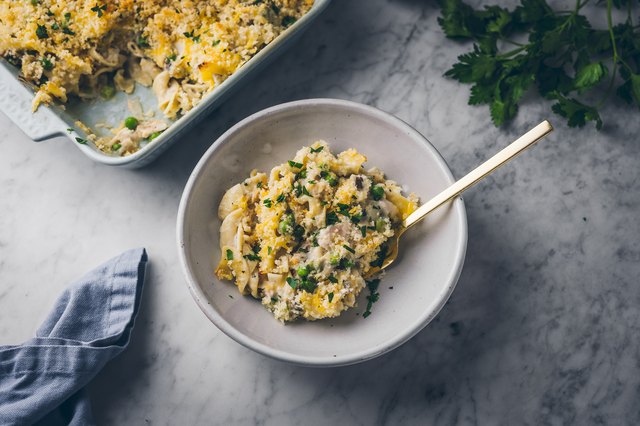
Some dinners walk into the kitchen wearing a tiny chef hat and demanding applause. Others simply open the pantry, wave hello from behind a can of tuna, and say, “Relax. I’ve got this.” This cheesy tuna noodle casserole recipe belongs firmly in the second group. It is creamy, cozy, budget-friendly, and exactly the kind of dinner that makes a weeknight feel less like a spreadsheet and more like a warm blanket.
Tuna noodle casserole has been a beloved American comfort food for generations, and for good reason. It combines tender egg noodles, flaky canned tuna, sweet peas, a creamy sauce, and a bubbly layer of cheese into one dependable baking dish. Add a crunchy topping, and suddenly the humble pantry meal becomes the casserole equivalent of a standing ovation.
This version keeps the spirit of the classic while making it extra flavorful. You can use condensed soup for a fast shortcut or make a simple homemade creamy sauce if you want a more from-scratch taste. Either way, the goal is the same: a creamy tuna noodle casserole with plenty of cheese, balanced seasoning, and a topping that crackles just enough to make everyone at the table suspiciously quiet for the first three bites.
Why You’ll Love This Cheesy Tuna Noodle Casserole
The beauty of this dish is that it delivers big comfort without big effort. Most ingredients are pantry and freezer staples, so you do not need a heroic grocery run or a culinary degree framed in gold. If you have noodles, tuna, milk, cheese, and something crunchy for the top, you are already halfway to dinner.
It’s Budget-Friendly and Filling
Canned tuna is affordable, shelf-stable, and packed with protein, which makes it a practical choice for busy households. Egg noodles stretch the meal into generous portions, while cheese and sauce bring the creamy richness people expect from a classic casserole. One pan can feed a family, provide leftovers, or save you from ordering takeout again after promising yourself you would “cook more this week.”
It Uses Simple Ingredients
No mysterious specialty items are required. This easy tuna casserole leans on familiar ingredients: wide egg noodles, canned tuna, frozen peas, cheddar cheese, milk, butter, breadcrumbs, and a creamy base. You can build it with condensed cream of mushroom soup, cream of celery soup, or a quick homemade sauce made with butter, flour, milk, and broth.
It’s Flexible Enough for Real Life
Forgot peas? Use broccoli. Out of cheddar? Try Monterey Jack, Colby, or Swiss. No breadcrumbs? Crushed crackers, potato chips, or panko can save the day. Tuna noodle casserole is not fussy. It has the personality of a helpful neighbor who says, “Use what you have, honey.”
Ingredients for Cheesy Tuna Noodle Casserole
This recipe makes about 6 hearty servings. For a larger family or meal prep, you can double it and bake it in two dishes. The ingredients below create a creamy, cheesy casserole with a golden topping and enough tuna flavor to be satisfying without tasting overly fishy.
Main Ingredients
- 12 ounces wide egg noodles: Egg noodles are traditional because they stay tender and hold creamy sauce well.
- 2 tablespoons butter: Adds richness and helps sauté aromatics if you use them.
- 1 small yellow onion, finely chopped: Optional but recommended for savory depth.
- 2 celery ribs, finely chopped: Adds gentle crunch and classic casserole flavor.
- 2 cans tuna, 5 ounces each, drained: Canned light tuna in water works well; oil-packed tuna adds a richer taste.
- 1 1/2 cups frozen peas: No need to thaw; they brighten the dish and add sweetness.
- 2 cups shredded sharp cheddar cheese: Sharp cheddar gives the best cheesy flavor without disappearing into the sauce.
- 1/2 cup sour cream: Adds tang and extra creaminess.
- Salt and black pepper: Season carefully because canned soup and cheese already contain salt.
For the Creamy Sauce
You have two good options: a shortcut sauce or a homemade sauce. Both work beautifully.
Shortcut Sauce Option
- 1 can condensed cream of mushroom soup, 10.5 ounces
- 1/2 cup milk
- 1/2 teaspoon garlic powder
- 1/2 teaspoon Dijon mustard, optional but excellent
Homemade Sauce Option
- 3 tablespoons butter
- 3 tablespoons all-purpose flour
- 1 1/2 cups milk
- 1/2 cup chicken broth or vegetable broth
- 1/2 teaspoon garlic powder
- 1/2 teaspoon onion powder
- 1/2 teaspoon Dijon mustard
- Salt and pepper to taste
For the Crunchy Topping
- 1 cup panko breadcrumbs, crushed butter crackers, or crushed potato chips
- 2 tablespoons melted butter
- 1/4 cup grated Parmesan cheese, optional
- 1 tablespoon chopped parsley, optional for serving
How to Make Cheesy Tuna Noodle Casserole
This dish is simple, but a few smart steps make the difference between “pretty good” and “who ate the corner piece I was saving?” Follow the process below for a casserole that is creamy, structured, and golden on top.
Step 1: Cook the Noodles Just Until Al Dente
Bring a large pot of salted water to a boil. Add the egg noodles and cook them for about 1 minute less than the package directions. This matters because the noodles will continue cooking in the oven. If they are fully soft before baking, they can become mushy after absorbing the sauce.
Drain the noodles well and set them aside. Do not rinse them unless they are sticking badly. The light starch on the noodles helps the sauce cling like it has found its life purpose.
Step 2: Prepare the Sauce
For the shortcut version, stir together condensed cream of mushroom soup, milk, garlic powder, Dijon mustard, and sour cream in a large bowl. Mix until smooth. This method is fast, reliable, and classic.
For the homemade version, melt butter in a saucepan over medium heat. Whisk in the flour and cook for about 1 minute to remove the raw flour taste. Slowly whisk in the milk and broth. Keep whisking until the sauce thickens, about 4 to 6 minutes. Stir in garlic powder, onion powder, Dijon mustard, salt, and pepper. Remove from heat and add 1 1/2 cups of shredded cheddar, stirring until melted.
Step 3: Add Tuna, Peas, and Cheese
In a large mixing bowl, combine the cooked noodles, drained tuna, peas, onion, celery, and sauce. Fold gently so the tuna remains in pleasant flakes instead of disappearing into tiny fish confetti. Stir in the remaining cheddar cheese, saving a little for the top if you like extra bubbling drama.
Step 4: Assemble the Casserole
Grease a 9-by-13-inch baking dish or a deep 2 1/2-quart casserole dish. Spoon the tuna noodle mixture into the dish and spread it evenly. Sprinkle extra cheddar over the surface if desired.
Step 5: Add the Crunchy Topping
In a small bowl, mix panko breadcrumbs, crushed crackers, or crushed potato chips with melted butter. Add Parmesan if using. Scatter the topping evenly over the casserole. Try not to eat the buttery crumbs directly from the bowl. Actually, no judgment. Just make more if needed.
Step 6: Bake Until Hot and Bubbly
Bake at 375°F for 25 to 30 minutes, or until the casserole is hot around the edges and the topping is golden brown. If the topping browns too quickly, loosely cover the dish with foil. Let the casserole rest for 5 to 10 minutes before serving so the sauce can settle and the portions hold together better.
Pro Tips for the Best Tuna Noodle Casserole
Use Sharp Cheddar for Bigger Flavor
Mild cheddar melts well, but sharp cheddar gives the casserole more personality. Since the noodles and sauce are mellow, sharp cheese helps every bite taste richer and more complete. For a super-melty texture, combine cheddar with Monterey Jack or mozzarella.
Do Not Overcook the Pasta
This is the number one casserole rule. Pasta bakes continue cooking after they go into the oven. Slightly undercooked noodles absorb sauce without turning into a soft noodle cloud. A charming cloud, perhaps, but not dinner’s finest moment.
Drain the Tuna Well
Extra liquid from canned tuna can thin the sauce and make the casserole watery. Press the lid into the tuna can after opening and drain thoroughly. If using oil-packed tuna, drain it well but remember that a little oil can add richness.
Balance Creaminess with Texture
A great tuna noodle bake needs contrast. The inside should be creamy, but the top should be crisp. Panko breadcrumbs give a lighter crunch, crushed crackers add buttery flavor, and potato chips bring a salty retro finish. If you grew up with potato chips on casserole, you already know they are not a topping; they are a memory.
Recipe Variations
Old-Fashioned Tuna Noodle Casserole
Use condensed cream of mushroom soup, milk, tuna, peas, egg noodles, cheddar cheese, and crushed potato chips. This version tastes like the classic casserole many families remember from childhood dinners, potlucks, and church basement buffets where every dish arrived covered in foil and optimism.
From-Scratch Tuna Casserole
Skip the canned soup and make the homemade sauce with butter, flour, milk, and broth. Add sautéed mushrooms for deeper flavor. This version tastes fresher and lets you control the salt level.
Vegetable-Packed Tuna Casserole
Add chopped broccoli, spinach, mushrooms, carrots, or green beans. Broccoli pairs especially well with cheddar and tuna. If using watery vegetables like mushrooms or spinach, cook them first so they do not release too much moisture into the casserole.
Spicy Cheesy Tuna Noodle Casserole
Add a pinch of cayenne, a few dashes of hot sauce, or chopped pickled jalapeños. Pepper Jack cheese also works well if your dinner table enjoys a little heat. Start small; you can always add more spice, but you cannot politely remove it once the casserole has turned into a volcano.
Lighter Tuna Noodle Casserole
Use reduced-fat milk, reduced-sodium soup, whole-wheat egg noodles, and extra vegetables. You can also reduce the cheese slightly and use panko instead of potato chips. The casserole will still taste comforting, just a little less like it is wearing sweatpants.
What to Serve with Cheesy Tuna Noodle Casserole
This casserole is hearty enough to stand alone, but a fresh side dish makes the meal feel balanced. A crisp green salad with lemon vinaigrette is a great match because the acidity cuts through the creamy sauce. Steamed green beans, roasted asparagus, or simple glazed carrots also work well.
If you are serving this for a family dinner, add sliced tomatoes, cucumber salad, or a bowl of fruit. For a cozy Sunday meal, pair it with garlic bread and a bright salad. Yes, noodles plus bread is a carb-on-carb situation, but sometimes dinner needs to mind its own business and be delicious.
Storage, Freezing, and Reheating
How to Store Leftovers
Let leftovers cool slightly, then transfer them to an airtight container. Refrigerate for up to 3 to 4 days. Because this casserole contains seafood and dairy, do not leave it sitting at room temperature for more than 2 hours.
How to Freeze Tuna Noodle Casserole
You can freeze tuna noodle casserole, but the texture is best when it is frozen before baking. Assemble the casserole without the crunchy topping, wrap tightly, and freeze for up to 2 to 3 months for best quality. Add the topping just before baking so it stays crisp.
How to Reheat It
Reheat individual portions in the microwave with a splash of milk to loosen the sauce. For a larger amount, cover the casserole with foil and warm it in a 350°F oven until heated through. Remove the foil for the last few minutes to revive the topping.
Common Mistakes to Avoid
Making the Sauce Too Thin
A thin sauce may seem fine before baking, but it can make the casserole loose and watery. The sauce should coat the noodles generously. If it looks runny, add a little more cheese or a spoonful of sour cream before baking.
Skipping Seasoning
Tuna and noodles need seasoning support. Garlic powder, onion powder, black pepper, Dijon mustard, and a small amount of salt help the casserole taste layered instead of flat. Taste the sauce before mixing it with the noodles.
Using Too Much Topping
A crunchy top is wonderful, but too much can make the casserole dry. Use enough to cover the surface lightly. The topping should be a golden jacket, not a breadcrumb winter coat.
Frequently Asked Questions
Can I make cheesy tuna noodle casserole without canned soup?
Yes. Make a simple white sauce with butter, flour, milk, and broth. Add shredded cheese for richness and season it with garlic powder, onion powder, Dijon mustard, salt, and pepper. This gives the casserole a fresher homemade flavor.
What kind of tuna is best for tuna casserole?
Canned light tuna in water is a popular choice because it is mild, affordable, and lower in mercury than albacore. Albacore tuna has a firmer texture and richer flavor, but it is best eaten in moderation. Choose the type that fits your taste and dietary needs.
Can I use a different pasta?
Absolutely. Egg noodles are classic, but rotini, penne, shells, elbow macaroni, or bow ties can work. Choose a shape that catches sauce well. Avoid very tiny pasta because it can become too soft after baking.
Can I prepare it ahead of time?
Yes. Assemble the casserole up to 24 hours in advance, cover, and refrigerate. Keep the topping separate until just before baking. If baking straight from the refrigerator, add 5 to 10 extra minutes to the baking time.
Cheesy Tuna Noodle Casserole Recipe Card
Prep Time
15 minutes
Cook Time
30 minutes
Total Time
45 minutes
Servings
6 servings
Ingredients
- 12 ounces wide egg noodles
- 2 tablespoons butter
- 1 small onion, finely chopped
- 2 celery ribs, finely chopped
- 2 cans tuna, 5 ounces each, drained
- 1 1/2 cups frozen peas
- 1 can condensed cream of mushroom soup, 10.5 ounces
- 1/2 cup milk
- 1/2 cup sour cream
- 2 cups shredded sharp cheddar cheese, divided
- 1/2 teaspoon garlic powder
- 1/2 teaspoon Dijon mustard
- Salt and black pepper to taste
- 1 cup panko breadcrumbs, crushed crackers, or crushed potato chips
- 2 tablespoons melted butter
- 1/4 cup grated Parmesan cheese, optional
Instructions
- Preheat oven to 375°F. Grease a 9-by-13-inch baking dish.
- Cook egg noodles in salted boiling water for 1 minute less than package directions. Drain and set aside.
- Melt butter in a skillet over medium heat. Add onion and celery. Cook for 4 to 5 minutes, until softened.
- In a large bowl, stir together cream of mushroom soup, milk, sour cream, garlic powder, Dijon mustard, salt, and pepper.
- Add cooked noodles, tuna, peas, sautéed onion and celery, and 1 1/2 cups cheddar cheese. Fold gently until combined.
- Transfer mixture to the prepared baking dish. Sprinkle remaining cheddar cheese over the top.
- Mix panko, crackers, or potato chips with melted butter and Parmesan. Sprinkle evenly over the casserole.
- Bake for 25 to 30 minutes, until hot, bubbly, and golden on top.
- Rest for 5 to 10 minutes before serving.
Conclusion
A good cheesy tuna noodle casserole recipe proves that comfort food does not need to be complicated. With tender noodles, flaky tuna, sweet peas, creamy sauce, melted cheddar, and a crunchy topping, this dish turns pantry staples into a satisfying dinner that feels nostalgic and practical at the same time.
Make it with canned soup when you need speed. Make it from scratch when you want extra control and homemade flavor. Add vegetables, change the cheese, use crackers or potato chips on top, and make it your own. That flexibility is exactly why tuna noodle casserole has stayed on American tables for so long. It is humble, hearty, and always ready to rescue dinner from becoming cereal over the sink.
Kitchen Experience Notes: What This Recipe Teaches You
After making cheesy tuna noodle casserole a few different ways, one thing becomes clear: this recipe is less about perfection and more about balance. The best version is not necessarily the fanciest one. It is the one that gives you creamy sauce, tender noodles, enough tuna to taste, and a topping that makes the first spoonful exciting. That is the real casserole magic.
One useful experience is learning how much the pasta matters. When the noodles are cooked too long before baking, the final dish can feel heavy and soft. Cooking them just shy of al dente gives the casserole better texture. The noodles finish in the sauce, absorbing flavor while still holding their shape. It is a small step, but it changes the whole dish.
Another lesson is that tuna should be treated gently. If you stir aggressively, the tuna breaks into tiny pieces and gets lost. Folding it in carefully keeps small flakes throughout the casserole, giving each serving a better bite. Draining the tuna well is equally important. Too much liquid can weaken the sauce, especially if you are also using frozen peas or watery vegetables.
The topping is where personality enters the room. Panko breadcrumbs create a clean, crisp finish. Butter crackers taste rich and familiar. Potato chips are salty, crunchy, and unapologetically old-school. Each option changes the mood of the casserole. For a family dinner, crackers may feel classic. For a potluck, potato chips often win because they stay crunchy and make people smile before they even take a bite.
Cheese choice also matters. Sharp cheddar has enough flavor to stand up to the creamy sauce and noodles. Mild cheese melts nicely but can taste quiet. A mix of cheddar and Monterey Jack gives both flavor and stretch. Parmesan in the topping adds a savory edge, especially if the filling is mild.
One of the best real-life benefits of this casserole is how forgiving it is. You can make it when the fridge looks nearly empty. You can stretch it with extra vegetables. You can prepare it ahead of time and bake it when everyone is hungry. You can reheat leftovers the next day with a splash of milk and still enjoy a comforting meal. It is not flashy food, but it is dependable food, and dependable food deserves more credit.
The final experience worth remembering is that tuna noodle casserole is emotional. People connect it with childhood dinners, grandparents’ kitchens, school nights, church suppers, snow days, and busy parents doing their best with what was in the pantry. A cheesy tuna noodle casserole recipe is not just a set of instructions. It is a reminder that simple food can still feel generous, especially when it comes out of the oven bubbling at the edges with a golden top and the promise that dinner is handled.
Note: This article was written in original American English and synthesized from established U.S. cooking practices, classic tuna casserole methods, and current food-safety guidance for storage and reheating.