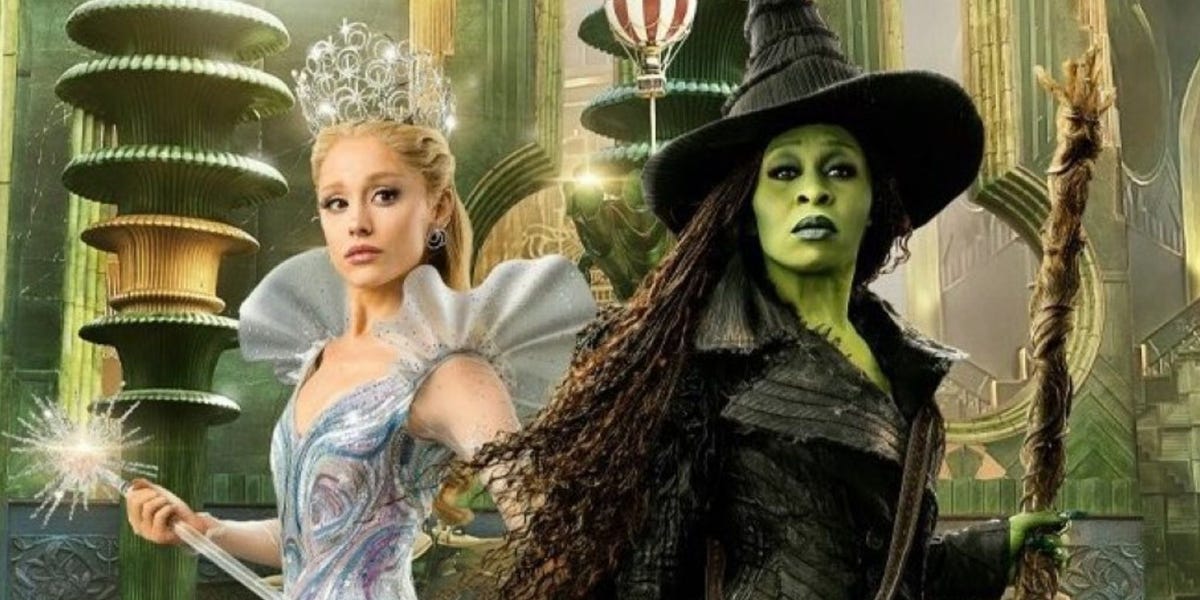
Some announcements are so perfectly engineered for holiday TV that they practically come wrapped in ribbon. News that a Wicked star would open the Macy’s Thanksgiving Day Parade was one of those moments. It had Broadway energy, blockbuster timing, and just enough sparkle to make coffee taste more festive on a cold November morning. And when the star in question turned out to be Cynthia Erivo, the whole thing made immediate sense. If you are going to launch one of America’s most beloved holiday traditions, you might as well do it with a performer who can sing the paint off the walls and still look effortlessly elegant doing it.
The headline itself was tailor-made for search traffic and social buzz, but the real story had more substance than clickbait glitter. Erivo was not just another celebrity cameo wedged between balloons and marching bands. She represented the exact kind of crossover moment the Macy’s Thanksgiving Day Parade thrives on: a performer with serious musical credibility, mainstream name recognition, and a direct link to one of the biggest entertainment properties in the country. In other words, this was not random. This was strategy wearing a fabulous coat.
Why Cynthia Erivo Was the Right Pick
Holiday parades are fun, but they are also a performance problem. You need someone who can command attention instantly, wake up viewers who are still negotiating with the snooze button, and set the tone for three hours of spectacle. Cynthia Erivo fits that assignment beautifully. She has the kind of voice that does not politely enter a room. It arrives, takes the best lighting, and lets everyone else figure out how to keep up.
By the time the parade announcement made headlines, Erivo was already carrying major momentum from Wicked: For Good, the film sequel that kept the Oz conversation blazing. Her portrayal of Elphaba gave the parade a built-in storyline: this was not merely a singer opening a broadcast, but a star tied to a massive musical phenomenon stepping into one of America’s most iconic live TV traditions. That combination is catnip for audiences, and frankly, for editors too.
Erivo also brings something especially useful in a parade setting: authenticity. Even in giant-event mode, she rarely comes across as mechanically polished or overproduced. She tends to perform with emotional precision, which matters because the parade is not just a pop-culture event. It is a sentimental one. Families watch it in pajamas. Grandparents debate whether the balloons used to be better. Kids point at floats like they have just discovered magic. A performer opening that experience has to feel warm, grand, and memorable all at once. Erivo checks every box.
The Wicked connection made the moment bigger
The phrase “a Wicked star” did a lot of work in that headline, and for good reason. Wicked is not just a popular musical or a successful movie property. It is an emotional ecosystem. Fans do not merely like it; they adopt it, quote it, sing it badly in the car, and treat green face paint like a spiritual condition. Attaching that fandom to the Macy’s Thanksgiving Day Parade meant NBC and Macy’s were tapping into a highly engaged audience that was already primed to care.
There is also a neat symbolic fit between Wicked and the parade itself. Both trade in spectacle. Both balance family appeal with theatrical grandeur. Both know that costume, color, and emotion can coexist without apology. And both understand that the best public entertainment does not just fill space. It creates a feeling. That made Erivo’s involvement feel less like stunt casting and more like a clean creative match.
Why the Macy’s Thanksgiving Day Parade Still Has Cultural Gravity
The Macy’s Thanksgiving Day Parade has been around long enough to outlast trends, formats, and probably several family arguments about who forgot the cranberry sauce. That longevity matters. In a media environment built on fragments, the parade is still one of those rare pieces of live television that gathers a truly broad audience. It appeals to kids, parents, grandparents, Broadway fans, pop fans, sports fans waiting for football, and people who just enjoy watching a giant balloon glide past Manhattan before noon.
That is why the opening act matters so much. The first major performance is not a throwaway detail. It is the statement of intent. It tells viewers what kind of morning this will be. A sleepy start can flatten momentum. A strong opener, on the other hand, gives the event instant lift. Macy’s and NBC clearly understood that Erivo could provide exactly that: big-vocal prestige with mainstream warmth.
There is also the parade’s unique role as the unofficial starter pistol for the holiday season. Plenty of events claim to launch the festivities, but the Macy’s parade has history, ritual, and national familiarity on its side. Once it begins, something in the American brain quietly mutters, “All right, let the holiday chaos commence.” Putting a Wicked star at the front of that tradition was a way of modernizing the moment without messing with its core identity.
What Fans Expected From the Announcement
When news broke that Cynthia Erivo would open the parade, fan reactions were exactly what you would expect from people handed a theatrical dream pairing. Excitement. Caps lock. A fair amount of emotional instability. The appeal was obvious: a celebrated vocalist, a wildly visible movie musical, and a parade built for maximum visual drama. Even before a single note was sung, the anticipation did half the promotional work.
There was also genuine curiosity about what Erivo might perform. Would she lean into the Wicked association? Would she go full Broadway? Would the opening number be intimate, explosive, or both? That suspense helped the announcement travel far beyond routine holiday programming coverage. It gave the story a hook that could pull in both entertainment readers and casual viewers who may not normally study parade lineups with the intensity of a playoff bracket.
And because Erivo has a reputation for delivering on big stages, expectations were not rooted in vague hype. They were based on evidence. She is one of those performers who makes people believe the live version might actually be better than the polished one. That quality is gold for a broadcast like this, where unpredictability is part of the charm.
What the Parade Morning Proved
Once parade morning arrived, the announcement paid off. Erivo opened the event with a commanding performance of “Feeling Good,” giving the telecast exactly the kind of stylish, confident start executives probably imagined when the booking was made. The song choice was smart. It felt classic, bold, and seasonally appropriate without being syrupy. It avoided the trap of overplaying the Wicked link while still letting Erivo’s association with Oz make the moment feel larger than a standard holiday performance.
What made the performance more impressive was the context around it. Reports noted that Erivo had been dealing with voice issues shortly before the parade, which added another layer to the moment. Instead of turning the appearance into a pity narrative, it underscored her professionalism. She did what top-tier performers do: show up, deliver, and make the hard part look almost suspiciously easy. It was a reminder that star power is not only about fame. It is about execution.
That morning also revealed why the announcement had generated such interest in the first place. Erivo’s presence instantly elevated the parade from “annual tradition” to “must-see opening.” The event would have drawn millions either way, but a performer like this creates a sharper point of anticipation. Viewers do not just tune in for the parade. They tune in for that moment.
How Macy’s, NBC, and Wicked All Benefited
From a media strategy standpoint, this was elegant work. Macy’s got a prestige opener with broad appeal. NBC got a marquee TV moment that played well in promotions and entertainment coverage. And the Wicked machine got another highly visible showcase in front of a holiday audience already gathered around the screen. Nobody had to force the synergy because the pieces already belonged in the same sentence.
That is what separated this booking from a generic celebrity placement. It felt organic. Erivo was not there simply because she was famous. She was there because her theatrical image, vocal authority, and current project matched the tone of the event. It is the difference between clever programming and obvious branding. One feels natural. The other makes viewers feel like they are being sold to between balloon sightings.
For Macy’s, the choice also reinforced the parade’s continuing relevance. The event works because it honors tradition while giving each year a fresh face. Bookings like this tell audiences that the parade is not frozen in amber. It can still surprise people, reflect the current entertainment landscape, and create a bridge between classic Americana and modern pop culture.
Why This Story Landed So Well Online
The headline “A ‘Wicked’ Star Will Open the Macy’s Thanksgiving Day Parade” has all the ingredients of a high-performing entertainment story. It contains a beloved title, a holiday institution, and a reveal that invites curiosity. Readers who adore Wicked click to see which star. Parade fans click because the opener matters. Casual readers click because the combination feels delightfully specific. It is the kind of entertainment news that works because it sounds both surprising and inevitable.
It also benefits from nostalgia and timeliness operating at the same time. Wicked brings contemporary fandom. The Macy’s parade brings generational tradition. Together, they create a story that appeals to multiple audience instincts at once: affection for the familiar, interest in current culture, and appreciation for performers who can actually perform. The internet loves novelty, but it also loves ritual. This story had both.
And let us be honest: people enjoy holiday entertainment stories that feel safe, festive, and faintly glamorous. Not every headline needs to drag readers through existential dread before breakfast. Sometimes a gifted performer opening a parade is exactly the kind of news people want in late November. It is seasonal serotonin with a press release.
The Experience of Watching a Moment Like This
There is a very specific feeling that comes with watching the Macy’s Thanksgiving Day Parade when the opening performer really nails it. The kitchen is half chaos, half chemistry lab. Someone is already asking where the cinnamon went. A child is too close to the television. An adult insists they are “just resting their eyes” while absolutely falling asleep on the couch. Then the music starts, and suddenly the room recalibrates.
That is what a strong opener can do. It turns background television into a shared experience. Cynthia Erivo stepping into that role added a touch of theatrical electricity to a morning that often unfolds in slippers and oven mitts. The contrast is part of the fun. You are standing there in a sweatshirt, trying to remember whether the pie is supposed to cool on the counter, while a world-class performer is opening Thanksgiving on national television like she is launching a royal ceremony in Oz-adjacent Manhattan.
For viewers who love Wicked, the moment carried an extra emotional charge. Seeing Erivo associated with the parade was like watching two comfort traditions shake hands: the comfort of a musical that means something to you, and the comfort of a holiday broadcast that shows up year after year whether your life is tidy, messy, joyful, complicated, or all four before 9 a.m. The parade has a way of making people feel temporarily synchronized, and a performer like Erivo deepens that feeling because she brings seriousness of craft to a deliberately whimsical event.
There is also something uniquely American about this particular blend of spectacle. Giant balloons float down city streets. Marching bands blast through the cold. Television hosts grin through unpredictable weather. And then, in the middle of it all, a major star turns the opening minutes into a polished live-performance moment. It is earnest and over-the-top at the same time, which may be the parade’s secret ingredient. It knows how to be sincere without becoming dull.
For many families, these performances become tiny time stamps. Years later, people may not remember every float or every celebrity appearance, but they remember who opened the show when their aunt burned the rolls, when the dog stole a piece of stuffing, when the cousins actually got along, or when someone old enough to know better cried at a song before breakfast. Those associations are what transform televised events into memory markers.
And that is why this story mattered more than it might seem on the surface. “A Wicked star will open the Macy’s Thanksgiving Day Parade” is not just a programming note. It is a promise about mood. It suggests a holiday morning with a little more drama, a little more grandeur, and a little more feeling. It hints that the day will begin not with a whisper, but with a proper entrance. And really, if Thanksgiving cannot start with a little theatrical magic, what are we even doing here besides arguing about gravy thickness?
Final Thoughts
In the end, Cynthia Erivo opening the Macy’s Thanksgiving Day Parade was one of those entertainment decisions that felt smart before it happened and even smarter after it did. It connected a major contemporary franchise with an enduring American tradition, gave the broadcast a high-impact start, and reminded viewers why live holiday television still matters. Some stars can sing. Some stars can headline. The rare ones can do both while turning a parade opener into an event.
That is why this story resonated. It was not simply about a celebrity booking. It was about fit. Cynthia Erivo brought the right voice, the right timing, and the right level of dramatic shimmer to a morning built on ritual and delight. For Macy’s, NBC, and fans of Wicked, it was a holiday crossover that actually lived up to the hype. Which is refreshing, because around Thanksgiving, most things that promise to be “show-stopping” are usually just relatives discovering the good silverware.