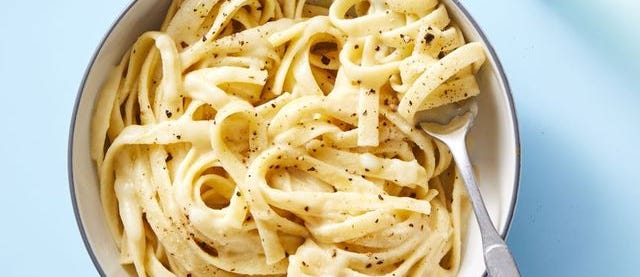
If classic Alfredo is the little black dress of pasta sauces, vegan cauliflower Alfredo is the cool, comfy, surprisingly flattering jumpsuit. It’s creamy, cozy, ridiculously satisfying, and somehow manages to feel both indulgent and smart at the same time. No butter avalanche. No heavy cream parade. No dairy drama. Just a velvety, garlicky sauce built from cauliflower, a few clever pantry ingredients, and the kind of kitchen confidence that says, “Yes, I absolutely can make restaurant-style pasta on a Tuesday.”
This guide walks you through exactly how to make the best vegan cauliflower Alfredo recipe at home, why it works, which ingredients matter most, and how to avoid the sad fate of bland beige mush. We’ll also cover pasta pairing tips, easy variations, storage, reheating, and real-world cooking experiences that make this dish so lovable. Whether you’re fully plant-based or just flirting with a dairy-free dinner, this cauliflower Alfredo is here to make your weeknight taste much fancier than it actually is.
What Is Vegan Cauliflower Alfredo?
Vegan cauliflower Alfredo is a dairy-free twist on traditional Alfredo sauce. Instead of relying on cream, butter, and Parmesan, it uses cooked cauliflower as the main body of the sauce. When blended until smooth, cauliflower creates a creamy base with a mild flavor that plays well with garlic, black pepper, lemon juice, nutritional yeast, and plant milk.
The result is a sauce that feels rich without being overly heavy. It coats fettuccine beautifully, clings to penne like it has something to prove, and works with vegetables, mushrooms, peas, kale, roasted broccoli, or crispy breadcrumbs. In other words, it’s not a sad substitute. It’s its own delicious thing.
Why This Cauliflower Alfredo Recipe Works
The best vegan cauliflower Alfredo recipe doesn’t try to impersonate dairy with a fake mustache. It builds flavor and texture honestly. Cauliflower brings body. Garlic adds savory depth. Cashews create extra creaminess. Nutritional yeast gives the sauce that cheesy, nutty personality. Lemon juice brightens everything so the flavor doesn’t land with a thud. A little Dijon adds complexity without stealing the spotlight.
The biggest secret, though, is technique. The cauliflower has to be cooked until very soft. Not “probably fine.” Not “fork-tender-ish.” Soft enough that blending turns it silky instead of grainy. Then the sauce needs a splash of reserved pasta water to loosen and gloss it so it hugs the noodles instead of sitting on top like a confused soup.
Best Vegan Cauliflower Alfredo Recipe
Yield, Time, and Texture
This recipe serves 4 to 6 people, depending on whether everyone is merely hungry or “I skipped lunch and made emotional eye contact with the bread basket” hungry. It takes about 35 to 40 minutes from start to finish. The sauce is smooth, creamy, savory, lightly cheesy, and garlic-forward without turning into a garlic jump scare.
Ingredients
- 12 ounces fettuccine, linguine, or your favorite pasta
- 1 medium head cauliflower, cut into florets (about 6 cups)
- 1 tablespoon olive oil
- 1 small yellow onion, chopped
- 4 garlic cloves, chopped
- 2 cups low-sodium vegetable broth
- 1/2 cup raw cashews, soaked in hot water for 20 to 30 minutes, then drained
- 3/4 cup unsweetened oat milk or cashew milk
- 3 tablespoons nutritional yeast
- 1 tablespoon lemon juice
- 1 teaspoon Dijon mustard
- 1/8 teaspoon ground nutmeg
- 1 1/4 teaspoons kosher salt, plus more for pasta water
- 1/2 teaspoon black pepper
- 1/2 to 1 cup reserved pasta water
- Chopped parsley, for serving
- Optional: sautéed mushrooms, peas, spinach, kale, roasted broccoli, or toasted breadcrumbs
How To Make Cauliflower Alfredo
- Boil the pasta. Bring a large pot of well-salted water to a boil and cook the pasta until al dente. Before draining, reserve at least 1 cup of pasta water. This matters. Do not pour it away and then stare into the sink like a tragic hero.
- Cook the aromatics. While the pasta cooks, heat the olive oil in a large saucepan or Dutch oven over medium heat. Add the onion and cook for 4 to 5 minutes, until softened. Add the garlic and cook for 1 minute, just until fragrant.
- Simmer the cauliflower. Add the cauliflower florets and vegetable broth. Cover and simmer for 12 to 15 minutes, or until the cauliflower is completely soft.
- Blend the sauce. Transfer the cooked cauliflower mixture to a blender. Add the soaked cashews, plant milk, nutritional yeast, lemon juice, Dijon mustard, nutmeg, salt, and black pepper. Blend until completely smooth. If needed, add a little pasta water to help it move.
- Toss and adjust. Return the sauce to the pan over low heat. Add the drained pasta and toss well. Add reserved pasta water a little at a time until the sauce becomes glossy and coats the noodles evenly.
- Serve hot. Finish with parsley, black pepper, and any toppings you love. If you want a little crunch, toasted breadcrumbs are excellent. If you want more vegetables, add sautéed mushrooms, peas, spinach, or roasted broccoli.
Flavor Profile: What Does Cauliflower Alfredo Taste Like?
A good cauliflower Alfredo sauce should taste creamy and savory, not like you pureed a side dish and hoped for the best. Cauliflower has a mellow flavor, which makes it ideal for sauces because it takes on the character of the ingredients around it. Garlic, nutritional yeast, black pepper, lemon, and onion turn it into something rich and balanced.
You will notice that this sauce tastes a little fresher and lighter than classic Alfredo. That is not a flaw. That is the whole point. It still feels comforting and luscious, but without the heavy, nap-required finish that some cream sauces bring to the table.
Ingredient Notes That Actually Matter
Cauliflower
Use fresh cauliflower florets for the best flavor and texture. Frozen cauliflower can work, but it may produce a slightly looser sauce and a softer flavor. If you use frozen, simmer long enough to cook off extra moisture.
Cashews
Cashews are not mandatory, but they take the sauce from good to “wait, this is vegan?” They add fat, body, and a luxurious mouthfeel. If you need a nut-free version, leave them out and add 1 to 2 extra tablespoons of olive oil plus a little more cauliflower.
Nutritional Yeast
This is where the cheesy flavor comes from. It adds umami and a slightly nutty depth that helps the sauce taste more Alfredo-like. Start with 3 tablespoons, then adjust if you want a bolder finish.
Lemon Juice and Dijon
These two ingredients are quiet overachievers. Lemon wakes up the sauce. Dijon adds subtle complexity. Together, they keep the sauce from tasting flat or one-note.
Common Mistakes To Avoid
1. Undercooking the cauliflower
If the cauliflower is not very soft, the sauce can turn grainy. Blend all you want, but there is only so much a blender can do for stubborn vegetables with trust issues.
2. Using sweetened plant milk
Please do not accidentally pour vanilla almond milk into Alfredo sauce unless you are conducting a highly specific science experiment. Use unsweetened plain oat, soy, or cashew milk.
3. Forgetting the pasta water
Pasta water helps transform a thick puree into a silky sauce that clings to noodles. Add it gradually until the sauce looks glossy and flows easily.
4. Under-seasoning
Cauliflower is mild. That means salt, pepper, garlic, and acid matter. Taste the sauce before serving and adjust it. A bland Alfredo is just creamy disappointment.
Best Pasta and Add-Ins for Vegan Cauliflower Alfredo
Best Pasta Shapes
Fettuccine is the classic pick because its broad strands hold creamy sauce beautifully. Linguine works well too. Short shapes like rigatoni, penne, and fusilli are great if you want more texture and more sauce tucked into every bite.
Best Vegetables
Roasted broccoli, sautéed mushrooms, spinach, kale, peas, asparagus, and roasted cherry tomatoes all work beautifully here. Mushrooms make the dish feel earthier and more dinner-party worthy. Peas add sweetness. Kale and spinach bring a little green bite and help the bowl look less monochromatic.
Best Toppings
Try chopped parsley, cracked black pepper, vegan Parmesan, toasted breadcrumbs, chili flakes, or lemon zest. Breadcrumbs are especially good because creamy pasta plus crunchy topping is one of life’s more reliable joys.
How To Make It Even Better
If you want a deeper flavor, roast the cauliflower instead of simmering it. Roasting adds nuttiness and a slightly sweeter, more concentrated flavor. If you want the smoothest possible sauce, use a high-speed blender and let it run long enough for the mixture to become glossy.
If you love extra garlic, roast a whole head and blend a few cloves into the sauce. If you want a richer finish, swirl in a spoonful of vegan butter or a touch more olive oil right before serving. If you want heat, add a pinch of red pepper flakes. There is no Alfredo police.
How To Store and Reheat Cauliflower Alfredo
Store leftover pasta in an airtight container in the refrigerator for up to 3 days. The sauce will thicken as it sits, which is normal. Reheat it gently in a skillet or saucepan with a splash of water, broth, or plant milk. Stir frequently until it loosens back into a creamy sauce.
If you are meal prepping, store the sauce separately from the pasta when possible. That gives you better texture later and avoids noodles that have absorbed every last drop like tiny carb sponges.
Is Vegan Cauliflower Alfredo Good for Weeknights?
Absolutely. This is one of those recipes that feels fancy enough for company but practical enough for a regular Wednesday. It uses easy-to-find ingredients, comes together in under an hour, and can be customized based on what’s in the fridge. It is especially useful when you want comfort food that doesn’t feel overwhelmingly rich.
It also solves a very real dinner problem: how to make a creamy pasta dish without depending on dairy. Whether you are vegan, dairy-free, cooking for mixed diets, or simply trying to get more vegetables into dinner without announcing it like a press conference, this recipe earns its keep.
Real-World Kitchen Experiences With Vegan Cauliflower Alfredo
One of the most interesting things about making vegan cauliflower Alfredo at home is how quickly people stop asking skeptical questions once the pasta hits the bowl. Before dinner, the reactions often sound like this: “Cauliflower? In Alfredo?” After dinner, the same people are suddenly scraping the pan with a spoon like they’ve misplaced all dignity. That is the magic of a good sauce.
In real kitchens, this recipe tends to become a repeat meal for a few simple reasons. First, it feels comforting without being too heavy. You get the creamy pasta experience people crave, but the finish is lighter and less sleepy. That makes it especially appealing on weeknights, when nobody wants dinner to feel like a weighted blanket with garlic.
Another common experience is surprise at how adaptable it is. Some cooks make it ultra-smooth and elegant for date night with fettuccine, mushrooms, and parsley. Others throw it over penne with peas and broccoli because the fridge is looking a little chaotic and payday is still several sunsets away. Both versions work. That flexibility is part of why this recipe sticks around.
Texture is usually the learning curve. The first time someone makes cauliflower Alfredo, they often discover one of two truths: either the cauliflower needed more cooking time, or the sauce needed more blending time. Once you nail those two details, everything changes. Suddenly the sauce goes from “healthy experiment” to “actual dinner success.” Many home cooks also learn the hard way that reserved pasta water is not optional. It is the bridge between thick puree and silky sauce.
There is also the experience of building confidence with plant-based cooking. A lot of people approach vegan cream sauces expecting compromise. But this recipe teaches an important lesson: plant-based food does not have to mimic every traditional dish exactly to be excellent. It just needs to be deeply flavorful, properly seasoned, and satisfying to eat. Cauliflower Alfredo succeeds because it respects the comfort-food mood while using different tools to get there.
Families and friend groups also tend to appreciate how customizable it is. Someone wants extra garlic? Easy. Someone hates kale? Fine, use peas. Someone wants protein? Add crispy tofu, white beans, or even a plant-based sausage on top. Someone wants it gluten-free? Use gluten-free pasta. The sauce itself plays nicely with all kinds of twists, which makes dinner less of a negotiation and more of a meal.
And then there is the oddly satisfying blender moment. A pot full of humble cauliflower, onion, and garlic goes in looking sensible and respectable. Thirty seconds later, out comes a glossy, creamy sauce that looks like it belongs on a restaurant menu with an unnecessarily dramatic font. That transformation is one of the most rewarding parts of the recipe. It feels clever, practical, and just a tiny bit wizardly.
So yes, the experience of making the best vegan cauliflower Alfredo recipe is about more than dinner. It is about discovering that comfort food can evolve, that vegetables can be sneaky little overachievers, and that a creamy pasta night does not need cream to feel special. Also, it is about learning to reserve the pasta water before draining. Growth comes in many forms.
Conclusion
If you’ve been searching for the best vegan cauliflower Alfredo recipe, this is the one to keep in your back pocket. It is creamy, savory, flexible, and much easier to make than its luxurious texture suggests. More importantly, it proves that how to make cauliflower Alfredo is not a mystery or a compromise. It is simply a smart, delicious technique that turns a humble vegetable into a silky pasta sauce worth craving.
Make it once for a cozy dinner, then make it again when you need something reliable, crowd-pleasing, and just a little bit impressive. Because sometimes the best comfort food is the kind that surprises you.