Your bedroom is not just the place where you collapse after promising yourself you would “only scroll for five minutes.” It is your personal reset button, your quiet corner, your soft landing, and sometimes your emergency laundry staging zone. Good bedroom decorating and design ideas should do more than make a room look pretty for photos. They should help the space feel calm, comfortable, functional, and unmistakably yours.
The best bedroom design combines practical choices with personality. That means the right bed placement, soothing color palette, layered lighting, smart storage, beautiful bedding, and a few decorative details that make the room feel alive without turning it into a furniture showroom. Whether you are decorating a small bedroom, refreshing a guest room, or giving your primary bedroom a full glow-up, the goal is simple: create a space that makes you exhale the moment you walk in.
Start With the Mood Before You Buy Anything
Before choosing paint, bedding, nightstands, rugs, or that sculptural lamp you swear is “basically art,” decide how you want the bedroom to feel. Calm and airy? Warm and cocoon-like? Moody and dramatic? Modern and minimal? Traditional with cozy layers? A clear mood keeps your design decisions from wandering off like socks in a dryer.
Create a simple inspiration board using colors, textures, furniture shapes, and bedroom layouts you like. You do not need to copy another room exactly. In fact, please do not turn your home into a museum of someone else’s Pinterest board. Instead, look for patterns. If you keep saving rooms with linen bedding, wood furniture, soft green walls, and warm lamps, your bedroom is politely telling you what it wants to become.
Choose a Bedroom Color Palette That Supports Rest
Color is one of the most powerful bedroom decorating tools because it changes the emotional temperature of the room. Soft neutrals, warm whites, muted blues, dusty greens, gentle taupes, mushroom tones, and earthy beige shades are popular for bedrooms because they feel grounded and restful. They also play nicely with wood, woven textures, and natural fabrics.
If you love bold color, you do not have to live inside a beige cloud. Deep navy, forest green, plum, clay, chocolate brown, and charcoal can make a bedroom feel luxurious and enveloping. The secret is commitment. A tiny dark accent wall can sometimes feel choppy, while painting walls, trim, and even the ceiling in a related tone can make the room feel intentional and cozy.
Try the 60-30-10 Color Rule
For an easy color plan, use the 60-30-10 rule. Let about 60 percent of the room be your main color, such as the wall color or large furniture. Use 30 percent for a supporting tone, such as wood, upholstery, curtains, or a rug. Save 10 percent for accents like pillows, artwork, lamps, or a throw blanket. This keeps the room balanced without making it look like a color wheel exploded before breakfast.
Place the Bed Like It Owns the Room
The bed is the star of the bedroom, so do not make it stand awkwardly in the corner like it arrived late to a party. In most rooms, the strongest layout places the headboard on the wall opposite the door or on the most visually balanced wall. This gives the room a sense of arrival and makes the bed feel anchored.
If space allows, leave walking room on both sides of the bed. Matching nightstands are not required, but balanced bedside surfaces help the room feel polished. In a small bedroom, consider narrow nightstands, wall-mounted shelves, or floating drawers. In a larger bedroom, a bench, trunk, or pair of ottomans at the foot of the bed can add function and finish.
Invest in Bedding That Makes the Room Feel Finished
Bedding is the easiest way to change the personality of a bedroom. Crisp white sheets create a hotel-like feel. Linen bedding brings relaxed texture. A quilt adds charm. A duvet makes the bed feel plush and inviting. Layering is key: sheets, a blanket or quilt, a duvet or comforter, sleeping pillows, and a few decorative pillows create depth without requiring a degree in pillow engineering.
For a clean, designer look, mix textures instead of piling on too many patterns. Pair cotton sheets with a linen duvet, a wool throw, and velvet or boucle accent pillows. If you do use pattern, repeat colors from the room so everything feels connected. The goal is “effortlessly cozy,” not “bedding department after a windstorm.”
Layer Bedroom Lighting for Morning, Evening, and Everything Between
A single overhead light rarely makes a bedroom feel relaxing. It usually says, “Welcome to the interrogation room, please explain why you bought another throw pillow.” A better bedroom lighting plan uses layers: ambient lighting, task lighting, and accent lighting.
Ambient lighting provides general brightness through a ceiling fixture, recessed lights, or a pendant. Task lighting helps with reading, dressing, or applying skincare without guessing where your face is. Accent lighting adds softness through sconces, picture lights, LED strips, or small lamps. Add dimmers where possible, and choose warm bulbs for a softer evening mood.
Best Bedroom Lighting Ideas
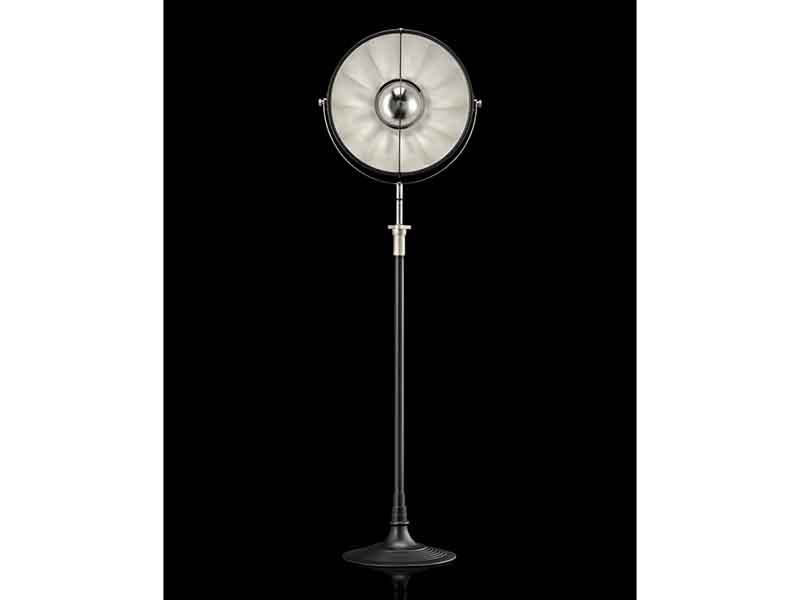
Use table lamps on nightstands for symmetry, wall sconces to save surface space, pendant lights for drama, and floor lamps for reading corners. In guest rooms, place a lamp on both sides of the bed when possible. Nobody wants to negotiate for the only light switch like it is a rare family heirloom.
Use Rugs to Ground the Room
A bedroom without a rug can still look good, but a bedroom with the right rug often feels warmer, softer, and more complete. A rug helps define the bed area, especially in rooms with hardwood, tile, or laminate floors. It also gives your feet a pleasant landing in the morning, which is more than your alarm clock has ever done for you.
For a queen or king bed, choose a rug large enough to extend beyond the sides and foot of the bed. If a large rug is not in the budget, place runners on each side of the bed or use a smaller rug at the foot. The rug should relate to the room’s color palette, but it does not need to match perfectly. A little contrast adds life.
Make Small Bedrooms Feel Bigger
Small bedroom design is not about cramming in tiny furniture and hoping nobody notices. It is about creating visual breathing room. Choose furniture with exposed legs, light finishes, built-in storage, or simple silhouettes. Use wall-mounted lighting instead of bulky lamps. Keep the floor as clear as possible, and avoid chopping the room into too many small visual sections.
Light colors can make a small bedroom feel airy, but dark colors can also work beautifully when used with confidence. A deep, continuous color on walls and trim can blur edges and create a cozy jewel-box effect. Mirrors can reflect light, curtains hung high can make ceilings look taller, and low-profile beds can improve the sense of scale.
Storage Ideas for Small Bedrooms
Look for beds with drawers, nightstands with shelves, benches with hidden compartments, and baskets that slide under the bed. Vertical storage is your friend: tall dressers, wall hooks, shelves, and built-ins can free up floor space. Just remember that hidden storage is only helpful if you can actually find things later. A mystery bin under the bed is not a storage system; it is a time capsule.
Add Personality With Art, Wallpaper, and Decorative Details
Bedroom decor should feel personal, not generic. Artwork, framed photos, vintage finds, handmade objects, books, ceramics, and travel keepsakes can make the room feel collected over time. If your bedroom feels flat, the walls may need attention. A large piece of art above the bed, a gallery wall, picture molding, grasscloth wallpaper, or a mural can create a strong focal point.
Wallpaper is especially useful in bedrooms because it adds pattern and texture without requiring too many extra objects. Try it behind the headboard, throughout the entire room, inside wall panels, or on the ceiling for a surprise detail. Renters can use peel-and-stick wallpaper, framed fabric panels, or oversized art to get a similar effect without angering the security deposit gods.
Design a Bedroom That Encourages Better Sleep
A beautiful bedroom should also help you rest. Keep clutter low, soften harsh light, choose comfortable bedding, and make the room easy to darken at night. Blackout curtains or shades are especially helpful for light-sensitive sleepers. Layered window treatments can offer privacy during the day and darkness at night.
Try to reduce visual noise around the bed. That does not mean the room must be empty or boring. It simply means avoiding piles of random objects, overloaded shelves, and too many competing patterns. The bedroom should not feel like it is yelling at you while you are trying to sleep.
Bring in Natural Materials and Texture
Texture is what makes a bedroom feel rich, even when the color palette is simple. Wood, rattan, linen, cotton, wool, velvet, stone, leather, clay, and woven materials add warmth and depth. A white bedroom with no texture can feel cold. A white bedroom with linen curtains, a chunky knit throw, a wool rug, a cane bench, and warm wood nightstands feels calm and layered.
Plants can also help soften a bedroom, especially if the room gets decent natural light. Choose low-maintenance plants if your gardening style is best described as “hopeful but inconsistent.” A snake plant, pothos, or ZZ plant can add life without demanding celebrity-level attention.
Guest Bedroom Decorating Ideas
A guest bedroom should feel welcoming, comfortable, and slightly hotel-inspired without losing the warmth of home. Start with a supportive mattress, clean bedding, extra blankets, and pillows with different firmness levels. Add bedside lighting, a place to set a phone, a small tray for jewelry or keys, and a mirror.
Leave some open storage space so guests do not have to live out of a suitcase like they are on a dramatic airport reality show. A luggage rack, bench, or cleared drawer makes a big difference. Keep decor inviting but not overly personal. Family photos are lovely, but a guest room filled with staring relatives can make visitors feel like they are sleeping inside a genealogy presentation.
Budget-Friendly Bedroom Decorating Ideas
You do not need a luxury budget to create a beautiful bedroom. Paint is one of the most affordable ways to transform the space. New lampshades, updated hardware, fresh bedding, thrifted art, a rearranged layout, or a DIY headboard can also make a big impact. Sometimes the best design decision is simply removing what does not belong.
Shop slowly and choose pieces with intention. A bedroom looks better when it evolves naturally instead of being purchased in one frantic weekend. Mix old and new items for character. A vintage dresser, modern lamp, simple upholstered bed, and handmade ceramic vase can look far more interesting than a perfectly matched furniture set.
Common Bedroom Decorating Mistakes to Avoid
One common mistake is choosing furniture that is too large for the room. Measure before buying, especially beds, dressers, and nightstands. Another mistake is ignoring lighting. Even expensive furniture can look sad under a harsh ceiling bulb. A third mistake is decorating only for looks and forgetting comfort. A bedroom chair is useless if nobody wants to sit in it, and a mountain of decorative pillows is only charming until bedtime becomes a nightly excavation project.
Avoid pushing every piece of furniture against the walls unless the room truly requires it. Do not skip window treatments, because curtains and shades add privacy, softness, and polish. Finally, do not overfill the room with accessories. A few meaningful pieces usually look better than a crowded collection of objects that seem to be applying for permanent residency.
Bedroom Decorating and Design Ideas From Real Experience
One of the most useful lessons in bedroom decorating is that the room has to work for real life, not just for a perfect photo taken at 10:03 a.m. with the pillows fluffed and the laundry hidden in another dimension. In my experience, the bedrooms people love most are not always the most expensive or trendy. They are the rooms where every choice supports a daily habit, a comfort need, or a personal preference.
For example, a small bedroom can look instantly better when the bed is centered, even if the room feels tight at first. Many people push the bed into a corner to “save space,” but the result can feel cramped and temporary. Centering the bed, using narrow nightstands, and adding wall sconces often creates a more grown-up layout. It may not add square footage, but it adds order, and order is basically square footage for the nervous system.
Another experience-based tip: test paint colors in the actual bedroom before committing. A soft beige in the store can turn oddly pink at home. A peaceful gray can become chilly. A beautiful green can look perfect in daylight and strangely dramatic at night. Paint large sample squares on different walls and observe them in morning light, afternoon light, and lamplight. Your future self will thank you, preferably while not repainting the room at midnight.
Bedding also matters more than many people expect. A bedroom can have nice furniture and still feel unfinished if the bedding is thin, mismatched, or flat. Adding a quilt, folding a throw at the foot of the bed, using pillow covers with texture, and choosing sheets that feel good can transform the room quickly. The bed takes up the most visual space, so dressing it well gives the entire bedroom an upgrade.
Storage is another area where honest design beats fantasy design. If someone drops clothes on a chair every night, the answer may not be “become a completely different person.” The answer may be adding hooks, a bench with storage, a better hamper, or a small valet stand. Good bedroom design should reduce friction. The easier it is to keep the room tidy, the more peaceful it feels.
Lighting is often the final detail that makes a bedroom feel finished. Replacing one harsh bulb with two warm bedside lamps can completely change the mood. Adding dimmers makes the room more flexible. A reading sconce can turn an unused corner into a favorite spot. Light is emotional, and in the bedroom, it should be flattering, gentle, and adjustable.
Finally, personal items should be chosen carefully. A bedroom should not be sterile, but it also should not become a storage closet for every object with sentimental guilt attached. Keep the pieces that make you happy, calm, or inspired. Edit the rest. The best bedroom decorating and design ideas are not about following rules perfectly. They are about creating a room that supports rest, reflects your style, and makes ordinary evenings feel a little more special.
Conclusion
Great bedroom decorating begins with intention. Decide how you want the room to feel, then build the design through color, layout, lighting, bedding, texture, storage, and personal details. A restful bedroom does not have to be plain, and a stylish bedroom does not have to be uncomfortable. The sweet spot is a space that looks beautiful, functions smoothly, and welcomes you at the end of the day like it has been saving the good pillow just for you.
Note: The most successful bedroom design is not the one that follows every trend. It is the one that fits your room, your routines, your budget, and your idea of comfort.