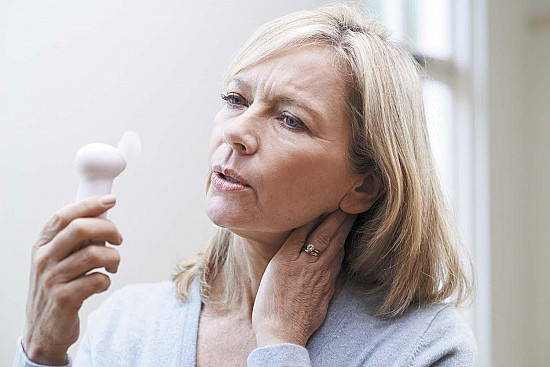
Hot flashes can feel spectacularly dramatic. One minute, you are answering an email or sleeping peacefully; the next, your internal thermostat appears to have been hijacked by a tiny, overenthusiastic furnace operator. Your face becomes warm, sweat appears without an invitation, and your heart may briefly race.
For most women in perimenopause or early postmenopause, hot flashes are a common response to changing hormone levelsnot an emergency and not proof that a serious disease is developing. However, emerging research discussed by Harvard Health suggests that the timing, severity, and persistence of hot flashes may provide useful clues about cardiovascular health, sleep quality, and, possibly, cognitive health.
The sensible response is neither panic nor dismissal. Hot flashes are usually a normal menopause symptom, but certain patterns deserve a conversation with a healthcare professional.
Are Hot Flashes a Warning Sign?
Usually, nobut sometimes they can serve as a health signal.
Hot flashes that begin during the typical menopause transition are generally considered vasomotor symptoms caused by hormonal changes. They are extremely common, affecting as many as eight in 10 women during perimenopause or menopause. Episodes often continue for several years, and some women experience them for a decade or longer.
Recent studies have found that women with frequent, severe, persistent, or unusually timed hot flashes may also have higher rates of cardiovascular risk factors or cognitive difficulties. That does not mean hot flashes directly cause a heart attack, stroke, or dementia. Much of the evidence is observational, so researchers cannot always separate the effects of hot flashes from aging, sleep disruption, smoking, obesity, high blood pressure, diabetes, depression, or other factors.
Think of a hot flash less like a flashing red emergency light and more like a dashboard notification. Most of the time, it reflects the expected menopause transition. Occasionally, it suggests that checking the rest of the dashboard would be wise.
What Exactly Happens During a Hot Flash?
A hot flash is a sudden sensation of heat, usually concentrated in the face, neck, chest, and upper body. It may be accompanied by flushing, sweating, chills, anxiety, dizziness, or a noticeable heartbeat. When it occurs during sleep, it is commonly called a night sweat.
The leading explanation involves the hypothalamus, the brain region that helps regulate body temperature. As estrogen levels fluctuate and decline, the brain’s comfortable temperature range may become unusually narrow. A tiny increase in body temperature can then trigger an oversized cooling response: blood vessels near the skin widen, sweating begins, and the heart rate may increase.
The episode commonly lasts between one and five minutes, although the uncomfortable aftereffectswet clothing, chills, embarrassment, or being wide awake at 3 a.m.can last much longer.
Common hot-flash features include:
- A sudden wave of warmth in the upper body
- Redness or blotchy skin on the face, neck, or chest
- Sweating followed by chills
- A rapid or pounding heartbeat
- Nighttime awakenings and difficulty returning to sleep
- Episodes triggered by heat, stress, alcohol, caffeine, or spicy foods
When Hot Flashes Are Most Likely a Normal Menopause Symptom
Hot flashes are most likely to be part of the usual menopause transition when they begin in a woman’s 40s or early 50s and occur alongside changes such as irregular periods, sleep problems, vaginal dryness, mood changes, or changes in menstrual flow.
Menopause is officially reached after 12 consecutive months without a menstrual period. Perimenopause, the transition leading to that point, can last for years. During this time, hormone levels do not simply glide downward like a well-behaved elevator. They fluctuate, sometimes unpredictably, which helps explain why symptoms may come and go.
According to the perspective highlighted by Harvard Health, hot flashes occurring early in the menopause transition are not clearly associated with a higher risk of dementia or cardiovascular disease on their own. For many women, they are uncomfortable but medically routine.
What Hot Flashes May Reveal About Heart Health
Researchers have found associations between vasomotor symptoms and several cardiovascular risk factors, including high blood pressure, unfavorable cholesterol levels, insulin resistance, diabetes, obesity, inflammation, and impaired blood-vessel function.
Frequent or persistent hot flashes have also been associated in some studies with a higher likelihood of future cardiovascular events. The relationship appears more concerning when symptoms continue after age 60, begin for the first time years after menopause, or occur alongside multiple established heart-disease risks.
There are several possible explanations. Declining estrogen levels affect blood vessels, cholesterol, body-fat distribution, and glucose metabolism. Women with existing blood-vessel dysfunction may also be more likely to experience severe hot flashes. In addition, the sleep loss caused by night sweats can contribute to weight gain, elevated blood pressure, poorer blood-sugar control, and inflammation.
In other words, hot flashes may sometimes be a marker of underlying cardiovascular vulnerability rather than the direct cause of it.
Use midlife as a heart-health checkpoint
Women experiencing significant menopause symptoms should consider reviewing the following with a healthcare professional:
- Blood pressure
- Cholesterol and triglyceride levels
- Blood glucose or A1C
- Smoking history
- Physical activity and sleep quality
- Family history of heart attack or stroke
- Age at menopause, especially menopause before age 45
A blood-pressure cuff is admittedly less exciting than a new pair of cooling pajamas, but it may provide more useful information about long-term health.
Do Hot Flashes Predict Dementia?
The evidence concerning hot flashes and brain health is intriguing but not conclusive.
Some research has linked severe menopause symptoms with mild cognitive impairment or changes in brain imaging. Studies have also reported associations between frequent night sweats and markers of small-vessel changes in the brain. However, these findings do not establish that hot flashes cause dementia.
Sleep may be a major part of the connection. Night sweats can repeatedly interrupt restorative sleep, and chronic sleep disruption is associated with poorer concentration, mood changes, memory difficulties, high blood pressure, metabolic problems, and reduced cognitive performance.
A woman who wakes six times a night may understandably struggle to remember where she placed her keys. That does not automatically mean she is developing dementia; it may mean her brain is exhausted and her keys have once again been placed in the refrigerator beside the milk.
Exercise, a healthy body weight, good blood-pressure control, adequate sleep, and other lifestyle factors may reduce both cardiovascular and cognitive risk. These factors may also partly explain why some women with severe symptoms experience worse outcomes than others.
When Hot Flashes Need Medical Attention
Hot flashes should be evaluated when their timing or accompanying symptoms do not fit the usual menopause pattern.
Schedule a medical appointment when hot flashes:
- Begin suddenly years after menopause symptoms had ended
- First appear after age 60
- Regularly interrupt sleep or daily activities
- Become unusually frequent or severe
- Occur with unexplained weight loss, fever, persistent cough, diarrhea, or localized pain
- Occur with tremors, persistent palpitations, anxiety, or unexplained weight changes
- Begin after starting or changing a medication
- Occur following cancer treatment or surgery involving the ovaries
Menopause is the most common cause of hot flashes, but other possibilities include thyroid disorders, medication side effects, infections, anxiety conditions, and, more rarely, certain cancers or hormone-producing tumors. A medical evaluation helps distinguish a routine vasomotor symptom from something requiring specific treatment.
Seek urgent care for possible emergency symptoms
Do not assume that sudden sweating, warmth, nausea, or shortness of breath is merely a hot flash when it occurs with chest pressure, chest pain, fainting, severe weakness, pain spreading to the arm, jaw, back, or shoulder, or new neurological symptoms. Women can experience heart attacks differently from the classic movie scene in which someone dramatically grabs the center of the chest.
Symptoms suggesting a heart attack, stroke, serious breathing problem, or another emergency require immediate medical help.
How Doctors Evaluate Persistent or Atypical Hot Flashes
A healthcare professional will usually begin with the pattern of symptoms, age, menstrual history, medical history, medications, and family risk factors. Tests are not always necessary to diagnose typical perimenopause, but they may be appropriate when symptoms are atypical.
Depending on the situation, an evaluation may include blood-pressure measurement, cholesterol testing, blood-sugar testing, thyroid tests, a blood count, liver testing, or other targeted studies. A clinician may also ask about mood, alcohol use, sleep apnea, insomnia, recent medication changes, and cancer history.
Keeping a symptom diary for two to four weeks can make the appointment more productive. Record the time of each episode, severity, possible triggers, nighttime awakenings, menstrual changes, medications, and related symptoms. This turns “I get hot sometimes” into information a clinician can actually use.
Managing Hot Flashes Safely
Lifestyle measures
Simple changes may be sufficient for mild symptoms. Dress in removable layers, use a fan, keep the bedroom cool, choose breathable bedding, avoid smoking, and identify personal triggers. Common triggers include alcohol, spicy foods, caffeine, hot rooms, emotional stress, and hot beverages.
Regular exercise supports heart, bone, metabolic, sleep, and mental health, even though it may not eliminate hot flashes completely. Maintaining a healthy weight may also reduce symptom severity for some women. Cognitive behavioral therapy and clinical hypnosis have evidence for reducing how disruptive vasomotor symptoms feel.
Menopausal hormone therapy
Estrogen-based menopausal hormone therapy remains the most effective treatment for hot flashes and night sweats. Women who still have a uterus generally need a progestogen with systemic estrogen to protect the uterine lining.
The decision is individualized. Age, time since menopause, symptom severity, personal preferences, and risks involving blood clots, stroke, breast cancer, liver disease, or unexplained vaginal bleeding all matter. Hormone therapy should not be started merely to prevent heart disease or dementia, and it is not appropriate for everyone.
Nonhormonal prescription treatments
Nonhormonal options include certain antidepressants, gabapentin, oxybutynin, and newer neurokinin-targeting medicines. The FDA has approved fezolinetant and elinzanetant for moderate to severe menopausal vasomotor symptoms.
These medicines have different side effects, drug interactions, and monitoring requirements. Some neurokinin-targeting treatments require liver testing, while other options may cause drowsiness, dizziness, dry mouth, or changes in blood pressure. Treatment should therefore be selected with a qualified clinician rather than borrowed from a friend whose medical plan happens to live in her bathroom cabinet.
Experiences With Hot Flashes: Three Illustrative Stories
The following are composite examples created from common clinical patterns. They are not individual patient reports and should not be used for self-diagnosis.
The 47-year-old who thought every flash meant heart trouble
At 47, Melissa began experiencing irregular periods and brief waves of heat during afternoon meetings. Her face flushed, her blouse felt suddenly too warm, and the episodes ended within several minutes. Because her father had experienced a heart attack, she worried that each hot flash was an early cardiac warning.
Her clinician reviewed the timing, menstrual changes, blood pressure, cholesterol, blood sugar, family history, and exercise habits. The overall pattern was consistent with perimenopause rather than an immediate heart problem. However, the appointment still proved valuable: Melissa’s blood pressure was slightly elevated, and her cholesterol had increased since her previous screening.
She began walking regularly, improved her sleep schedule, reduced smoking exposure, and tracked her blood pressure. Her flashes did not vanish overnight, but the experience changed her approach. She stopped treating each episode as an emergency while taking her long-term cardiovascular health more seriously.
The 55-year-old whose main problem was sleep
Denise’s daytime hot flashes were manageable, but her night sweats were relentless. She woke several times each night, changed pajamas, flipped the pillow, adjusted the fan, and stared accusingly at the thermostat. By morning, she was tired, irritable, forgetful, and convinced that her memory was permanently declining.
Her evaluation did not suggest dementia. Instead, severe vasomotor symptoms and fragmented sleep were affecting her concentration and mood. After discussing her medical history and treatment preferences, Denise and her clinician selected an evidence-based therapy and developed a sleep plan. She also limited late caffeine, kept her bedroom cooler, and started recording nighttime symptoms.
As her sleep improved, so did her daytime focus. Her experience illustrates why cognitive complaints during menopause deserve attention without automatically being interpreted as neurodegenerative disease. A tired brain can feel alarmingly unreliable, even when the central problem is repeated sleep interruption.
The 63-year-old with new symptoms years after menopause
Ruth completed menopause in her early 50s, and her original hot flashes had disappeared. At 63, she unexpectedly began having intense sweating, palpitations, shakiness, and unexplained weight loss. She initially blamed “menopause coming back” and delayed making an appointment.
Her clinician considered the late onset and additional symptoms atypical. A medication review and laboratory testing were arranged rather than assuming ordinary menopause. In a real situation, this type of pattern could be related to a thyroid problem, medication effect, infection, metabolic disorder, or another medical condition.
The important lesson is not that every late hot flash signals a dangerous disease. It is that a new symptom beginning many years after the menopause transition deserves evaluation. Timing changes the meaning of the symptom.
What these experiences have in common
All three women had hot flashes, but the appropriate response differed. Melissa needed reassurance plus cardiovascular screening. Denise needed treatment for severe symptoms and disrupted sleep. Ruth needed an investigation for a possible nonmenopausal cause.
This is why online symptom lists can only go so far. The number of episodes matters, but so do age, timing, duration, menstrual status, sleep quality, medications, family history, and accompanying symptoms. A hot flash is not a complete diagnosis. It is one piece of a much larger health story.
Conclusion: Pay Attention Without Assuming the Worst
For most women in perimenopause or early postmenopause, hot flashes are a normal consequence of hormonal change. They are uncomfortable, sometimes exhausting, and occasionally capable of turning a peaceful bedroom into a tropical weather experimentbut they are usually not dangerous.
Still, frequent or severe hot flashes can interfere with sleep and quality of life. Persistent symptoms after age 60, symptoms that first appear long after menopause, or episodes accompanied by weight loss, fever, chest discomfort, shortness of breath, or other unusual signs should be medically evaluated.
Research linking vasomotor symptoms with heart and brain health should encourage preventive care, not fear. Midlife is an excellent time to check blood pressure, cholesterol, blood sugar, sleep, physical activity, and family risk. Treat troublesome symptoms, protect cardiovascular health, and give restorative sleep the respect it deserves.