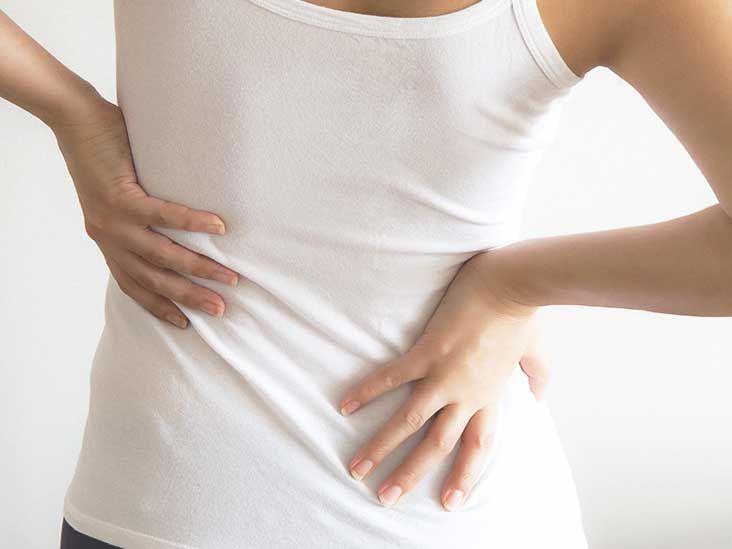
Sacroiliac joint pain can make an ordinary day feel like your pelvis has filed a formal complaint. Sitting too long hurts. Standing up hurts. Climbing stairs may suddenly require strategy, patience, and a sturdy handrail.
The sacroiliac joints, commonly called the SI joints, sit where the triangular bone at the bottom of the spine meets the left and right sides of the pelvis. These small, sturdy joints transfer forces between the upper and lower body while allowing only a limited amount of movement. When an SI joint becomes irritated, inflamed, too mobile, or unusually stiff, pain may appear in the lower back, buttock, hip, groin, or upper leg.
Because SI joint pain can resemble sciatica, a herniated disk, hip arthritis, or a muscle strain, identifying the true source is not always easy. This guide explains the common causes, symptoms, diagnostic process, treatment options, warning signs, and practical realities of living with SI joint discomfort.
What Is the Sacroiliac Joint?
You have two sacroiliac joints, one on each side of the sacrum. Strong ligaments surround these joints and help stabilize the pelvis. Unlike a shoulder or knee, an SI joint is not designed for dramatic movement. Its job is more subtle: absorbing shock and transferring weight from the spine through the pelvis and into the legs.
SI joint pain is a broad description rather than a single disease. It may involve mechanical dysfunction, inflammation, arthritis, injury, pregnancy-related changes, or another underlying condition.
SI Joint Dysfunction vs. Sacroiliitis
The terms are sometimes used interchangeably, but they are not identical. SI joint dysfunction generally refers to abnormal movement or altered mechanics of the joint. It may move too much, move too little, or transfer forces unevenly.
Sacroiliitis specifically means inflammation of one or both SI joints. It can occur after injury, but it is also associated with inflammatory forms of arthritis, including axial spondyloarthritis and ankylosing spondylitis.
What Does SI Joint Pain Feel Like?
SI joint pain commonly begins in the lower back or buttock, often on one side. Some people feel a dull ache, while others describe a sharp, stabbing, burning, or catching sensation. The pain may spread into the hip, groin, thigh, or upper leg. It can resemble sciatica, although true sciatica usually follows an irritated nerve and may travel below the knee into the calf or foot.
Common symptoms include:
- Pain near one or both dimples of the lower back
- Buttock, hip, groin, or upper-thigh pain
- Pain when standing up after sitting
- Discomfort while climbing stairs
- Pain when turning in bed or sleeping on one side
- Symptoms that worsen with long periods of standing or sitting
- Pain during running, lunging, bending, or twisting
- A feeling that one leg is unstable or may give way
- Stiffness around the pelvis and lower back
Activities that load one side of the pelvis tend to be especially irritating. Getting out of a car, stepping onto a curb, carrying a child on one hip, or standing with most of your weight on one leg may provoke symptoms. Even putting on pants can become an unexpected balance challenge.
Common Causes of SI Joint Pain
1. Repetitive Stress and Overuse
Running, heavy lifting, frequent stair climbing, and sports that involve twisting or rapid changes in direction can repeatedly load the SI joints. Trouble may develop when activity increases faster than the surrounding muscles can adapt.
Muscle weakness, poor movement patterns, or inadequate recovery may also shift more stress toward the pelvis. This does not mean every sore runner has an SI joint problem, but repetitive loading can be part of the puzzle.
2. Traumatic Injury
A fall onto the buttocks, a car crash, a hard sports collision, or an awkward lifting injury can damage the joint or its supporting ligaments. Sudden trauma may also cause a pelvic or sacral fracture, particularly in older adults or people with osteoporosis.
3. Pregnancy and Postpartum Changes
Pregnancy changes posture, body weight, muscle function, and pelvic loading. Hormonal changes also increase ligament flexibility in preparation for childbirth. For some people, this additional mobility contributes to pelvic girdle or SI joint pain during pregnancy or after delivery.
A pelvic support belt may help selected postpartum patients, especially when used as part of a broader rehabilitation program rather than as a permanent substitute for muscle strength.
4. Arthritis and Age-Related Degeneration
Cartilage and joint surfaces can change with age, past injuries, or years of mechanical stress. Osteoarthritis may cause stiffness and pain around the SI joint, although imaging findings do not always match the severity of a person’s symptoms.
5. Inflammatory Arthritis
Inflammatory diseases such as axial spondyloarthritis, ankylosing spondylitis, psoriatic arthritis, reactive arthritis, and arthritis associated with inflammatory bowel disease can affect the SI joints. Inflammatory back pain is often worse after rest, during the night, or early in the morning and may improve with movement.
Other clues can include prolonged morning stiffness, psoriasis, eye inflammation, heel pain, swollen joints, chronic diarrhea, unexplained fatigue, or a family history of inflammatory arthritis.
6. Uneven Loading of the Pelvis
A leg-length difference, scoliosis, an altered walking pattern, muscle imbalance, or limited hip mobility may place uneven stress on the SI joints. Previous hip, knee, or foot problems can also change the way force travels through the pelvis.
7. Previous Lumbar Fusion
After part of the lumbar spine is surgically fused, nearby structures may absorb additional stress. In some patients, the SI joint becomes a new source of pain after lumbar fusion.
8. Infection
Infection of an SI joint is uncommon but potentially serious. Severe pain accompanied by fever, chills, warmth, or feeling acutely ill requires urgent medical assessment. Joint infections can damage tissue and generally need rapid treatment with antimicrobial medication and, in some cases, drainage.
How SI Joint Pain Is Diagnosed
No single symptom, scan, or office maneuver can perfectly diagnose SI joint pain in every patient. A clinician usually combines your medical history, pain location, physical examination, and response to specific tests.
Medical History
Your clinician may ask when the pain began, whether it followed an injury or pregnancy, which movements trigger it, and whether you have numbness, weakness, fever, psoriasis, digestive symptoms, or prolonged morning stiffness.
The location matters. SI joint pain is commonly felt below the lowest lumbar vertebra and near the back of the pelvis. Pain centered higher in the spine, deep in the groin, or extending into the foot may point toward another source.
Physical Examination
Clinicians often use several pain-provocation maneuvers that apply controlled pressure to the pelvis. Tests may include the thigh-thrust, compression, distraction, sacral-thrust, and Gaenslen maneuvers. A cluster of positive tests is generally more informative than one positive test by itself.
The examination may also evaluate hip movement, muscle strength, walking mechanics, reflexes, sensation, flexibility, and signs of lumbar nerve irritation.
Imaging Tests
X-rays, magnetic resonance imaging, or computed tomography may be ordered when the clinician suspects inflammatory arthritis, fracture, infection, tumor, or another structural condition. However, scans can appear normal in people with mechanical SI joint pain. Conversely, age-related changes may appear on a scan without causing symptoms.
Diagnostic SI Joint Injection
When the diagnosis remains uncertain, a clinician may inject local anesthetic into the SI joint using fluoroscopy or CT guidance. Significant temporary pain relief suggests that the injected joint is contributing to the symptoms. The same procedure may include a corticosteroid for therapeutic relief.
SI Joint Pain Treatment
Treatment depends on the cause, duration, and severity of the pain. Most people begin with nonsurgical care. The goal is not simply to silence the joint for an afternoon but to restore comfortable movement, strength, and tolerance for daily activity.
Activity Modification
Temporarily reduce movements that sharply increase pain, such as heavy lifting, deep lunges, hill running, or prolonged one-legged standing. Complete bed rest is rarely the long-term answer. Gentle movement usually helps prevent stiffness and loss of strength.
During a flare, try taking shorter walks, changing positions regularly, and dividing large chores into smaller sessions. Your pelvis does not award bonus points for carrying every grocery bag in one trip.
Ice and Heat
Ice may calm pain after a new injury or activity-related flare. Heat can relax tight muscles and reduce stiffness. Use a protective layer between the skin and the temperature source, and avoid falling asleep on a heating pad.
Pain Medication
Nonsteroidal anti-inflammatory drugs, such as ibuprofen or naproxen, may reduce pain and inflammation for some patients. Acetaminophen may be another option when inflammation is not the primary problem. Medication choice should account for kidney disease, liver disease, ulcers, blood-thinning medication, pregnancy, cardiovascular risk, allergies, and other health factors.
Follow label directions and ask a healthcare professional before combining medicines or using them regularly. “It was over the counter” is not the same thing as “it cannot cause side effects.”
Physical Therapy
Physical therapy is a common first-line treatment. A program may focus on pelvic stabilization, abdominal and gluteal strength, hip mobility, posture, walking mechanics, and controlled stretching. Manual therapy or joint manipulation may be added when appropriate. Evidence-based guidance favors a combined program rather than relying on a single stretch or manipulation.
Typical exercises may include bridges, clamshells, bird-dogs, side steps, hip-flexor stretches, and gentle hamstring stretches. The right exercise depends on the individual. A movement that helps one person may irritate another, particularly when hypermobility, arthritis, pregnancy, or a recent injury is involved.
Pelvic Belts and Support Devices
An SI belt wraps around the pelvis and may reduce painful motion in selected patients. It is most commonly considered for pregnancy-related or postpartum pelvic instability. Correct placement matters; wearing it around the waist like an ordinary belt is unlikely to impress either the joint or the physical therapist.
Corticosteroid Injections
An image-guided injection can place corticosteroid and numbing medication in or around the joint. Relief varies. Some patients receive meaningful improvement for weeks or months, while others experience limited benefit. Repeated injections must be considered carefully because steroids have potential risks.
Radiofrequency Ablation
Radiofrequency ablation uses controlled heat to interrupt selected pain-carrying nerve branches near the SI joint. It may be considered when conservative treatments fail and diagnostic blocks indicate that those nerves are involved. Relief is not necessarily permanent because nerves can recover over time.
Treatment for Inflammatory Disease
When sacroiliitis is caused by inflammatory arthritis, treatment may involve a rheumatologist. Exercise and anti-inflammatory medication may help, while some patients require disease-modifying drugs or biologic therapy to control the underlying immune-mediated condition.
SI Joint Fusion
Surgery is generally reserved for persistent, disabling pain that has been carefully confirmed as SI-joint-related and has not responded to appropriate nonsurgical care. SI joint fusion stabilizes the joint using implants and bone-healing techniques. It may help selected patients, but it carries surgical risks and requires a structured recovery period.
When to Seek Medical Care
Schedule an evaluation when pain lasts more than a couple of weeks, keeps returning, interferes with sleep, limits walking, or is not improving with basic self-care. Earlier assessment may be appropriate after trauma or when symptoms are severe.
Seek urgent medical attention for:
- New loss of bladder or bowel control
- Numbness around the groin, inner thighs, or buttocks
- Progressive leg weakness
- Fever or chills with severe back or pelvic pain
- Unexplained weight loss
- Severe pain after a fall, crash, or other trauma
- Back pain in a person with a history of cancer or serious infection
- Inability to stand or bear weight
These symptoms can signal nerve compression, fracture, infection, or another condition requiring prompt treatment.
Can SI Joint Pain Be Prevented?
Not every case is preventable, especially when inflammatory disease, pregnancy, or trauma is involved. However, several habits may reduce mechanical stress and lower the risk of recurring symptoms:
- Increase exercise intensity gradually
- Strengthen the abdominal, hip, and gluteal muscles
- Use good lifting mechanics
- Avoid repeatedly standing with weight shifted onto one hip
- Change positions during long periods of sitting
- Wear suitable footwear for work and exercise
- Address hip, knee, foot, or walking problems that alter pelvic loading
- Follow a return-to-sport plan after injury
The target is not perfect posture every second of the day. Bodies are designed to move. Variety, strength, and reasonable recovery are usually more useful than trying to sit like a museum statue.
Experiences of Living With SI Joint Pain
The following are composite examples created from commonly reported patterns. They do not describe specific patients and should not be used for self-diagnosis.
The Desk Worker Who Blamed the Chair
Imagine a 38-year-old project manager who develops an ache on the right side of the lower back. At first, the office chair gets all the blame. A cushion is purchased. Then another cushion is purchased, because apparently the first cushion lacked ambition.
The pain is mild in the morning but builds after several hours of sitting. Standing up causes a sharp catch near the right buttock. Walking around the office helps temporarily, yet getting out of the car after the commute is unpleasant.
The person assumes the problem is a tight back muscle and repeatedly stretches the lower spine. Some stretches help, but aggressive twisting makes the pain worse. During an examination, several SI joint provocation tests reproduce the familiar symptoms, while the neurologic examination is normal.
Treatment focuses on frequent position changes, gluteal and core strengthening, hip mobility, and adjusting the workstation. Recovery is gradual rather than cinematic. There is no dramatic morning when trumpets sound and the pelvis announces that it has healed. Instead, standing becomes easier, flare-ups occur less often, and the person slowly returns to longer walks and gym sessions.
The New Parent With Postpartum Pelvic Pain
Another common experience involves a new parent who notices pelvic and buttock pain late in pregnancy. After delivery, the discomfort continues during stair climbing, rolling in bed, carrying the baby, or standing on one leg to put on shoes.
The pain creates practical frustration. Feeding positions are uncomfortable, sleep is already scarce, and advice from friends ranges from “just rest” to “do fifty squats.” Neither suggestion fits the situation particularly well.
A postpartum rehabilitation assessment identifies reduced pelvic stability, muscle weakness, and painful asymmetrical movements. A pelvic belt provides temporary support during walking and childcare, while physical therapy gradually rebuilds abdominal, hip, and gluteal strength.
The biggest lesson is pacing. Carrying the baby on alternating sides, using both hands for lifting, keeping frequently used items within easy reach, and asking for help with heavy chores reduce repeated strain. Over time, the belt is needed less often as strength and confidence return.
The Runner Whose Pain Kept Coming Back
Consider a recreational runner preparing for a half-marathon. Weekly mileage rises quickly, hills are added, and recovery days mysteriously disappear from the calendar. A deep ache develops near the left SI joint and becomes sharper during long strides, hills, and single-leg exercises.
A few rest days calm the pain, but it returns each time training resumes at full intensity. This stop-and-start cycle continues because the runner treats the absence of pain as proof that the body is ready for maximum mileage.
A sports medicine evaluation rules out a stress fracture and examines the lumbar spine, hips, and gait. Rehabilitation targets hip strength, running mechanics, and gradual loading. The training plan is rebuilt with shorter runs, fewer hills, and scheduled recovery.
The runner learns that healing is not simply waiting until pain disappears. It involves restoring the body’s ability to tolerate force. Eventually, running volume increases without the familiar buttock pain, although the runner continues strength training to reduce the chance of another flare.
The Patient Whose “Back Strain” Was Inflammatory
SI joint pain does not always behave like a mechanical injury. A younger adult may develop months of alternating buttock pain and morning stiffness without a clear accident. Rest makes the discomfort worse, movement helps, and the pain occasionally interrupts sleep.
Additional clues appear: heel pain, a history of psoriasis, recurring eye redness, or digestive symptoms. These details change the medical conversation. Rather than simply ordering another massage or telling the patient to improve posture, the clinician evaluates for inflammatory arthritis and may arrange rheumatology testing.
For this person, treating only the painful joint would miss the larger problem. A combination of appropriate medication, exercise, and long-term management of the inflammatory disease offers a better path forward.
What These Experiences Have in Common
The details differ, but each situation highlights the same principle: pain near the SI joint is a clue, not a complete diagnosis. The source may involve joint mechanics, muscles, ligaments, pregnancy-related instability, inflammation, injury, or a nearby structure pretending to be the SI joint.
Successful care often comes from identifying the pattern, excluding serious causes, and matching treatment to the individual. Progress may be uneven. A painful day does not always mean new damage, and a pain-free day does not always mean the body is ready for every activity at once.
Conclusion
SI joint pain can be stubborn, confusing, and remarkably good at impersonating other back and hip problems. Typical symptoms include one-sided lower-back or buttock pain that worsens with sitting, standing, stairs, rolling in bed, or movements that load one leg.
Common causes include overuse, injury, pregnancy, arthritis, uneven pelvic loading, previous spinal surgery, and inflammatory disease. Diagnosis usually depends on a careful history, a cluster of physical tests, evaluation of the hips and spine, and, in selected cases, an image-guided diagnostic injection.
Most treatment plans begin with activity modification, physical therapy, strengthening, and appropriate pain relief. Injections, radiofrequency procedures, treatment for inflammatory arthritis, or SI joint fusion may be considered when symptoms persist. The best plan is the one that treats the actual source rather than declaring war on every structure within six inches of the pain.