Belgian linen sheeting sounds like something that should arrive with a passport stamp, a tiny waffle, and a handwritten note from a charming textile artisan. But behind the fancy name is a real bedding category with a serious reputation: breathable, durable, beautifully rumpled, and wonderfully comfortable once it has had a few washes and a little life experience.
If cotton sheets are the polished friend who arrives early and irons their shirt, Belgian linen sheets are the effortlessly stylish friend who shows up slightly wrinkled and somehow looks better than everyone else. They are relaxed, textured, naturally cool, and built for people who want bedding that feels luxurious without looking like it belongs in a hotel room where nobody is allowed to sit on the bed.
In this guide, we will explore what Belgian linen sheeting actually means, why it costs more than ordinary bedding, how to choose a quality set, how to care for it, and what it feels like to live with linen sheets night after night.
What Is Belgian Linen Sheeting?
Belgian linen sheeting refers to bed sheets made from linen fabric associated with Belgium’s long linen-weaving tradition. True Belgian Linen™ is not just any linen with a fancy accent. The recognized Belgian Linen™ quality label applies to linen woven in Belgium, with at least 85% of the fabric weight coming from European-grown flax. That distinction matters because “Belgian flax,” “Belgian-style linen,” and “Belgian linen” are not always the same thing.
Linen itself is made from flax, a plant fiber known for strength, breathability, and moisture management. Flax fibers are longer and less elastic than cotton fibers, which gives linen its signature crispness, drape, and slightly nubby texture. Over time, linen softens without losing its character. In other words, it ages less like a worn-out T-shirt and more like a leather armchair that becomes everyone’s favorite seat.
Why Belgian Linen Has Such a Strong Reputation
Belgium has been connected to flax and linen production for generations. The region’s weaving expertise, European flax supply, and finishing traditions helped Belgian linen earn a global reputation for quality. When people shop for Belgian linen sheeting, they are usually looking for three things: authenticity, craftsmanship, and that relaxed luxury look that says, “Yes, I made the bed, but I did not lose my soul doing it.”
High-quality linen sheeting is often stonewashed or garment-washed before sale. This process helps soften the fabric and gives it a lived-in feel from the first night. The best Belgian linen sheets still have texture, but they should not feel harsh, papery, or stiff enough to stand in the corner by themselves.
Belgian Linen vs. Regular Linen
Authentic Origin
Regular linen can be grown, spun, woven, and finished in many parts of the world. Some of it is excellent. Some of it is suspiciously cheap for a reason. Authentic Belgian linen is tied to specific weaving standards and European flax content, which gives shoppers a clearer quality signal.
Texture and Feel
Belgian linen sheeting usually feels textured, breathable, and substantial. It is not supposed to feel slick like sateen or ultra-smooth like microfiber. If you want bedding that feels like a cool breeze passing through a rustic European farmhouse, linen is your lane. If you want slippery hotel gloss, cotton sateen may be a better match.
Price and Longevity
Belgian linen sheets often cost more because flax is more labor-intensive to process, quality linen takes skill to weave, and authentic certification adds traceability. The reward is longevity. Linen fibers are strong, and well-made linen sheets can hold up beautifully when washed and rotated properly.
Benefits of Belgian Linen Sheeting
1. Excellent Breathability
Linen allows air to circulate more freely than many dense fabrics. This makes Belgian linen sheeting especially appealing for hot sleepers, warm climates, summer bedrooms, and anyone who has ever woken up feeling like a baked potato wrapped in foil.
2. Moisture-Wicking Comfort
Linen absorbs moisture and dries relatively quickly. That means it can help manage sweat and humidity during the night. It will not magically turn your bedroom into a mountain cabin, but it can make sleep feel fresher and less clammy.
3. Softens Over Time
One of linen’s best qualities is that it improves with use. New linen may feel crisp or slightly textured, but repeated washing softens the fibers. This is the rare household item that gets better after laundry day. Most of us cannot say the same.
4. Relaxed, Natural Appearance
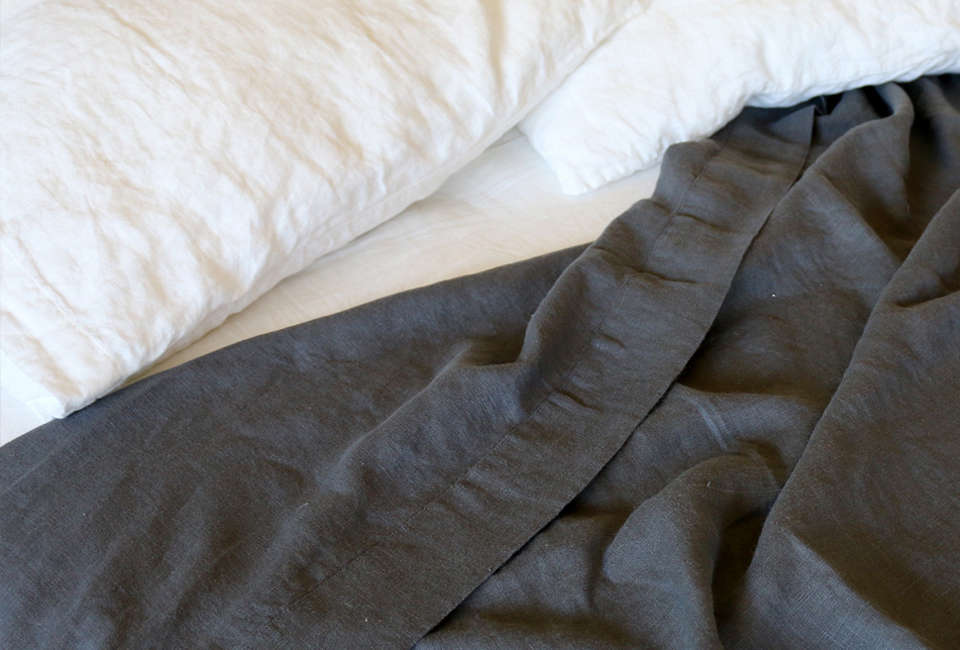
Belgian linen sheets are naturally wrinkled, and that is part of the charm. The look is casual, airy, and elegant without trying too hard. Linen does not need military corners and a steam iron to look good. In fact, too much perfection can make it lose its magic.
5. Year-Round Versatility
Although linen is famous for summer comfort, it can also work well in cooler months. Linen breathes when the room is warm and layers nicely when the weather cools down. Pair it with a quilt, duvet, or wool blanket, and it becomes a cozy all-season bedding foundation.
How to Choose Quality Belgian Linen Sheets
Check the Fiber Content
Look for clear labeling. A product should state whether it is 100% linen or a blend. Linen-cotton blends can be softer and more affordable, but they will not behave exactly like pure linen. If you want the full linen experience, choose 100% linen sheeting.
Look for Authentic Certification
If authenticity matters, look for Belgian Linen™ or Masters of Linen™ labeling. These marks help distinguish genuine European linen production from vague marketing language. Be careful with phrases like “Belgian-style” or “inspired by Belgian linen,” which may describe a look rather than a verified origin.
Consider the Weight
Linen weight affects feel. Lightweight linen feels airy and cool, while heavier linen feels more substantial and cozy. For hot sleepers, a lighter sheet may be better. For people who like a grounded, drapey feel, medium-weight linen is often the sweet spot.
Look for Pre-Washing
Pre-washed, garment-washed, or stonewashed linen usually feels softer right away and may shrink less dramatically after the first wash. This does not mean it will never shrink, but it helps make the first-night experience more inviting.
Measure Your Mattress
Do not forget pocket depth. Many modern mattresses are tall, especially with toppers. A fitted sheet that is too shallow will perform a dramatic escape act at 2 a.m. Look for deep-pocket options if your mattress is thick.
Belgian Linen Sheeting vs. Cotton Sheets
Cotton sheets are smoother, more familiar, and often less expensive. Percale cotton feels crisp and cool, while sateen cotton feels smooth and slightly heavier. Linen, by contrast, has more texture, more airflow, and a relaxed look. It wrinkles easily, but those wrinkles are fashionable rather than tragic.
Choose cotton if you want a smooth surface and a classic sheet feel. Choose Belgian linen sheeting if you want breathability, texture, durability, and a bed that looks like it belongs in a beautifully photographed home where breakfast includes excellent coffee and nobody owns a plastic laundry basket.
How to Wash and Care for Belgian Linen Sheets
Wash Before First Use
Always wash new sheets before sleeping on them. This removes finishing residues, dust, and packaging smells. Use a gentle detergent and follow the care label, especially for darker colors or specialty finishes.
Use Cool or Warm Water
Cool to warm water is usually best for linen sheets. Hot water can increase shrinkage and stress the fibers. Wash linen separately from rough items such as towels, jeans, or anything with zippers that might rub the fabric.
Avoid Bleach and Harsh Additives
Bleach can weaken linen fibers and cause discoloration. Fabric softeners are often unnecessary because linen softens naturally with use. If your sheets feel stiff, give them time. Linen is not rude; it is just shy at first.
Dry Gently
Tumble dry on low or line dry when possible. Remove sheets while slightly damp to reduce deep wrinkles. If you like a crisp look, iron while damp. If you enjoy the natural linen look, smooth the sheets by hand and let the wrinkles do their charming little dance.
Wash Weekly
For most households, washing sheets once a week is a smart routine. Wash more often if you sweat heavily, sleep with pets, have allergies, use heavy skincare products, or snack in bed. Crumbs may be cozy for toast, but they are not a bedding feature.
Common Myths About Belgian Linen Sheeting
Myth: Linen Is Always Scratchy
Low-quality linen can feel rough, but quality linen should feel textured, not abrasive. Pre-washed Belgian linen sheets often feel comfortable from the beginning and continue softening with every wash.
Myth: Wrinkles Mean Poor Quality
Wrinkles are part of linen’s natural personality. Linen fibers do not bounce back the way synthetic fibers do, so the fabric develops creases. That relaxed look is one reason people love it.
Myth: Linen Is Only for Summer
Linen is excellent in warm weather, but it is not a one-season wonder. It layers well and can feel cozy in cooler months, especially when paired with a duvet or blanket.
Myth: All Expensive Linen Is Authentic Belgian Linen
Price alone does not prove authenticity. Always check labels, product descriptions, and certifications. Marketing can wear a tuxedo and still be slippery.
Best Bedroom Styles for Belgian Linen Sheeting
Belgian linen sheeting works beautifully in minimalist, coastal, farmhouse, modern organic, Scandinavian, and traditional bedrooms. Its texture adds depth without shouting. White linen feels clean and classic. Natural flax shades feel earthy. Charcoal, olive, rust, and navy add mood without making the room feel heavy.
For a calm bedroom, pair natural linen sheets with a white duvet and wood furniture. For a more layered look, mix linen pillowcases in two related tones. For a boutique-hotel effect, use Belgian linen sheets with a quilted coverlet and structured pillows. The goal is not perfection. The goal is “I sleep well and have excellent taste.”
Is Belgian Linen Sheeting Worth It?
Belgian linen sheeting is worth it for people who value natural fibers, breathable comfort, durability, and relaxed beauty. It may not be ideal for someone who wants ultra-smooth, wrinkle-free, budget bedding. Linen asks for a little patience. In return, it gives you a bed that feels personal, lived-in, and quietly luxurious.
The best way to think about linen is cost per sleep. If a quality sheet set lasts for years and becomes more comfortable with time, the higher upfront price begins to make sense. Cheap sheets may look tempting, but if they pill, trap heat, or lose shape quickly, they are not much of a bargain.
Experience: Living With Belgian Linen Sheeting
The first night on Belgian linen sheeting can be surprising. If you are used to slick cotton sateen or silky microfiber, linen may feel more textured than expected. It has a dry, airy hand feel rather than a slippery one. At first, you might think, “Hmm, this is different.” By night three, you may find yourself becoming the kind of person who says things like, “I prefer natural fibers,” while casually rearranging throw pillows.
One of the biggest everyday pleasures is temperature comfort. Linen does not cling aggressively to the body, and it does not trap heat in the same way many synthetic sheets can. On warm nights, the fabric feels breathable and easy. On cooler nights, it layers nicely under a blanket without creating that sweaty middle zone where your feet are cold but your torso is filing a complaint.
The second noticeable experience is the texture. Belgian linen sheeting has a tactile quality that makes the bed feel more inviting. It is not flat or overly polished. It has movement, softness, and visual depth. When sunlight hits linen in the morning, the fabric looks alive in a way that perfectly smooth sheets rarely do. Yes, there are wrinkles. No, you do not need to apologize for them. Linen wrinkles are not a flaw; they are the fabric equivalent of tousled hair that somehow works.
After several washes, the sheets usually become softer and more relaxed. This is when many people truly fall in love with linen. The fitted sheet becomes easier to stretch over the mattress. The top sheet drapes more naturally. Pillowcases lose their initial crispness and start to feel broken-in, like a favorite shirt. It is a gradual transformation, and that is part of the satisfaction.
Care becomes part of the routine, too. Belgian linen sheeting does best when treated kindly: gentle detergent, low heat, and enough room in the washer to move freely. Overloading the machine can twist the sheets into a damp linen burrito, which is both inefficient and mildly ridiculous. Shaking the sheets before drying helps reduce creases, and removing them while slightly damp makes the bed easier to smooth.
Another practical experience is learning to embrace an imperfectly made bed. Linen looks best when it is not forced into stiffness. A loosely folded top sheet, plump pillows, and a casual duvet create a bedroom that feels calm rather than staged. It is the opposite of bedding that requires a ruler, a steamer, and emotional support.
For households with pets, linen can be both lovely and realistic. It is durable, but claws, rough paws, and frequent washing still matter. Choosing medium or darker tones can help hide everyday marks. Rotating between two sheet sets also gives each set time to rest and reduces wear. If your dog believes the bed is community property, Belgian linen will not change that legal arrangement, but it may make the situation look more elegant.
Overall, the experience of Belgian linen sheeting is not about instant perfection. It is about comfort that deepens over time. The sheets become softer, the bed looks better with less effort, and the room gains a natural calm. Once you get used to linen, going back to stiff, shiny, heat-trapping sheets can feel like sleeping in gift wrap.
Conclusion
Belgian linen sheeting combines heritage, comfort, breathability, and relaxed beauty in one very sleepable package. It is not the cheapest bedding option, and it is not designed for people who fear wrinkles. But for hot sleepers, design lovers, natural-fiber fans, and anyone who wants bedding that improves with age, Belgian linen is a strong choice.
When shopping, look for clear fiber content, authentic Belgian Linen™ or European linen certifications, pre-washed finishing, suitable mattress depth, and care instructions that match your lifestyle. Treat the sheets gently, wash them regularly, and let them soften naturally. Before long, your bed may become the most persuasive argument against leaving the house.