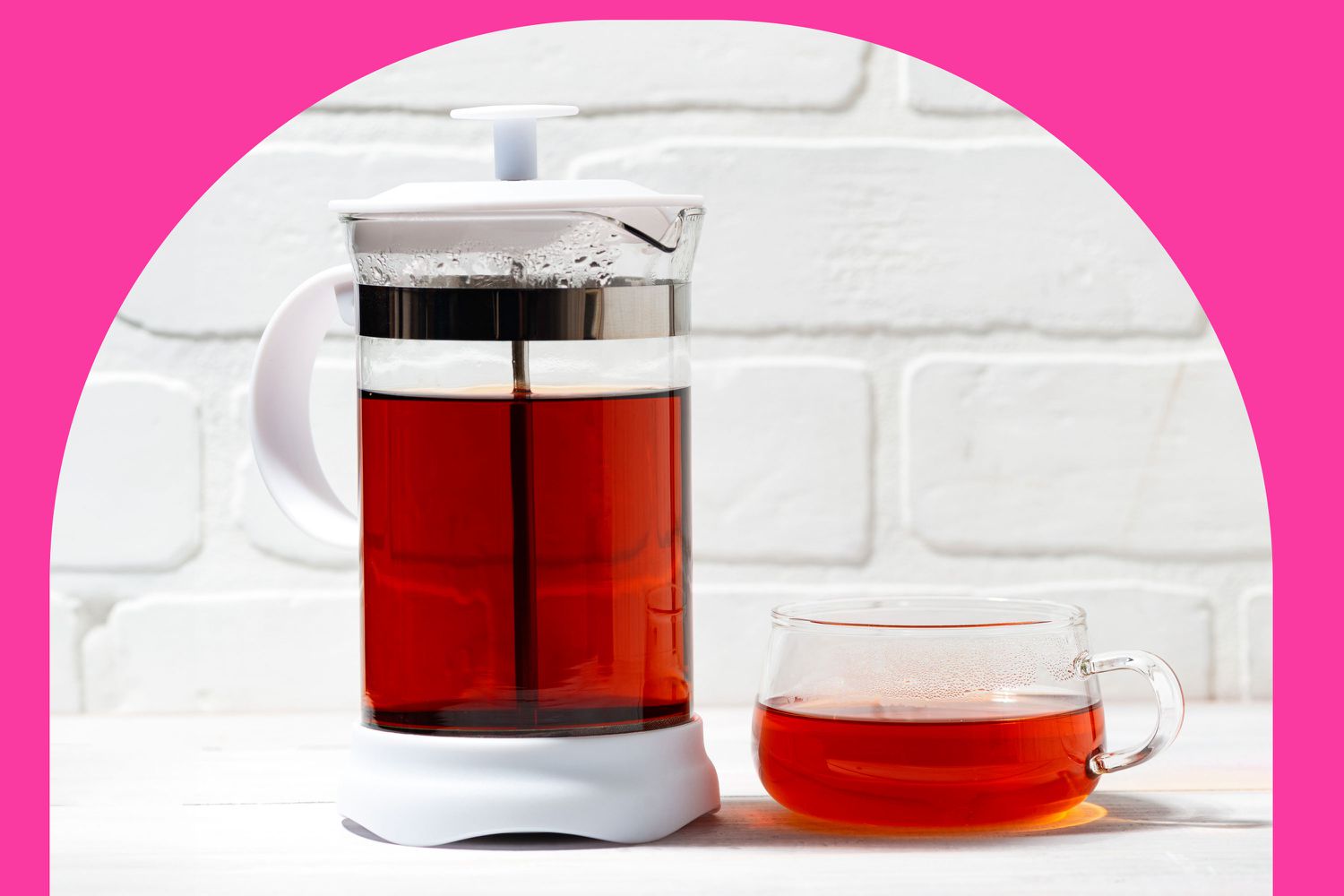
Some people use a French press for coffee and call it a day. I use a French press for tea and call it a personality trait. Somewhere along the way, between disappointing tea bags, drippy infusers, and one tragically over-steeped mug that tasted like a library book left in hot rain, I realized something important: the best tea tool in my kitchen was never the cutesy teapot or the tiny mesh ball on a chain. It was the humble French press.
Not the fancy one that looks like it belongs in a Scandinavian design museum. Not the one with a price tag that requires a deep, meditative breath. I’m talking about the sturdy, no-drama, roughly $20 French press that sits on the counter and quietly does everything I ask of it. It gives loose-leaf tea room to bloom, it makes cleanup absurdly easy, and it lets me stop the steep exactly when I want. That last part matters, because tea can go from “comforting and elegant” to “chewing on a tree branch” faster than you’d think.
So yes, this is part love letter, part practical guide, and part public service announcement for anyone still wrestling with cramped tea balls and weak brews. If you love tea, like convenience, and prefer your kitchen tools to earn their cabinet space, a French press might become your favorite brewing method too.
Why a French Press Works So Well for Tea
Loose-leaf tea needs space. That’s the whole game. When tea leaves hit hot water, they unfurl, expand, and release flavor gradually. A cramped little infuser often leaves those leaves packed together like commuters on a delayed train. The result is a weaker, flatter cup. A French press, on the other hand, gives the leaves a roomy brewing chamber, which means better circulation, fuller extraction, and a cup that actually tastes like the tea you paid for.
The second reason is control. With a French press, you add the leaves, pour in your water, set a timer, and plunge when the tea is ready. That simple move separates the leaves from the liquid and helps stop the steep from running wild. If you’ve ever forgotten a tea bag in your mug and then taken a sip that felt like punishment for your own negligence, you know why this matters.
Then there’s cleanup. Tea baskets are fine until you have to dig out wet leaves with a spoon, rinse tiny holes, and wonder why a supposedly relaxing beverage now involves kitchen archaeology. A French press is gloriously direct: dump the leaves, rinse the mesh, wash the carafe, done. It is the kind of efficiency that makes you feel suspiciously in control of your life.
The Magic of the $20 Price Point
The beauty of this setup is that you do not need a luxury gadget to get luxury-level tea. A basic French press in the $20 range is enough. That price usually gets you a borosilicate glass carafe, a plunger with a mesh filter, a handle that won’t roast your hand, and enough capacity to make one giant mug or a couple of civilized cups. In other words, it gets the job done without turning tea into a financial decision.
That affordability matters because tea lovers can spend money very, very quickly. One minute you’re buying loose-leaf Earl Grey. The next minute you’re comparing kettle spouts, debating water mineral content, and wondering whether your soul would be more complete with a ceramic gaiwan. A simple French press keeps things grounded. It says, “Relax, we are making tea, not applying for a mortgage.”
For everyday tea drinkers, that value is hard to beat. You get flexibility, simplicity, and better flavor than many single-cup gadgets. If you already own a French press for coffee, you may not even need to buy one. Though if you’re serious about taste, it’s smart to dedicate one press to tea. No delicate jasmine deserves to pick up a faint memory of yesterday’s dark roast.
How I Use a French Press to Make Better Tea
Step 1: Pick the right tea
This method shines with loose-leaf tea. Black tea, herbal blends, rooibos, oolong, peppermint, chamomile, and fruit infusions all do beautifully in a French press. Green and white teas can work too, but they’re more sensitive and need gentler water temperatures. Tossing boiling water on delicate green tea is a great way to flatten its flavor and invite bitterness to the party.
Step 2: Measure like a sane person
I usually start with about one teaspoon of loose-leaf tea per cup, then adjust depending on the tea style and how dramatic I’m feeling. Some rolled oolongs are dense and compact, while fluffy herbal blends take up more space and may need a little extra. Tea is wonderfully forgiving, but not infinitely forgiving. “A random handful” is not a brewing system.
Step 3: Use the right water temperature
This is where a French press becomes more than a coffee tool wearing a tea costume. Because the vessel is neutral and spacious, the quality of the water really shows. As a rule of thumb, I go cooler for delicate teas and hotter for stronger ones. Green tea likes gentler water. White tea also prefers restraint. Oolong lives in the middle, while black tea and herbal tea generally welcome hotter water. If you have a variable-temperature kettle, fantastic. If not, boil the water and let it rest briefly for delicate teas before pouring.
Step 4: Time it
Tea doesn’t need your intuition nearly as much as it needs your timer. Green tea is usually happiest on the shorter end. White tea gets a bit more time. Oolong can vary wildly depending on the style, and black or herbal teas usually need longer. My personal rule: if I care enough to buy loose-leaf tea, I care enough to set a timer for it. This is one of the few adult habits that pays off immediately.
Step 5: Plunge gently
When the steep is done, press the plunger down slowly. No need to slam it like you’re sealing a vault. A gentle plunge keeps the brew calm and reduces splashing. Once pressed, pour the tea right away. If you leave the brewed tea sitting in the press, the leaves can continue mingling with the liquid, and your “perfect cup” can quietly drift into over-extracted territory.
Best Types of Tea to Brew in a French Press
Black tea
If you like your morning cup bold, brisk, and capable of jump-starting your personality, black tea is a great match for the French press. English breakfast, Assam, Keemun, and flavored black teas all hold up well in the roomy chamber. The press gives them enough space to develop body without trapping them in a tiny metal cage.
Herbal tea
This may be the category where a French press really shows off. Herbal blends can be chunky, fluffy, and full of ingredients that laugh in the face of tiny infusers. Chamomile flowers, peppermint leaves, rooibos, citrus peel, lemongrass, and spice-heavy blends all fit beautifully in a press. Since many herbal teas also benefit from longer steeping, the press makes the whole process pleasantly low-effort.
Oolong tea
Rolled oolong pearls expand dramatically, which means they need room. A French press gives them exactly that. It’s a great option if you want fuller flavor without juggling multiple small steeping vessels. It may not be the most ceremonial way to brew oolong, but it is wonderfully practical.
Green and white tea
These delicate teas are a little fussier, but still absolutely doable. The key is respecting temperature and time. Use gentler water, keep the steep on the shorter side, and don’t walk away to answer a text, fold laundry, and rethink your life choices. This is not the tea to forget on the counter.
Why It Beats Tea Bags and Tiny Infusers
Tea bags are convenient, and I won’t pretend I’ve never reached for one when I’m tired, under-caffeinated, or emotionally attached to minimal effort. But many tea bags simply don’t offer the same flavor as good loose-leaf tea. The leaves are often smaller, the infusion can feel flatter, and you’re stuck with whatever blend and strength came in the packet. A French press opens the door to fresher, more varied, more satisfying tea.
Tiny infusers have their own problems. They’re cute, yes. Some of them are shaped like ducks, submarines, and things that suggest the tea industry made a terrible bet on novelty. But functionally, they often crowd the leaves and create uneven brewing. With a French press, the leaves move freely, the water circulates better, and the final cup tastes more complete.
There’s also the practical side. A French press can brew enough tea for a generous mug, a cozy work session, or a small catch-up with a friend. It handles volume better than single-cup gadgets, and it looks perfectly respectable on a kitchen counter. It says “competent adult with good taste” rather than “person who impulse-bought a squirrel-shaped infuser at 11:47 p.m.”
Common Mistakes That Ruin French Press Tea
Using water that’s too hot
Boiling water is not automatically the hero. For black and herbal teas, sure, it often works beautifully. But for green and white teas, it can flatten nuance and make the cup bitter. Heat matters.
Over-steeping
This is the classic problem. Tea does not get nobler with endless time. It gets harsher, duller, and weirdly smug about it. Set a timer. Plunge. Pour.
Letting the brewed tea sit in the press
Even after plunging, I prefer to pour the tea into a mug or serving pot right away. Why risk a good thing? Tea is a beverage, not a suspense thriller.
Using the same press for coffee and tea
Coffee is aromatic, clingy, and not above leaving a trace of itself behind. If you want your tea to taste clean and true, keep a separate French press for tea. It’s a tiny upgrade that makes a noticeable difference.
The Unexpected Joy of a Tea Ritual That’s Actually Easy
Part of the reason I’m loyal to the French press is that it makes daily tea feel special without becoming a production. I don’t need a tray of tools, a cabinet of niche accessories, or the emotional stamina of a competitive barista. I just need water, tea, a timer, and a press that understands the assignment.
That balance is rare. So many kitchen rituals live at one of two extremes: painfully basic or absurdly complicated. The French press sits right in the sweet spot. It feels intentional. It makes loose-leaf tea more accessible. And it turns brewing into a pleasant little pause rather than a miniature project.
That’s why this inexpensive gadget has become my default tea maker. It’s practical enough for weekdays, charming enough for weekends, and reliable enough that I never feel tempted to go back to flimsy tea bags unless I’m traveling or otherwise making questionable life decisions.
My Real-Life Experience With French Press Tea
I didn’t come to this method through elegance. I came to it through annoyance. For years, I used every tea gadget that seemed promising for about three and a half days. I tried mesh balls that barely held enough leaves to flavor hot water. I tried mug-top baskets that dripped across the counter like they were making a point. I tried teapots with built-in strainers that looked lovely and cleaned like punishment. Nothing was bad enough to spark a dramatic breakup, but nothing was good enough to earn lasting loyalty either.
Then one rainy afternoon, I used a basic French press because it was already clean and sitting right there. That was it. That was the whole origin story. No celestial choir. No tea epiphany delivered by a wise mountain monk. Just a practical act of laziness that turned out to be brilliant. The leaves had room. The steep was even. The plunger stopped the brew on cue. The cup was richer, cleaner, and somehow calmer. I remember thinking, “Well, that’s irritating. This works too well.”
Since then, the French press has handled everything I throw at it. It makes a strong breakfast tea on groggy mornings when I need a cup that can carry me into consciousness. It makes peppermint tea after dinner when I want something soothing but not sleepy. It makes rooibos with vanilla taste fuller and rounder, like it finally got the memo about being delicious. It even handles green tea well when I behave responsibly and don’t pour screaming-hot water over it like a villain.
The best part is how it fits into ordinary life. On workdays, I can brew a quick pot between emails and still feel like I’ve done something civilized. On weekends, I can make enough for a second cup without repeating the whole process. When friends come over, I can serve loose-leaf tea without looking like I’m staging a historical reenactment. The French press is casual, efficient, and just fancy enough to feel intentional.
I also love that it removed a weird psychological barrier I had around “good tea.” Before, loose-leaf tea felt like something I should enjoy more often, but didn’t, because the process seemed fussier than I wanted. The French press fixed that. It made good tea easier, which meant I actually drank it. That sounds obvious, but the best kitchen tools are often the ones that quietly eliminate friction. They don’t impress you with complexity. They make the thing you already want to do feel simple.
And yes, there is something deeply satisfying about pressing the plunger down at exactly the right moment. It feels precise. Competent, even. For one brief second, I become the kind of person who definitely remembers to water herbs and never loses reusable shopping bags. Then I pour my tea, take a sip, and return to being myself, just with better hydration.
So when I say this $20 French press is the only way I’ll make tea, I’m only being slightly dramatic. It solved the flavor problem, the cleanup problem, and the over-steeping problem in one move. It made loose-leaf tea feel easy enough for every day, which is probably the highest compliment I can give any kitchen tool. Plenty of gadgets promise to improve your routine. This one actually did.
Final Thoughts
If you already love loose-leaf tea, a French press makes it easier to brew well. If you’ve been curious about upgrading from tea bags, it’s one of the simplest and most affordable ways to start. And if you just want one dependable tool that can produce a flavorful cup without the fuss, a basic French press absolutely earns its place.
For me, it hits the perfect balance of price, function, and everyday joy. It’s not flashy. It’s not precious. It doesn’t need a tutorial longer than a sitcom episode. It just makes very good tea, very simply, and sometimes that’s the most convincing argument of all.