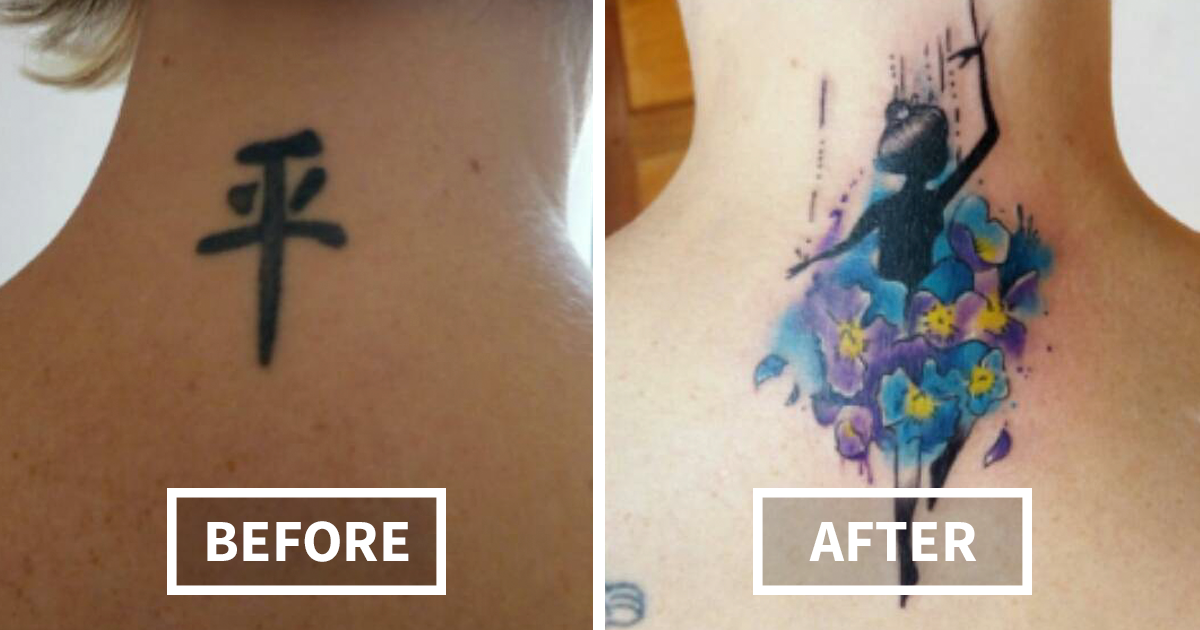
Bad tattoos happen. Sometimes it was a breakup tattoo. Sometimes it was a “this seemed hilarious at 19” tattoo. Sometimes it was perfectly fine for a decade, and then one day you looked at it and thought, Well… we had a good run. The good news is that old ink does not always need to be removed to be redeemed. A smart cover-up tattoo can turn yesterday’s regret into something bold, polished, and genuinely personal.
The trick is understanding that a cover-up tattoo is not a magic eraser. It is a design puzzle. Old lines, dark pigments, awkward shapes, and placement all matter. In most cases, the new tattoo needs to be larger, more strategic, and more detailed than the original. That is why the best cover-up ideas are not random Pinterest grabs. They are designs chosen with purpose: strong shading, natural movement, rich contrast, and visual elements that cleverly distract the eye.
This guide gives you exactly that. You will find 82 creative cover-up tattoo ideas, plus practical advice on how to choose the right concept, avoid common mistakes, and work with your artist like a sane, collaborative adult instead of someone panic-booking an appointment because an ex got engaged. Let’s rescue that ink.
How Cover-Up Tattoos Actually Work
A great cover-up tattoo does not simply sit on top of old ink like a blanket. It redirects attention. Artists usually rely on darker values, layered shading, denser detail, and shapes that break up the outline of the original tattoo. Organic designs such as flowers, animals, smoke, feathers, scales, leaves, and ornamental linework work especially well because they give the artist more room to disguise what came before.
Placement matters too. A tiny old tattoo may become a medium-sized new one. A faded wrist tattoo may grow into a bracelet-style piece. A patchy forearm tattoo may become a half sleeve. This is normal. In fact, one of the biggest mistakes people make is wanting a cover-up that is the same size as the original. That is like trying to hide a sofa with a throw pillow.
Color also changes the game. Older, lighter, and more faded tattoos are generally easier to cover than fresh, dense black ink. If your tattoo is very dark, heavily lined, or packed with saturation, your artist may recommend laser lightening before the cover-up. That does not mean full removal. Sometimes even a little fading creates enough room for a better design and cleaner final result.
Most important of all: do not rush. If your tattoo is fresh, let it heal fully before making new decisions. And when you consult with a cover-up specialist, go in with a theme, not a rigid fantasy. The best result often comes from collaboration, not from demanding a pale pastel butterfly over a giant tribal armband and expecting physics to be emotionally supportive.
82 Creative Cover-Up Tattoo Ideas
Floral and Botanical Cover-Up Tattoos
- Peony cluster: Big petals, deep shadows, and layered leaves make peonies one of the most forgiving cover-up designs.
- Black rose: A classic cover-up favorite because the dense petals can swallow stubborn old lines beautifully.
- Wildflower bouquet: Great for disguising scattered symbols, initials, or uneven little tattoos.
- Chrysanthemum half sleeve: Ideal for older forearm ink that needs serious texture and movement.
- Lotus with mandala details: A strong option for centered tattoos that need symmetry and structure.
- Olive branch wrap: Elegant for script tattoos or narrow designs on the wrist, ankle, or collarbone.
- Fern frond composition: Excellent for covering faded linework because the leaves naturally layer.
- Sunflower burst: The dark center does a lot of heavy lifting over names or small emblems.
- Eucalyptus spray: Clean, modern, and perfect for turning a dated tattoo into something softer.
- Magnolia bloom: Best for wider cover-ups where you need bold petals and subtle drama.
- Poppy with shadowwork: Works well when the original tattoo has strong black patches.
- Vine-and-thorn lattice: Useful for wrapping around awkward shapes or stretching a cover-up into a more intentional design.
- Floral skull fusion: Combines softness and edge while hiding heavier outlines underneath.
- Dark leaf border: Perfect when a small ugly tattoo needs to become part of a richer botanical composition.
Animals, Creatures, and Nature Themes
- Raven over old script: Feathers and shadow give artists plenty of camouflage power.
- Panther head: An old-school cover-up champion for a reason; it is bold, dark, and unapologetically effective.
- Wolf in a forest scene: Great for turning random shapes into fur, trees, and atmospheric shading.
- Owl with moon phases: Ideal for circular or medium-sized tattoos that need a dramatic focal point.
- Koi fish: Scales, flow, and strong contrast make koi especially useful for elongated cover-ups.
- Octopus: Tentacles can wrap around old lines and hide multiple problem areas in one design.
- Serpent and dagger: Excellent when the original tattoo is narrow, vertical, or slightly chaotic.
- Moth over a symbol tattoo: The wings create clean coverage while still feeling delicate.
- Phoenix rising: A little on the nose for a tattoo makeover, yes, but still a fantastic visual solution.
- Jellyfish: Works especially well for watery shading and cover-ups with movement.
- Lion mane portrait: Dense texture helps hide older black-and-gray pieces.
- Butterfly swarm: Good for multiple tiny regrets that need to become one cohesive idea.
- Crow on branches: Branches and feather layers can cleverly mask script or symbols.
- Mountain-and-pine landscape: Excellent for band-style or horizontal tattoos that need visual depth.
Dark, Bold, and Dramatic Cover-Up Concepts
- Blackwork rose window: Ornamental and dense, with enough complexity to hide serious old ink.
- Smoky filigree: Great for awkward edges and blurry tattoos that need more than a simple patch.
- Gothic dagger: Strong central lines and dark accents make it a smart vertical cover-up.
- Storm cloud and lightning: Ideal for abstracting messy shapes into something moody and intentional.
- Candle with dripping wax: Excellent for layered shadow and movement over small dark pieces.
- Baroque frame design: Turns old tattoos into the “background” inside a much richer composition.
- Broken statue bust: Stone texture can help disguise uneven shading and old outlines.
- Skull and roses: A timeless cover-up idea when you want bold contrast and visual drama.
- Black armband with negative space details: Best for arm placements where a full redesign feels more natural than a patch.
- Medieval shield motif: Strong shapes and dark interiors are useful for chunky original tattoos.
- Bat wings: Sharp curves and filled blacks help cover dense ink on the shoulder or upper back.
- Noir heart with daggers: Perfect for transforming a sentimental disaster into something cooler and less embarrassing.
Geometric and Abstract Cover-Up Tattoos
- Geometric mandala: Symmetry and repetition can hide old tattoos while keeping the final piece elegant.
- Dotwork compass: Best for circular tattoos that need a stronger central design.
- Sacred geometry patch: Excellent for covering old tribal or patterned ink with cleaner structure.
- Fractured crystal design: Sharp facets work well over angular old tattoos.
- Abstract brushstroke tattoo: Surprisingly effective for disguising irregular lines and messy shapes.
- Checkerboard distortion pattern: Modern, edgy, and good for turning a problem area into visual art.
- Topographic contour lines: A subtle way to blur and absorb faded script or numbers.
- Negative-space eclipse: Great when you want a strong dark center with a cleaner halo around it.
- Mosaic tile panel: Small repeated shapes help break up older ink underneath.
- Optical illusion spiral: A bold choice that works best on flatter areas like the thigh or upper arm.
- Faceted animal silhouette: Mixes realism and geometry for a fresh, contemporary feel.
- Stippled smoke forms: Ideal for softening a tattoo that has blurred over time.
Symbolic and Story-Driven Ideas
- Hourglass with flowers: A strong redesign for old date tattoos or meaningless script.
- Pocket watch rework: Useful when you want to keep a time-related theme but improve the art.
- Constellation map: Best after lightening, especially if the original tattoo is already faded.
- Ribboned quote with hidden lettering: Smart for covering names without pretending letters never existed.
- Family birth flower collage: Turns a regret tattoo into something personal and current.
- Memorial candle and smoke: Emotional, dramatic, and helpful for denser cover-up needs.
- Lucky charm collage: Horseshoes, stars, moons, and dice can unify several small tattoos.
- Protective eye motif: Strong focal point, excellent shading, and lots of stylistic flexibility.
- Tarot card redesign: A frame, scene, and dark border make tarot concepts ideal for cover-ups.
- Anchor with rope and florals: A classic option for old nautical or script tattoos.
- Key-and-lock transformation: Great when you want to recycle a tired symbolism theme into better art.
- Banner-and-book illustration: Works well for covering quote tattoos with something more story-driven.
Large-Scale Transformations
- Full forest sleeve: Trees, mist, animals, and shadow create a playground for expert cover-up work.
- Japanese wave panel: Strong flow and dark movement make it excellent for older arm tattoos.
- Dragon wrap: Ideal for long, dense tattoos that need full commitment and serious artistry.
- Celestial half sleeve: Moons, stars, clouds, and planets can turn patchwork regrets into one cohesive piece.
- Stained-glass back piece: Rich lines and color blocking work beautifully for large-area coverage.
- Ornamental lace shoulder cap: Elegant, structured, and especially good for old shoulder tattoos.
- Biomechanical rework: A bold solution for people who want maximum transformation.
- Tapestry-style patchwork: Great for blending multiple old tattoos into one intentional layout.
- Armor-inspired chest piece: Strong symmetry helps hide old central chest ink.
- Black-and-gray sleeve extension: Perfect if one bad tattoo can become the beginning of a full arm story.
- Watercolor-and-blackwork hybrid: Works best after lightening, especially when you want softness without losing coverage power.
- Wrist-to-forearm bouquet: A smart fix for a small lower-arm tattoo that really needs room to disappear.
Small Placement-Savvy Cover-Up Ideas
- Finger ring-band redesign: Better than pretending finger tattoos do not fade weirdly.
- Bracelet cuff on the wrist: Great for hiding names, dates, or tiny symbols in one clean sweep.
- Anklet vine: Feminine, flexible, and useful for covering narrow ankle tattoos.
- Behind-the-ear star cluster: A good fix for tiny placement regrets if the old ink is already light.
- Collarbone ornamental sweep: Turns a small awkward tattoo into a graceful design feature.
- Micro blackwork stamp: Best for covering very small initials, dots, or simple failed symbols.
How to Choose the Right Cover-Up Idea
Start with the old tattoo, not your dream tattoo. Look at its darkness, line weight, placement, and size. Then ask which of the ideas above naturally fits those limits. If the original tattoo is long and narrow, flowing designs like snakes, vines, daggers, feathers, and koi usually make more sense than a tiny centered flower. If it is wide and dense, you may need a bolder composition, like a panther, bouquet, skull, sleeve extension, or ornamental panel.
Second, choose an artist who actually shows cover-up work in their portfolio. Not “great tattoos in general.” Real cover-ups. Fresh photos and healed photos if possible. A specialist knows how to place darkness strategically, how to redirect attention, and when to tell you that laser lightening would save you money and disappointment in the long run.
Third, be flexible about size and color. Pastels alone rarely win fights against old black ink. Fine-line minimalism is also not the hero of this story unless the original tattoo is already quite faded. If your artist recommends more contrast, more texture, or more area, they are probably not trying to ruin your aesthetic. They are trying to make sure the old tattoo does not come back like a ghost in bad lighting.
Finally, treat aftercare seriously. A gorgeous cover-up can still heal poorly if you ignore instructions, pick at scabs, soak it too soon, or pretend increasing pain and drainage are just “part of the vibe.” Healing is part of the design process, whether you find that romantic or deeply inconvenient.
Experiences People Commonly Have With Cover-Up Tattoos
One of the most common experiences people describe is surprise during the consultation. They walk in hoping for a tiny replacement and walk out realizing they need something larger, darker, and smarter. At first, that can feel disappointing. Nobody loves hearing that the little name on their wrist now wants to become a medium-sized rose, raven, cuff, or ornamental piece. But once the artist explains how old ink behaves under new ink, the plan usually starts to make sense. A good consultation can be weirdly relieving. Instead of feeling stuck with a mistake, people finally see a path forward.
Another common experience is emotional whiplash. Cover-up tattoos are not just technical projects; they are often tied to memories, identities, and phases of life people are ready to leave behind. A cover-up for an ex’s name does not feel the same as getting a random flash piece on vacation. There can be grief in it, but also humor. A lot of people eventually laugh about their old tattoo choices once they are safely on the other side of them. The cover-up becomes less about hiding shame and more about updating the story.
People also tend to underestimate how much artist selection matters. Someone may have loved the first artist who did their original tattoo, but cover-up work is its own specialty. Clients often say the biggest difference the second time around is communication. Experienced cover-up artists are usually more direct. They will tell you when your idea is too light, too small, too delicate, or just plain unrealistic. Oddly enough, that honesty builds trust. Most people would rather hear, “This needs lightening first,” than spend good money on a tattoo that still reveals the old one underneath.
There is also the practical experience of patience, which nobody enjoys, yet everybody needs. Sometimes the tattoo has to heal. Sometimes the skin needs a break. Sometimes laser sessions are recommended to fade dense black or heavily saturated color. That part can feel slow, expensive, and frankly rude to your sense of urgency. But people who take the slower route often end up happier with the final result because the artist had more freedom to create something clean instead of forcing a miracle onto a difficult canvas.
Healing the cover-up itself can bring a fresh wave of nerves too. It is very normal for people to overanalyze every stage: the swelling, the flaking, the temporary dullness, the fear that the old tattoo is somehow “coming back.” Usually, that anxiety settles once the piece starts to heal and the full design becomes clear. Many people say the best moment is not immediately after the appointment, but a few weeks later, when they catch themselves in the mirror and realize they are no longer trying to avoid looking at that area of their body.
And perhaps the most satisfying experience is this: the cover-up often ends up being better than the tattoo they originally wanted. That is the unexpected upside. The limitation forces creativity. A mistake becomes structure. A bad placement becomes part of a larger, more intentional composition. A tiny regret grows into a piece with texture, contrast, movement, and meaning. Not every old tattoo gets a glamorous second act, but many do. Sometimes the cover-up is not a compromise at all. Sometimes it is the tattoo you should have gotten in the first place.
Final Thoughts
The best cover-up tattoo ideas do two things at once: they solve a design problem and create something you actually want to wear for years. That means choosing a concept with enough depth, movement, and contrast to hide the old ink without looking forced. It also means accepting that the smartest solution may be bigger, bolder, or darker than you originally imagined.
If you take one lesson from this guide, let it be this: do not shop for a cover-up the way you shop for a phone case. Shop for it like a redesign of permanent art. Work with a specialist. Ask hard questions. Be honest about what the original tattoo looks like now. And pick a design that feels like an upgrade, not just an escape hatch. Your old tattoo had its moment. Your cover-up should have a much better one.