If your laundry routine currently involves tossing clothes into the dryer, pressing a button, and hoping for the best, welcome. You are among friends. You are also among the many people who have stared at a bag of wool dryer balls and thought, “These look like dog toys with a publicist. What exactly do they do?”
Dryer balls are one of those deceptively simple laundry tools that seem almost too basic to work. No cords, no batteries, no mysterious app, no subscription required. Just a few balls tumbling around with your wet clothes. And yet, they have built a loyal following among people who want softer laundry, fewer single-use products, and shorter drying times.
So, what are dryer balls and how do they work? In short, they are reusable laundry helpers designed to bounce around in your dryer, separate wet fabrics, improve airflow, and reduce clumping. Depending on the material and how you use them, they may also help cut down on wrinkles, reduce drying time, and soften clothes naturally.
But there is a catch. Dryer balls are useful, not magical. They can absolutely improve your laundry day, but they are not a one-step solution for every problem in the universe, including static cling from your villainous winter socks.
This guide breaks down exactly what dryer balls are, how they work, when they shine, when they disappoint, and whether they are actually worth adding to your laundry room.
What Are Dryer Balls?
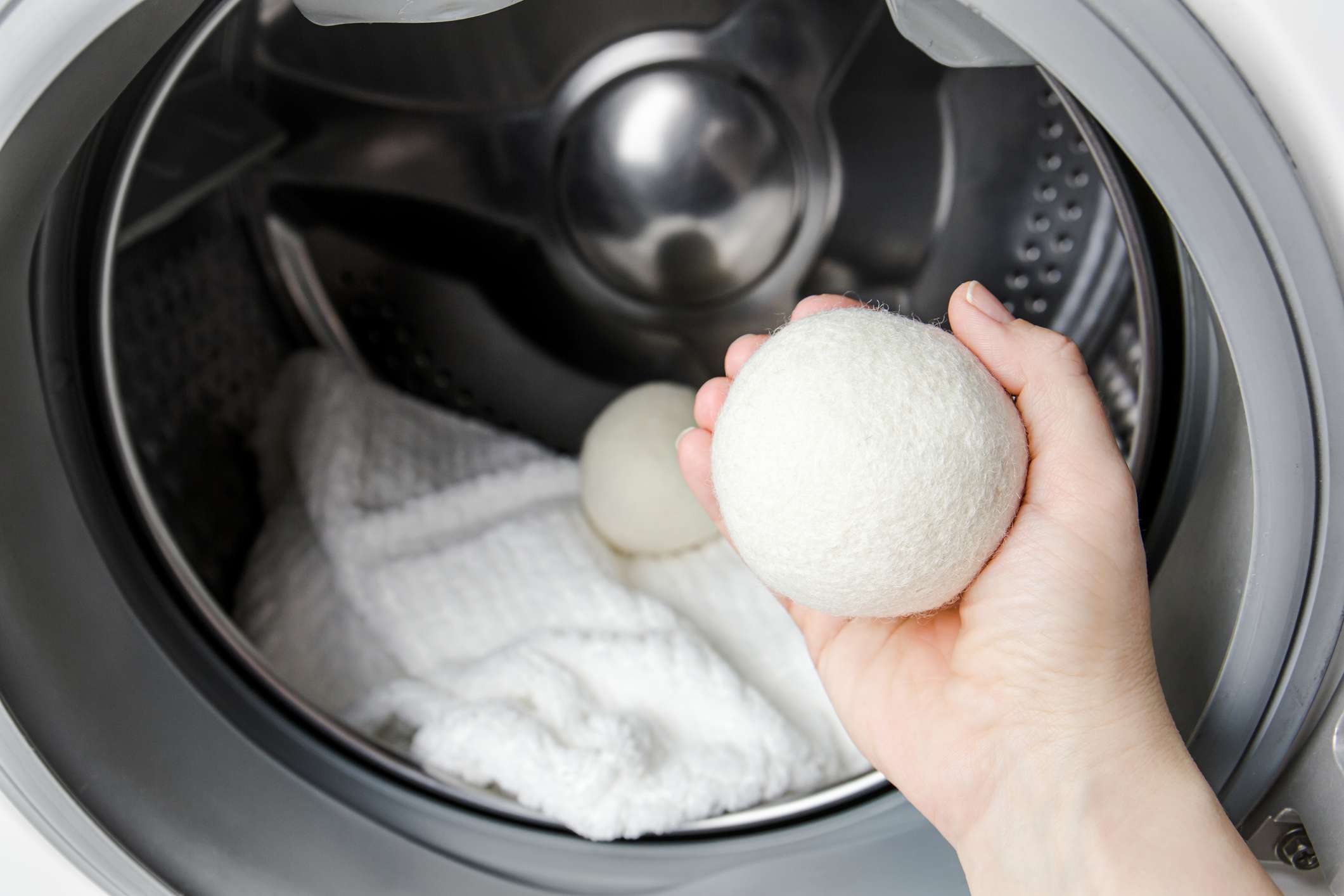
Dryer balls are reusable balls made from materials such as wool, plastic, rubber, or silicone. You toss them into the dryer along with wet clothes, sheets, or towels. As the drum spins, the balls tumble between layers of fabric and help keep items from bunching into one giant damp burrito.
The most common type today is the wool dryer ball, which is usually made from tightly compressed, felted wool. These are especially popular because they are reusable, quiet, lightweight, and generally gentler on fabrics than some older hard plastic versions.
Other types include:
Wool Dryer Balls
These are the crowd favorites. They are soft, reusable, and often preferred by people looking for a more natural alternative to dryer sheets. They can also absorb a bit of moisture while helping fabrics move more freely.
Plastic or Rubber Dryer Balls
These are usually firmer and sometimes have raised bumps or spikes. They work by physically separating fabrics, though they can be noisier in the dryer. Some people like them for heavy items, while others find them a little too enthusiastic.
Specialty Dryer Balls
Some versions are marketed for pet hair, lint capture, or specific fabric needs. These can be useful in niche situations, but for everyday laundry, standard wool dryer balls usually do the job just fine.
How Do Dryer Balls Work?
The secret is not chemistry. It is movement.
Unlike dryer sheets and many fabric softeners, dryer balls do not rely on a coating that transfers onto fabric. Instead, they work mechanically. As they bounce around the drum, they push items apart and create more space between layers of wet fabric. That extra space allows warm air to circulate more evenly and efficiently.
Think of it this way: a load of wet laundry loves to cling together like coworkers avoiding eye contact in an elevator. Dryer balls break up that awkward little huddle.
That tumbling action can help in several ways:
1. They Improve Airflow
When clothes are stuck together, warm air cannot reach all the damp spots very well. Dryer balls help separate items, so the hot air can move around the load more effectively.
2. They Reduce Clumping
Bulky items like sheets, blankets, comforters, and towels are famous for twisting, tangling, and trapping moisture. Dryer balls interrupt that process and help large items dry more evenly.
3. They Can Shorten Drying Time
Because they improve circulation and reduce bunching, dryer balls may help some loads dry faster. Results vary depending on the load size, fabric type, dryer model, and how clean your lint filter and vent are, but many people notice at least some improvement.
4. They Naturally Soften Fabrics
The repeated gentle thumping of dryer balls can soften clothes without using the chemical coatings found in dryer sheets or liquid softeners. It is less “perfume commercial” softness and more “clean towel that minds its business” softness.
5. They May Help Reduce Wrinkles
Since dryer balls keep items moving and reduce clumping, they can help limit deep creases. They are not an iron in spherical form, but they can make laundry come out looking less crumpled.
Do Dryer Balls Really Work?
Yes, but with realistic expectations.
Dryer balls are best at improving airflow, separating fabrics, and helping bulky loads dry more evenly. That is where they earn their paycheck. They are especially handy for towels, bedding, jackets, blankets, and mixed everyday loads that tend to wad up.
Where people sometimes get disappointed is static. Dryer balls can reduce static in some situations, especially if they help prevent overdrying. But they do not always eliminate it completely, particularly in cold or very dry weather. If your home air feels like a saltine cracker in January, static may still show up with full dramatic flair.
So yes, dryer balls work. They are just not miracle orbs sent by the laundry gods.
Dryer Balls vs. Dryer Sheets
This is where things get interesting.
Dryer sheets work by coating fabrics with softening and anti-static ingredients that activate with heat. That can be useful, especially for static cling. But it also means they can leave residue behind.
Dryer balls work through physical motion instead of chemical transfer. That makes them reusable and appealing to people who want a lower-waste option or prefer to avoid added fragrance.
Why Some People Prefer Dryer Balls
- They are reusable for many loads
- They create less waste than single-use sheets
- They do not coat fabrics the way dryer sheets do
- They can be a better fit for towels and performance fabrics
- They may suit fragrance-sensitive households better
Why Some People Still Keep Dryer Sheets Around
- They can be more effective for static cling
- They add scent
- They are convenient and familiar
If you use towels, gym clothes, moisture-wicking fabrics, or have sensitive skin, dryer balls often make more sense than heavily scented softening products. Some softening products can leave buildup that affects absorbency or fabric performance over time.
What Are the Benefits of Dryer Balls?
Reusable and Long-Lasting
Wool dryer balls can last for hundreds of loads, and many are marketed for around 1,000 loads. That makes them a practical buy if you do laundry regularly and would rather not keep repurchasing disposable sheets.
Lower Waste
Because they are reusable, dryer balls can cut down on single-use laundry products. Your trash can will notice. It may not thank you, but it will notice.
Potential Energy Savings
If dryer balls help shorten drying time, even modestly, that can reduce energy use over time. The effect depends on the load and your machine, but every minute not spent roasting socks is a win.
Gentler Option for Sensitive Households
People who are sensitive to fragrance often prefer unscented wool dryer balls because they do not require perfumes or softening chemicals to do their job.
Good for Bulky Loads
If you have ever pulled a comforter from the dryer only to discover one corner is tropical while the other is still basically a raincloud, dryer balls may help. They are especially useful for bulky items that trap moisture.
How Many Dryer Balls Should You Use?
More is not always better, but too few may not make much difference.
A common rule of thumb is:
- Small loads: 2 to 3 dryer balls
- Medium or regular loads: 3 to 4 dryer balls
- Large or bulky loads: 5 to 6 dryer balls
If you are drying towels, sheets, blankets, or a puffy jacket, use more rather than fewer. These loads benefit most from the extra separation.
How to Use Dryer Balls the Right Way
Step 1: Add Them at the Start of the Dry Cycle
Toss the dryer balls in with the wet laundry before starting the machine.
Step 2: Do Not Overload the Dryer
Dryer balls need room to tumble. If the dryer is packed too tightly, the balls cannot move well and the load will still dry unevenly.
Step 3: Sort Heavy and Light Fabrics
Drying a bath towel with a thin T-shirt is how you end up with one item overdried and the other still a little sad. Sorting similar fabrics helps the dryer balls do their best work.
Step 4: Use Sensor Dry If Your Machine Has It
This can help reduce overdrying, which is often part of the static problem in the first place.
Step 5: Keep the Lint Filter and Vent Clean
Dryer balls cannot compensate for poor airflow caused by lint buildup. Clean the lint screen after every load and keep the vent system maintained.
When Dryer Balls Are Most Helpful
- Towels
- Sheets and bedding
- Blankets and comforters
- Jackets and puffers
- Everyday mixed cotton loads
- Households trying to reduce disposable laundry products
When Dryer Balls May Not Be the Best Choice
Very Delicate Fabrics
On ultra-delicate items, embellishments, or pieces prone to pilling, use caution. The extra agitation may not be ideal.
If You Want Heavy Fragrance
If your goal is laundry that smells like a candle store won a legal settlement, plain dryer balls are probably not your soulmate.
If Static Is Your Main Problem
Dryer balls can help somewhat, but they are not always enough in dry climates or winter conditions. Reducing overdrying, removing clothes promptly, and adjusting load size can help more than simply adding extra balls and wishing harder.
Do Dryer Balls Remove Pet Hair or Lint?
Sometimes a little, but not in a dramatic movie-montage kind of way.
Standard wool dryer balls mainly help fabrics tumble better. That may loosen some hair and lint so it ends up in the lint trap, but they are not specialized lint-removal devices. If pet hair is your arch-nemesis, look for products specifically designed for that purpose and keep expectations grounded.
How Long Do Dryer Balls Last?
Wool dryer balls can last a long time, often around 1,000 loads depending on quality and use. Plastic and rubber versions may also last well, though they can crack, warp, or become less effective over time.
It is probably time to replace dryer balls when they:
- Become misshapen
- Start shedding heavily
- Feel overly dense and less bouncy
- Develop cracks, especially in hard plastic or rubber versions
How to Clean and Refresh Wool Dryer Balls
Over time, wool dryer balls can collect lint, fuzz, and laundry residue. To refresh them, remove excess fuzz, then wash them gently in hot water and dry them thoroughly. Some people do this occasionally to help tighten the wool fibers and keep the balls working well.
Store them somewhere dry, and try not to let them become chew toys unless your dog personally handles the laundry and pays rent.
Are Dryer Balls Worth It?
For many households, yes.
If you want a reusable, lower-waste alternative to dryer sheets and you care about improving airflow in the dryer, dryer balls are a smart, practical purchase. They are especially worth trying if you regularly dry bulky items, want to avoid heavy fragrance, or are tired of buying disposable laundry products over and over.
If you expect them to completely replace every benefit of dryer sheets in every season and every climate, you may end up mildly betrayed. But if you use them for what they do best, dryer balls can become one of the most useful little upgrades in your laundry room.
Final Thoughts
Dryer balls are simple tools with a surprisingly useful job description. They tumble through wet laundry, separate fabrics, improve airflow, and help loads dry more evenly. Wool dryer balls, in particular, have become a favorite because they are reusable, easy to use, and generally gentler than disposable softening products.
The biggest win is not that they perform miracles. It is that they make laundry a little more efficient, a little less wasteful, and a little less annoying. And in the world of chores, that is basically a standing ovation.
If your sheets keep knotting into a fabric sea monster or your towels take forever to dry, dryer balls are well worth a test run. At minimum, they will make you feel like someone who has their life together. And sometimes, frankly, that is enough.
Real-Life Experiences With Dryer Balls
The first time many people try dryer balls, the reaction is usually the same: skepticism with a side of curiosity. They look too simple to do much. No buttons, no scent bursts, no futuristic claims involving “triple-action softening technology.” Just a few wool balls rolling around with a load of damp towels. But after a few loads, the appeal starts to make sense.
One common experience is noticing that bulky laundry dries more evenly. Towels come out less twisted into a dense, steamy knot. Sheets are still capable of chaos, because sheets are committed to the bit, but they may come out less tangled than usual. Comforters often benefit the most. Instead of one damp corner ruining the entire victory, the load feels more balanced.
Another thing people often mention is the difference in fabric feel. Dryer balls do not usually produce the slick, heavily softened finish you get from some dryer sheets. The result is subtler. Clothes feel fluffier, less stiff, and a little more natural. If you like laundry that smells aggressively “fresh,” that may feel underwhelming. But if you prefer clean fabric that does not arrive wearing cologne, it can be a pleasant change.
There is also the learning curve. People often discover that dryer balls work best when the dryer is not overstuffed. A packed machine leaves the balls with nowhere to go, which defeats the point. Once loads are sized more reasonably and heavy items are dried together, results usually improve. In other words, dryer balls are helpful, but they do not absolve anyone from basic dryer etiquette.
Static is where experiences really vary. Some users swear dryer balls help a lot, especially with cotton basics and towels. Others report that winter static still shows up like an uninvited party guest. That does not necessarily mean the balls are failing. It often means the clothes were overdried, the air is very dry, or the load included synthetic fabrics that are especially prone to cling. For many people, dryer balls reduce static somewhat but do not erase it completely.
Long-term users also tend to appreciate the convenience. Once the dryer balls live in the machine or laundry basket, there is nothing else to remember, buy every month, or throw away after each load. It becomes one of those small habits that quietly makes life easier. You stop thinking about whether you have dryer sheets left, and your laundry routine feels a little less high-maintenance.
Then there is the sound. Wool dryer balls are usually fairly quiet, but plastic versions can sound like your dryer has swallowed a handful of toy parts and is trying to process its feelings. Some people do not mind. Others decide that peace and quiet are worth sticking with wool.
Overall, real-life experience tends to land in the same place: dryer balls are not hype-free because they do nothing, and they are not magical because they do everything. They are one of those rare household products that are genuinely useful when used correctly. They will not transform laundry into a cinematic experience with slow-motion linen and angelic background music. But they can make drying faster, fabrics fluffier, and the whole routine a bit less wasteful. For a humble little ball of wool, that is a pretty respectable résumé.