If you have ever picked up a bag of “begonia bulbs” at a garden center and wondered which side goes up, you are in excellent company. Begonias look glamorous, but their planting instructions can feel like a tiny botanical riddle. The first secret is this: most so-called begonia bulbs are not true bulbs at all. They are tubersflat, knobby, potato-like storage organs that hold the energy your plant needs to grow those lush leaves and showy flowers.
The good news? Once you understand how tuberous begonias like to be planted, they are not mysterious. They simply want warmth, shallow planting, well-drained soil, consistent moisture, and protection from blazing afternoon sun. Give them that, and they will repay you with blooms that look far more expensive than the little dry tubers you started with.
This guide breaks down exactly how to plant begonia bulbs in 12 practical steps, whether you are growing them in hanging baskets, patio pots, window boxes, or a shaded garden bed. We will also cover common mistakes, beginner-friendly care tips, and real-world planting experience so you can avoid the classic “why is this sad pancake not sprouting?” moment.
Before You Start: Know What You Are Planting
When gardeners say “begonia bulbs,” they usually mean tuberous begonias. These are different from wax begonias, rex begonias, and cane begonias. Tuberous begonias are loved for their large, colorful blooms in shades of red, pink, orange, yellow, white, and bi-color combinations. Some grow upright and bushy, while others trail beautifully from hanging baskets.
Tuberous begonias are tender plants. In warm, frost-free climates, they may survive outdoors longer, but in colder regions they are usually grown as annuals or lifted and stored indoors over winter. They dislike frost, soggy soil, harsh wind, and scorching sun. Think of them as the garden version of someone who enjoys a bright porch, a comfortable chair, and absolutely no drama.
How to Plant Begonia Bulbs: 12 Steps
Step 1: Choose Healthy Begonia Tubers
Start with firm, dry tubers that feel solid when gently pressed. A healthy begonia tuber often looks like a small, flattened brown cup with a slightly hollow or concave side. Avoid tubers that are mushy, moldy, deeply shriveled, or smell unpleasant. A little dryness is normal; a tuber that feels like a wet sponge is not invited to the garden party.
If you are buying packaged tubers, check the label for plant height, flower color, and growth habit. Upright varieties work well in containers and borders, while trailing varieties are perfect for hanging baskets and tall planters.
Step 2: Plant at the Right Time
Begonia tubers need warmth to wake up. If you plant them outdoors in cold soil, they may sit there sulking or rot before they grow. In many regions, gardeners start tubers indoors about 8 to 12 weeks before the last expected spring frost. This gives the plants a head start so they are ready to bloom sooner after moving outside.
For outdoor planting, wait until the danger of frost has passed and the weather has settled. Night temperatures should be comfortably above chilly levels, and the soil should feel warm rather than cold and wet. If tomatoes are still shivering in your neighborhood, your begonias probably are too.
Step 3: Pick the Best Location
Tuberous begonias prefer bright shade, dappled light, or morning sun with afternoon shade. They can handle gentle sunlight, but hot afternoon sun may scorch leaves and fade flowers. Too much deep shade, however, can lead to weak, stretched growth and fewer blooms.
A sheltered porch, east-facing patio, lightly shaded garden bed, or spot under high tree branches can be ideal. Avoid windy corners, because begonia stems are juicy and can snap more easily than woody plants. If your garden gets intense summer heat, containers are helpful because you can move them when the weather becomes rude.
Step 4: Select a Container or Garden Bed
Begonias grow beautifully in containers because you can control the soil, drainage, and location. Choose a pot with drainage holes. This is not optional. A pot without drainage is basically a bathtub with flowers in it, and begonia tubers do not want to swim.
For one tuber, use a pot that is at least 6 to 8 inches wide. For larger displays, plant several tubers in a wider container, leaving enough space for air circulation. In garden beds, space most tuberous begonias about 8 to 18 inches apart, depending on the variety and mature size listed on the plant label.
Step 5: Prepare Loose, Well-Drained Soil
The best soil for begonia bulbs is rich, loose, and well-drained. Use a high-quality potting mix for containers rather than heavy garden soil. For beds, improve the soil with compost or other organic matter, especially if your native soil is clay-like or compacted.
The goal is soil that holds light moisture but does not stay soggy. Tuberous begonias like steady moisture around their roots, but their tubers can rot in wet, poorly drained conditions. If your garden bed puddles after rain, plant begonias in raised beds or containers instead.
Step 6: Pre-Moisten the Planting Mix
Before planting, moisten the potting mix lightly. It should feel like a wrung-out sponge: damp, not dripping. Starting with slightly moist soil helps the tuber settle in without being shocked by dryness. It also prevents you from needing to water heavily right after planting.
This small step matters because begonia tubers are most vulnerable before they sprout. Too little moisture slows growth; too much moisture invites rot. The sweet spot is gentle, even moisture.
Step 7: Place the Tuber Correctly
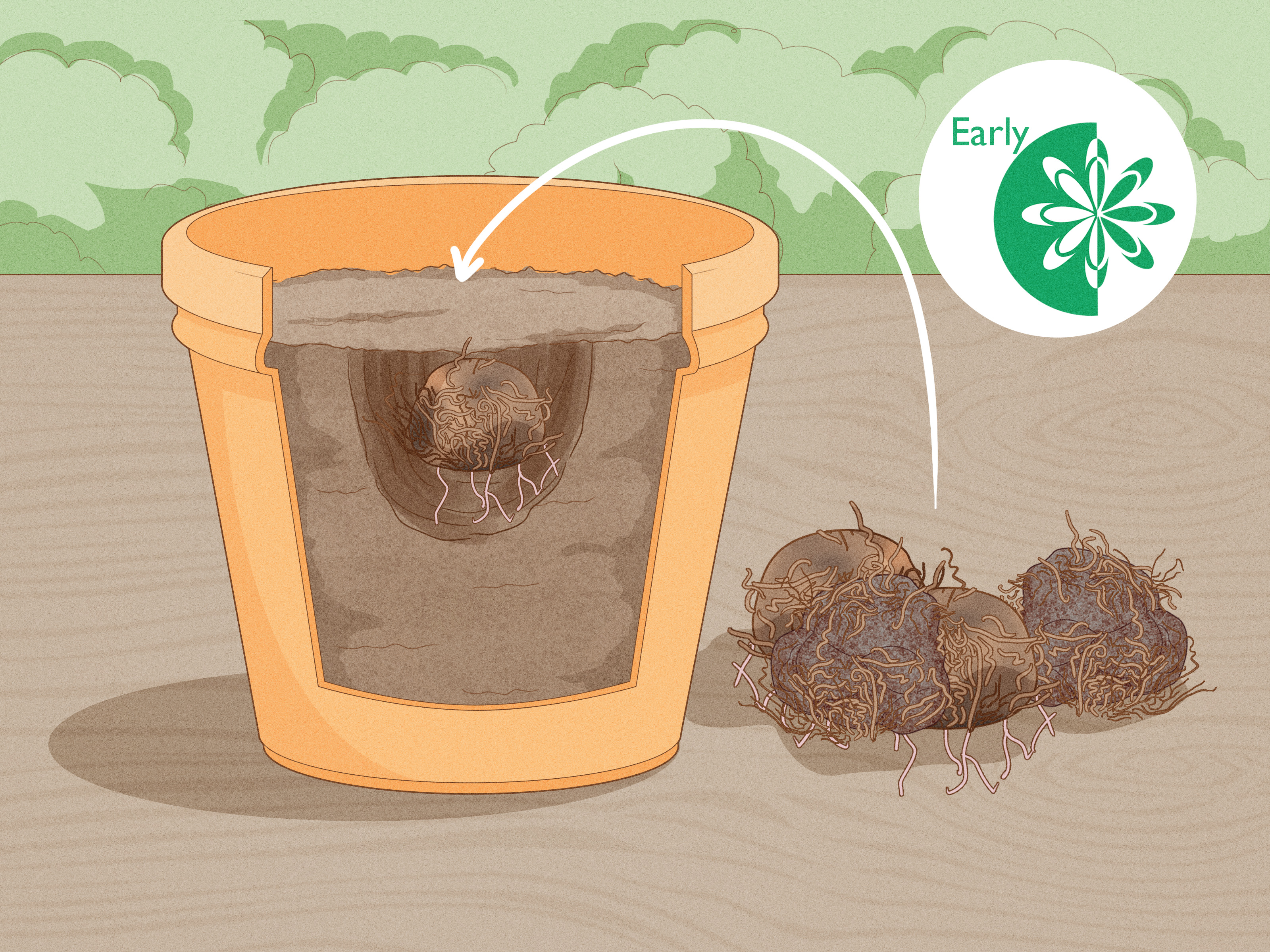
This is the step that confuses almost everyone at first. Place the begonia tuber with the rounded side down and the concave, hollow, or scooped side facing up. The shoots usually emerge from the concave side.
If you cannot tell which side is up, look closely for tiny pink or pale bumps. Those are sprout points. If the tuber still looks like a mysterious brown cookie, set it sideways or very slightly tilted in the soil. Nature is surprisingly good at correcting minor orientation mistakes, but correct placement gives the tuber the best start.
Step 8: Plant Shallowly
Begonia tubers should be planted shallowly. Set the tuber on the soil surface and cover it with only a thin layer of mixabout 1/2 inch or just enough to barely cover it. Some gardeners leave the top slightly exposed until shoots appear, especially when starting indoors.
Do not bury begonia tubers deeply like daffodil or tulip bulbs. Deep planting can delay sprouting and increase the risk of rot. Begonias prefer to be tucked in lightly, not buried like treasure.
Step 9: Water Carefully After Planting
After planting, water lightly around the tuber rather than soaking the center. Keep the soil evenly moist, but never soggy. Until you see active growth, use restraint. The tuber has stored energy and does not need constant watering to sprout.
Once leaves appear and the plant begins growing strongly, you can water more regularly. Check the top inch of soil with your finger. If it feels dry, water. If it feels damp, wait. Begonias appreciate attention, but they do not appreciate being fussed over with a watering can every five minutes.
Step 10: Provide Warmth and Gentle Light Indoors
If you start begonia tubers indoors, place the container in a warm location with bright, indirect light. A temperature around normal warm room conditions is usually suitable. Avoid cold windowsills at night, because chilly conditions slow sprouting.
Once shoots emerge, move the plant into brighter light, but avoid harsh direct sun through glass. Rotate the pot occasionally so the plant grows evenly. If seedlings lean dramatically in one direction, they are asking for more light with their whole body.
Step 11: Harden Off Before Moving Outdoors
Before planting begonias outside permanently, harden them off. This means gradually introducing them to outdoor conditions over 7 to 10 days. Start with a protected, shady spot for a few hours, then slowly increase their time outdoors.
Hardening off helps prevent leaf scorch, wind damage, and transplant shock. Even shade-loving plants need time to adjust from cozy indoor life to the great outdoors, where wind, sun, rain, and neighborhood squirrels all have opinions.
Step 12: Keep Them Blooming With Smart Care
After planting, keep begonias consistently moist and feed them regularly during the growing season with a balanced or bloom-supporting fertilizer according to label directions. Remove faded flowers to keep the plant tidy and encourage continued blooming. Provide good air circulation, especially in humid climates, to reduce disease pressure.
In fall, reduce watering as leaves yellow and growth slows. In cold climates, dig up tubers before freezing weather, let them dry, and store them in a cool, dark, dry place in peat moss, vermiculite, or another dry medium. Proper storage lets you replant the tubers next spring and enjoy a repeat performance.
Common Mistakes When Planting Begonia Bulbs
Planting Too Deep
Begonia tubers are not meant to be buried under several inches of soil. Deep planting often leads to slow growth or rot. Keep the tuber shallow, with only a light covering of potting mix.
Overwatering Before Sprouts Appear
The tuber needs moisture, but it also needs air. Wet soil around an unsprouted tuber is one of the fastest ways to lose it. Water lightly until growth begins, then increase watering as the plant develops leaves.
Using Heavy Soil
Dense clay soil can hold too much water around the tuber. If your garden soil is heavy, grow begonias in containers with a fluffy potting mix or amend beds generously with compost and drainage-friendly material.
Putting Them in Hot Afternoon Sun
Begonias may look tropical, but tuberous types usually dislike intense afternoon sun. Morning sun and afternoon shade are often the best combination for strong blooms without scorched leaves.
Skipping the Hardening-Off Period
A begonia grown indoors needs a gradual transition outdoors. Moving it straight from a windowsill to a bright patio can cause stress, wilting, and burned foliage.
Best Places to Grow Begonias
Begonias are wonderfully flexible once you understand their preferences. They shine in hanging baskets, where trailing types can spill over the edge like a floral waterfall. They also look elegant in porch planters, window boxes, shaded borders, and patio containers.
For a classic container combination, pair tuberous begonias with caladiums, coleus, impatiens, or ferns. These companions enjoy similar filtered light and moisture conditions. Just make sure the container is large enough for all roots to grow without crowding.
How Long Do Begonia Bulbs Take to Sprout?
Begonia tubers can take several weeks to sprout, depending on temperature, freshness, and growing conditions. Warmth speeds the process, while cool, wet soil slows it down. Do not panic if nothing happens immediately. Begonias are not instant noodles; they take their time.
However, if a tuber remains completely inactive for many weeks and becomes soft, moldy, or foul-smelling, it may have rotted. Healthy tubers should stay firm while they prepare to grow.
How Deep Should You Plant Begonia Bulbs?
Plant begonia bulbs shallowly, usually with about 1/2 inch of soil over the top. The concave side should face upward. In containers, many gardeners start the tuber almost on the surface, then add a little more mix once shoots are established. This method reduces the chance of burying the crown too deeply.
How Often Should You Water Begonia Bulbs?
Before sprouting, water sparingly and keep the soil lightly moist. After leaves develop, water whenever the top inch of soil feels dry. Container-grown begonias may need more frequent watering than those in garden beds, especially during warm weather.
Try to water the soil rather than soaking the leaves. Wet foliage combined with poor air circulation can encourage fungal problems. Morning watering is ideal because plants have time to dry during the day.
Do Begonia Bulbs Come Back Every Year?
In frost-free or very mild climates, tuberous begonias may return if conditions stay favorable. In colder regions, freezing temperatures can kill the tubers. Gardeners who want to keep them should lift and store the tubers before winter.
To store them, wait until foliage begins to yellow or frost threatens. Carefully dig the tubers, remove loose soil, let them dry in a protected area, and store them in a cool, dark location. Check occasionally during winter and discard any tubers that become soft or moldy.
Beginner-Friendly Care Tips After Planting
Once your begonias are growing, treat them like decorative guests who enjoy comfort but dislike extremes. Keep the soil evenly moist, feed during active growth, protect them from harsh sun, and give them space for airflow. Remove dead flowers and damaged leaves so the plant stays clean and attractive.
If leaves turn yellow, check your watering habits first. Yellow leaves can indicate overwatering, poor drainage, or natural aging. If stems become long and weak, the plant may need brighter filtered light. If leaves look scorched or crispy, move the plant away from direct afternoon sun.
Extra Experience: What Planting Begonia Bulbs Teaches You in Real Life
Planting begonia bulbs is one of those gardening jobs that looks simple on the package but teaches patience in practice. The first lesson is that begonias do not reward panic. You plant the tuber, water lightly, place it somewhere warm, and then absolutely nothing seems to happen. For a while, it looks like you are caring for a small dirt-covered biscuit. This is normal. The tuber is waking up underground, and your job is to avoid drowning it with “help.”
One of the most useful experiences is learning how different containers affect moisture. A small plastic pot may stay damp longer than expected, while a hanging basket can dry out quickly once the plant is leafy and blooming. This is why finger-testing the soil works better than following a strict calendar. Watering every Tuesday sounds organized, but begonias do not know what Tuesday is. They care about actual soil moisture.
Another real-world lesson is that light makes a huge difference. A begonia in deep shade may survive but produce fewer flowers. A begonia in hot afternoon sun may bloom briefly and then look crispy around the edges. The best performance often comes from that “Goldilocks” location: bright but protected, warm but not roasted, airy but not windy. An east-facing porch or lightly shaded patio is often the sweet spot.
It also helps to label your tubers if you plant several varieties. When they are dormant, many tubers look nearly identical. Without labels, your carefully planned color scheme can become a surprise party hosted by chaos. That may be charming, but it is less charming if you wanted white begonias by the front door and ended up with neon orange drama instead.
Feeding is another area where experience pays off. Tuberous begonias bloom heavily, and heavy blooming takes energy. A regular, diluted fertilizer routine during active growth can keep flowers coming. However, more fertilizer is not always better. Overfeeding can lead to soft growth, salt buildup, or stressed roots. Follow product directions and think “steady support,” not “buffet challenge.”
Finally, overwintering teaches the long game. At the end of the season, it is tempting to toss tired plants into the compost and start fresh next year. But lifting and storing begonia tubers can be surprisingly satisfying. You let the foliage fade, dry the tubers properly, store them cool and dark, and months later you get to restart the cycle. It feels a little like saving buried treasureexcept the treasure becomes flowers.
The best overall advice from hands-on experience is simple: plant shallowly, water carefully, avoid harsh sun, and be patient. Begonias may seem fancy, but they are not impossible. Once they begin blooming, all that careful waiting suddenly makes sense. The plant that started as a strange little tuber becomes a container full of ruffled color, and you get to pretend you knew it would work all along.
Conclusion
Learning how to plant begonia bulbs is really learning how to give tuberous begonias the gentle start they prefer. Choose firm tubers, plant them concave side up, keep them shallow, use loose well-drained soil, and protect them from cold, soggy conditions. Once growth begins, provide bright shade, steady moisture, regular feeding, and shelter from harsh afternoon sun.
Begonias are not the toughest plants in the garden, but they are among the most rewarding. With the right planting method, a humble tuber can turn into a season-long display of lush leaves and bright, ruffled blooms. That is a pretty good return on a small brown lump that looked questionable at first glance.
Note: This article is written as original web-publishing content and is based on practical horticultural guidance from reputable gardening and extension resources. Source links are intentionally omitted as requested.