Few things are more disappointing than stepping into the shower expecting a relaxing waterfall and getting a confused little drizzle instead. If your showerhead sprays sideways, coughs like it has seasonal allergies, or looks like it has been dusted with chalk, limescale is probably the culprit.
Limescale is the crusty white or gray mineral buildup left behind by hard water. Hard water contains dissolved minerals, especially calcium and magnesium. When water evaporates on your showerhead, those minerals stay behind like unwanted houseguests who brought luggage. Over time, they clog the tiny spray holes, reduce water pressure, dull the finish, and make your once-beautiful showerhead look tired.
The good news: you usually do not need a plumber, a new fixture, or a dramatic bathroom renovation montage. In most cases, you can clean limescale from a showerhead with simple household items, a little patience, and the correct method for your fixture’s finish.
Below are three effective ways to clean limescale from a showerhead, from the classic vinegar bag trick to a deeper removable-showerhead clean and a careful commercial descaling option for stubborn buildup.
Why Limescale Builds Up on Showerheads
Before we attack the crust, let’s understand the enemy. Limescale forms when minerals in hard water collect on surfaces. Showerheads are especially vulnerable because they are constantly exposed to water, heat, steam, and drying cycles. Every time you shower, tiny droplets cling to the fixture. When those droplets dry, minerals remain.
At first, limescale may appear as pale spots around the nozzles. Later, it can become rough, thick, and stubborn. If ignored, it may block spray holes and force water out at odd angles. That is how you end up with one stream hitting your shoulder, another blasting the shower curtain, and one mysterious jet aiming directly for your left ear.
What You Need Before Cleaning
Most showerhead limescale cleaning jobs require only basic supplies. Gather these before you begin:
- Distilled white vinegar
- A plastic zip-top bag
- Rubber bands, twist ties, or string
- A soft toothbrush or small cleaning brush
- A microfiber cloth
- A bowl or container for removable showerheads
- A toothpick, paper clip, or needle for blocked nozzles
- Rubber gloves
- Optional: baking soda, lemon juice, or a limescale remover
Important safety note: Never mix vinegar with bleach or other chemical cleaners. Also, be careful with delicate finishes such as brass, gold, nickel, matte black, and some specialty coatings. Long vinegar soaks can damage certain finishes. When in doubt, check the manufacturer’s care instructions and use a shorter soak.
Way 1: Clean a Fixed Showerhead with the Vinegar Bag Method
This is the easiest and most popular way to clean limescale from a showerhead without removing it. It works well for everyday mineral buildup and mild to moderate clogging.
Best for:
Fixed showerheads, light limescale, weak spray, and busy people who want the showerhead to clean itself while they do something more exciting, like not cleaning.
Step-by-Step Instructions
- Fill a plastic bag with vinegar. Pour enough distilled white vinegar into a zip-top bag to fully cover the showerhead nozzles.
- Attach the bag. Carefully place the bag over the showerhead so the spray face is submerged.
- Secure it tightly. Use a rubber band, twist tie, or string to hold the bag around the shower arm.
- Let it soak. For standard chrome or stainless steel fixtures, soak for one to several hours. For heavy buildup, an overnight soak may help. For delicate finishes, limit the soak to about 15 to 30 minutes.
- Remove the bag carefully. Support the bag as you remove it so vinegar does not splash everywhere. Your bathroom floor did not volunteer for this project.
- Scrub the nozzles. Use a soft toothbrush to loosen remaining mineral deposits.
- Flush with hot water. Turn on the shower for one to two minutes to rinse away loosened debris.
- Dry the fixture. Wipe it with a microfiber cloth to prevent fresh water spots.
Why Vinegar Works
White vinegar contains acetic acid, which helps dissolve mineral deposits. It is inexpensive, easy to find, and strong enough for many limescale problems without being as harsh as some heavy-duty chemicals. That said, vinegar is still acidic, so more is not always better. A short soak repeated twice is safer than a marathon soak on a delicate finish.
Pro Tip
If the showerhead has rubber spray nozzles, gently rub them with your fingers after soaking. Many modern showerheads are designed so mineral buildup can be loosened this way. Think of it as giving your showerhead a tiny spa massage.
Way 2: Remove the Showerhead for a Deeper Limescale Clean
If the vinegar bag method improves the spray but does not fully solve the problem, it may be time for a deeper clean. Removing the showerhead lets you soak it more evenly, clean the filter screen, and clear internal mineral deposits.
Best for:
Removable showerheads, handheld showerheads, severe clogging, uneven water flow, and fixtures that have not been cleaned since approximately the invention of indoor plumbing.
Step-by-Step Instructions
- Turn off the shower. You do not need to shut off water to the whole house, but make sure the shower valve is off.
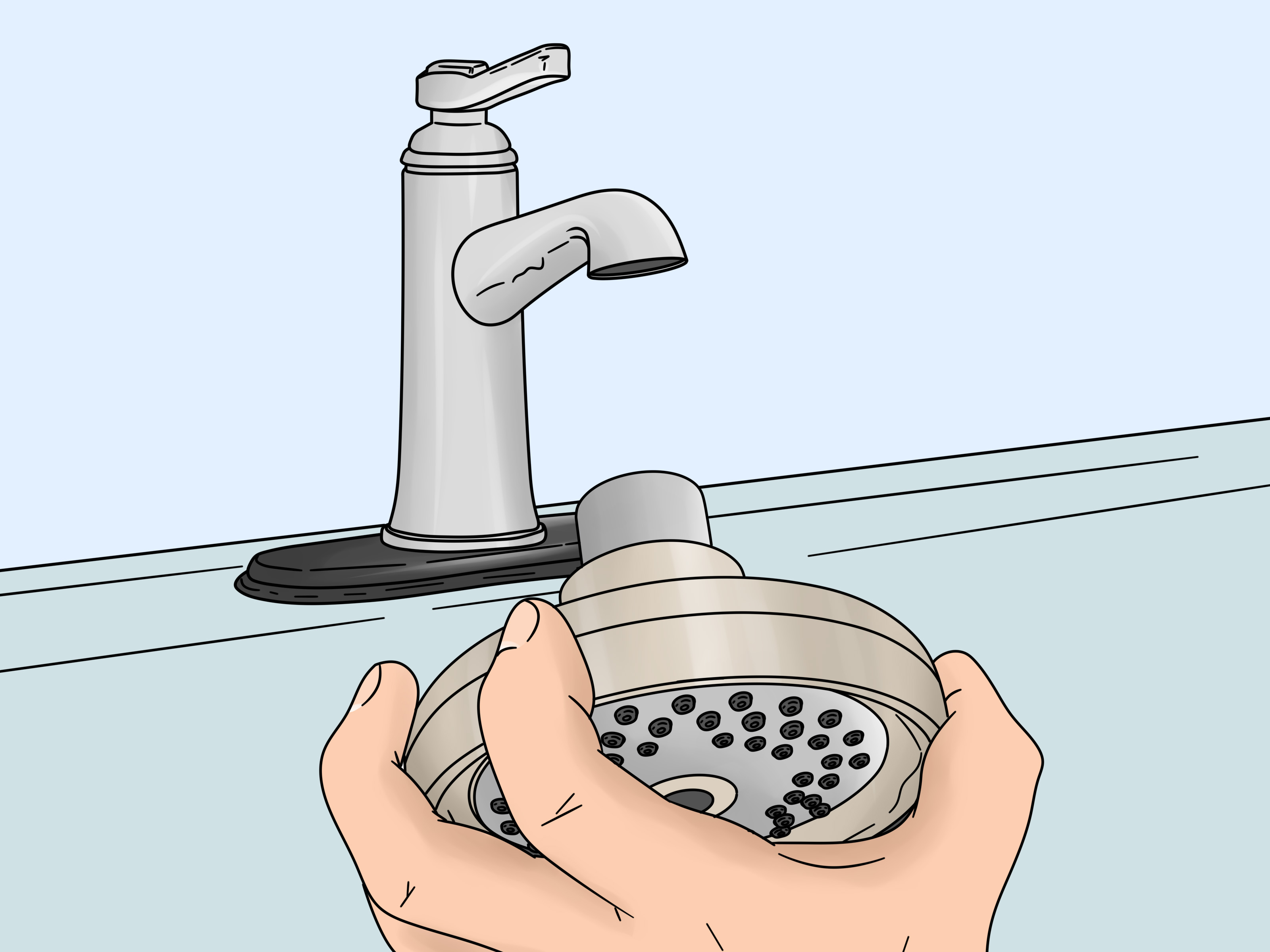
- Unscrew the showerhead. Try turning it by hand first. If it is tight, use pliers or a wrench with a cloth wrapped around the connection to avoid scratching the finish.
- Check for a filter screen. Many showerheads have a small screen or washer where the fixture connects to the shower arm. Remove it gently if possible.
- Soak the parts. Place the showerhead and removable parts in a bowl of white vinegar or a 50/50 vinegar-water solution. Soak for 30 minutes to several hours, depending on buildup and finish sensitivity.
- Scrub gently. Use a toothbrush to clean around the nozzles, threads, and screen.
- Clear blocked holes. Use a toothpick, paper clip, or needle carefully. Do not force it aggressively, especially on rubber nozzles.
- Rinse thoroughly. Run water through the showerhead from both directions if possible.
- Reattach the showerhead. Screw it back onto the shower arm. If needed, replace old plumber’s tape on the threads.
- Test the spray. Turn on the shower and let it run for a minute to flush out remaining debris.
When to Replace the Showerhead Instead
Cleaning can do a lot, but it cannot perform miracles on every fixture. Consider replacing the showerhead if it is cracked, leaking from multiple areas, corroded, or still spraying poorly after a deep clean. Fortunately, a new showerhead is often one of the easiest bathroom upgrades you can make without calling in a professional.
Way 3: Use Baking Soda, Lemon Juice, or a Commercial Descaler for Stubborn Limescale
Sometimes vinegar alone needs backup. If the limescale is thick, old, or clinging to textured areas, you can try a gentle paste or a commercial limescale remover. This method is especially useful when you want targeted cleaning rather than a long soak.
Option A: Baking Soda Paste
Baking soda is mildly abrasive, which makes it useful for loosening surface buildup without scratching many common finishes when used gently.
- Mix baking soda with a small amount of water to form a paste.
- Apply the paste to the crusty areas around the nozzles.
- Let it sit for 10 to 15 minutes.
- Scrub gently with a soft toothbrush.
- Rinse well and wipe dry.
This method works best for surface deposits and soap scum. For mineral buildup inside the nozzles, vinegar or a descaler usually works better.
Option B: Lemon Juice for Light Limescale
Lemon juice contains citric acid, which can help dissolve light mineral deposits and leave a fresh scent. It is not as powerful as white vinegar for heavy limescale, but it can be useful for maintenance cleaning.
- Apply lemon juice to the affected areas with a cloth or sponge.
- Let it sit for 10 to 20 minutes.
- Scrub gently with a toothbrush.
- Rinse thoroughly.
- Dry with a microfiber cloth.
Option C: Commercial Limescale Remover
For stubborn calcium buildup, a commercial calcium, lime, and rust remover can work quickly. Choose a product labeled safe for bathroom fixtures and follow the instructions exactly. Many descalers require dilution and only a short contact time.
Commercial cleaners can be effective, but they are not a “pour and pray” situation. Wear gloves, ventilate the bathroom, avoid mixing products, and rinse the showerhead thoroughly afterward. If your fixture has a special finish, check the product label and the showerhead manufacturer’s care guide before using it.
How Often Should You Clean Limescale from a Showerhead?
Cleaning frequency depends on your water hardness and how often the shower is used. In homes with hard water, cleaning the showerhead about once a month can prevent heavy buildup. In areas with softer water, every two to three months may be enough.
A quick weekly wipe-down also helps. After your shower, use a microfiber cloth to dry the fixture. It takes less than a minute and prevents minerals from drying on the surface. Yes, it is one more tiny chore, but it is much easier than chiseling off a mineral fortress later.
Common Mistakes to Avoid
Soaking Delicate Finishes Too Long
Vinegar can damage certain finishes if left too long. Brass, gold, nickel, oil-rubbed bronze, and matte black finishes deserve extra caution. Use diluted vinegar, short contact times, and immediate rinsing.
Using Bleach on a Showerhead
Bleach is not the best choice for removing limescale. It does not dissolve mineral deposits the way acidic cleaners do, and it may damage finishes. Save bleach for appropriate disinfecting jobs, not calcium buildup.
Scrubbing with Abrasive Pads
Steel wool, harsh scouring pads, and gritty cleaners can scratch polished surfaces. Use a soft toothbrush, sponge, or microfiber cloth instead.
Forgetting to Flush the Showerhead
After soaking or scrubbing, always run hot water through the fixture. This clears loosened deposits from inside the nozzles and helps restore water flow.
How to Prevent Limescale from Coming Back
You cannot stop minerals from existing in hard water, but you can reduce buildup. Wipe the showerhead dry after use, run the bathroom fan to reduce humidity, and clean small deposits before they harden. If your home has very hard water, consider a water softener or filtration system designed for mineral reduction.
Also, make showerhead cleaning part of your bathroom routine. The easiest limescale to remove is the limescale that has not yet turned into bathroom concrete.
Experience-Based Tips: What Actually Happens When You Clean a Limescale-Covered Showerhead
When people clean a showerhead for the first time in months, the most common surprise is how fast the spray improves. The change is not always dramatic in the first five minutes, but after a proper soak and flush, the water pattern often looks more even. Instead of ten sad streams and one aggressive sideways jet, the shower begins to feel balanced again.
One practical lesson is that patience matters. Many people remove the vinegar bag too early, scrub for a few seconds, and assume the method failed. Limescale forms slowly, so it often needs time to soften. A 15-minute soak may work for light deposits, but a neglected showerhead may need several hours. For delicate finishes, repeat short soaks rather than risking damage with one long soak.
Another useful experience is that the outside of the showerhead does not tell the whole story. A fixture may look only slightly spotted but still have clogged internal nozzles. That is why flushing with hot water after cleaning is so important. Sometimes little flakes of mineral buildup come out after the soak. It is oddly satisfying, like the showerhead is sneezing out tiny rocks.
For handheld showerheads, removing the fixture usually gives better results. The connection point often hides a small screen that catches sediment. If that screen is clogged, soaking only the spray face may not fully restore pressure. Cleaning the screen gently with vinegar and a toothbrush can make a noticeable difference.
Homeowners with hard water often learn that prevention beats rescue cleaning. Waiting until the showerhead looks crusty means the minerals have had time to harden. Wiping the fixture dry once or twice a week can greatly reduce visible deposits. It sounds too simple to matter, but it works because limescale forms when water dries and leaves minerals behind.
Commercial descalers can be helpful, especially for severe buildup, but they should be treated with respect. Stronger does not always mean better for decorative finishes. A product that works beautifully on a basic chrome fixture may be too harsh for a specialty finish. Reading labels is not glamorous, but neither is explaining why the fancy matte black showerhead now looks like it survived a chemistry experiment.
The biggest takeaway is this: cleaning limescale from a showerhead is not difficult, but it rewards careful technique. Use acid-based cleaners wisely, scrub gently, rinse thoroughly, and dry the surface afterward. Do that, and your showerhead can go from “haunted garden sprinkler” to “hotel-style refresh” without much drama.
Conclusion
Learning how to clean limescale from a showerhead is one of those small home-care skills that pays off quickly. A simple vinegar soak can restore weak spray, a deeper removable-showerhead clean can clear hidden mineral deposits, and a careful baking soda, lemon juice, or commercial descaler treatment can handle stubborn buildup.
The best method depends on your showerhead type, finish, and level of limescale. Start gentle, avoid harsh scrubbing, never mix cleaners, and always rinse well. With regular maintenance, your showerhead will look better, spray better, and stop acting like it is personally offended by water pressure.