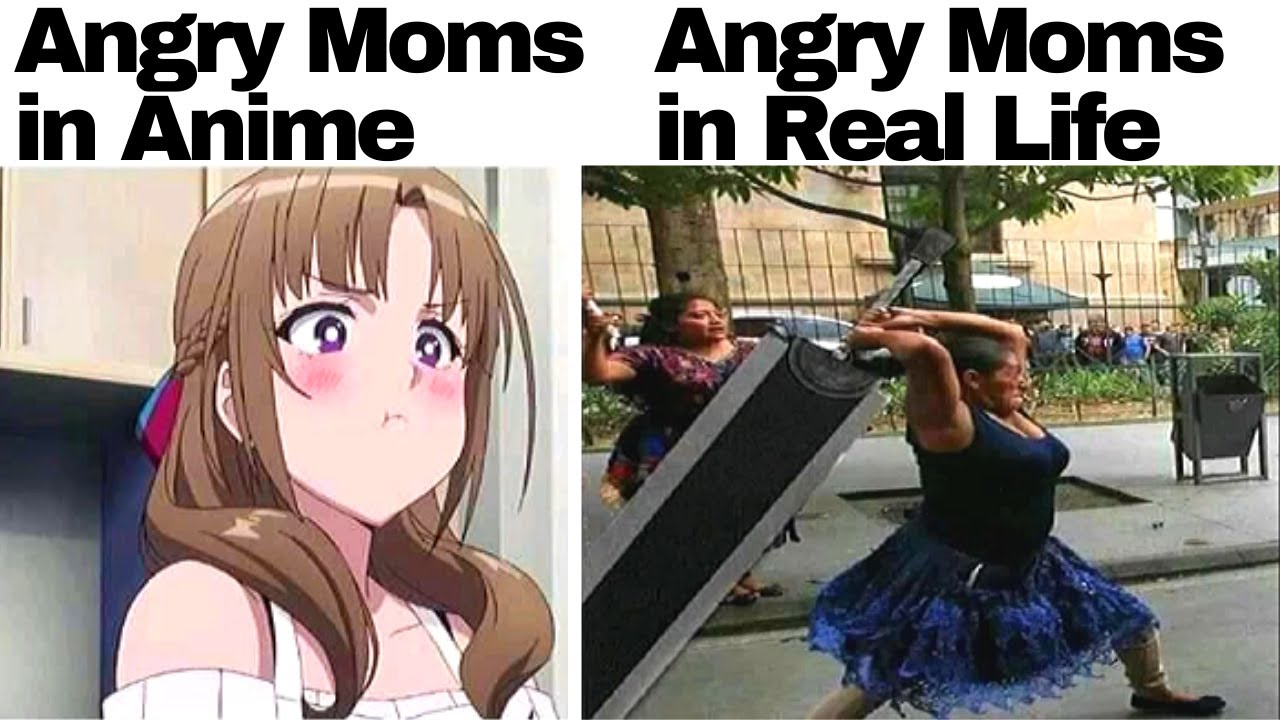
Anime memes are the internet’s way of saying, “I have felt this emotion before, but with bigger eyes, louder internal screaming, and possibly a dramatic wind effect.” Whether it is a screenshot of a character staring into the distance after one mild inconvenience or a caption about finishing one episode and accidentally watching twelve, anime memes have become a language of their own. They are funny, fast, expressive, and strangely perfect for describing everyday life.
The phrase “Hey Pandas, Post An Anime Meme” fits naturally into the playful world of community-driven internet humor. It sounds like a friendly invitation shouted across a digital room full of fans: bring your best joke, your most relatable screenshot, your favorite reaction image, and maybe a little emotional damage wrapped in a pastel filter. The “Pandas” style of posting is casual, social, and user-powered. It is less about polished comedy and more about people sharing small pieces of their fandom personality.
And that is exactly why anime memes work. They are not just random pictures with text. They are tiny cultural shortcuts. A good anime meme can summarize school stress, social awkwardness, procrastination, friendship, fandom obsession, gaming frustration, romantic delusion, and snack-related emergencies in one image. In the time it takes to say “just one more episode,” a meme can travel from one group chat to another, picking up laughs like a shonen hero collecting power-ups.
Why Anime Memes Became So Popular
Anime is no longer a niche hobby hiding in the back row of pop culture with a hoodie over its head. Streaming platforms, fan conventions, social media, gaming communities, cosplay, and short-form video have pushed anime into the mainstream. Modern audiences do not just watch anime; they quote it, remix it, review it, cosplay it, argue about it, and turn it into memes before the closing credits finish rolling.
Part of the appeal is visual intensity. Anime is built for emotion. Characters do not simply feel surprised; their eyes become moons, their faces collapse into geometry, and the background may explode into speed lines. This makes anime screenshots especially meme-friendly. A single frame can look like panic, betrayal, confidence, exhaustion, or the face you make when your teacher says, “This will be on the test,” after you have already mentally moved to another dimension.
Anime also covers nearly every mood. Action series provide dramatic reaction shots. Slice-of-life anime gives fans cozy, awkward, everyday moments. Sports anime turns normal motivation into life-or-death inspiration. Fantasy anime offers exaggerated villain faces and hero speeches. Romantic comedies give us misunderstandings so powerful they could probably fuel a small city. With so many genres and expressions, anime becomes an endless meme pantry. Open the door, and yes, there is probably a character crying over rice.
The Community Magic Behind “Hey Pandas” Posts
The charm of a prompt like “Hey Pandas, Post An Anime Meme” comes from participation. It is not a top-down article telling readers what to laugh at. It is a digital open mic night where everyone gets a turn. Some people post a meme about being tired. Others post a joke about anime openings being impossible to skip. Someone else shares a meme only three people understand, and those three people laugh like they have discovered a sacred text.
Community meme posts thrive because they lower the pressure. You do not need to be a professional comedian, critic, or anime historian. You only need one funny observation and the courage to click “post.” This is why anime meme threads often feel warmer than regular comment sections. Fans recognize the same shows, tropes, expressions, and emotional overreactions. The meme becomes a little handshake: “You watch this too? Excellent. We are now emotionally connected through animated chaos.”
That community connection matters. Online humor often helps people feel seen. A meme about studying at midnight, pretending to be productive, or acting calm while internally panicking can make a person think, “Oh good, it is not just me.” Anime memes add another layer because fandom already creates shared identity. When the joke references a familiar character, opening song, power system, or overdramatic tournament arc, it rewards fans for being part of the club.
What Makes a Good Anime Meme?
1. A Relatable Emotion
The best anime memes usually begin with a feeling everyone knows. Exhaustion after a long day. The confidence of starting a new hobby. The horror of realizing homework exists. The betrayal of an empty snack drawer. Anime gives those feelings a face, and the caption gives them a punchline.
For example, a screenshot of a character looking completely defeated could become: “Me after saying I’ll sleep early and then starting a 24-episode anime at 11:47 p.m.” That joke works because the audience recognizes the bad decision. We have all made promises to our sleep schedule and then treated those promises like filler episodes.
2. A Clear Caption
A meme does not need a paragraph. In fact, it usually should not have one. The caption should be quick enough to read before the viewer’s thumb escapes down the screen. Anime memes often perform best when the text is simple, direct, and sharply matched to the character’s expression.
Think of the image as the dramatic actor and the caption as the script. If the image shows panic, the caption should explain what caused the panic. If the image shows smug confidence, the caption should reveal why that confidence is probably undeserved. When the image and text cooperate, the joke lands cleanly.
3. A Fandom Reference Without Gatekeeping
Inside jokes are fun, but they can become confusing if they require a ten-volume encyclopedia and three fan theories to understand. A strong anime meme can reward fans while still being readable to casual viewers. Referencing a popular trope, like the “power of friendship,” the beach episode, the tournament arc, or the mysterious transfer student, makes the joke widely accessible.
That balance is important. A meme that only five people understand may still be hilarious, but a meme that five thousand people understand has a better chance of traveling. Anime meme culture works best when it feels welcoming, not like a locked door guarded by someone asking you to name every side character from season two.
Popular Types of Anime Memes
Reaction Memes
Reaction memes are the bread and butter of anime humor. A shocked face, blank stare, evil grin, or emotional breakdown can be used to respond to almost anything. These memes are popular because they save time. Instead of typing “I am overwhelmed by this situation,” you can post an anime character looking like their soul just buffered.
Relatable Life Memes
These memes connect anime expressions to ordinary problems: school, work, chores, social anxiety, boredom, deadlines, and the dangerous phrase “I’ll do it tomorrow.” They are easy to share because the joke is not limited to anime fans. Even someone who has never watched a full series can understand the comedy of a character dramatically collapsing after opening an email.
Fandom Struggle Memes
Anime fans have their own beautiful problems. Too many shows, not enough time. A watchlist longer than a grocery receipt. Spoilers hiding in thumbnails like villains in tall grass. The pain of waiting for a new season. The confusion of explaining anime titles that sound like full diary entries. Fandom struggle memes lovingly roast the lifestyle.
Character Comparison Memes
These memes compare anime characters to real-life personalities, moods, or situations. One character might represent “me pretending to understand math,” while another represents “my brain after three seconds of effort.” They work because anime characters often have strong, recognizable personalities. A single expression can carry an entire joke.
Opening Song and Ending Theme Memes
Anime music deserves its own meme kingdom. Fans joke about never skipping openings, pretending not to cry during endings, or suddenly gaining motivation from a theme song while doing something extremely ordinary, like folding laundry. The drama of anime music makes everyday life feel like a final battle, even when the enemy is a fitted sheet.
Why Anime Memes Spread So Quickly
Memes spread because they are easy to remix. A template gives people a structure, and each new caption adds a personal twist. Anime is especially useful for this because its visual library is enormous. Every season brings new expressions, new characters, new dramatic scenes, and new opportunities for the internet to say, “This is mine now.”
Another reason anime memes travel well is that they cross platforms. A joke may begin in a fan forum, move to a group chat, appear on a short-form video, get reposted in a comment thread, and finally arrive on someone’s phone at 2 a.m. with no context and perfect timing. Online communities are connected in messy, fast-moving ways, and memes are built for that kind of movement.
Anime memes also fit modern attention spans. They are quick, visual, and emotionally direct. You do not need a long setup. The art style does half the work. A wide-eyed stare can communicate more than a full essay titled “An Academic Study of My Current Panic.” This is why anime reaction images remain so useful in digital conversation.
How To Post A Better Anime Meme
Choose The Right Image
Start with a clear facial expression or scene. The viewer should understand the mood immediately. A blurry screenshot with five characters, tiny text, and three background explosions may be exciting, but it can also make the joke harder to read. The best meme images are visually simple and emotionally obvious.
Keep The Text Short
Short captions usually win. Try to write the joke in one sentence. If the caption needs a full backstory, a family tree, and an explanation of the magic system, it may be too complicated for a meme. Save that for a fan theory post, where everyone brings snacks and opinions.
Use Original Captions
It is fine to use a familiar format, but the caption should feel fresh. Instead of repeating the same joke everyone has seen, connect the image to a new situation. Think school, gaming, social awkwardness, online shopping, weekend laziness, food cravings, or the emotional roller coaster of checking grades.
Be Funny Without Being Mean
Anime memes are best when they invite people into the joke. Avoid targeting real people, bullying fans, or turning humor into a cheap insult. A good meme makes people laugh together. A lazy meme just points and laughs. The internet already has enough of that energy; it does not need another villain arc.
Respect Artists And Creators
Memes often remix copyrighted images, and many are shared as parody, commentary, or transformative humor. Still, it is smart to be respectful. Do not remove artist credits from fan art, do not claim someone else’s work as your own, and avoid reposting art in ways that harm the creator. When possible, use official screenshots, your own edits, or properly credited material. Being funny and being decent can exist in the same timeline.
Examples Of Anime Meme Ideas
Study meme: A character looking confident before battle with the caption, “Me opening the textbook five minutes before the quiz like I’m about to unlock a hidden ability.”
Sleep meme: A character with intense, glowing eyes captioned, “Me at 1:00 a.m. deciding one more episode is a responsible life choice.”
Food meme: A dramatic crying scene captioned, “When the leftovers you were thinking about all day are gone.”
Social meme: A nervous character hiding behind a wall captioned, “Me after sending ‘lol’ and wondering if it sounded too serious.”
Motivation meme: A hero powering up captioned, “Me cleaning my room after putting on one anime opening and pretending I’m training for the final arc.”
These examples work because they take normal experiences and give them anime-level intensity. That is the secret sauce. Anime memes do not make everyday life smaller; they make it hilariously dramatic.
The SEO Angle: Why “Anime Meme” Content Performs Well
From a search perspective, anime meme content has several advantages. It targets a highly active fan audience, uses naturally searchable phrases, and encourages engagement. People do not just read meme posts; they comment, share, save, remix, and return. That behavior can help content feel alive rather than static.
Keywords like “anime meme,” “funny anime memes,” “anime reaction memes,” “relatable anime memes,” and “anime fandom humor” fit naturally because they describe what readers are already looking for. The key is not to stuff the same phrase into every paragraph like a cursed chant. Instead, use related terms where they make sense. Search engines are smarter than they used to be, and readers have always been smart enough to notice when a sentence sounds like it was assembled by a vending machine.
A strong anime meme article should also include useful context, examples, and community insight. A thin page with a title and a few generic jokes may get a click, but a richer article gives readers a reason to stay. It explains why the topic matters, how the humor works, and how fans can participate. That makes the content more valuable for both readers and search engines.
Experiences Related To “Hey Pandas, Post An Anime Meme”
One of the most enjoyable experiences around anime meme threads is watching how different fans interpret the same prompt. Someone posts a meme about a main character powering up before doing homework. Another person replies with a villain reaction face about opening a math assignment. A third person arrives with a wholesome meme about friendship, and suddenly the thread has become a tiny anime convention without the long lines, expensive snacks, or panic of realizing your cosplay wig is fighting gravity.
Community prompts also reveal how personal anime humor can be. A fan who loves slice-of-life shows may post a soft, cozy meme about making tea and ignoring responsibilities for ten peaceful minutes. A sports anime fan might post something about treating a casual game of dodgeball like the national championship. A shonen fan may turn every small inconvenience into a training arc. A romance anime fan might post a meme about overanalyzing a two-word text message as if it contains ancient prophecy. The same topic becomes many different experiences because every fan brings their own viewing history.
There is also a special joy in finding a meme that feels too accurate. You scroll casually, not expecting emotional exposure, and then there it is: a character staring blankly into space with a caption about adding another show to your watchlist instead of finishing the twenty-seven you already started. You laugh, but you also feel personally attacked by a JPEG. That is the magic of good anime memes. They are silly, but they are also weirdly precise.
Posting an anime meme can feel like tossing a paper airplane into a crowded room and hoping someone catches it. Sometimes the joke gets only a few reactions. Sometimes it sparks a chain of replies, edits, and spin-off jokes. The best part is that success does not always depend on perfect design. A rough meme with a brilliant caption can outperform a polished one because the idea is relatable. In meme culture, timing and emotional accuracy often matter more than fancy editing.
Another common experience is the “I did not expect this to become a conversation” moment. A simple meme about skipping anime openings can turn into a debate about the greatest opening songs of all time. A joke about filler episodes can become a nostalgic discussion about childhood TV schedules. A meme about anime food can make everyone suddenly hungry. The original post may be small, but fans build around it. That is why community meme prompts work so well: they are not just content; they are conversation starters.
Anime meme threads can also help newer fans feel comfortable. Joining a fandom can be intimidating when long-time viewers know every studio, director, manga chapter, and voice actor. Memes make the door easier to open. A person may not know the full history of anime, but they understand being tired, excited, nervous, or obsessed with a fictional character’s hairstyle. Humor becomes a bridge between casual viewers and experienced fans.
Of course, not every meme lands. Sometimes a caption is too confusing. Sometimes the image does not match the joke. Sometimes the humor depends on a spoiler, and the comment section immediately turns into a courtroom. But even those awkward moments are part of the experience. Meme communities are creative laboratories. People test jokes, learn timing, discover what fans respond to, and occasionally create something so funny that it deserves its own dramatic soundtrack.
In the end, “Hey Pandas, Post An Anime Meme” is more than a request for funny pictures. It is an invitation to share fandom through humor. It says: bring your favorite reaction, your most chaotic caption, your softest comfort joke, your most dramatic school-life comparison. The internet can be noisy, but a good anime meme cuts through the noise with one clear message: life is ridiculous, anime understands, and yes, we should probably laugh about it together.
Conclusion
Anime memes have become a powerful part of online fandom because they are visual, emotional, fast, and endlessly remixable. They turn ordinary situations into dramatic scenes and give fans a playful way to connect. A prompt like “Hey Pandas, Post An Anime Meme” works because it is open, friendly, and community-driven. It invites everyone to participate, whether they are lifelong anime fans or casual viewers who simply enjoy a good reaction image.
The best anime memes are relatable, clear, original, and respectful. They use familiar emotions, sharp captions, and expressive images to create instant recognition. They can make people laugh, start conversations, and help fans feel like part of a shared culture. In a world where everyone is scrolling quickly, anime memes have mastered the art of saying a lot with a single face, a short caption, and just enough dramatic energy to make folding laundry feel like the final episode.