A yard with more bumps than a back-country road is not merely annoying when you mow. Uneven ground can collect water, expose tree roots, creatrd the foundation. Fortunately, lawn leveling and yard grading can correct these problemsbut the price depends heavily on what “level” means for your property.
For a typical professional project in the United States, homeowners can expect to spend approximately $1,000 to $5,000. A small area with shallow depressions may cost $500 to $1,000, while extensive excavation, drainage work, imported soil, or difficult access can push the bill above $10,000. In other words, fixing one ankle-twisting dip is one project; persuading an entire hillside to behave is another.
Average Cost to Level a Yard
National cost databases report somewhat different averages because contractors, regions, soil conditions, and project definitions vary. Based on current U.S. pricing data, a reasonable budget for professional yard leveling is about $1,900 to $2,500, with most standard residential projects falling between $1,000 and $5,000.
| Project Scope | Typical Cost Range |
|---|---|
| Minor low-spot repair | $200 to $800 |
| Small grading project | $500 to $1,000 |
| Average residential yard leveling | $1,000 to $5,000 |
| Large or steep backyard | $5,000 to $10,000+ |
| Fine or finish grading | $0.40 to $1 per square foot |
| Rough grading or major reshaping | $1 to $2 or more per square foot |
Some lawn-care estimates run as high as $4 per square foot when a project involves substantial labor, difficult terrain, premium materials, or additional landscaping. That is why square-foot pricing should be treated as a starting point rather than a guaranteed checkout price.
Current cost ranges were synthesized from national data published by Bob Vila, Angi, HomeAdvisor, HomeGuide, Thumbtack, Forbes Home, Fixr, and LawnStarter.
Yard Leveling vs. Yard Grading
The terms yard leveling and yard grading are often used interchangeably, but they are not always identical.
Yard Leveling
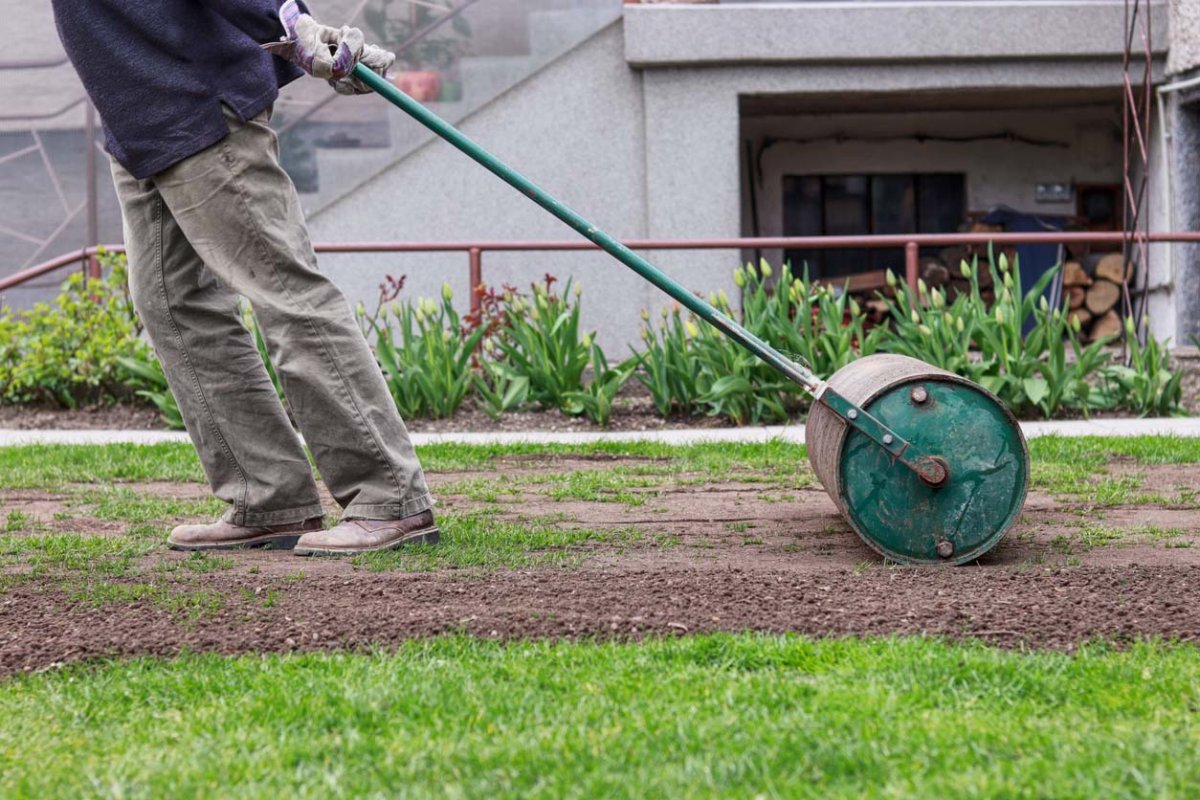
Leveling usually means smoothing bumps, ruts, and shallow depressions to create a more even surface. A contractor might spread a mixture of soil and sand over low areas, redistribute existing soil, compact the surface, and reseed the lawn. This is common when a yard is uncomfortable to walk on but does not have a serious drainage problem.
Yard Grading
Grading means deliberately changing the elevation or slope of the land. The goal may be to direct water away from a house, prepare a site for a patio, flatten an area for a playset, or reshape a steep backyard. Grading generally requires more excavation, planning, equipment, and soil than simple lawn leveling.
A perfectly flat yard is not always desirable. Water needs somewhere sensible to go. The ideal result is usually a smooth lawn with a controlled, gentle slopenot a giant outdoor dinner plate that fills with rain.
Factors That Affect Yard-Leveling Costs
1. Size of the Area
The number of square feet being corrected is one of the largest cost factors. Leveling a 300-square-foot seating area is far less expensive than regrading a 5,000-square-foot backyard. However, contractors may charge a minimum service fee for small jobs because transporting workers and machinery costs money regardless of project size.
Homeowners can often save thousands by correcting only the problem areas instead of regrading the entire property. A contractor should be able to identify whether the whole yard is failing or whether a few poorly shaped sections are causing the trouble.
2. Existing Slope and Elevation Change
A mildly uneven lawn may require only an inch or two of top-dressing material. A steep slope might require excavation, retaining walls, erosion control, terraces, or several truckloads of soil.
The greater the elevation change, the more material must be removed, relocated, imported, compacted, or hauled away. Flattening a hill can therefore cost several times more than filling shallow depressions.
3. Soil Type and Condition
Soft, workable soil is usually easier to grade than rocky ground, compacted clay, or soil filled with construction debris. Heavy clay may drain poorly and become difficult to move when wet. Sandy soil is easier to shape but may erode or settle without proper stabilization.
Compacted soil also reduces water infiltration and drainage. A contractor may recommend aeration, tilling, amendments, or removal of unsuitable soil before establishing the final grade.
4. Fill Dirt and Topsoil
Fill dirt is typically used to build elevation because it compacts well and costs less than nutrient-rich topsoil. Current pricing commonly falls around $5 to $30 per cubic yard before delivery. Topsoil, which supports grass and plants, generally costs about $10 to $55 per cubic yard.
Delivery can add $50 to $150 per trip, depending on distance and quantity. Small orders may be surprisingly expensive per cubic yard because the truck still has to make the trip. Apparently, dirt enjoys first-class transportation.
Material estimates reflect current topsoil and fill-cost guidance from Angi, HomeGuide, and related national landscaping databases.
5. Site Accessibility
Easy access allows contractors to use skid steers, compact loaders, excavators, and grading attachments. A narrow side gate, retaining wall, swimming pool, mature planting bed, or closely spaced neighboring home may prevent machinery from reaching the yard.
If dirt must be moved with wheelbarrows instead of equipment, labor costs rise quickly. Contractors may also need to temporarily remove a fence or gate, then reinstall it after the grading is complete.
6. Trees, Rocks, Roots, and Old Landscaping
Before grading can begin, workers may need to remove bushes, stumps, large stones, old sod, concrete edging, buried debris, or unwanted landscaping. Land clearing can add hundreds or thousands of dollars, especially when mature trees or large root systems are involved.
Grading around established trees requires care. Adding too much soil over roots or cutting major roots can injure or destabilize a tree. An arborist may be needed when important mature trees are close to the work zone.
7. Drainage Improvements
Regrading alone may solve a simple runoff problem, but some properties also need a French drain, catch basin, dry well, swale, channel drain, rain garden, or downspout extension. Drainage additions can increase the budget substantially, but they may be necessary to prevent the newly shaped yard from returning to its old swamp impersonation.
Proper grading commonly creates a gentle slope away from the foundation. U.S. guidance frequently recommends approximately 6 inches of drop within the first 10 feet where site conditions allow. The finished design must also avoid sending concentrated runoff onto neighboring property.
Drainage and slope guidance was synthesized from This Old House, the U.S. Environmental Protection Agency, USDA Natural Resources Conservation Service, and Penn State Extension.
8. Lawn Restoration
Heavy equipment and excavation usually leave bare soil behind. After leveling, the area may need seed, hydroseed, sod, fertilizer, erosion-control blankets, mulch, or irrigation adjustments.
Professional lawn seeding commonly costs several hundred to more than $1,500, depending on yard size and grass type. Sod produces faster results but can cost roughly $1.50 or more per square foot when professionally installed. Include restoration in the original estimate so your “finished” project does not end with an attractive field of mud.
9. Surveys, Plans, Permits, and Engineering
A small cosmetic repair may not require a permit. Major excavation, altered drainage, retaining walls, protected trees, work near wetlands, or changes close to a property line may require municipal approval.
A surveyor, landscape architect, drainage specialist, or civil engineer may be appropriate when elevations are complicated or neighboring properties could be affected. Professional planning adds cost but can prevent disputes, failed drainage, and expensive do-overs.
Cost to Level a Yard by Project Type
| Common Project | Estimated Cost |
|---|---|
| Fill several shallow lawn depressions | $200 to $800 |
| Level land for a small patio | $500 to $1,500 |
| Prepare ground for a playset or shed | $500 to $2,000 |
| Correct grading beside one foundation wall | $500 to $3,000 |
| Level an average backyard | $1,000 to $5,000 |
| Flatten a substantial hill | $2,000 to $8,000+ |
| Grade land for a pool | $1,000 to $5,000 before pool construction |
| Major grading with drainage and retaining walls | $5,000 to $20,000+ |
These figures are broad planning ranges rather than quotes. Labor rates, disposal fees, rainfall patterns, local regulations, and soil conditions differ significantly across the country.
How to Estimate Your Yard-Leveling Budget
Start by measuring the length and width of the area. Multiply those numbers to estimate the square footage. Next, determine whether the project requires finish grading, rough grading, or only spot filling.
A simplified planning formula is:
Grading labor and equipment + imported soil + hauling + drainage + lawn restoration + permits or professional plans = estimated total cost
Example: A 1,200-Square-Foot Drainage Repair
Suppose a 1,200-square-foot section slopes toward the house and needs rough grading. A contractor must bring in fill, add topsoil, compact the area, and reseed it.
- Grading and equipment: $1,200 to $2,400
- Fill dirt and topsoil: $300 to $800
- Delivery and hauling: $150 to $500
- Seed and finish work: $300 to $900
- Estimated total: $1,950 to $4,600
If the same yard also needs a French drain, retaining wall, fence removal, or tree-root work, the final price could climb much higher.
Can You Level a Yard Yourself?
DIY lawn leveling can make sense when the yard has shallow depressions, minor settling, or small bumps that do not involve foundation drainage. A homeowner may need topsoil, sand, compost, a shovel, wheelbarrow, landscaping rake, tamper, seed, and a long leveling board.
A modest DIY repair might cost $100 to $700, depending on material quantities and tool rentals. Homeowners who already own the basic tools may spend even less.
DIY Is Usually Reasonable When:
- The uneven area is small.
- Low spots are only an inch or two deep.
- No major drainage pattern needs to be changed.
- There are no retaining walls or structural concerns.
- The required soil can be moved safely by hand.
Hire a Professional When:
- Water flows toward the foundation.
- The property contains a steep hill or erosion channel.
- Heavy equipment or several truckloads of soil are required.
- The project could affect neighboring properties.
- Buried utilities, septic systems, or irrigation lines cross the area.
- A pool, building, driveway, or retaining wall will be installed.
Before any excavation, homeowners should contact their state’s 811 center and allow utility operators time to mark buried public lines. Private irrigation pipes, lighting wires, propane lines, and lines serving detached buildings may require a separate private locator.
Safe-digging guidance is based on national 811 homeowner recommendations.
How to Save Money on Yard Leveling
- Correct only the necessary area. Do not pay to regrade a healthy lawn simply because one corner holds water.
- Get at least three detailed bids. Each estimate should specify square footage, soil quantities, drainage work, disposal, and restoration.
- Schedule during a contractor’s slower season. Pricing and availability may be better outside peak spring demand.
- Keep access open. Removing portable obstacles yourself can reduce labor, but leave fences and structural items to qualified workers.
- Reuse suitable soil. Moving clean soil from a high area to a low one can reduce imported-material and hauling costs.
- Bundle related work. Complete grading before installing sod, patios, fences, irrigation, or landscape beds.
- Fix gutters and downspouts first. A $25 downspout extension may solve part of the problem before the excavator receives an invitation.
Questions to Ask a Yard-Grading Contractor
- Is your company licensed and insured for excavation or landscape grading?
- Does the estimate include soil, delivery, equipment, hauling, and lawn restoration?
- Where will runoff go after the project is complete?
- How will you protect the foundation, trees, irrigation system, and neighboring properties?
- Will the soil be compacted in layers to reduce future settling?
- Are permits, surveys, erosion controls, or drainage plans required?
- Who is responsible for contacting 811 and identifying private utility lines?
- What warranty is provided for settling or drainage performance?
A low quote is not a bargain if it excludes topsoil, seed, disposal, or drainage. Compare the scope of work rather than looking only at the final number printed in bold.
Real-World Yard-Leveling Experiences and Lessons
The following composite examples reflect common situations homeowners encounter when planning a leveling or grading project. They are not promises of exact pricing, but they demonstrate why similar-looking yards can produce very different estimates.
Experience 1: The Weekend Low-Spot Repair
A homeowner notices several shallow puddles forming after rain in a 400-square-foot lawn. The water disappears within a day, and none of it reaches the house. After checking the surrounding slope, the homeowner determines that the depressions are caused by settling rather than a major drainage failure.
The repair requires screened topsoil, sand, compost, seed, and a leveling rake. Instead of burying the existing grass under four inches of soil, the homeowner applies a thin layer, works it into the turf, waters it, and repeats the process several weeks later. The total material cost stays below $300.
The biggest lesson is patience. Adding too much soil at once can smother the grass and create a new problem. Minor lawn leveling often works best as a gradual process rather than one heroic Saturday involving twelve bags of dirt and unrealistic optimism.
Experience 2: The Backyard That Drained Toward the House
Another homeowner has standing water beside a basement wall after every major storm. The visible puddle covers only a small area, but elevation measurements reveal that much of the backyard slopes toward the foundation.
One contractor proposes filling the puddle for less than $1,000. A second contractor explains that filling the low point without creating a safe outlet would simply move the water somewhere else. The more complete proposal includes regrading approximately 1,500 square feet, extending two downspouts, adding compactable fill, replacing topsoil, and reseeding the disturbed lawn.
The final project costs roughly $4,000, but the homeowner avoids repeatedly paying for cosmetic repairs that fail after the first heavy storm. The lesson is that water problems should be diagnosed by elevation and flow directionnot merely by staring angrily at the largest puddle.
Experience 3: The “Simple” Playset Area
A family wants a level pad for a large playset on a sloped section of the yard. Initially, the project appears small. However, cutting into the slope would leave an unstable bank, while building up the low side would require significant compacted fill and an edge-retention system.
The contractor recommends a modest retaining wall, drainage gravel, compacted base material, and a protective playground surface. The grading itself represents only part of the $6,000 total. Retaining materials, drainage, access, and safety surfacing account for the rest.
This experience highlights an important budgeting rule: homeowners are rarely paying only for “flat dirt.” They are paying for a surface that remains stable, drains correctly, supports the intended structure, and does not slowly migrate downhill.
Experience 4: The Quote That Looked Too Expensive
A homeowner receives three estimates: $2,200, $3,500, and $5,100. The lowest bid sounds irresistible until the scopes are compared. It includes machine grading but excludes imported soil, removal of excess material, seed, and repairs to the irrigation system. The middle bid includes most finish work, while the highest bid includes a drainage swale, erosion-control matting, and a written settlement warranty.
Once the missing items are priced separately, the “cheap” quote is no longer the least expensive option. The homeowner chooses the middle estimate after confirming that the drainage swale in the highest bid is unnecessary.
The lesson is straightforward: ask contractors to bid the same scope. A one-line estimate for “yard leveling” reveals about as much useful information as a restaurant bill that says only “food.”
Experience 5: Waiting for the Right Conditions
Grading equipment works best when soil is moist enough to shape but not saturated. One family schedules work immediately after several days of rain. The contractor postpones because machinery would compact the wet soil, create ruts, and potentially damage the lawn outside the project zone.
Waiting for drier conditions adds a week to the schedule but produces a cleaner result with less restoration. Weather delays are frustrating, yet forcing heavy machinery onto soaked ground can turn a grading project into an enthusiastic mud-manufacturing operation.
Together, these experiences show that successful yard leveling depends on diagnosis, drainage, soil preparation, access, and the future use of the space. The best project is not necessarily the one that creates the flattest surface. It is the one that remains smooth, stable, safe, and dry after several seasons of rain, heat, frost, foot traffic, and family barbecues.
Conclusion
So, how much does it cost to level a yard? Most homeowners should budget approximately $1,000 to $5,000 for professional work, although minor repairs may cost only a few hundred dollars. Large slopes, drainage systems, difficult access, imported soil, retaining walls, and lawn replacement can push the total above $10,000.
Before hiring a contractor, identify the actual cause of the uneven ground, compare detailed estimates, confirm where runoff will go, and include restoration in the budget. A properly graded yard should protect the house, support healthy landscaping, and make mowing less like an off-road sporting event.