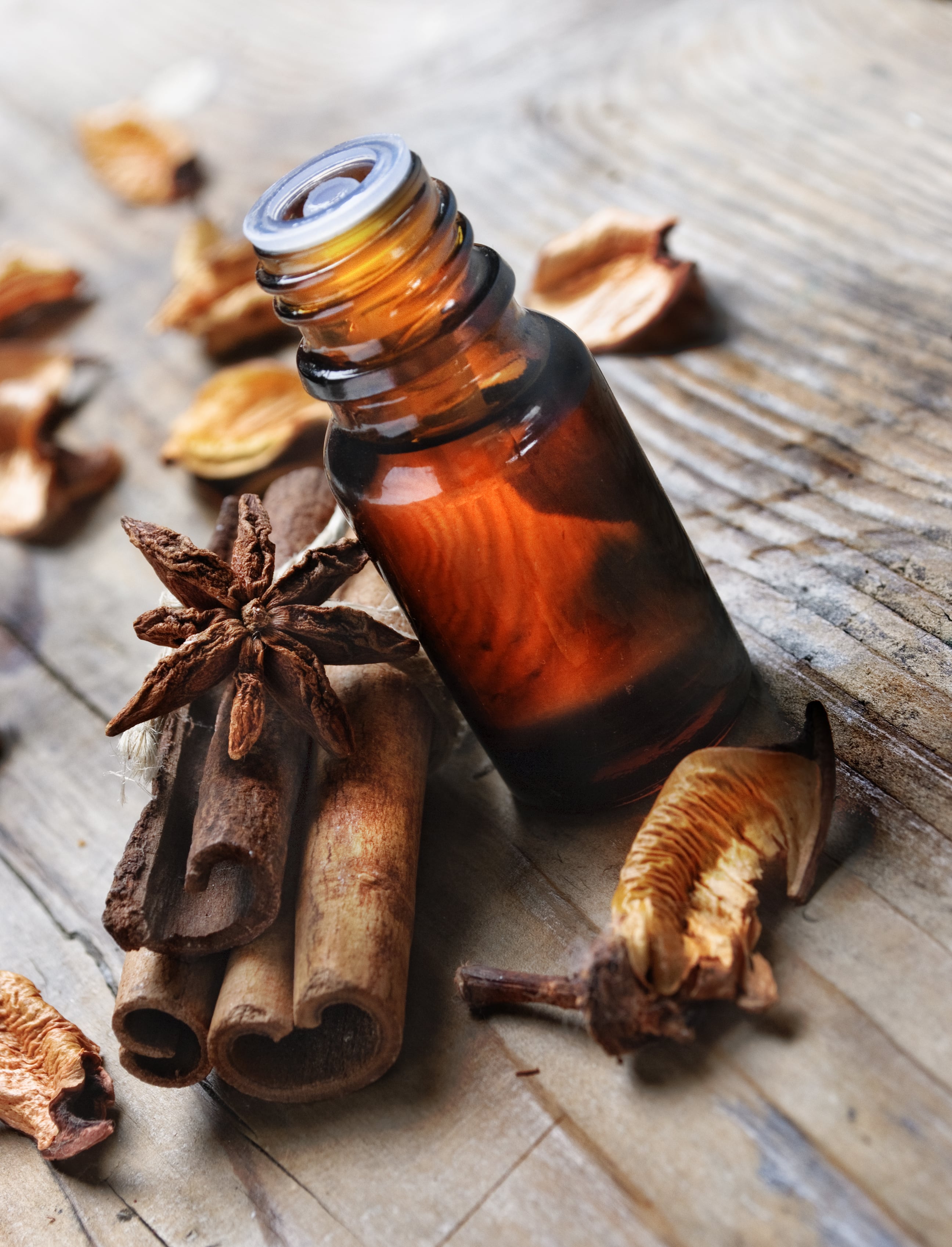
Some essential oil blends whisper politely from the shelf. Thieves essential oil walks into the room wearing a cinnamon scarf, carrying a bag of cloves, and announcing that something smells wonderfully spicy.
Known for its bold, warm aroma, Thieves is a proprietary essential oil blend traditionally made with clove, lemon, cinnamon bark, eucalyptus radiata, and rosemary essential oils. That combination creates a scent that feels especially at home during fall and winter, although plenty of people use it year-round for aromatherapy, home freshening, and everyday household routines.
There is one important reality check before we start filling the house with spicy-citrus enthusiasm: essential oils are highly concentrated substances. “Natural” does not automatically mean “harmless.” Clove and cinnamon bark oils, in particular, may irritate sensitive skin, and essential oils can cause allergic reactions or other problems when swallowed or misused. Major medical and poison-safety organizations recommend proper dilution for skin use, careful storage, and keeping concentrated oils away from children and pets.
With that sensible safety speech out of the way, here are 25 simple, practical ways to use Thieves essential oil without pretending one tiny bottle is a doctor, a professional exterminator, and a hazmat team.
Before You Use Thieves Essential Oil: A Few Smart Rules
Use only the amount you need. More drops do not automatically create better results; sometimes they simply create a room that smells as though a cinnamon stick has taken control of the thermostat.
Follow your product label and diffuser instructions. For topical use, never assume an undiluted blend is appropriate simply because it came from a plant. Patch-test properly diluted products first, avoid the eyes and other sensitive areas, and stop using the oil if irritation develops. Do not swallow essential oils unless a specific product is legally formulated and labeled for that purpose and a qualified healthcare professional has advised its use.
Also remember that cleaning and disinfecting are not the same thing. A homemade aromatic cleaner may help remove dirt or make a room smell fresher, but products should not be described as disinfectants unless they meet applicable regulatory requirements and are used according to their registered labels. The CDC recommends EPA-registered disinfecting products when actual disinfection is necessary.
25 Simple Ways to Use Thieves Essential Oil
1. Create a Cozy Living-Room Aroma
Add the amount recommended by your diffuser manufacturer and run the diffuser for a limited period in a well-ventilated living space. The clove-and-cinnamon character gives a room a warm, welcoming atmosphere without requiring you to bake six dozen cookies. Guests may still look for cookies, however. Manage expectations accordingly.
2. Freshen the Entryway
The entrance to a home collects shoe odors, outdoor smells, wet umbrellas, and evidence that somebody definitely stepped in something questionable. A short diffuser session near the entryway can introduce a cleaner-smelling spicy citrus aroma when people walk through the door.
3. Build a Morning Aroma Ritual
Use a small personal aromatherapy inhaler or passive scent stone as part of your morning routine. Pairing the same aroma with journaling, planning, or making coffee can turn scent into a familiar environmental cue that says, “All right, brain, the day has officially started.”
4. Give Your Home Office a Scent Reset
After several hours of emails, spreadsheets, and wondering why a meeting needed eight attendees, briefly diffuse Thieves in your workspace. Keep the scent light, especially in shared offices, because aromatherapy preferences are personal and your favorite spicy blend may be someone else’s olfactory supervillain.
5. Refresh the Kitchen After Cooking
Garlic, onions, fish, and fried foods can leave behind stubborn cooking odors. After cleaning the kitchen and ventilating the room, use a short diffuser session to replace lingering smells with the blend’s lemony, herbal, and spicy notes. Aromatherapy works best here as the finishing touch, not as a substitute for taking out the trash.
6. Make a Simple Baking-Soda Deodorizing Jar
Place baking soda in a small jar and mix in a few drops of Thieves oil. Cover the jar with breathable fabric or use a lid with small holes. Set it somewhere secure where children and pets cannot reach it. Refresh the aroma only when it fades rather than continuously adding oil.
7. Freshen the Area Around a Trash Can
Place one or two drops on a cotton ball and position it in a secure holder near, not inside, the trash container. Keep the oil away from surfaces that could stain or react with concentrated essential oils. The goal is gentle background fragrance, not turning garbage day into an aromatherapy experiment.
8. Add Aroma to a Closet
Put a few drops on an unfinished wooden aroma block, ceramic diffuser stone, or cotton pad placed inside a ventilated container. Keep it away from direct contact with clothing because concentrated oils may stain fabric. This works especially well in coat closets that have developed their own mysterious seasonal personality.
9. Freshen Dresser Drawers
Use a passive scent stone or a cotton pad inside a small breathable pouch. Place it in a corner where it will not touch delicate fabrics. The warm fragrance can make opening a drawer more pleasant, which is quite an achievement for a space usually devoted to unmatched socks.
10. Improve the Aroma of a Shoe Cabinet
Shoes are useful. Shoes are fashionable. Shoes are also capable of creating atmospheric conditions that science has yet to fully explain. A lightly scented baking-soda jar or passive diffuser placed securely in the cabinet can help the area smell fresher.
11. Freshen a Gym Bag Between Uses
First, remove damp clothing and wash anything that needs washing. Then place a lightly scented cotton pad inside a ventilated container in the empty bag. Never drip concentrated oil directly onto athletic clothing, shoes, or equipment. The fragrance should complement good hygiene, not negotiate with it.
12. Create a Car Aroma
Use a purpose-made car aromatherapy diffuser and follow its instructions carefully. Start with less oil than you think you need because enclosed vehicles intensify fragrance quickly. Do not drip essential oil onto dashboards, leather, plastic, upholstery, or other surfaces that may be damaged.
13. Make a Travel Aromatherapy Inhaler
A personal inhaler can provide a familiar aroma without scenting an entire hotel room, airplane cabin, or shared space. This is often a more considerate choice than public diffusion. Keep the inhaler tightly closed when not in use and store it securely away from children.
14. Use It as a Seasonal Home Fragrance
The blend’s cinnamon, clove, lemon, eucalyptus, and rosemary profile naturally suits autumn and winter decorating. Use a passive diffuser near seasonal décor to create a festive atmosphere without putting concentrated essential oils directly on painted ornaments, finished wood, candles, or anything exposed to flame.
15. Scent Unfinished Wooden Ornaments
Add a very small amount to an unfinished wooden aroma ornament specifically intended to absorb fragrance. Allow the oil to soak in before hanging it. Keep scented decorations away from heat, flames, curious children, and pets. Essential oils are concentrated and should not be treated like ordinary craft water.
16. Refresh a Bathroom With Passive Aroma
Instead of continuously diffusing oil in a small enclosed bathroom, use a passive aroma stone or secure deodorizing jar. Bathrooms are typically compact, so a subtle amount can go a surprisingly long way. Your goal is “fresh and pleasantly spicy,” not “trapped inside a clove factory.”
17. Add Aroma to a Shower Routine
Adults who tolerate the fragrance may place a small amount of diluted aromatic product on a designated shower steamer or use a product specifically designed for shower aromatherapy. Avoid applying undiluted oil to the skin or adding concentrated drops where bare feet may contact them.
18. Make an Aromatic Sink Scrub
For ordinary cleaning, add one or two drops to a small amount of baking soda and mix thoroughly before using it as a gentle aromatic scrub on a compatible surface. Spot-test first and follow the sink manufacturer’s care instructions. This can clean and freshen, but it should not automatically be called a disinfectant.
19. Add Fragrance to a Routine Floor-Cleaning Session
When using a cleaning system that permits fragrance additives, follow the equipment and flooring manufacturer’s instructions. Never randomly combine essential oils with bleach, ammonia, disinfectants, or other household chemicals. An alternative is simply to diffuse a small amount after the floor has been cleaned and the room is ventilated.
20. Refresh a Laundry-Storage Area
Place a passive aroma stone on a high shelf in the laundry room rather than adding essential oil directly to a washer or dryer without manufacturer approval. Oils can interact with materials and appliances, while concentrated fragrance may irritate sensitive household members. Sometimes the safest laundry hack is knowing when not to “hack” the machine.
21. Create a Meditation or Breathing-Routine Cue
Use a personal inhaler or lightly scented passive diffuser before meditation, stretching, or quiet breathing exercises. The purpose is not to claim that Thieves treats anxiety or another medical condition. Instead, the consistent aroma can become part of an intentional environment for slowing down and focusing.
22. Use It During a Weekly Home Reset
Choose one day for ordinary household tasks: open the windows when weather allows, remove clutter, wash surfaces, change linens, and take out the trash. Finish with a short aromatherapy session. Scent becomes the final punctuation mark on the sentence, “The house is no longer losing the battle.”
23. Freshen a Reading Nook
A passive diffuser near a favorite chair can add atmosphere to a reading session. Keep oil away from book pages, finished furniture, and textiles. A subtle spicy aroma pairs especially well with mysteries, historical novels, and books you have been “almost finished with” for approximately nine months.
24. Add Aroma to Gift Presentation
Use a separate scented wooden tag or aroma ornament as part of a gift rather than placing essential oil directly on wrapping paper or the gift itself. Make sure the recipient enjoys fragranced products and does not have sensitivities. Surprise gifts are fun; surprise allergens are significantly less festive.
25. Create a Signature “Home Is Clean” Scent
Perhaps the simplest use is also the most useful: choose Thieves as the fragrance you use after ordinary cleaning and tidying. Over time, the aroma may become mentally associated with a fresh, organized home. Just remember that smelling clean and being disinfected are two different achievements.
What Thieves Essential Oil Should Not Be Expected to Do
Essential oils occupy an awkward corner of the internet where pleasant aromatherapy advice can quickly transform into claims that a small bottle can cure infections, replace medical treatment, disinfect every surface, solve chronic illness, and possibly file your taxes.
That is not a responsible way to use the product.
The FDA determines how products are regulated partly according to their intended use and marketing claims. Claims that a product treats, prevents, or cures disease may bring it under drug regulations. Essential oil products should therefore not be casually promoted as treatments for serious health conditions without appropriate scientific evidence and regulatory status.
Likewise, if you specifically need to disinfect a surface because someone is ill or because contamination presents a meaningful risk, use an appropriate EPA-registered disinfectant according to its label. A pleasantly scented homemade mixture may be perfectly useful for routine cleaning, but fragrance is not proof of germ-killing performance.
Essential Oil Safety Around Children, Pets, and Sensitive People
Children are not miniature adults, and pets are definitely not unusually furry aromatherapy clients. Concentrated essential oils should be stored securely out of reach. Johns Hopkins Medicine advises against undiluted skin application for children and stresses that essential oils should not be swallowed. Poison Control similarly warns that misuse can cause serious poisoning.
Pet owners should be especially cautious. The ASPCA notes that concentrated essential oils can pose risks to animals and advises careful, limited use of diffusers, particularly when pets have respiratory conditions or cannot leave the scented area. Eucalyptus itself is listed by the ASPCA as toxic to dogs and cats if exposure results in poisoning.
Good practical habits include keeping bottles closed, using the smallest effective amount, ventilating rooms, allowing people and pets to leave the scented area, avoiding public diffusion, and stopping use if anyone develops coughing, wheezing, headaches, skin irritation, or other symptoms.
Practical Experience Notes: What Tends to Work in Real Homes
One of the most useful lessons about a strong essential oil blend is that restraint usually produces a better experience than enthusiasm. New users often begin with the understandable assumption that if three drops smell pleasant, twelve drops must smell four times as pleasant. Mathematics does not always survive contact with cinnamon bark oil.
In a typical home, lighter use tends to be more comfortable. A brief diffuser session can create a noticeable atmosphere without leaving the fragrance hanging in every curtain, sweater, and pillow for the rest of the day. Strong blends are particularly effective in small spaces, which means bathrooms, offices, and cars generally need much less fragrance than large open-plan living areas.
Another practical lesson is that essential oil works best as one part of a routine rather than as a shortcut around the routine. A gym bag needs to be emptied. A trash can needs to be washed. A kitchen needs ventilation after frying food. Shoes occasionally need to dry somewhere other than the darkest corner of a closet. Once the actual source of an odor is addressed, a spicy aromatic blend becomes the finishing touch instead of a tiny scented employee being asked to perform impossible overtime.
Passive diffusion is also underrated. Not every use requires a machine producing a visible plume of aromatic mist. Scent stones, personal inhalers, secure baking-soda jars, and unfinished wooden aroma pieces can provide gentle fragrance with more control. They are especially useful when only one small area needs attention.
Households with several people quickly discover that fragrance is subjective. One person may describe Thieves as warm, festive, and invigorating. Another may walk into the room and ask why the air tastes like December. Using personal inhalers or localized passive diffusers can prevent a favorite scent from becoming a household referendum.
The same principle applies when guests visit. People may have asthma, migraines, fragrance sensitivity, allergies, or simply different preferences. Running a strong diffuser for hours before company arrives is not necessarily welcoming. A clean, ventilated home with a light aroma is usually a better strategy.
Storage matters, too. Essential oils last longer when containers are properly closed and protected from excessive heat and sunlight. Keeping bottles together in a secure cabinet makes them easier to find while also reducing the chance that children or pets will reach them. A five-milliliter bottle may look harmless, but concentrated plant oils deserve the same basic respect given to other potent household products.
Finally, consistency often makes these simple uses more enjoyable. Using the same aroma during a Sunday cleaning routine, a morning planning session, or seasonal decorating can create a recognizable sensory cue. The benefit is not mystical. Humans notice patterns, and scent is strongly connected with memory and environment. A familiar aroma can become part of the atmosphere you intentionally create.
That may be the best way to think about Thieves essential oil: not as a miracle in a bottle, but as a concentrated fragrance tool that can make ordinary routines feel a little more deliberate and enjoyable. Used carefully, it can bring warmth to a room, personality to a home, and a pleasantly dramatic ending to the weekly battle against stale odors.
Conclusion
There are plenty of simple ways to use Thieves essential oil without turning everyday aromatherapy into a chemistry experiment. Diffuse it lightly, use passive scent methods, freshen small household areas, build it into cleaning-day rituals, or make it part of a seasonal atmosphere.
The smartest approach is also the least exciting advice on the internet: use a small amount, follow the product label, dilute appropriately for permitted topical use, protect children and pets, and distinguish pleasant-smelling household cleaning from proven disinfection.
With those precautions in place, this spicy blend can become a versatile addition to your home routine. And because a little goes a long way, one bottle may survive considerably longer than your latest attempt to keep every sock in a matching pair.
Note: This article is intended for general informational and household-use inspiration, not medical advice. Its safety guidance was synthesized from current information published by organizations including the FDA, CDC, EPA, National Center for Complementary and Integrative Health, Poison Control, Johns Hopkins Medicine, Cleveland Clinic, Children’s Hospital of Philadelphia, ASPCA, American Academy of Dermatology, Mayo Clinic, MedlinePlus, Harvard Health, and the manufacturer’s current product information. Essential oil formulations and label directions can change, so always check the instructions supplied with the specific product you own.