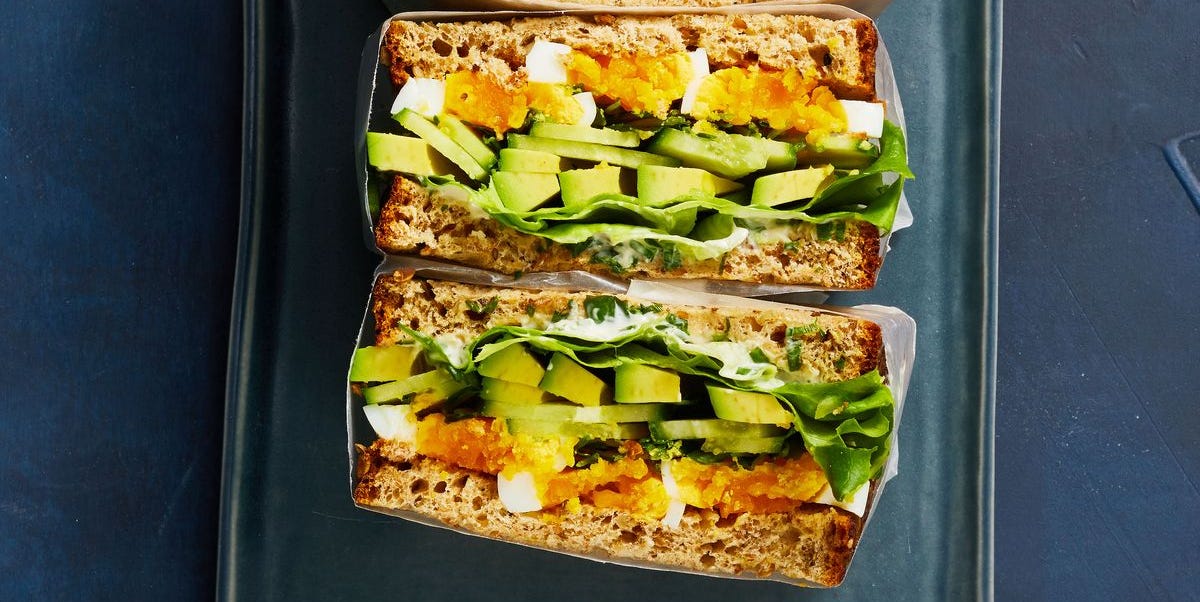
Sandwiches are the quiet heroes of lunch. They do not demand a microwave, they fit into a lunchbox without drama, and they can be eaten with one hand while the other hand answers emails, opens a locker, or tries to remember where the homework went. But not every sandwich is automatically a healthy lunch. A stack of refined bread, processed meat, too much cheese, and a mayonnaise landslide may technically be portable, but it may not keep you energized through a long afternoon.
The good news? A healthier sandwich does not have to taste like punishment between two slices of cardboard. The best healthy sandwiches for work and school combine whole grains, lean protein, fiber-rich vegetables, smart fats, and flavorful spreads. Think crunchy cucumbers, creamy hummus, roasted turkey, mashed avocado, tuna with Greek yogurt, crisp apples, fresh herbs, and toasted whole-grain bread that actually tastes like food.
This guide shares 16 healthier sandwiches to pack for work and school, plus practical tips for keeping them fresh, filling, and lunchbox-friendly. Whether you are feeding picky kids, meal-prepping for a busy office week, or simply trying to avoid buying another sad desk salad, these ideas will help you build better lunches without turning your kitchen into a cooking show set.
What Makes a Sandwich Healthier?
A healthier sandwich starts with balance. Choose a whole-grain base, add a satisfying protein, include colorful vegetables or fruit, and use spreads that bring flavor without drowning the sandwich in saturated fat, sodium, or added sugar. A sandwich can be simple and still check all the important boxes: energy, fullness, taste, and convenience.
Start With a Better Bread
Look for 100% whole-wheat bread, sprouted-grain bread, whole-grain wraps, rye, oat bread, or whole-grain pita. These options usually offer more fiber than white bread, which helps support digestion and keeps lunch feeling more satisfying. If the bread label says “wheat” but not “whole wheat,” check the ingredient list. Marketing can be sneaky. Bread should not need a public relations team.
Add Protein That Works Hard
Lean turkey, chicken breast, tuna, salmon, eggs, hummus, beans, tofu, cottage cheese, and nut or seed butters can all make a sandwich more filling. Protein helps make lunch feel like a real meal instead of a snack wearing a trench coat.
Use Vegetables Like You Mean It
Vegetables add crunch, color, fiber, vitamins, and freshness. Lettuce is fine, but do not stop there. Try spinach, arugula, shredded carrots, cucumber slices, roasted peppers, cabbage, tomato, sprouts, zucchini ribbons, or pickled onions. A sandwich with vegetables has personality. A sandwich without them may need a hobby.
Choose Smarter Spreads
Mustard, hummus, mashed avocado, pesto in small amounts, Greek yogurt-based sauces, tzatziki, and bean spreads can add moisture and flavor. If you love mayonnaise, use a thin layer or mix it with Greek yogurt. The goal is not to ban flavor. The goal is to avoid building a sandwich that needs its own zip code.
16 Healthier Sandwiches to Pack for Work and School
1. Turkey, Avocado, and Spinach Sandwich
This is a lunchbox classic with a healthy upgrade. Layer sliced roasted turkey breast on whole-grain bread with mashed avocado, baby spinach, tomato, and a swipe of mustard. The turkey provides lean protein, avocado adds creamy healthy fats, and spinach brings freshness without making the sandwich watery.
Pack-it tip: Spread avocado between turkey and spinach instead of directly against the bread to reduce sogginess.
2. Hummus and Crunchy Veggie Sandwich
For a plant-forward lunch, spread hummus generously on whole-grain bread or inside a pita. Add cucumbers, shredded carrots, red bell pepper, sprouts, spinach, and a sprinkle of sunflower seeds. It is colorful, crunchy, and filling without feeling heavy.
Flavor boost: Use roasted red pepper hummus, garlic hummus, or lemon-dill hummus to keep things interesting.
3. Greek Chicken Pita
Stuff a whole-grain pita with grilled chicken, cucumber, tomato, red onion, romaine, and a light spoonful of tzatziki. This sandwich has Mediterranean flavor, plenty of protein, and a refreshing crunch that travels well.
School-friendly version: Skip the onion and add shredded carrots or chopped lettuce for a milder taste.
4. Tuna and White Bean Sandwich
Mix canned tuna with mashed white beans, lemon juice, chopped celery, parsley, black pepper, and a small amount of olive oil or Greek yogurt. Serve on whole-grain toast with lettuce. The beans add fiber and creaminess, while tuna brings protein and a savory flavor.
Smart swap: White beans help reduce the need for lots of mayo while making the filling hearty.
5. Egg Salad With Greek Yogurt
Traditional egg salad can be delicious, but it often gets heavy fast. Make a lighter version by mixing chopped hard-boiled eggs with plain Greek yogurt, mustard, celery, dill, and a pinch of paprika. Spoon it onto whole-grain bread with lettuce or cucumber slices.
Meal-prep note: Keep the egg salad in a separate container and assemble at lunch if you want the bread to stay firm.
6. Peanut Butter, Banana, and Chia Sandwich
This sweet, satisfying sandwich works well for kids and adults who want a no-fuss lunch. Spread natural peanut butter on whole-grain bread, add banana slices, and sprinkle with chia seeds. It delivers protein, fiber, and natural sweetness without needing jelly.
Nut-free option: Use sunflower seed butter for schools with nut restrictions.
7. Chicken Caesar Wrap, Lightened Up
Use a whole-wheat tortilla and fill it with grilled chicken, chopped romaine, shaved Parmesan, and a small amount of yogurt-based Caesar dressing. Add extra cucumber or shredded cabbage for crunch. This wrap gives the flavor of a Caesar salad but feels more portable and lunchbox-ready.
Healthier move: Go heavier on romaine and chicken, lighter on dressing and cheese.
8. Caprese Sandwich With Turkey
Layer sliced turkey, tomato, fresh mozzarella, basil, and a small drizzle of balsamic glaze on whole-grain ciabatta or bread. The tomato and basil bring brightness, while turkey adds protein that classic caprese sandwiches sometimes lack.
Pack-it tip: Pat tomato slices dry before adding them to prevent soggy bread.
9. Chickpea Salad Sandwich
Mash chickpeas with Greek yogurt or avocado, lemon juice, diced celery, grated carrot, mustard, and herbs. Pile the mixture onto whole-grain bread with lettuce. It tastes creamy and satisfying, but it is packed with plant-based protein and fiber.
Fun twist: Add curry powder and raisins for a sweet-savory version, or chopped pickles for deli-style flavor.
10. Roast Beef and Arugula Sandwich
Choose lean roast beef and layer it with arugula, tomato, roasted mushrooms, and horseradish mustard on whole-grain bread. This sandwich tastes bold and grown-up, making it a great option for office lunches when you want something more exciting than plain turkey.
Sodium tip: Deli meats can be high in sodium, so compare labels and choose lower-sodium options when possible.
11. Salmon Salad Sandwich
Mix canned salmon with Greek yogurt, lemon juice, chopped celery, green onion, and dill. Serve it on whole-grain toast with lettuce or cucumber. Salmon adds protein and heart-healthy fats, while the Greek yogurt keeps the filling creamy and tangy.
Budget tip: Canned salmon is often more affordable than fresh salmon and works beautifully for meal prep.
12. Apple, Cheddar, and Turkey Sandwich
This sandwich is proof that fruit belongs in lunch, not just next to it. Layer turkey, thin apple slices, sharp cheddar, spinach, and mustard on whole-grain bread. The apple adds crunch and sweetness, the cheddar adds richness, and the turkey keeps it filling.
Best apple choices: Honeycrisp, Fuji, or Granny Smith hold their crunch well.
13. Black Bean and Avocado Wrap
Mash black beans with lime juice, cumin, and a little salsa. Spread the mixture on a whole-wheat tortilla, then add avocado, shredded lettuce, corn, diced tomato, and a sprinkle of cheese. Roll tightly and slice in half.
Make it kid-friendly: Use mild salsa and keep the spices gentle.
14. Cottage Cheese and Cucumber Toasted Sandwich
Spread cottage cheese on toasted whole-grain bread and top with cucumber slices, tomato, black pepper, and fresh dill. For extra protein, add a sliced hard-boiled egg or turkey. This sandwich is cool, creamy, and surprisingly filling.
Texture trick: Toast the bread first so the cottage cheese does not soften it too quickly.
15. Grilled Veggie and Pesto Sandwich
Fill whole-grain bread or a whole-wheat roll with grilled zucchini, roasted peppers, eggplant, spinach, and a thin layer of pesto. Add grilled chicken, tofu, or mozzarella if you want more protein. This sandwich tastes like something from a café but can be made from leftovers.
Meal-prep idea: Roast vegetables on Sunday and use them in sandwiches, wraps, grain bowls, and omelets all week.
16. Breakfast-for-Lunch Sandwich
Who says eggs are only for mornings? Build a sandwich with a whole-grain English muffin, scrambled egg or egg patty, spinach, tomato, and a thin slice of cheese. Add avocado or turkey if you want it heartier. It is warm if you eat it at home, but still tasty packed cold.
Busy morning hack: Make several egg patties ahead in a muffin tin and refrigerate them for quick assembly.
How to Keep Packed Sandwiches Fresh
A healthy sandwich is only useful if it survives until lunch. The biggest enemies are soggy bread, warm fillings, and ingredients that slide around like they are auditioning for a lunchbox escape scene.
Use Barriers Against Moisture
Place lettuce, spinach, cheese, or turkey between wet ingredients and bread. Pat tomatoes, pickles, and roasted vegetables dry before packing. If using juicy fillings like tuna salad or egg salad, pack them separately and assemble right before eating.
Pack Cold Foods Safely
Perishable sandwiches with meat, eggs, dairy, fish, or cut vegetables should stay cold until lunchtime. Use an insulated lunch bag with ice packs, especially for school or work settings without refrigerator access. Food safety is not glamorous, but neither is spending the afternoon regretting a sandwich.
Wrap Like a Pro
Wrap sandwiches tightly in parchment paper, foil, or reusable sandwich containers. For wraps, fold in the sides first, roll firmly, and place the seam side down. For kids, cutting sandwiches into halves, triangles, or pinwheels can make lunch more appealing without changing the ingredients.
Healthy Sandwich Building Formula
Once you understand the formula, you can build endless healthy lunch sandwiches without needing a recipe every time.
- Base: 100% whole-grain bread, pita, wrap, English muffin, or sprouted-grain bread.
- Protein: Turkey, chicken, tuna, salmon, eggs, hummus, beans, tofu, cottage cheese, or nut and seed butter.
- Vegetables or fruit: Spinach, cucumber, tomato, peppers, carrots, cabbage, sprouts, apples, pears, or avocado.
- Spread: Mustard, hummus, Greek yogurt sauce, mashed avocado, tzatziki, salsa, or a thin layer of pesto.
- Flavor extras: Herbs, lemon juice, vinegar, pepper, pickled onions, roasted garlic, or everything bagel seasoning.
This formula makes lunch easier because you can shop once and mix ingredients all week. Monday might be turkey-avocado, Tuesday becomes hummus-veggie, Wednesday turns into tuna-white bean, and Thursday is suddenly a Greek chicken pita. Friday can be leftovers wearing bread, which is sometimes the best kind of sandwich.
Common Sandwich Mistakes to Avoid
Using Too Much Processed Meat
Deli meat is convenient, but many options are high in sodium. Choose lower-sodium versions when possible, rotate with grilled chicken, eggs, tuna, salmon, beans, or hummus, and avoid making processed meat the only sandwich protein in your weekly lunch routine.
Forgetting Fiber
A sandwich made with white bread and a thin slice of protein may leave you hungry fast. Whole grains, beans, vegetables, fruit, seeds, and hummus all help increase fiber and make lunch more satisfying.
Overloading the Spread
Spreads bring flavor, but heavy portions can quickly add extra calories, sodium, saturated fat, or added sugars. Use flavorful spreads strategically. A thin layer of pesto, mustard, hummus, or avocado can do more for taste than a thick blanket of dressing.
Skipping Texture
The best sandwiches have contrast: creamy plus crunchy, savory plus fresh, soft plus crisp. Add cucumbers to tuna, apples to turkey, cabbage to wraps, or seeds to hummus. Texture is what keeps a healthy sandwich from tasting like homework.
Best Sides to Pack With Healthy Sandwiches
A sandwich can be the main event, but smart sides make lunch feel complete. Pack fresh fruit, carrot sticks, cucumber rounds, cherry tomatoes, snap peas, yogurt, a boiled egg, unsalted nuts, whole-grain crackers, or a small container of soup. For kids, bento-style compartments can make simple foods feel more exciting. For adults, the same trick works because apparently we never fully outgrow the joy of tiny compartments.
Try pairing a turkey avocado sandwich with grapes and carrots, a hummus veggie sandwich with Greek yogurt and berries, or a salmon salad sandwich with cucumber slices and whole-grain crackers. The goal is balance, not perfection. A packed lunch should support your day, not require a spreadsheet and a motivational speech.
Experience-Based Tips for Packing Healthier Sandwiches
After making packed lunches again and again, one lesson becomes clear: the best sandwich is not always the fanciest one. It is the one that still tastes good four hours later, does not leak into your backpack, and does not make you feel sleepy by 2 p.m. Healthy sandwiches for work and school need to be realistic. A beautiful sandwich that takes 40 minutes to build on a Monday morning is not a lunch plan; it is a personal challenge.
The first practical experience is to prep ingredients, not necessarily full sandwiches. Washing lettuce, slicing cucumbers, cooking chicken, boiling eggs, and mixing a batch of chickpea salad ahead of time can make weekday assembly fast. Fully assembled sandwiches are convenient, but some fillings hold up better than others. Peanut butter and banana can survive the morning. Tomato-heavy sandwiches may become bread soup if packed too early. Nobody wants bread soup unless it is intentionally called stuffing.
Another useful habit is creating a “sandwich station” in the refrigerator. Keep proteins, spreads, vegetables, and wraps in one area so lunch does not become a scavenger hunt. For families, this also helps kids participate. A child may be more likely to eat a healthy sandwich if they helped choose the filling. Turkey and apple? Hummus and carrots? Egg salad and cucumber? Giving two or three healthy options can reduce lunchbox negotiations.
For office lunches, flavor matters more than people admit. A bland sandwich can send you directly to the nearest takeout menu. Keep small flavor boosters nearby: mustard packets, hot sauce, lemon wedges, pickled onions, pepper, or seasoning blends. These add excitement without requiring a full kitchen. If your workplace has a toaster, toasted bread can revive a sandwich instantly. If not, choose sturdy bread that tastes good cold.
For school lunches, safety and simplicity matter. Avoid overly messy fillings for younger kids, and use insulated lunch bags with ice packs for sandwiches containing meat, eggs, fish, dairy, or cut produce. Pinwheels, mini pita pockets, and half-sandwiches are easier for small hands. A healthy lunch that actually gets eaten is better than a perfect lunch that returns home looking personally offended.
Budget is another real-life factor. Healthier sandwiches do not have to be expensive. Canned tuna, canned salmon, chickpeas, black beans, eggs, carrots, cabbage, apples, and whole-grain bread can build many affordable meals. Leftover roasted chicken can become a wrap. Extra vegetables from dinner can become a grilled veggie sandwich. A small container of hummus can stretch across several lunches.
The biggest experience-based tip is to rotate textures and flavors. If every day is turkey on wheat, lunch fatigue arrives quickly. Change the bread, swap the spread, add fruit, use herbs, or turn the same ingredients into a wrap. A turkey sandwich with mustard and lettuce feels different from turkey with avocado and apple. Chickpea salad tastes new with curry one week and dill pickles the next.
Finally, do not chase perfection. A healthier sandwich is not about strict rules. It is about building a lunch that gives steady energy, tastes good, and fits real life. Some days that means salmon salad on sprouted bread with cucumber and herbs. Other days it means sunflower butter on whole-grain bread with banana because the morning was chaos and the dog may or may not have eaten someone’s permission slip. Both can be useful. The winning lunch is the one that nourishes you and makes the day a little easier.
Conclusion
Healthier sandwiches are one of the easiest ways to make work and school lunches more nutritious, affordable, and enjoyable. With whole-grain bread, lean or plant-based protein, colorful produce, and flavorful spreads, a sandwich can deliver fiber, protein, healthy fats, and serious lunchtime satisfaction. The 16 ideas above prove that packed lunches do not have to be boring, bland, or suspiciously soggy.
Start with one or two recipes that fit your routine, then mix and match ingredients as the week goes on. Keep food safety in mind, pack wet ingredients carefully, and do not underestimate the power of crunch. A better sandwich is not just a meal; it is a small act of self-respect wrapped in parchment paper.