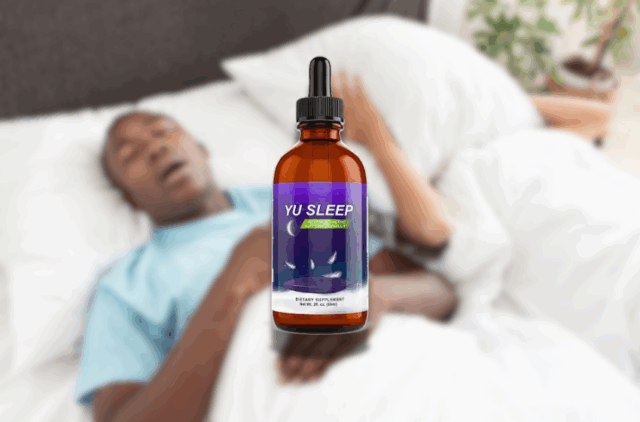
Yu Sleep reviews 2025 are everywhere right now, and the marketing has all the classic sleep-supplement sparkle: “deep restorative sleep,” “calm racing thoughts,” “wake up refreshed,” “nano absorption,” and the beloved promise of no next-day zombie shuffle. It sounds wonderful. It also sounds like the supplement aisle put on silk pajamas and hired a copywriter.
So, is Yu Sleep actually worth buying, or is it another bedtime bottle riding the insomnia economy like a tiny cherry-flavored horse? The honest answer is more interesting than “yes” or “scam.” Yu Sleep appears to be a liquid sleep-support supplement promoted as a plant-based formula. Public product descriptions and 2025 promotional materials connect the brand with ingredients such as magnesium glycinate or bisglycinate, L-theanine, tart cherry, GABA, 5-HTP, adaptogenic botanicals, and in some listings, a low 0.9 mg dose of melatonin.
That ingredient list is not ridiculous. Several of those compounds have plausible sleep-support mechanisms. But the hype around Yu Sleep often runs much faster than the evidence. This review breaks down what the product may do, what it probably cannot do, who should be careful, and why the smartest buyer should look past the soothing purple graphics and ask boring but important questions. Boring questions save money. They also prevent you from becoming emotionally attached to a dropper bottle at 2:47 a.m.
What Is Yu Sleep?
Yu Sleep is marketed as a natural liquid sleep supplement designed to help adults fall asleep more easily, reduce nighttime wake-ups, calm a busy mind, and wake with better morning clarity. The format is typically described as drops, which users take before bed. Some promotional language emphasizes “nano-enhanced” or “fast absorption” delivery, suggesting the liquid format may work faster than capsules or gummies.
The product is not a prescription sleep medication. It is not a treatment for chronic insomnia, sleep apnea, restless legs syndrome, anxiety disorder, depression, or hormonal sleep disruption. It falls into the dietary supplement category, which matters because supplements are regulated differently from drugs in the United States. A supplement can support normal body functions, but it should not be treated like a guaranteed cure.
One important point: public information about Yu Sleep has not always been perfectly consistent. Some 2025 promotional material describes a melatonin-free, plant-based formula with magnesium bisglycinate, L-theanine, ashwagandha, saffron, and other calming ingredients. A retail listing, however, describes YuSleep drops with tart cherry, GABA, 5-HTP, magnesium glycinate, and 0.9 mg of melatonin. That does not automatically mean anything sinister is happening. Formulas can change. Listings can lag. Sellers can use different descriptions. But for shoppers, it is a flashing yellow light: always read the current Supplement Facts panel before buying.
The Big Promise: Better Sleep Without the Heavy Hammer
Yu Sleep’s core appeal is simple: people want sleep help without feeling drugged. Many adults do not want prescription sedatives, high-dose melatonin, or anything that makes the morning feel like walking through peanut butter. A lower-dose, liquid, “natural” product sounds less intimidating.
That positioning makes sense. Millions of Americans struggle with short sleep, poor sleep quality, stress-related wake-ups, and inconsistent routines. A product that helps someone relax before bed could be useful, especially when paired with better sleep hygiene. The catch is that sleep is not one problem. It is a whole neighborhood of problems wearing the same bathrobe.
Some people cannot sleep because of stress. Some because of caffeine. Some because of untreated sleep apnea. Some because their phone is blasting blue light into their eyeballs at midnight like a tiny Times Square. Some because of pain, medication, alcohol, menopause, depression, work shifts, or a bedroom that feels like a toaster oven. A supplement may help one type of sleeper and do very little for another.
Yu Sleep Ingredients: What Looks Promising?
Because formulas and listings may vary, the best review must focus on commonly advertised Yu Sleep ingredients and what they are generally known for.
Magnesium Glycinate or Magnesium Bisglycinate
Magnesium is involved in muscle and nerve function, and it plays a role in normal relaxation pathways. Magnesium glycinate and bisglycinate are popular because they are often considered gentle on the stomach compared with some other forms. For sleep, magnesium may be most useful for people who are not getting enough magnesium through diet or who feel physically tense at night.
However, magnesium is not a knockout pill. If your sleep trouble is caused by sleep apnea, late caffeine, chronic anxiety, pain, or scrolling short videos until your soul leaves your body, magnesium alone is unlikely to perform a miracle. It can support relaxation, but it is not a substitute for diagnosis or behavioral treatment.
L-Theanine
L-theanine is an amino acid found naturally in tea. It is commonly used to promote calm focus and relaxation. For sleep, the most realistic claim is not “it knocks you out,” but “it may help quiet the mind.” That is still valuable. A racing mind is one of the great villains of bedtime, right up there with noisy neighbors and fitted sheets that refuse to fold like civilized fabric.
The evidence for L-theanine is encouraging but not magical. It appears more useful as a relaxation aid than as a direct sedative. If Yu Sleep contains an effective dose, it could help users who feel wired, tense, or mentally overactive before bed.
GABA
GABA is a calming neurotransmitter involved in slowing brain activity. As a supplement, GABA is marketed for relaxation and sleep onset. Some small studies suggest potential benefits, but the science is still developing. One debate is how much orally consumed GABA reaches the brain and how much effect it can realistically have.
That does not mean GABA is useless. It means claims should stay humble. If Yu Sleep helps some people feel calmer, GABA could be part of the reason. But any brand claiming GABA will “switch off” the brain like a lamp deserves a skeptical eyebrow.
5-HTP
5-HTP is a precursor to serotonin, which can be converted into melatonin in the body. This makes it interesting for mood and sleep support. It also makes it one of the ingredients that deserves the most caution. People taking antidepressants, migraine medications, psychiatric medications, or other serotonin-affecting products should not casually combine them with 5-HTP without medical guidance.
This is where “natural” can become misleading. A natural compound can still interact with medications. A raccoon is natural too, but you would not invite one to manage your pharmacy cabinet.
Tart Cherry
Tart cherry is popular because it contains compounds associated with sleep regulation, including small amounts of melatonin and tryptophan-related activity. Some studies suggest tart cherry juice may modestly support sleep duration or sleep quality, though the evidence is not strong enough to call it a cure.
In a supplement like Yu Sleep, tart cherry may contribute flavor and gentle sleep-support appeal. But shoppers should be careful not to confuse “contains sleep-related compounds” with “guaranteed to fix insomnia.” The difference is large enough to drive a delivery truck through.
Melatonin
Some Yu Sleep listings describe a low 0.9 mg melatonin dose. That is lower than many common over-the-counter melatonin products, which often contain 3 mg, 5 mg, or more. Lower-dose melatonin can be a good thing for certain people because more is not always better. Melatonin is best understood as a circadian rhythm signal, not a general-purpose sleep hammer.
Melatonin may help with delayed sleep timing, jet lag, or schedule-related sleep issues. It may be less effective for people who wake from stress, alcohol, pain, hot flashes, or breathing problems. Short-term use is generally considered reasonable for many adults, but long-term nightly use should be discussed with a healthcare professional.
What Yu Sleep Gets Right
Yu Sleep’s best idea is that sleep support should be gentle, layered, and relaxation-focused. A formula combining magnesium, L-theanine, GABA, tart cherry, and low-dose melatonin is more thoughtful than the old “take a giant melatonin gummy and hope for the best” approach.
The liquid format may also appeal to people who dislike pills. It can fit easily into a bedtime ritual, and rituals matter. Taking drops, dimming the lights, brushing teeth, and stepping away from screens can create a predictable wind-down signal. Sometimes the routine around a supplement is almost as important as the supplement itself.
Another plus is that Yu Sleep seems positioned as non-habit-forming. That is an important distinction from certain prescription sedatives. Still, “non-habit-forming” should not be interpreted as “risk-free” or “right for everyone.”
Where the Hype Starts to Wobble
The biggest issue with Yu Sleep is not that the ingredients are silly. They are not. The issue is that product-specific evidence appears limited. There is a major difference between “this formula includes ingredients that have been studied individually” and “this exact product has been proven in large, independent human trials.”
Most supplement marketing leans on ingredient science. That is common. But ingredient science does not always translate neatly into finished-product results. Dose, quality, absorption, combinations, timing, and individual biology all matter. A beautiful ingredient list with weak dosing is like a sports car with no gas: impressive until you need it to move.
The “nano absorption” language also deserves caution. Improved absorption sounds impressive, but shoppers should look for clear, product-specific testing. How was absorption measured? Compared with what? In whom? Was it independently verified? Without those details, “nano” can become more of a marketing spotlight than a scientific guarantee.
Yu Sleep Reviews: What Realistic Users May Experience
Positive Yu Sleep reviews are most believable when they describe moderate, realistic improvements: feeling calmer before bed, falling asleep a little faster, waking up less often, or feeling less groggy than with stronger melatonin products. Those outcomes are plausible, especially for people whose main issue is bedtime stress or inconsistent wind-down habits.
Reviews become less convincing when they promise total transformation overnight. If someone claims one bottle erased years of severe insomnia, cured anxiety, fixed hormones, restored marriage communication, and made the dog respect bedtime boundaries, please breathe deeply and continue scrolling.
The fairest expectation is this: Yu Sleep may support better sleep quality for some adults when used consistently with a healthy nighttime routine. It is less likely to help if the root cause is medical, behavioral, environmental, or medication-related.
Who Might Like Yu Sleep?
Yu Sleep may be a reasonable option for adults who want a gentle sleep-support supplement, dislike pills, prefer a lower-melatonin approach, and mainly struggle with occasional restlessness or racing thoughts. It may also suit people who want to build a bedtime ritual and are realistic about gradual improvement.
It may not be ideal for people who need strong acute sedation, have severe chronic insomnia, suspect sleep apnea, take antidepressants or sedatives, are pregnant or breastfeeding, have complex medical conditions, or are already using multiple sleep supplements. Anyone in those groups should speak with a clinician before experimenting.
Red Flags to Check Before Buying
Before buying Yu Sleep, look for the current Supplement Facts label. Do not rely only on ads, affiliate reviews, or screenshots. Confirm whether the formula contains melatonin, 5-HTP, ashwagandha, saffron, lemon balm, GABA, magnesium, or other active ingredients. Then check the dose of each ingredient. A product can name-drop famous sleep compounds while using amounts too small to matter.
Also look for third-party testing. A statement such as “made in an FDA-registered facility” is not the same as FDA approval. Dietary supplements are not approved by the FDA for effectiveness before they reach the market. Independent testing from a credible organization is more meaningful than vague quality language.
Finally, study the refund policy. Sleep supplements are personal. One person’s miracle is another person’s expensive cherry water. A clear money-back guarantee reduces the risk of trying it.
Yu Sleep vs. Basic Sleep Hygiene
The uncomfortable truth is that many people want a supplement to do the job of a routine. Yu Sleep may help, but it will work better if the basics are handled first. Keep a regular bedtime. Get morning light. Reduce caffeine after lunch. Keep the bedroom cool and dark. Stop turning your phone into a late-night emotional casino. Avoid alcohol close to bedtime. Exercise during the day. Give your brain a landing strip.
For chronic insomnia, cognitive behavioral therapy for insomnia, often called CBT-I, remains one of the most evidence-supported approaches. It targets the behaviors and thought patterns that keep insomnia alive. A supplement may support relaxation, but CBT-I can address the engine of the problem.
The Verdict: Is Yu Sleep Worth It?
Yu Sleep is not obvious junk, but it is also not the sleep revolution some marketing makes it sound like. Its ingredient concept is reasonable. The liquid format is convenient. The low-melatonin positioning may appeal to people who dislike heavy sleep aids. The formula may help certain users relax and fall asleep more smoothly.
But the hype deserves debunking. Yu Sleep should not be presented as a guaranteed cure for insomnia, a replacement for medical care, or a scientifically proven miracle unless the company can provide strong product-specific clinical evidence. The mixed public descriptions of the formula also make label-checking essential.
Best rating for 2025: cautiously interesting, not automatically life-changing. Yu Sleep may be worth considering if you understand the ingredients, check the label, avoid medication conflicts, and pair it with real sleep habits. If you expect one bottle to defeat stress, caffeine, sleep apnea, and your revenge-bedtime-procrastination habit, disappointment may arrive wearing slippers.
500-Word Experience Section: What Trying Yu Sleep Might Feel Like in Real Life
Imagine the average Yu Sleep buyer. Let’s call her Megan. Megan is not trying to become a professional sleeper. She just wants to stop staring at the ceiling while mentally rewriting an email from 2018. Her routine is familiar: dinner, chores, one episode of a show, then another episode because the streaming platform has no respect for human limits. By the time she gets into bed, her body is tired but her mind is hosting a town hall meeting.
On night one, Yu Sleep feels promising mostly because it creates intention. She takes the drops 30 minutes before bed, notices the flavor, and starts paying attention to the evening. That alone changes things. Instead of scrolling until midnight, she dims the lights and puts her phone across the room. The drops may help, but so does the ritual. This is the first practical lesson: supplements often work best when they interrupt bad habits.
By night three, she may feel slightly calmer. Not “tranquil monk on a mountain” calm, but less electrically annoyed. If the formula includes L-theanine, magnesium, GABA, or a low amount of melatonin, that relaxed feeling is plausible. She may fall asleep 15 or 20 minutes sooner. That is not dramatic enough for a movie trailer, but in real life, it matters.
By the end of week one, the experience can split. Some users may notice fewer 3 a.m. wake-ups. Others may notice nothing except a lighter wallet and a bottle on the nightstand. A few may feel vivid dreams, mild morning drowsiness, stomach discomfort, or an odd “not for me” feeling. That does not mean the product is fake. It means sleep biology is annoyingly individual.
The most successful users are likely the ones who treat Yu Sleep as one tool, not the entire toolbox. They stop caffeine earlier. They keep the bedroom cool. They avoid alcohol near bedtime. They use the drops at the same time each night. They track sleep for two weeks without obsessing over every smartwatch graph. They do not panic after one bad night, because one bad night is not a product review; it is Tuesday being rude.
The least satisfied users are likely people expecting immediate sedation. Yu Sleep is not designed to behave like a prescription sleeping pill. If someone has severe insomnia, loud snoring, gasping during sleep, restless legs, panic attacks, chronic pain, or medication-related sleep disruption, a supplement may barely touch the real issue. In that case, the better “review” is not whether Yu Sleep failed, but whether the user needs a proper sleep evaluation.
In everyday experience, Yu Sleep’s biggest value may be psychological and behavioral as much as biochemical. It gives bedtime a starting point. It says, “The day is closing now.” For some people, that cue is enough to make the night smoother. For others, it will be too gentle. The truth that debunks the hype is also the truth that keeps the product in fair perspective: Yu Sleep may help support sleep, but it cannot live your evening routine for you.
Conclusion
Yu Sleep reviews in 2025 should be read with both curiosity and caution. The product has a trendy but plausible sleep-support profile, especially if the formula contains ingredients like magnesium glycinate, L-theanine, GABA, tart cherry, 5-HTP, or low-dose melatonin. These ingredients may support relaxation and sleep quality for some users, particularly when combined with consistent sleep hygiene.
Still, the hype deserves a reality check. Yu Sleep is a dietary supplement, not a medical treatment. Formula descriptions should be verified on the current label, especially because public product information appears inconsistent. Buyers should look for transparent dosing, third-party quality testing, clear refund terms, and medication safety guidance. The best approach is not blind belief or automatic dismissal. It is informed skepticism with a pillow.
Editorial note: This article is for informational purposes only and is not medical advice. Always read the current product label and consult a qualified healthcare professional before using sleep supplements, especially if you take medications, have a medical condition, are pregnant, are breastfeeding, or have chronic insomnia symptoms.