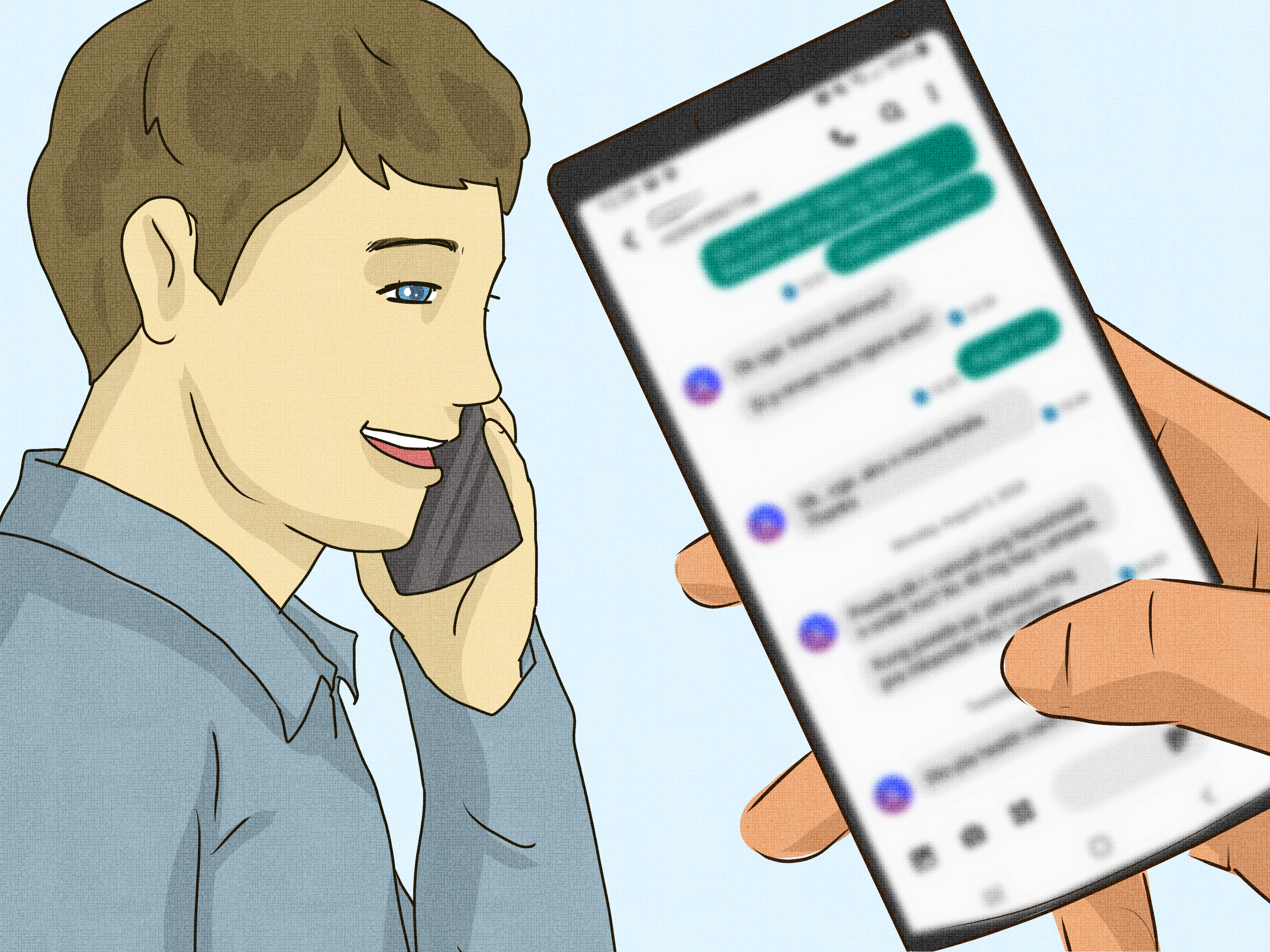
Going on a date can feel like walking into a job interview where noerested but not desperate, funny but not like you have been rehearsing jokes in the bathroom mirror. The good news is that being a great date is much simpler than trying to become a movie character.
The best dating behavior comes down to respect, preparation, curiosity, and honest communication. You do not need a luxury car, a perfectly sculpted jawline, or a collection of mysterious one-word text messages. You need basic manners, the ability to listen, and enough confidence to let the other person be themselves.
Although this guide is written for boys and young men, the principles apply to anyone. Healthy dating is not about following rigid gender roles. It is about helping both people feel comfortable, heard, safe, and free to decide whether they would like to meet again.
How Should a Boy Act on a Date?
A boy should act like a respectful, interested version of himselfnot like someone auditioning to become “The Most Impressive Man in the Restaurant.” That means showing up when promised, paying attention, treating everyone politely, respecting boundaries, and communicating clearly.
Healthy relationships are generally built on mutual respect, communication, compromise, trust, and acceptance of each person’s boundaries. Those qualities matter even on a first date, when both people are still deciding whether they feel comfortable together.
13 Ways to Act on a Date
1. Make a Clear, Thoughtful Plan
Do not make your date organize everything while you contribute the inspiring phrase, “I don’t know, whatever you want.” Suggest a specific activity, place, day, and approximate time. For example, say, “Would you like to get tacos at Rosa’s around 6:30 on Saturday?”
A clear invitation is easier to understand and answer than a vague promise to “hang out sometime.” It also shows that you are willing to make an effort. Choose a reasonably public, comfortable location where you can actually talk. Coffee shops, casual restaurants, bookstores, miniature golf courses, school events, and daytime walks in busy parks can all work well.
For a first meeting with someone you met online, prioritize safety. Meet in public, arrange your own transportation, tell a trusted person where you are going, and avoid pressuring your date to reveal private information or visit a secluded location. >
2. Arrive on Time
Punctuality is one of the easiest ways to make a good first impression. Arriving on time communicates that the date matters to you and that you respect the other person’s schedule. It does not require charm, expensive clothes, or advanced romantic intelligence. It only requires looking at a clock.
Plan for traffic, parking, public transportation, or the mysterious disappearance of the shoe you intended to wear. Aim to arrive five to ten minutes early. When an unavoidable delay happens, send a message as soon as possible with an honest estimate.
Do not write “almost there” while you are still choosing a shirt at home. Your phone may forgive the lie, but the laws of distance will not. Traditional etiquette guidance identifies punctuality as a simple way to show dependability and consideration. >
3. Dress for the Activity, Not a Fashion Emergency
You do not need to dress like a celebrity arriving at an awards show. You should, however, look clean, comfortable, and appropriate for the location. Shower, use deodorant, brush your teeth, tidy your hair, and wear clothes that fit properly.
A casual café date might call for clean jeans, sneakers, and a neat shirt. A school dance or nicer restaurant may require a button-down shirt, slacks, or another polished outfit. If the date involves hiking, bowling, or skating, choose clothing that allows you to participate without spending the entire evening protecting your pants.
Your goal is to signal that you made an effort while still looking like yourself. Wearing an unfamiliar costume can make you more self-conscious, which is not helpful when your brain is already analyzing whether you said “you too” after the server told you to enjoy your meal.
4. Greet Your Date Warmly
Start with a smile, eye contact, and a simple greeting such as, “Hey, it’s great to see you.” You may also offer a sincere compliment: “You look great,” or “I like your jacket.” Keep compliments respectful and avoid immediately commenting on someone’s body.
Do not assume that your date wants a hug, kiss, or other physical greeting. Body language can offer clues, but asking is often the clearest approach. “Can I hug you?” may feel slightly awkward for two seconds, but respectful awkwardness is much better than making someone uncomfortable.
Consent applies to every kind of physical affection, not only sexual activity. It should be voluntary, specific, and freely communicated rather than assumed from silence, clothing, flirtation, or relationship status. >
5. Ask Questions That Invite Real Conversation
Good date questions are open enough to inspire more than a one-word answer. Instead of conducting an interrogation“Where were you born? Favorite color? Five-year plan?”let the conversation develop naturally.
Try questions such as:
- “What have you been excited about lately?”
- “What kind of music do you listen to most?”
- “What is the funniest thing that happened at school this week?”
- “What would your perfect free Saturday look like?”
- “How did you get interested in that hobby?”
Use the answer to ask a follow-up question. When your date says they love photography, do not immediately switch to a twelve-minute speech about your gaming setup. Ask what they like to photograph or how they became interested in it. Follow-up questions demonstrate curiosity and help people feel heard. >
6. Listen Instead of Waiting for Your Turn
Listening is not the silent period during which you prepare your next impressive statement. It means paying attention to the words, tone, expressions, and feelings being communicated.
Face your date, maintain comfortable eye contact, respond naturally, and avoid interrupting. You can show that you are following the conversation with comments such as, “That sounds challenging,” “I can see why you enjoyed that,” or “What happened next?”
You do not need to solve every problem your date mentions. Sometimes people want understanding rather than a three-step action plan delivered by a boy who learned about the situation twenty seconds ago. Active listening can reduce misunderstandings and make conversations feel more supportive and connected. >
7. Put Your Phone Away
Unless you are expecting an important call or dealing with an emergency, keep your phone in your pocket or bag. Placing it face down on the table is better than scrolling, but putting it away completely sends a stronger message: the person in front of you has your attention.
Avoid checking notifications every thirty seconds, responding to group chats, watching videos, or photographing every bite before anyone can eat. You are on a date, not documenting an archaeological discovery.
When you genuinely need your phonefor directions, transportation, payment, or contacting a parentbriefly explain what you are doing. Research summarized by Utah State University Extension has linked partner-directed phone distraction, sometimes called “phubbing,” with poorer relationship satisfaction and more conflict. >
8. Be Confident Without Showing Off
Confidence means being comfortable enough to speak honestly, make decisions, and accept that you do not have to be perfect. Showing off means turning the date into an advertisement for your grades, muscles, money, followers, car, or legendary ability to survive spicy chicken wings.
Share your interests and accomplishments when they fit the conversation, but leave room for the other person. Avoid exaggerating stories or pretending to enjoy things you dislike. A fake personality may win temporary approval, but maintaining it becomes exhausting.
It is also perfectly acceptable to feel nervous. Take a few slow breaths, arrive prepared, and focus on learning about your date rather than constantly evaluating your performance. Mild nervousness is normal when meeting someone new; grounding techniques and realistic self-talk can help prevent anxiety from taking over the experience. >
9. Treat Everyone With Respect
Your behavior toward servers, cashiers, drivers, classmates, and strangers tells your date more than a polished compliment does. Say please and thank you. Be patient when something goes wrong. Do not snap your fingers at employees, make cruel jokes, or act important because somebody brought you mozzarella sticks.
Respect also means avoiding sexist, racist, homophobic, ableist, or degrading comments. Humor can make a date enjoyable, but jokes that humiliate other people usually reveal insecurity rather than confidence.
Be careful with teasing your date, especially when you do not know each other well. Playful conversation is only playful when both people enjoy it. When the other person becomes quiet, uncomfortable, or defensive, stop rather than insisting that they “learn to take a joke.”
10. Handle Money Clearly and Politely
There is no universal rule requiring the boy to pay for everything. Expectations vary by age, culture, budget, and personal preference. The person who issued the invitation may offer to pay, but splitting the bill is also common.
Bring enough money for your own expenses even when you expect to treat your date. When the bill arrives, you can say, “I invited you, so I’d be happy to get this,” or, “Would you like to split it?” If your date prefers to pay their portion, do not transform the check into a wrestling match over your honor.
Paying for food, tickets, or transportation never creates an obligation for affection, another date, or sexual activity. Generosity is a gift, not a contract printed invisibly beneath the dessert menu.
11. Respect Physical and Emotional Boundaries
Pay attention to what your date says and how they respond. Ask before initiating significant physical contact, and accept the answer without complaining, bargaining, sulking, or trying again five minutes later.
A clear “yes” matters. Silence, hesitation, freezing, intoxication, or a reluctant “I guess” should not be treated as permission. Consent can also be withdrawn at any time. Someone may be comfortable holding hands but not kissing, or kissing but not going further. Each step requires mutual willingness.
Respect emotional boundaries too. Do not demand passwords, private photos, family secrets, constant location updates, or immediate answers to deeply personal questions. Digital boundaries can change over time and should be discussed together rather than dictated by one partner. exual activity may become relevant, honest conversations about contraception, sexually transmitted infections, protection, comfort, and readiness should happen before the situation becomes intense. Discussing safer sex is a sign of care and maturity, not a mood-destroying administrative meeting. >
12. Stay Flexible When Something Goes Wrong
Dates rarely follow the imaginary script in your head. The restaurant may be crowded. It may rain. The bowling alley may host a children’s birthday party featuring twenty-three screaming pirates. Your joke may land with the elegance of a refrigerator falling down the stairs.
Do not panic or blame your date. Suggest an alternative, laugh when appropriate, and keep the atmosphere relaxed. “This place is packed. Want to try the café across the street?” is more attractive than spending twenty minutes complaining about humanity’s inability to honor your dinner plans.
If the conversation becomes quiet, remember that a few seconds of silence are not a disaster. Comment on the surroundings, return to something your date mentioned earlier, or ask a light question. Comfortable people do not need to fill every second with noise.
13. End the Date Honestly and Follow Up
At the end of the date, thank the other person for spending time with you. When you enjoyed yourself, say so clearly: “I had a really good time tonight.” When you want another date, make that clear too: “I’d like to see you again. Would you be interested?”
You do not need to wait exactly three days because an ancient dating wizard supposedly established that rule. A brief message later that evening or the next day is appropriate: “Thanks for tonight. I had fun talking with you and hope you got home safely.”
When the other person declines another date or does not share your interest, respond with dignity. Do not argue, insult them, demand an explanation, repeatedly message them, or recruit your friends to investigate. Rejection is disappointing, but accepting it respectfully is one of the clearest signs of maturity.
Dating Mistakes Boys Should Avoid
Some behaviors can make an otherwise promising date uncomfortable very quickly. Avoid dominating the conversation, criticizing your former partners, lying to seem impressive, pressuring your date to drink, making sexual comments too early, or treating kindness as weakness.
Jealousy and control should not be mistaken for affection. Constantly checking someone’s phone, telling them what to wear, isolating them from friends, demanding immediate replies, or threatening them are signs of an unhealthy relationship. Teen dating violence can include emotional, verbal, physical, sexual, and technology-based abuse, and prevention begins with learning healthy communication and recognizing unsafe behavior. r common mistake is treating a date as a test you must “win.” The purpose is not to persuade someone to like you at all costs. It is to discover whether both of you enjoy being together. Sometimes the answer is yes, sometimes it is no, and sometimes the answer is, “The conversation was nice, but watching him challenge the waiter to explain every ingredient was exhausting.”
Real-Life Experiences: What Good Dating Behavior Looks Like
Advice becomes easier to understand when you can picture how it works. The following realistic experiences show how small decisions can change the tone of a date.
Experience 1: The Coffee Date That Started Awkwardly
Imagine that Jake invites Maya to a neighborhood coffee shop. He arrives early, but when she walks in, his mind goes completely blank. Instead of delivering the clever greeting he rehearsed, he says, “Hi. Coffee exists here.”
That is not a magnificent opening, but it is not fatal either. Jake laughs and admits that he is a little nervous. Maya laughs too, and the tension drops. He asks what she usually orders, then remembers that she mentioned an upcoming art project in an earlier conversation. That gives them a natural topic.
Jake does not try to hide every nervous moment. He focuses on listening, asks follow-up questions, and keeps his phone away. By the end, both people feel more comfortable. The lesson is that confidence does not require flawless delivery. Recovering from an awkward moment with humor and honesty can be more appealing than pretending nothing affects you.
Experience 2: The Activity Date That Did Not Follow the Plan
Marcus plans to take Jordan miniature golfing, but they arrive to find the course closed because of bad weather. Marcus initially feels embarrassed because he chose the activity. Instead of complaining, he says, “Well, my professional golf career has been postponed. Want to get pizza and play arcade games nearby?”
The revised date becomes more enjoyable than the original plan. They compete at a racing game, share terrible attempts at winning a stuffed animal, and have plenty to discuss. Marcus does not act as though changing plans makes him look weak. He stays flexible and checks whether Jordan likes the alternative.
The experience demonstrates that planning matters, but adaptability matters too. A date is not ruined merely because the schedule changes. It is usually ruined when someone becomes angry, controlling, or determined to make everyone suffer because reality ignored the itinerary.
Experience 3: Respecting a Boundary Without Making It Weird
At the end of a school dance, Noah asks Taylor whether they would like a kiss. Taylor says, “Not tonight, but I had a good time.” Noah feels disappointed, but he answers, “That’s completely fine. I had a good time too.” He does not ask why, attempt to negotiate, or suddenly become cold.
The following day, Noah sends a friendly message thanking Taylor for the evening. Because he respected the boundary, Taylor feels safe being honest with him. Whether they eventually continue dating is less important than the fact that both people leave the situation with their dignity intact.
This is what consent looks like in everyday life: asking, listening, and accepting the answer. A respectful response to “no” builds more trust than a dramatic speech about how nice you supposedly are.
Experience 4: When There Is No Romantic Connection
Ethan goes to lunch with someone he has liked for several weeks. The conversation is polite, but neither person feels much chemistry. Instead of forcing flirtation, Ethan remains friendly and finishes the date respectfully.
Later, he receives a message saying, “You seem great, but I think we are better as friends.” Ethan is disappointed, yet he responds, “Thanks for being honest. I enjoyed meeting you and understand.” He talks to a friend about his feelings rather than attacking the person who rejected him.
Rejection still stings, but Ethan’s response protects his self-respect. Dating requires resilience because compatibility cannot be manufactured through perfect behavior. Acting well on a date improves the experience; it does not guarantee a particular outcome.
The Main Lesson From These Experiences
The most memorable dates are not always the most expensive or impressive. They are the ones where both people can relax. Preparation helps, but kindness, listening, flexibility, honesty, and boundaries determine whether the experience feels positive.
You may forget the exact outfit you wore or what appetizer you ordered. You will probably remember whether the other person made you feel respected. Your date will remember the same thing.
Final Thoughts
Learning how to act on a date is not about memorizing tricks for making someone like you. It is about developing habits that make dating healthier for everyone involved.
Make a real plan, arrive on time, listen carefully, put away your phone, treat people kindly, and communicate honestly. Be willing to laugh at awkward moments. Ask before initiating physical affection, respect every boundary, and accept rejection without retaliation.
The strongest kind of confidence does not announce itself every thirty seconds. It shows up through calm behavior, genuine curiosity, and respect. You do not need to become a different person for a successful date. You simply need to bring the most considerate version of yourselfand perhaps remember where you parked.