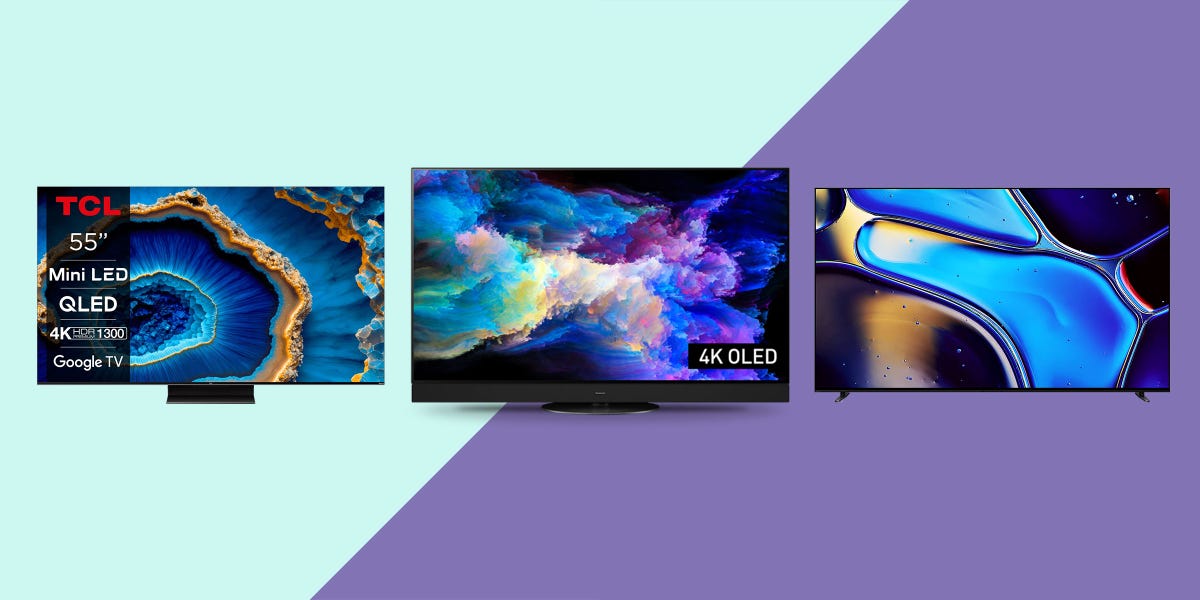
Buying a TV used to be simple: choose a screen size, check whether it fit in the car, and hope the remote did not require a college minor in buttonology. Today, the question “Which TV should I buy?” leads you into a jungle of OLED, QD-OLED, Mini LED, HDR10+, Dolby Vision, 144Hz, AI processors, local dimming zones, and sales pages that sound like they were written by a laser pointer with caffeine.
The good news? You do not need to memorize every acronym to get a stunning cinematic TV. You just need to know what matters for movies: deep black levels, accurate color, strong contrast, smooth motion, useful HDR brightness, and a screen that works in your actual roomnot in a pitch-black showroom where every TV looks like it was blessed by Hollywood.
This guide narrows the field to nine excellent TVs for cinematic quality, from premium OLED models that make dark movie scenes look deliciously rich to bright Mini LED sets that can survive sunny living rooms, sports nights, and that one lamp nobody in your family agrees to turn off.
How to Choose a TV for Cinematic Quality
For a movie-first setup, picture quality matters more than gimmicks. The best TVs for cinematic viewing usually do four things well: they produce convincing blacks, preserve detail in shadows, show bright HDR highlights without washing out the rest of the picture, and handle motion naturally so films do not look like soap operas unless you accidentally turn on motion smoothing. Please do not do that to cinema. Cinema has suffered enough.
OLED vs Mini LED: Which Is Better?
OLED TVs are famous for perfect black levels because every pixel can turn itself off. That makes them ideal for dark rooms, movie nights, prestige dramas, sci-fi, horror, and anything with moody lighting. If your dream evening involves a dark room, popcorn, and a movie that starts with a slow shot of a rainy city, OLED is your friend.
Mini LED TVs use thousands of tiny backlights behind an LCD panel. The best Mini LED TVs get much brighter than most OLEDs, making them better for sunlit rooms, sports, daytime viewing, and very large screen sizes. They cannot usually match OLED’s pixel-perfect black levels, but premium Mini LED models have become impressively cinematic.
What Size TV Should You Buy?
For cinematic quality, size mattersbut only when paired with quality. A 65-inch TV is the sweet spot for many living rooms. A 75- or 77-inch model feels more theater-like if you sit farther back. If you have the space and budget, 85 inches and above can be glorious, but do not buy a huge low-quality TV just because it looks big in the cart. A giant blurry TV is still blurry; it just disappoints you at IMAX scale.
9 Best TVs for Cinematic Quality
1. Samsung S95F OLED Best Premium OLED for Bright Rooms
The Samsung S95F OLED is one of the strongest answers to “Which TV should I buy?” if you want spectacular cinematic quality without turning your living room into a cave. Its QD-OLED panel combines OLED’s perfect black levels with extremely vibrant color and high HDR impact. The result is a picture that looks rich, punchy, and clean, especially with 4K HDR movies.
What makes the S95F special is its ability to handle brighter rooms better than many traditional OLED TVs. Samsung’s glare-reduction technology helps tame reflections, which is useful if your couch faces windows, lamps, or the shiny existential threat known as open blinds.
For movie fans, the S95F delivers dramatic contrast, intense highlights, and a premium sense of depth. For gamers, it also brings fast refresh rates and strong HDMI 2.1 support. The main drawback is the lack of Dolby Vision, since Samsung continues to favor HDR10+. Still, if you stream from a wide range of apps and want a bold, cinematic image, this TV is a knockout.
Best for: bright-room OLED fans, premium movie nights, gaming, and people who want a flagship screen that makes every trailer look expensive.
2. LG G5 OLED evo Best Wall-Mounted Cinematic OLED
The LG G5 OLED evo is built for people who want their TV to look like it belongs in a design magazine, not like it was dropped off by a warehouse forklift. It is especially appealing as a wall-mounted centerpiece, with a slim profile and a premium OLED panel designed for higher brightness than older OLED generations.
For cinematic quality, the G5 shines in contrast and black levels. Dark scenes look deep and controlled, while HDR highlights have enough sparkle to make fire, neon, sunlight, and spaceship engines feel alive. LG’s processing is also excellent for upscaling lower-resolution content and keeping motion smooth without making movies look artificial.
The G5 is also one of the best TVs for households that split time between movies and gaming. It supports advanced gaming features, fast response, and multiple HDMI 2.1 connections. The price is premium, but the experience feels premium too.
Best for: home theater lovers, wall-mounted setups, OLED purists, and anyone who whispers “cinematic contrast” with unnecessary seriousness.
3. Sony Bravia 8 II OLED Best for Film-Like Picture Processing
Sony TVs have long been favorites among movie watchers because of their image processing, and the Sony Bravia 8 II OLED continues that tradition. It is not always the brightest OLED in its class, but it excels at natural color, subtle shadow detail, and motion handling that respects the look of film.
This is the TV for viewers who care less about “wow mode” and more about whether skin tones look believable, dark scenes hold detail, and movies feel intentional rather than overcooked. Sony’s processing can make streaming content look cleaner and more stable, which matters because not every movie night begins with a pristine 4K Blu-ray. Sometimes it begins with Wi-Fi, compression, and hope.
The Bravia 8 II also supports Dolby Vision, which is a meaningful advantage for many movie fans using Netflix, Disney+, Apple TV+, and 4K discs. Its drawbacks include premium pricing and fewer full-bandwidth HDMI 2.1 ports than some competitors, but for cinematic accuracy, it is a beautiful choice.
Best for: movie purists, Sony fans, Dolby Vision viewers, and people who want movies to look natural rather than neon.
4. LG C5 OLED Best Overall TV for Most Movie Fans
The LG C5 OLED is the sensible hero of this list. It may not be the flashiest flagship, but it delivers the core OLED magicperfect blacks, excellent contrast, rich color, and strong gaming featuresat a price that often feels more reasonable than the ultra-premium models.
For many buyers asking “Which TV should I buy?”, the LG C5 is the safest answer. It works beautifully in dark rooms, performs well in moderately lit spaces, and supports Dolby Vision for streaming and disc-based HDR content. Movie nights look excellent, from deep-space scenes to candlelit dramas to animated films with bright color palettes.
The C5 is also friendly for everyday use. LG’s webOS platform is polished, the Magic Remote is easy to use, and the TV has the HDMI support needed for modern consoles and sound systems. It is a great choice when you want premium performance without paying for every last flagship bragging right.
Best for: most buyers, mixed movie and gaming use, Dolby Vision streaming, and anyone who wants OLED quality without selling a kidney to the home theater gods.
5. Sony Bravia 9 Mini LED Best Premium Mini LED for Bright Rooms
The Sony Bravia 9 is a premium Mini LED TV that makes a strong case for choosing high-end LCD over OLED, especially if your room is bright. It gets very bright, handles reflections well, and uses advanced local dimming to deliver deep blacks and strong HDR contrast.
For cinematic viewing, the Bravia 9 is impressive because it combines brightness with Sony’s typically refined processing. HDR movies look powerful, especially scenes with bright skies, explosions, sunlight, or glowing city lights. It does not have OLED’s pixel-level black control, but its Mini LED backlight is excellent enough to make many movies feel big, bold, and theater-like.
This TV is particularly practical for living rooms where OLED may struggle with direct light. If your movie nights often happen before sunset, or your family refuses to stop treating the living room like a greenhouse, the Bravia 9 deserves serious consideration.
Best for: bright living rooms, premium Mini LED fans, sports and movies, and buyers who want brightness without giving up cinematic depth.
6. TCL QM8K Mini LED Best Big-Screen Value for Movie Nights
The TCL QM8K proves that cinematic quality does not always require a luxury-brand price tag. TCL has become a major player in Mini LED TVs by offering large screens, impressive brightness, and strong local dimming at prices that make premium competitors nervous.
The QM8K is a great pick if you want a large cinematic screen for movies, streaming, sports, and gaming. Its Mini LED backlight helps HDR content pop, while quantum dot color gives animated films, nature documentaries, and big-budget action movies plenty of visual punch.
As with many value-focused Mini LED TVs, you may need to adjust picture settings for the best movie experience. Turn off aggressive motion smoothing, choose a cinema or filmmaker-style mode, and avoid overly vivid presets unless you enjoy skin tones that resemble glazed ham. Once dialed in, the QM8K delivers a lot of theater-like impact for the money.
Best for: big screens on a budget, bright rooms, family movie nights, and buyers who want maximum wow per dollar.
7. Hisense U8QG Mini LED Best High-Brightness Value Pick
The Hisense U8QG is another strong Mini LED option for people who want serious brightness, strong HDR performance, and modern features without paying flagship OLED prices. It is especially attractive for viewers who watch in rooms with ambient light or want a TV that can handle movies, games, and sports equally well.
For cinematic quality, the U8QG’s appeal is its punch. HDR movies look vivid, bright scenes have real intensity, and contrast is strong for the price. It also supports major HDR formats, including Dolby Vision and HDR10+, which is useful if you watch across multiple streaming platforms.
The trade-off is that viewing angles and processing may not match the best OLED or Sony models. Sit fairly centered and use accurate picture modes, and the U8QG can look excellent. Sit far off to the side, and you may notice the image loses some magic. Then again, the side chair was never the throne.
Best for: high-brightness HDR, value shoppers, mixed content, and people who want cinematic impact without premium-OLED pricing.
8. Samsung QN90F Neo QLED Best for Sports, Movies, and Daytime Viewing
The Samsung QN90F Neo QLED is a Mini LED TV designed for people who watch everything: movies, live sports, YouTube, streaming series, games, and the occasional weather channel spiral during storm season. Its biggest strength is brightness, paired with strong reflection handling and smooth motion.
For cinematic use, the QN90F is best in rooms where OLED may be less practical. It can produce a bold, crisp HDR image and maintain visibility in bright conditions. Dark-room movie purists may prefer OLED, but everyday viewers will appreciate how flexible this TV is.
Like the Samsung S95F, the QN90F does not support Dolby Vision. That may matter if you are deeply invested in Dolby Vision streaming or 4K Blu-ray. However, Samsung’s HDR10+ support and strong picture processing still make it a compelling all-around TV.
Best for: bright rooms, sports fans, families, daytime viewing, and buyers who want a premium LCD TV with cinematic muscle.
9. Samsung S90F OLED Best OLED Value for Movie and Gaming Balance
The Samsung S90F OLED is the more value-focused sibling to the S95F, and for many buyers it may be the smarter purchase. It delivers the deep blacks and vibrant color OLED is known for, along with excellent gaming features and a sleek design.
For movie watching, the S90F gives you a gorgeous OLED picture with strong contrast and lively HDR color. It may not have every flagship advantage of the S95F, but it still looks premium with the lights down. If you want OLED quality and do not need the absolute top Samsung model, this is a very appealing choice.
Gamers will also love the S90F because Samsung typically equips its OLED models with strong low-latency performance, fast refresh support, and a useful Gaming Hub. The missing Dolby Vision support remains the main caveat for movie purists, but the overall picture is excellent.
Best for: OLED value, movie and gaming households, Samsung fans, and buyers who want premium picture quality without going full flagship.
Quick Buying Recommendations
Best TV for a Dark Home Theater
Choose the LG G5, LG C5, Samsung S95F, or Sony Bravia 8 II. OLED is still the king of dark-room movie watching because black levels are perfect and contrast feels naturally cinematic.
Best TV for a Bright Living Room
Choose the Samsung S95F if you want OLED with strong glare control. Choose the Sony Bravia 9, Samsung QN90F, TCL QM8K, or Hisense U8QG if you want Mini LED brightness that can fight daylight like it owes the sun money.
Best TV for the Money
The LG C5, TCL QM8K, Hisense U8QG, and Samsung S90F offer some of the best performance-to-price balance. They deliver cinematic quality without demanding flagship-level spending.
Best TV for Streaming Movies
Look for Dolby Vision support if you use services such as Netflix, Disney+, Apple TV+, or 4K Blu-ray. LG, Sony, TCL, and Hisense models on this list support Dolby Vision, while Samsung models rely on HDR10+ instead.
Common Mistakes to Avoid When Buying a TV
The first mistake is buying based only on brightness numbers. Peak brightness matters, but contrast, tone mapping, color accuracy, and local dimming matter too. A TV can scream “5,000 nits!” and still mishandle a dark movie scene like a flashlight at a poetry reading.
The second mistake is ignoring room lighting. A beautiful OLED in a dark room may look less impressive across from a sunny window. A Mini LED TV may be better if your space has lots of light. Match the TV to your room, not just to a review score.
The third mistake is leaving the TV in Vivid mode. Vivid mode is designed to win showroom battles, not movie nights. For cinematic quality, choose Filmmaker Mode, Cinema Mode, Movie Mode, or a calibrated preset. Your eyes will relax, colors will look more natural, and actors will stop looking like they were dipped in orange soda.
The fourth mistake is forgetting sound. Even the best TVs usually have thin built-in speakers compared with their picture quality. If you want a truly cinematic experience, budget for a soundbar or surround system. Great picture plus tiny sound is like watching a dragon movie through a phone speaker: technically possible, emotionally illegal.
Extra Experience Notes: What It Feels Like to Live With a Cinematic TV
Specs are useful, but living with a TV tells the real story. A cinematic TV changes how you watch. It makes old favorites feel new again. It turns “let’s put something on for ten minutes” into “why are we suddenly watching the entire trilogy?” It also exposes bad streaming quality faster than you expect. Once you have a great screen, you start noticing compression, weak Wi-Fi, poor app settings, and that one streaming service that thinks dark scenes should look like a bowl of gray soup.
In real homes, the best cinematic TV is not always the most expensive one. It is the TV that fits your room, your habits, and your patience level. If you mostly watch at night, an OLED such as the LG C5 or Sony Bravia 8 II can feel luxurious every time the lights go down. Black bars disappear into the room, colors look controlled, and movies gain that “window into another world” feeling. It is especially noticeable with space films, noir thrillers, prestige dramas, and high-quality animation.
If your home has big windows, kids walking through with lights on, or a living room that doubles as a weekend sports arena, a bright Mini LED model may make more sense. The Sony Bravia 9, Samsung QN90F, TCL QM8K, and Hisense U8QG are easier to enjoy during the day. They keep the picture lively when the room is bright, which means you do not have to schedule movie time like a secret vampire meeting.
Another lesson: picture settings matter more than most buyers think. Out of the box, many TVs are set to impress under retail lighting. At home, those settings can look too sharp, too blue, too bright, or too smooth. Spend ten minutes switching to Cinema, Movie, or Filmmaker Mode. Turn off excessive motion smoothing. Set brightness according to your room. Those small changes can make a $1,500 TV look like a serious home theater screen.
Streaming device choice also matters. Built-in smart TV apps are convenient, but dedicated devices such as Apple TV 4K, Roku Ultra, Nvidia Shield, or premium Fire TV models can offer smoother navigation and reliable app updates. If your TV interface feels sluggish after a few years, do not replace the whole screen. A good streaming box can make the TV feel refreshed for much less money.
Finally, buy the TV you will actually enjoynot the one that wins every spec debate online. Some people love the dramatic pop of Samsung’s QD-OLED color. Others prefer Sony’s natural cinematic processing. Some want LG’s Dolby Vision-friendly OLED ecosystem. Others want TCL or Hisense because a huge bright screen makes family movie night feel bigger. None of these choices are wrong. The best TV is the one that makes you excited to dim the lights, grab a snack, and stop checking your phone.
Conclusion: So, Which TV Should You Buy?
If you want the best cinematic OLED for a bright room, buy the Samsung S95F. If you want a premium wall-mounted theater screen, choose the LG G5. If you care most about film-like processing and Dolby Vision, the Sony Bravia 8 II is a beautiful pick. If you want the best all-around OLED value, the LG C5 is hard to beat.
For bright rooms and bigger screens, Mini LED is the smart path. The Sony Bravia 9 is the premium choice, the Samsung QN90F is a versatile everyday performer, and the TCL QM8K and Hisense U8QG deliver huge cinematic punch for the money. If you want OLED quality with a better price-to-performance balance, the Samsung S90F deserves a long look.
The simplest answer: buy OLED for dark-room movie magic, buy Mini LED for bright-room power, and spend less time chasing buzzwords. Your next great movie night is not hidden inside a spec sheetit is sitting on the couch, remote in hand, popcorn nearby, and a TV good enough to make you forget you were “just browsing” for two hours.