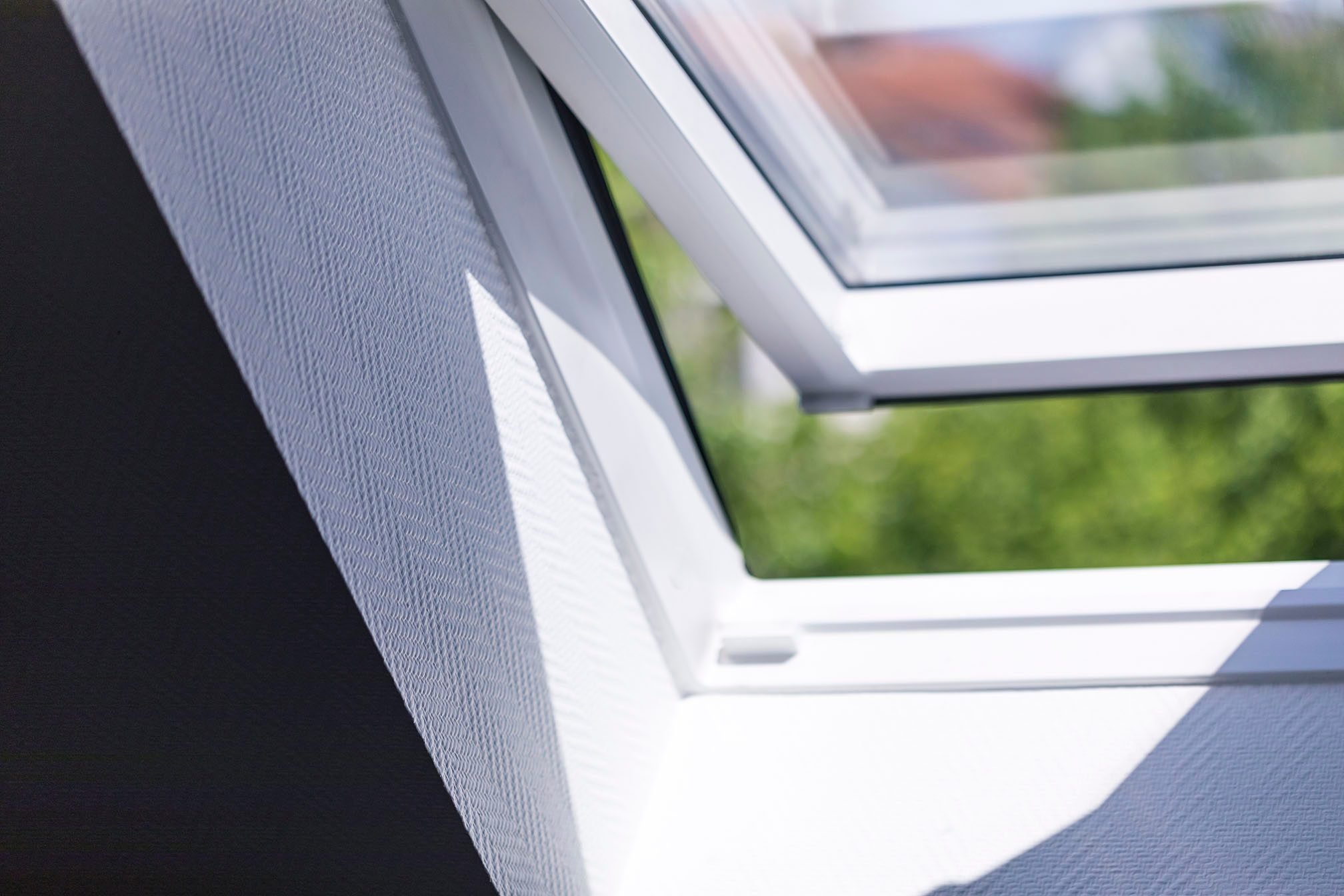
Skylights are magical when they behave. They pour sunshine into dark hallways, make kitchens feel bigger, and give bathrooms that “fancy spa but I still have shampoo bottles everywhere” feeling. But when a skylight gets old, foggy, drafty, cracked, or leaky, that overhead glow can quickly become an overhead problem. Skylight replacement is not just about swapping one window in the roof for another. It involves roofing, flashing, insulation, glass performance, interior finishing, drainage, and sometimes a little detective work worthy of a home-improvement crime show.
Whether you are replacing a leaking skylight, upgrading an outdated acrylic dome, or coordinating skylight replacement with a new roof, the smartest move is to understand what you are actually buying. A modern skylight can improve natural light, reduce the need for daytime electric lighting, support ventilation, and help your home feel more open. A poorly installed one, however, can invite water stains, heat gain, condensation, and the kind of ceiling patch that guests politely pretend not to notice.
This guide explains what homeowners should know before replacing a skylight, including signs it is time to replace, common skylight types, cost factors, energy-efficiency details, installation concerns, and real-world lessons from the field.
What Is Skylight Replacement?
Skylight replacement is the process of removing an existing skylight and installing a new unit in the same roof opening, or sometimes modifying the opening to fit a different size or type. In a simple replacement, the installer removes the old skylight, checks the surrounding roof deck and curb, installs the new skylight, replaces or updates the flashing system, and seals the assembly so water drains properly around it.
That sounds straightforward, but the roof is not exactly a casual workplace. A skylight sits in one of the most weather-exposed parts of the home. Rain, snow, wind, sun, roof pitch, shingles, underlayment, flashing, and attic moisture all influence how well the replacement performs. This is why skylight replacement is usually best handled by an experienced roofer, window specialist, or skylight installer rather than treated like a weekend project with a ladder and heroic optimism.
Signs You May Need to Replace a Skylight
Not every skylight problem requires full replacement. Sometimes the issue is damaged flashing, aging sealant, clogged debris, or interior condensation. Still, there are several signs that replacement may be the better long-term choice.
1. Water stains around the skylight
Brown stains, bubbling paint, peeling drywall, or damp trim near the skylight are classic warning signs. The leak may come from the skylight itself, the flashing, the roof above it, or condensation inside the shaft. Either way, it deserves attention quickly. Water is not known for waiting politely while you compare estimates.
2. Foggy or cloudy glass
If moisture appears between panes of glass, the insulated glass seal may have failed. Once that seal is compromised, the skylight can lose insulating performance and look permanently hazy. Cleaning the inside and outside will not fix moisture trapped between panes.
3. Cracked acrylic or glass
Older acrylic dome skylights can become brittle from UV exposure. Glass units may crack from impact, structural movement, or extreme temperature stress. A cracked skylight is more than unattractive; it can become a water-entry point and safety concern.
4. Drafts or uncomfortable temperature swings
If the area below the skylight feels hot in summer, cold in winter, or drafty during windy weather, the unit may be inefficient or poorly sealed. Modern skylights with better glazing, low-emissivity coatings, and proper installation can improve comfort.
5. The skylight is old and the roof is being replaced
If your roof is getting replaced and your skylight is already near the end of its useful life, replacing both together often makes sense. The roofer will already be removing shingles and flashing around the opening, which can reduce labor overlap and help the new skylight and roof system age together.
Repair vs. Replacement: Which Makes More Sense?
Skylight repair may be enough if the unit is relatively new, the glass is intact, and the problem is limited to flashing or minor seal work. For example, if wind-driven rain is sneaking under damaged flashing, a qualified roofer may be able to correct the flashing system without replacing the entire skylight.
Replacement is often smarter when the skylight is old, leaking repeatedly, inefficient, cracked, fogged between panes, or incompatible with modern flashing kits. A useful rule of thumb: if repair costs are climbing toward a large share of replacement cost, replacement usually offers better value because you get a new unit, updated materials, and a fresh warranty. The cheapest repair is not always the least expensive decision. Sometimes it is just the first chapter of a trilogy called “Why Is the Ceiling Wet Again?”
Types of Skylights to Consider
Before replacing a skylight, it helps to know the main options. The right choice depends on your roof, room, budget, ventilation needs, and appetite for gadgets.
Fixed skylights
Fixed skylights do not open. They are designed mainly for natural light. They are often a strong choice for stairwells, hallways, living rooms, and rooms that already have adequate ventilation. Because they have fewer moving parts, they are generally simpler than venting models.
Venting skylights
Venting skylights open manually, electrically, or by solar-powered controls. They can help release warm air and moisture, especially in kitchens, bathrooms, laundry rooms, and vaulted spaces. Some models include rain sensors that close the skylight automatically when bad weather arrives, which is helpful if your memory occasionally runs on “I thought I closed that.”
Tubular skylights
Tubular skylights, also called sun tunnels, use a small roof-mounted dome or collector and a reflective tube to carry daylight into the home. They are useful for closets, hallways, small bathrooms, and interior rooms where a full skylight may not fit. Because the roof opening is smaller, they can reduce some heat gain and heat loss compared with larger skylight openings.
Curb-mounted skylights
A curb-mounted skylight sits on a raised frame, or curb, built above the roof deck. This style is common on flat or low-slope roofs and some replacement projects. The skylight fits over the curb much like a lid over a box.
Deck-mounted skylights
A deck-mounted skylight attaches directly to the roof deck and usually has a lower profile. It is common on pitched roofs and often pairs with manufacturer-specific flashing kits. The final appearance can be cleaner and more integrated with the roofline.
Skylight Replacement Cost: What Affects the Price?
Skylight replacement costs vary widely because no two roofs are exactly alike. A basic replacement on an easy-to-access asphalt shingle roof may be relatively straightforward. A large venting skylight on a steep tile roof with interior drywall repairs? That is a different animal, and it probably charges by the hour.
Common cost factors include:
- Skylight size: Larger units cost more in materials and labor.
- Skylight type: Fixed skylights are usually less expensive than venting, solar-powered, or custom models.
- Roof pitch: Steep roofs require more safety setup and labor time.
- Roofing material: Asphalt shingles are usually easier to work with than tile, metal, slate, or wood shakes.
- Flashing system: Proper flashing is essential and should not be treated as an optional accessory.
- Interior repairs: Drywall, paint, trim, and shaft work can add to the final price.
- Structural changes: Enlarging the opening or moving the skylight can significantly increase cost.
- Location: Labor rates vary by region, roof accessibility, and contractor demand.
Many U.S. homeowners can expect skylight replacement or installation to land somewhere in the low thousands per unit, though simple repairs may cost less and complex projects can cost much more. The most reliable number will always come from local estimates after a contractor inspects the roof, the skylight, and the interior shaft.
Why Flashing Matters So Much
If the skylight is the star of the show, flashing is the stage crew making sure the whole production does not collapse in the rain. Flashing is the layered metal or manufactured system that directs water around the skylight and back onto the roof surface. It works with shingles, underlayment, ice-and-water protection, and roof slope to manage water.
Many skylight leaks are not caused by broken glass. They are caused by poor flashing, old flashing, incompatible flashing, incorrect installation, or roof problems above the skylight. That is why replacing only the visible skylight without addressing flashing can be risky. A new unit installed into a tired or poorly detailed water-management system may still leak.
When comparing estimates, ask whether the quote includes a new flashing kit, underlayment around the opening, replacement of damaged roof decking, and cleanup of old sealant or patchwork. Be cautious if a contractor’s plan relies mainly on caulk. Caulk has its place, but it should not be the main defense system for a hole in your roof.
Energy Efficiency: What to Look For
A skylight is part window, part roof feature, and part solar spotlight. That means energy performance matters. Look for skylights with ratings from the National Fenestration Rating Council, often shown on a label. Important terms include U-factor, solar heat gain coefficient, visible transmittance, and air leakage.
U-factor
U-factor measures how well the skylight resists heat transfer. A lower number generally means better insulation. This is especially important in colder climates or rooms where winter comfort matters.
Solar heat gain coefficient
Solar heat gain coefficient, often shortened to SHGC, measures how much solar heat passes through the skylight. In hot climates, a lower SHGC can help reduce overheating. In colder climates, some solar gain may be welcome, depending on the room and orientation.
Visible transmittance
Visible transmittance measures how much daylight comes through. Higher visible transmittance means more natural light. However, more light is not always better if it creates glare or overheats the room. Balance is the goal.
ENERGY STAR certification
ENERGY STAR certified skylights are tested for energy performance and matched to climate-zone criteria. When shopping, check the product label and confirm it is appropriate for your region. A skylight that performs well in Maine may not be the best choice for a blazing-hot attic room in Arizona.
Glass, Glazing, and Shades
Modern skylights may include double-pane insulated glass, laminated glass, tempered glass, low-E coatings, argon gas fills, and built-in or add-on shades. These features can improve comfort, safety, and light control.
Laminated glass is often preferred for overhead applications because it is designed to hold together better if broken. Tempered glass is also stronger than standard glass, though it breaks differently. Many homeowners choose factory-made skylight shades to reduce glare, improve privacy, and manage solar heat gain. A shade can be especially useful in bedrooms, nurseries, media rooms, and any space where the afternoon sun behaves like it owns the mortgage.
Best Time to Replace a Skylight
The best time to replace a skylight is usually during dry, mild weather. Spring, summer, and early fall are common seasons for roof work in many parts of the country. However, scheduling depends heavily on local climate. In rainy regions, contractors may plan around clear weather windows. In snowy areas, winter replacement may be more complicated.
If you are replacing your roof soon, talk to your roofer about replacing the skylight at the same time. Coordinating both projects can reduce duplicated labor and help ensure the roof, flashing, and skylight are installed as one system. It also prevents the awkward situation where a brand-new roof has to be disturbed a year later because the old skylight finally gave up.
What Happens During Skylight Replacement?
A typical skylight replacement follows several steps. First, the contractor inspects the existing unit, roof condition, interior shaft, and signs of water damage. Then the old shingles or roofing material around the skylight are carefully removed. The old skylight comes out, and the installer checks the curb, framing, and roof deck for rot or damage.
Next, the new skylight is fitted into place. The installer applies underlayment, installs the correct flashing system, integrates the surrounding roofing materials, and seals the assembly according to the manufacturer’s instructions. Inside the home, the contractor may repair drywall, repaint the shaft, replace trim, or adjust blinds and controls.
Good installers do not just make the skylight look nice from the driveway. They make sure water has a clean path around the unit, the roof materials are properly layered, and the interior is protected from air leaks and moisture.
Questions to Ask Before Hiring a Skylight Contractor
Choosing the right contractor is one of the most important parts of skylight replacement. Ask practical questions before signing a contract:
- Are you licensed and insured for roofing or skylight work in this area?
- Have you replaced this type of skylight before?
- Will you use a manufacturer-approved flashing kit?
- Does the estimate include interior drywall or paint repairs?
- What happens if you find rotted decking or framing?
- Which warranties cover the skylight, glass, installation, and labor?
- Will the replacement meet local building code requirements?
- How will you protect the interior of the home during the project?
A strong estimate should clearly describe the skylight model, size, glazing, flashing, roofing work, interior work, disposal, warranty terms, and any exclusions. If one quote is dramatically lower than the others, read it carefully. It may exclude flashing, interior repairs, permits, or damage discovered after removal.
Common Skylight Replacement Mistakes
Replacing the skylight but ignoring the roof
A skylight does not live alone. It depends on the roof around it. If surrounding shingles are brittle, flashing is corroded, or the roof deck is soft, the replacement may fail early.
Choosing the cheapest unit only
Budget matters, but the cheapest skylight may not offer the best energy performance, glass safety, warranty, or flashing compatibility. Saving a few hundred dollars upfront can feel less brilliant if you are repainting a stained ceiling next year.
Skipping light control
A skylight can brighten a room beautifully, but too much glare can make the space uncomfortable. Consider shades, glazing options, and room use before choosing the clearest, brightest model available.
Assuming every leak is the skylight
Water can travel under roofing materials and appear near the skylight even when the leak starts higher on the roof. A proper diagnosis matters before deciding whether to repair, replace, or fix the roof above the opening.
Maintenance After Replacement
After the new skylight is installed, a little maintenance can help protect your investment. Keep leaves, pine needles, and debris from collecting above the skylight. Check interior ceilings after major storms. Clean the glass safely from the inside when possible, and hire a professional for exterior cleaning if the roof is steep or difficult to access.
Inspect the skylight annually for cracked sealant, damaged shingles, loose flashing, condensation, or staining. Venting skylights should be opened and closed periodically to make sure the hardware, controls, and screens function properly. If your skylight has a remote, solar control, or rain sensor, keep the manual in a place where future-you can actually find it.
Is Skylight Replacement Worth It?
Skylight replacement can absolutely be worth it when the existing unit is leaking, outdated, inefficient, or unattractive. A new skylight can refresh a room, improve daylight, reduce drafts, and give you better control over heat and glare. It can also prevent small water problems from becoming expensive repairs.
However, replacement should be planned carefully. The best results come from matching the skylight to the roof type, choosing suitable glazing for your climate, using proper flashing, and hiring a qualified installer. Think of it as a roof project with a window involved, not a window project that happens to be on the roof.
Real-World Experiences and Practical Lessons About Skylight Replacement
Homeowners often discover the truth about skylights in stages. Stage one is delight: “Look at all this natural light!” Stage two is denial: “That tiny stain is probably nothing.” Stage three is standing under the skylight during a rainstorm with a flashlight, whispering words not approved by polite society. The biggest lesson from real-world skylight replacement is simple: do not wait until a small issue becomes a ceiling renovation.
One common experience involves older acrylic dome skylights. They may have looked modern decades ago, but over time they can yellow, crack, and lose clarity. A homeowner replacing one of these with a modern glass skylight often notices an immediate visual upgrade. The room looks cleaner, the daylight feels softer, and the exterior roofline may look less bulky. In many cases, the replacement also reduces drafts and noise. The house does not suddenly become a luxury resort, but the hallway may stop feeling like a storage closet with ambitions.
Another frequent lesson is that flashing deserves serious respect. Many homeowners assume the skylight itself is the problem because the stain appears directly below it. Then a contractor climbs up and finds old step flashing, patched sealant, lifted shingles, or water entering from above the unit. This is why experienced roofers tend to inspect the entire area, not just the glass. A proper replacement should address water flow from uphill, along both sides, and below the skylight. Water is lazy but persistent. It will follow gravity, gaps, and bad workmanship with impressive dedication.
Coordinating skylight replacement with roof replacement is another lesson homeowners often learn after the fact. Replacing a roof while keeping a 20-year-old skylight may save money on paper, but it can create future headaches. If the skylight fails a few years later, the contractor may need to disturb parts of the newer roof to replace it. Many homeowners find it more practical to replace aging skylights when the roof is already open. The project feels bigger at the moment, but it can prevent duplicated labor later.
Interior finishing is also easy to underestimate. The outside work may be completed in a day, but the inside may need drywall repair, texture matching, paint, trim adjustments, or cleaning. If the old skylight leaked, there may be hidden staining or soft drywall inside the shaft. A good estimate should explain whether interior repairs are included. Otherwise, you may end up with a beautiful new skylight surrounded by a ceiling that looks like it has been through a weather documentary.
Homeowners who choose venting skylights often appreciate them most in bathrooms, kitchens, and upper-level rooms where heat collects. Opening a skylight can help release warm air and reduce stuffiness. However, venting models cost more and have more components, so they should match a real need. In a hallway or stairwell, a fixed skylight may be perfectly adequate. In a steamy bathroom, a venting model with a rain sensor may feel like a tiny roof-mounted miracle.
The final experience-based tip is to compare warranties carefully. There may be separate coverage for glass, product parts, installation, shades, controls, and labor. Ask what is covered, for how long, and what could void the warranty. Proper installation matters because even an excellent skylight can perform poorly if installed incorrectly. Keep the invoice, product information, warranty documents, and photos of the completed work. Future-you, the one trying to remember what model was installed eight years ago, will be grateful.
Conclusion
Skylight replacement is one of those home projects that looks simple from below and gets more technical the closer you get to the roof. The key is to think beyond the glass. A successful replacement depends on the right skylight type, correct measurements, energy-efficient glazing, proper flashing, sound roofing materials, and skilled installation. When all those pieces work together, a skylight can bring in beautiful natural light without bringing in rain, drafts, or regret.
If your skylight is leaking, fogging, cracking, or aging alongside your roof, replacement may be the most practical long-term solution. Get multiple estimates, ask detailed questions, and prioritize waterproofing and energy performance over bargain-bin shortcuts. Sunshine is wonderful. Sunshine plus a dry ceiling is even better.