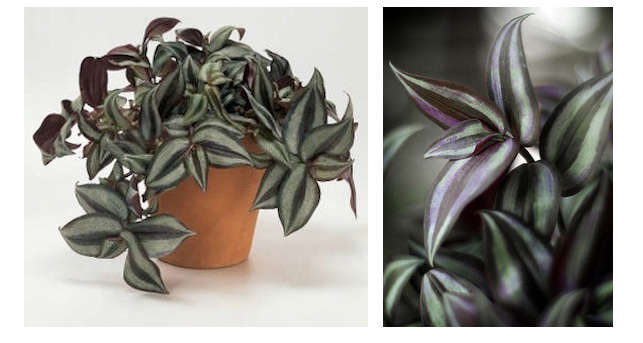
Note: The plant commonly searched as “Wandering Jew Plant” is most often a Tradescantia, especially Tradescantia zebrina. Because the older common name is considered insensitive by many people, this article also uses the more modern names “Tradescantia,” “inch plant,” “silver inch plant,” and “wandering dude.” The plant is the same dazzling, fast-growing houseplantjust with a name that does not make your living room sound like it needs a committee meeting.
What Is the Wandering Jew Plant?
The Wandering Jew plant is a colorful trailing houseplant loved for its striped leaves, quick growth, and almost comically easy propagation. In most homes, the plant people mean is Tradescantia zebrina, a member of the spiderwort family. It has purple-green foliage, silvery stripes, and deep purple undersides that look like the plant secretly moonlights as a fashion designer.
Although “Wandering Jew plant” remains a common search term, many growers and plant shops now prefer Tradescantia, inch plant, or wandering dude. These names are clearer, kinder, and still help people identify the plant. From an SEO standpoint, using both the searched phrase and the updated names helps readers find the information they need without keeping outdated language front and center.
Indoors, Tradescantia is usually grown in hanging baskets, shelf planters, or small pots where its stems can trail freely. Outdoors, in warm climates, it may be used as a seasonal groundcover or container spiller. However, because some Tradescantia species can spread aggressively in frost-free regions, container growing is often the safer choice.
Why People Love Tradescantia
Some houseplants behave like fussy celebrities: too much sun, too little sun, wrong water, wrong moon phase, and suddenly they collapse dramatically. Tradescantia is not usually that plant. It grows quickly, roots easily, and forgives ordinary care mistakes as long as you avoid two big problems: soggy soil and dim corners.
It Grows Fast
One of the biggest attractions of the Wandering Jew plant is speed. Give it bright indirect light, a well-draining potting mix, and regular trimming, and it can send out long trailing stems in a surprisingly short time. This makes it perfect for anyone who wants a full-looking plant without waiting three presidential administrations.
It Adds Instant Color
The classic Tradescantia zebrina has green, silver, and purple striping. Other popular relatives and cultivars may show pink, cream, lavender, burgundy, or solid purple foliage. The brighter the light, the better the color tends to be. In low light, the plant may survive, but its stripes can fade and the stems may stretch.
It Is Easy to Propagate
Tradescantia is one of the easiest houseplants to multiply. Cut a healthy stem below a node, remove the lower leaves, and place the cutting in water or moist potting mix. Roots often appear quickly, especially in warm conditions with bright indirect light. This is why one small pot can become a plant family reunion in no time.
Best Light for the Wandering Jew Plant
The best light for a Wandering Jew plant is bright, indirect light. Indoors, an east-facing window is often ideal. A south- or west-facing window can also work if the plant is set back a few feet or protected by a sheer curtain. The goal is strong brightness without harsh afternoon sun roasting the leaves like tiny botanical tortilla chips.
If the plant receives too little light, you may notice long gaps between leaves, weaker stems, smaller foliage, and duller color. This is called legginess, and Tradescantia is famous for it. The fix is simple: move the plant to brighter indirect light and prune the stretched stems. Those cuttings can be rooted and planted back into the pot to make it fuller.
Outdoors, Tradescantia often prefers light shade or morning sun with afternoon protection. Direct, intense sun may scorch the leaves, especially if the plant was moved outside without gradual acclimation. If you bring an indoor plant outdoors for summer, introduce it slowly over several days so it can adjust.
How Often to Water Tradescantia
Watering is where many houseplant stories turn into mysteries. Fortunately, Tradescantia gives you a straightforward rule: water when the top inch of soil feels dry. Then water thoroughly until excess moisture drains out of the bottom of the pot. After that, let the soil partially dry before watering again.
The plant does not like sitting in soggy soil. Constant wetness can lead to root rot, yellowing leaves, limp stems, and a general “I have made bad life choices” appearance. A pot with drainage holes is strongly recommended. If your decorative pot has no drainage, use it as a cachepot and keep the actual plant in a nursery pot inside it.
In brighter light and warmer rooms, the plant may need water more often. In winter, when growth slows, it usually needs less. Rather than watering on a strict calendar, check the soil with your finger. Your finger is the original moisture meter, and unlike some gadgets, it does not require batteries or an app update.
Best Soil and Pot for Wandering Jew Plant
Tradescantia grows best in a light, well-draining potting mix. A standard indoor potting mix can work, especially if improved with perlite, orchid bark, or another aerating ingredient. The goal is soil that holds enough moisture for the roots but drains quickly enough to avoid swamp conditions.
Choose a pot with drainage holes. Terracotta pots dry out faster and can be useful for heavy waterers. Plastic or glazed ceramic pots hold moisture longer and may work well in dry homes, as long as you avoid overwatering. Hanging baskets are especially popular because the stems naturally trail downward.
Repotting is usually needed when roots fill the pot, growth slows, or water rushes through without soaking the mix. Because Tradescantia often looks better when refreshed from cuttings, many growers do not keep the same original plant forever. Instead, they prune, propagate, and replant young cuttings to maintain a lush pot.
Temperature and Humidity
Tradescantia is a warm-room plant. Average household temperatures are usually fine, especially in the range comfortable for humans. Avoid cold drafts, freezing windowsills, and sudden temperature drops. If you would not enjoy sitting in that spot wearing a T-shirt, your Tradescantia probably will not be thrilled either.
Humidity is helpful but not usually complicated. The plant can grow in normal household humidity, though very dry air may cause crispy edges or faster soil drying. Grouping plants together, using a pebble tray, or running a humidifier nearby can help. Misting is less reliable as a long-term humidity solution and can sometimes encourage leaf spotting if foliage stays wet too long.
Fertilizing Tradescantia
During spring and summer, feed the Wandering Jew plant with a balanced liquid houseplant fertilizer at half strength about once a month. This supports active growth without pushing the plant too hard. Overfertilizing can cause weak, overly soft growth or salt buildup in the soil.
In fall and winter, reduce or pause fertilizing unless the plant is still actively growing under strong light. Fertilizer is not plant food in the way people often imagine; light is the real energy source. Fertilizer is more like vitamins and minerals. Helpful? Yes. A replacement for sunlight? Absolutely not.
Pruning: The Secret to a Fuller Plant
If you want a thick, attractive Tradescantia, pruning is not optionalit is the magic trick. The plant naturally trails and may become sparse near the crown over time. Pinching or cutting back long stems encourages branching and keeps the plant compact.
Use clean scissors and cut just above a node. You can remove weak, leggy, yellowing, or damaged stems at any time. Healthy cuttings can be rooted and tucked back into the same pot. This is the fastest way to turn a thin plant into a full one without buying another pot and pretending it was “for research.”
How to Propagate Wandering Jew Plant
Propagation is one reason Tradescantia has such a loyal following. It is beginner-friendly, fast, and satisfying. You can root cuttings in water or directly in soil.
Water Propagation
Cut a 3- to 6-inch stem with several nodes. Remove the lower leaves so no foliage sits underwater. Place the cutting in a clean jar with enough water to cover at least one node. Keep it in bright indirect light and change the water every few days. Once roots are about an inch long, move the cutting into potting mix.
Soil Propagation
For soil propagation, place the cutting directly into moist, well-draining potting mix. At least one node should be below the soil surface. Keep the mix lightly moist, not soggy, and place the pot in bright indirect light. Soil propagation avoids the transition from water roots to soil roots, which can sometimes stress cuttings.
To create a fuller pot, root several cuttings together. Tradescantia is not shy. Give it a few weeks, and it often looks like it has been living there for years.
Common Problems and Easy Fixes
Leggy Growth
Leggy growth usually means the plant needs more light or more regular pruning. Move it closer to a bright window and trim long stems. Replant cuttings into the top of the pot to restore fullness.
Faded Leaves
Faded color can happen when the plant does not receive enough bright indirect light. Variegated and purple Tradescantia types need good light to keep their markings strong. However, harsh direct sun can scorch leaves, so balance is key.
Yellow Leaves
Yellow leaves are often linked to overwatering, poor drainage, or old growth. Check the soil before watering, make sure the pot drains well, and remove tired leaves. If stems are mushy, inspect the roots and take healthy cuttings before the problem spreads.
Brown Crispy Tips
Crispy tips may come from underwatering, very dry air, fertilizer buildup, or too much direct sun. Flush the soil occasionally with clean water, adjust the light, and keep watering consistent.
Pests
Tradescantia may attract common houseplant pests such as spider mites, aphids, mealybugs, or fungus gnats. Inspect the undersides of leaves and stem joints. If pests appear, isolate the plant, rinse the foliage, and use an appropriate houseplant-safe treatment according to label directions.
Is the Wandering Jew Plant Toxic to Pets?
Tradescantia is generally considered irritating rather than highly dangerous, but it is not a plant you want pets chewing like salad. The sap can cause skin irritation, and some sources list related plants as toxic to cats, dogs, and horses due to dermatitis concerns. If you have curious pets, keep the plant in a hanging basket or on a high shelf.
If a pet eats part of the plant and shows unusual symptoms, contact a veterinarian. For homes with determined plant-munchers, safer pet-friendly houseplants may be a better choice. Some cats look at a hanging Tradescantia and see not a plant, but a purple piñata. Plan accordingly.
Can You Grow Tradescantia Outdoors?
Yes, Tradescantia can grow outdoors in warm weather, especially in containers. It looks beautiful spilling over the edges of patio pots, mixed planters, and hanging baskets. Move it outside only after the danger of frost has passed, and bring it back indoors before cold temperatures arrive.
In frost-free climates, be careful. Some Tradescantia species can root at stem nodes and spread quickly when planted in the ground. In areas where the plant is considered invasive or not recommended for landscape use, keep it contained or choose a better-behaved alternative. A pretty plant can still be a pushy neighbor.
Best Design Ideas for Wandering Jew Plant
The Wandering Jew plant shines when you let it trail. Place it in a hanging basket near a bright window, set it on a bookshelf, or use it as a spiller in a mixed indoor planter. Its purple tones pair beautifully with lime-green pothos, upright snake plants, silvery peperomia, and deep green philodendrons.
For a clean modern look, use a simple white or matte black pot so the foliage becomes the star. For a boho style, place it in a woven hanging planter. For a maximalist plant shelf, combine several Tradescantia varieties with different colors. Just remember: the plant grows fast, so give it room to drape.
Buying Tips: How to Choose a Healthy Plant
When buying Tradescantia, look for firm stems, colorful leaves, and dense growth near the top of the pot. Avoid plants with mushy stems, sour-smelling soil, heavy leaf drop, or obvious pests. A little legginess is not a deal-breaker because you can prune and re-root cuttings, but root rot is a bigger headache.
Check the potting mix. If it is soaked and the plant looks limp, proceed with caution. Also inspect leaf undersides for fine webbing, sticky residue, or cottony white clusters. A two-minute inspection at the store can save you from bringing home a pest soap opera.
Seasonal Care Calendar
Spring
Spring is the best time to prune, propagate, repot, and restart fertilizing. The plant wakes up and responds quickly to fresh conditions.
Summer
Growth is usually strongest in summer. Water more often if the plant is in bright light or outdoors. Protect it from harsh afternoon sun.
Fall
Bring outdoor plants inside before temperatures drop. Inspect for pests first, because nobody wants surprise spider mites joining the household for winter.
Winter
Reduce watering and pause fertilizer if growth slows. Keep the plant near bright light and away from cold windows or heating vents.
Experience Notes: What Growing a Wandering Jew Plant Teaches You
Growing a Wandering Jew plant is a little like adopting a tiny purple roommate with ambition. At first, it sits politely in its pot. Then, a few weeks later, it is trailing off the shelf, leaning toward the window, and casually suggesting that maybe it deserves its own hanging basket. This is part of the charm. Tradescantia gives new plant owners confidence because it responds quickly. When it likes your care, you see results fast.
One of the most useful lessons is that fullness must be maintained, not simply wished into existence. Many beginners buy a lush Tradescantia and feel betrayed when the top becomes thin while the stems grow long. That is normal. The plant naturally stretches and trails. Regular pruning keeps it attractive. The first time you cut it back, you may feel like you are ruining it. Two weeks later, you realize you have accidentally become a plant stylist.
Another experience many growers share is the joy of propagation. Tradescantia cuttings root so easily that they make you feel wildly competent. A jar on the windowsill, a few trimmed stems, and suddenly you have roots. This makes the plant great for sharing with friends, refreshing old pots, or filling bare spots. It is also a helpful reminder that houseplant care is not always about keeping one original plant perfect forever. Sometimes the healthiest approach is renewal.
Light is another teacher. A Tradescantia in low light will often survive, but it may lose its bold color and become stretched. Move it to brighter indirect light and the plant usually improves. This visible response helps new plant owners understand the difference between “alive” and “thriving.” A plant can be alive in a dark corner, but that does not mean it is happy. People can also technically survive on crackers and panic, but we do not call that wellness.
Watering experience matters too. Tradescantia prefers consistency, but not sogginess. Many people learn to stop watering by calendar and start checking the soil. That habit improves care for almost every other houseplant. The top inch test is simple, practical, and more reliable than guessing. If the pot feels heavy and the soil is still damp, wait. If it feels light and the top soil is dry, water thoroughly.
There is also a design lesson. Tradescantia looks best when placed where its natural shape makes sense. On a cramped tabletop, it can seem messy. In a hanging planter or on a high shelf, it looks intentional and elegant. The same plant can look chaotic or beautiful depending on placement. This is excellent news for anyone who has ever blamed a plant when the real problem was furniture geography.
Finally, growing Tradescantia teaches humility. Even though it is easy, it is not immortal. Too much water, too little light, cold drafts, or neglect can make it decline. But because it propagates so readily, decline is not always disaster. Take cuttings, restart the pot, and learn from the process. The Wandering Jew plant, or better, the Tradescantia, is not just a decorative houseplant. It is a cheerful, forgiving, fast-growing reminder that growth often comes from a good trim, better light, and the courage to start again.
Conclusion
The Wandering Jew plant remains one of the most popular trailing houseplants because it is colorful, fast-growing, affordable, and easy to propagate. For modern readers and plant lovers, “Tradescantia” or “inch plant” is a better everyday name, but the care remains the same: bright indirect light, well-draining soil, careful watering, regular pruning, and a little attention to pet safety.
If you want a houseplant that rewards you quickly, looks gorgeous in a hanging basket, and lets you create new plants from simple cuttings, Tradescantia is a fantastic choice. Treat it well, trim it often, and do not be surprised when one small pot becomes three. That is not a problem. That is your plant collection developing a plot.