If a room feels like it is missing something, nine times out of ten the answer is not “another decorative bowl.” It is usually a rug. And not just any ruga rug with enough personality to anchor the room, soften the edges, and make the furniture look like it actually belongs together. That is exactly why the Vivienne Hand Tufted Rug deserves attention.
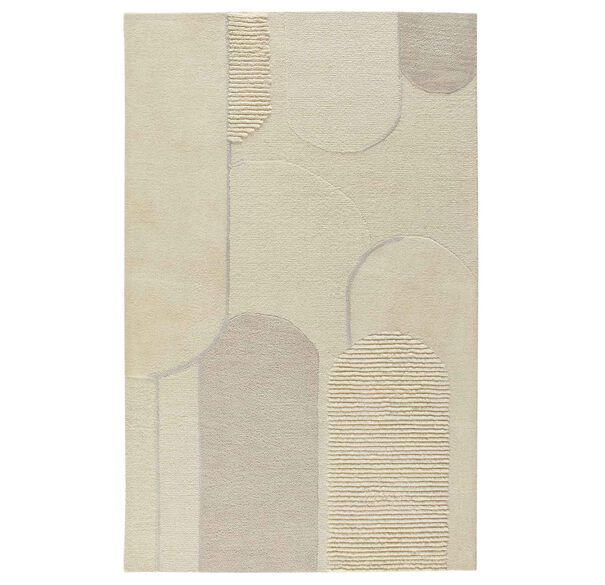
With its art deco-inspired arch pattern, subtle heathered color effect, and 100% wool hand-tufted construction, the Vivienne rug lands in that sweet spot between statement piece and easygoing background player. It has visual structure without becoming loud, softness without becoming shaggy chaos, and enough texture to make a room feel curated instead of accidental. In other words, it is stylish, practical, and just dramatic enough to keep things interestinglike a great dinner guest who tells good stories but never steals the bread basket.
This guide breaks down what makes the Vivienne Hand Tufted Rug stand out, where it works best, how hand-tufted wool rugs compare to other types, how to care for one, and what the everyday experience is really like. If you are considering this rug for your living room, bedroom, office, or somewhere in between, here is the deep dive.
What Is the Vivienne Hand Tufted Rug?
The Vivienne Hand Tufted Rug is best described as a refined decorative rug built around soft geometry. Published product details describe it as a 100% hand-tufted wool rug with art deco-inspired arch details, a subtle pattern, and a light heathered effect created through a special dyeing technique. It is also a handcrafted piece, which means slight size variation is normal and part of the charm rather than a manufacturing horror story.
Visually, the rug reads as modern but not cold. The arch motif gives it a hint of vintage glamour, while the softened tones keep it from feeling too formal. That makes it a strong fit for homeowners who want an art deco area rug or mid-century-inspired rug without turning the whole room into a movie set.
Why the design works
The strongest thing about the Vivienne design is restraint. Many patterned rugs either disappear into the floor or show up like they were hired to perform at halftime. Vivienne takes a smarter route. The arch details add rhythm and movement, while the heathered wool keeps the pattern soft around the edges. The result is a rug that feels layered, warm, and easy to style.
That matters because good rugs are not just floor coverings. They are visual bridges. They connect the sofa to the chairs, the coffee table to the art, and the architecture of the room to the mood you are trying to create. Vivienne does that with quiet confidence.
What “Hand Tufted” Really Means
If you are shopping for rugs, you have probably seen terms like hand-knotted, handwoven, handmade, and hand-tufted tossed around like confetti. They are not interchangeable. A hand-tufted rug is made by pushing yarn through a canvas backing with a tufting tool to create a cut or looped pile. A secondary backing is then added to hold everything in place.
That construction method gives you several advantages:
- Plush texture: Hand-tufted rugs tend to feel soft and comfortable underfoot.
- Detailed pattern work: The technique makes it easier to create decorative motifs like Vivienne’s arches.
- Better value than hand-knotted rugs: You still get a handcrafted feel, but usually at a lower price point than heirloom-grade knotted rugs.
There is, however, a grown-up caveat. Hand-tufted rugs usually do not have the same lifespan as high-quality hand-knotted wool rugs. They are built for beauty, comfort, and style, but not necessarily for being passed down to your great-grandchildren along with Grandma’s silver and that one suspicious pie recipe.
For many buyers, that trade-off is completely reasonable. If you want an attractive, comfortable, well-made wool rug that gives you artisanal character without sending your budget into cardiac arrest, hand-tufted is a smart middle lane.
Why Wool Makes a Difference
The fact that Vivienne is made of 100% wool matters more than the average product description likes to admit. Wool is one of the most desirable rug materials because it is naturally resilient, soft, insulating, and capable of holding color and texture beautifully. It also has a richness that synthetic fibers often struggle to fake convincingly.
In real life, that means a wool rug like Vivienne can bring several benefits:
- It feels warmer and softer underfoot than many flat synthetic alternatives.
- It adds visual depth because wool fibers reflect light in a nuanced way.
- It generally holds up well in everyday interiors when maintained properly.
- It can make a room feel more finished, quieter, and more comfortable.
Of course, wool is not maintenance-free. It can shed at first, it prefers gentler cleaning methods, and it does not love being soaked like a beach towel. But if you want a rug that feels substantial and elevated, wool is usually worth the extra attention.
Where the Vivienne Hand Tufted Rug Works Best
Living room
This is probably the Vivienne rug’s strongest placement. The patterned arches can anchor a seating area without overwhelming the furniture. If your sofa is neutral, the rug becomes the room’s quiet hero. If your furniture already has shape and color, Vivienne helps organize the look instead of competing with it.
For the best effect, choose a size large enough for at least the front legs of the sofa and chairs to sit on the rug. A too-small rug makes even expensive furniture look like it is standing awkwardly at a bus stop.
Bedroom
Vivienne also makes sense in a bedroom, especially if you want softness underfoot first thing in the morning and a design element that adds warmth without visual clutter. The pattern is elegant enough for a primary bedroom and subtle enough not to fight with bedding, curtains, or upholstered headboards.
Home office
If you want your office to look less like a tax-prep bunker and more like a place where actual ideas happen, this rug can help. The arch motif adds sophistication, and the wool texture makes the room feel more considered. Just make sure your chair setup works with the rug’s pile if you use rolling casters regularly.
Dining room
This one depends on your lifestyle. A wool hand-tufted rug can look gorgeous under a dining table, but if your household treats pasta sauce as an airborne medium, a lower-maintenance rug might be the more peaceful choice. Vivienne can work there visually, but it is probably happiest in spaces where daily mess is less intense.
How to Style the Vivienne Rug
Because of its art deco-meets-modern look, the Vivienne Hand Tufted Rug is flexible. It can lean glamorous, minimal, organic modern, or even softly eclectic depending on what you pair with it.
Best design pairings
- Curved furniture: The arch pattern looks especially good with rounded chairs, scalloped lighting, or oval coffee tables.
- Wood tones: Walnut, oak, and medium-toned woods bring out the rug’s warmth beautifully.
- Metal accents: Brass, antique bronze, or matte black can sharpen the Art Deco vibe.
- Layered neutrals: Cream, taupe, camel, charcoal, and muted green work especially well.
- Textural upholstery: Bouclé, linen, velvet, and woven leather make the space feel richer.
If you want the room to feel airy, keep the surrounding furniture simple and let the rug carry the pattern. If you want more drama, echo the arch motif with curved lamps, arched mirrors, or rounded side tables. Done right, the room starts to feel intentional rather than assembled during a caffeine emergency.
Care and Maintenance: The Stuff Nobody Should Ignore
Let us talk about the less glamorous side of rug ownership: keeping the thing alive.
Like many wool hand-tufted rugs, Vivienne will likely shed at first. That is normal. It is not a sign that the rug is unraveling or plotting against you. New wool rugs commonly release loose fibers during the first stretch of use. Regular, gentle vacuuming helps that settle down over time.
Best care habits for a rug like Vivienne
- Vacuum regularly using a low-power setting.
- Avoid a beater brush, which can be too aggressive for wool fibers.
- Blot spills immediately with a clean, undyed or white cloth.
- Use a rug pad underneath to reduce slipping, improve comfort, and help the rug wear more evenly.
- Clip loose ends with scissors instead of pulling them.
- For stubborn stains or periodic refreshes, consider professional rug cleaning.
Also, rotate the rug occasionally so foot traffic and sunlight do not create uneven wear patterns. Wool is resilient, but even the best rug appreciates not being abused by the exact same chair leg every single day.
Is the Vivienne Hand Tufted Rug Worth It?
If your priority is a rug that combines style, softness, and the richer feel of natural wool, the answer is very likely yes. The Vivienne rug is especially appealing for buyers who want pattern without chaos, craftsmanship without the premium pricing of hand-knotting, and a piece that can shift across décor styles over time.
It may not be the ideal choice for every household. If you need ultra-easy cleaning, have constant high-traffic mess, or want a truly heirloom-grade rug, you may want to compare it with lower-pile synthetics or hand-knotted alternatives. But if your goal is a sophisticated, comfortable, design-forward rug with genuine warmth and character, the Vivienne checks a lot of boxes.
In a market full of rugs that either look generic or try too hard, that balance is a genuine advantage.
The Everyday Experience of Living with a Vivienne Hand Tufted Rug
Now for the part buyers actually care about after the checkout button has been clicked: what is it like to live with a rug like this every day?
The first impression is usually tactile. A hand-tufted wool rug does not feel flat or flimsy. It has body. When you step on it barefoot, there is a softness that immediately changes how the room feels. The floor stops being just a surface and starts feeling more finished, warmer, and more welcoming. In a living room, that can make even a simple seating area feel pulled together. In a bedroom, it can turn the first cold step of the morning into something a little less offensive.
Visually, the Vivienne style tends to age well over the course of a day. Morning light brings out the texture. Afternoon light makes the heathered coloring look more dimensional. At night, under lamps, the pattern reads softer and more atmospheric. That is one of the underrated pleasures of wool: it has depth. It does not sit there like a flat printed surface pretending to be interesting. It actually changes with the room.
There is also the emotional side of ownership, which sounds dramatic until you live with a good rug. Rooms feel calmer when they are grounded. The sofa looks more intentional. The coffee table stops floating in space. Even decorative pillows suddenly seem like they belong to the same family. A rug like Vivienne does not scream for attention, but it quietly improves everything around it. It is the design equivalent of good lighting and decent posture.
Of course, daily life includes little realities. The first few weeks may involve some shedding, especially if the rug is new and the wool fibers are settling in. You might notice fluff in the vacuum canister and wonder whether your rug is molting. It probably isjust temporarily. With consistent care, that phase usually becomes much less dramatic. This is one of those moments where patience and a low-power vacuum setting deserve more credit than they usually get.
Another everyday experience is sound. Rugs soften a room acoustically. That does not always get mentioned in sales copy, but it matters. Spaces with hard floors can echo, feel cold, and sound busier than they need to. A wool rug helps absorb some of that sharpness. The room becomes quieter, more settled, and frankly more expensive-looking. Not because the rug is trying to show off, but because texture always makes a home feel more layered.
Then there is maintenance, which is not thrilling but is manageable. Spot cleaning quickly, rotating the rug, and using a rug pad all make a noticeable difference. Once those habits become routine, living with a hand-tufted wool rug is not difficult. It is just not careless. Think of it like owning leather shoes instead of flip-flops. A little attention pays you back in appearance, comfort, and longevity.
Perhaps the most enjoyable part of the experience is how adaptable the rug feels as the room evolves. Swap in a new lamp, change throw pillows, bring in a different accent chair, or repaint the walls, and a strong foundational rug still holds the space together. That is what makes the Vivienne style compelling. It is not trendy in a disposable way. It is distinctive enough to feel special, but calm enough to live with for years without waking up one day and thinking, “Why did I let this pattern happen to me?”
In the end, living with the Vivienne Hand Tufted Rug is less about owning a decorative object and more about improving the everyday feeling of the room. It softens, anchors, warms, and elevates. That is a lot to ask from something people walk on, but a good rug is one of the few home pieces that genuinely earns its square footage.
Final Thoughts
The Vivienne Hand Tufted Rug succeeds because it understands a very important design rule: subtle does not have to mean boring. With its hand-tufted wool construction, soft architectural pattern, and versatile styling potential, it offers the kind of polish that can elevate a room without overtaking it. It is a practical luxurycomfortable, handsome, and thoughtful in all the right ways.
If you want a rug that blends decorative personality with real everyday function, Vivienne is the kind of piece worth considering seriously. It is not just something to place under furniture. It is something that makes the whole room make sense.