Note: This publish-ready article is written in standard American English, based on real lighting design principles, retail product information, energy guidance, and fixture safety best practices.
What Is a Utility Pendant Lamp?
A utility pendant lamp is the lighting world’s answer to a great pair of jeans: simple, hardworking, surprisingly stylish, and willing to make almost any room look more intentional. At its core, a utility pendant lamp is a hanging light fixture designed around function first. It usually features a cord, chain, rod, or stem suspended from the ceiling, with a socket, shade, cage, or exposed bulb delivering light exactly where it is needed.
Unlike a chandelier that arrives wearing formal shoes and asking where the crystal polish is kept, a utility pendant lamp is more relaxed. It is practical. It is direct. It is not trying to host a royal banquet. It wants to brighten your kitchen island, workshop bench, laundry room, breakfast nook, reading corner, pantry, mudroom, hallway, or small dining table without turning the ceiling into a dramatic opera.
The phrase “utility pendant” often brings to mind industrial pendant lighting, schoolhouse-style fixtures, factory pendants, exposed-bulb lamps, metal-shade pendants, and simple socket lights. These designs borrow from workshops, cafés, warehouses, and early twentieth-century commercial lighting. Today, they appear in modern farmhouse kitchens, minimalist apartments, vintage-inspired homes, restaurants, studios, and even sleek offices that want a little personality without installing a neon sign that says “We Have Personality.”
Why Utility Pendant Lamps Are So Popular
The popularity of utility pendant lamps comes from one beautiful contradiction: they are plain enough to be versatile and bold enough to matter. A simple pendant light can add shape, rhythm, texture, and warmth to a room without overwhelming the design. It does not need carved details, dangling crystals, or a personality disorder in brushed gold. It just needs good proportion, the right bulb, and a smart location.
Utility pendant lighting also solves a real design problem. Many rooms suffer from “ceiling blob lighting,” meaning one central fixture tries to light everything and ends up doing a mediocre job everywhere. A pendant lamp brings light closer to the surface where life actually happens. That surface may be a countertop, desk, sink, table, nightstand, or workbench. By dropping the light source lower, a pendant can create stronger task lighting, softer atmosphere, and more visual interest.
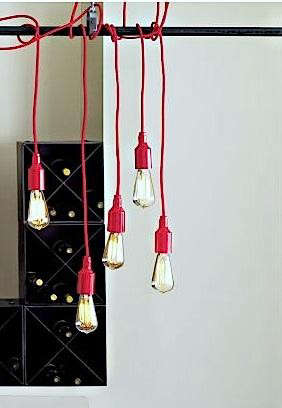
Another reason homeowners love utility pendant lamps is flexibility. A black metal utility pendant can look crisp and modern. A white enamel pendant can feel bright and vintage. A brass socket pendant can warm up a neutral room. A red utility pendant can become the design equivalent of adding hot sauce to eggs: small move, big personality. Glass pendants feel lighter, cage pendants lean industrial, and fabric-cord pendants add a crafted detail that quietly says, “Yes, I did think about this.”
Key Features of a Good Utility Pendant Lamp
1. A Functional Shape
The best utility pendant lamp begins with a shape that makes sense. A downward-facing metal shade focuses light onto a counter or table. A glass globe spreads light more evenly. A bare socket pendant gives a clean, minimal look but depends heavily on the bulb because the bulb is basically the star of the show. Choose poorly, and your pendant goes from “design moment” to “interrogation room with rent.”
2. Durable Materials
Common materials include powder-coated steel, aluminum, brass, glass, ceramic, and sometimes wood details. Metal shades are excellent for kitchens, workshops, laundry rooms, and high-use spaces because they are sturdy and easy to wipe clean. Glass shades provide a lighter, more decorative appearance but require more frequent cleaning because dust and fingerprints treat glass like a vacation home.
3. Adjustable Height
A useful pendant lamp should offer enough cord, chain, or rod adjustment to fit your ceiling height and intended surface. This is especially important over kitchen islands and dining tables. A fixture that hangs too high may look lost and provide weak task lighting. A fixture that hangs too low may block sightlines, bump heads, or make dinner guests feel like they are being questioned by a stylish detective.
4. The Right Socket and Bulb Compatibility
Many utility pendant lamps use standard medium-base bulbs, often called E26 bulbs in the United States. Some specialty fixtures may use smaller bases or integrated LEDs. Before buying, check the maximum wattage, recommended bulb type, dimmer compatibility, and whether the bulb is included. For exposed-bulb designs, a warm LED filament bulb can give a vintage glow while using modern energy-efficient technology.
5. Proper Safety Rating
Not every pendant belongs everywhere. A dry-rated pendant is suitable for dry interior areas. A damp-rated fixture can handle moisture in the air, such as in certain bathrooms, covered porches, or laundry spaces. A wet-rated fixture is needed where water may splash, drip, or directly contact the light. This matters because electricity and moisture are not a cute couple. They are a lawsuit with sparks.
Where to Use a Utility Pendant Lamp
Kitchen Island
The kitchen island is probably the most famous stage for pendant lighting. Utility pendants work beautifully here because they provide focused task light for chopping vegetables, reading recipes, packing lunches, serving snacks, and pretending the pile of mail on the counter is “temporary.” For most kitchen islands, two or three pendants are common, depending on island length, fixture diameter, and visual weight.
A general design guideline is to hang pendants about 30 to 36 inches above the countertop. This range usually gives enough clearance for conversation and movement while keeping the light close enough to be useful. Spacing matters too. Pendants should feel evenly placed, with breathing room between fixtures and some distance from the ends of the island.
Dining Area
A utility pendant over a dining table can create an intimate pool of light without the formality of a chandelier. A single oversized metal pendant can make a small dining room feel intentional. A row of smaller pendants can work over a long farmhouse table or narrow breakfast bar. The goal is to light the meal, not blind the people eating it. Nobody wants their soup served with a side of retina drama.
Bedroom
Small utility pendants can replace bedside table lamps, freeing up nightstand space for books, glasses, water, phone chargers, and the mysterious collection of receipts that appears after every weekend. Hanging a pendant on each side of the bed creates symmetry, but the fixtures should be positioned carefully so they are easy to reach and do not swing into pillows like tiny ceiling-mounted wrecking balls.
Laundry Room and Mudroom
Utility pendant lamps feel especially at home in hardworking spaces. In a laundry room, a pendant can brighten folding areas and add style to a room that usually gets treated like the basement’s less glamorous cousin. In a mudroom, a metal or cage pendant can handle a more rugged look while making the space feel finished.
Home Office or Studio
A utility pendant can be excellent over a desk, drafting table, craft station, or workbench. For focused work, choose a shade that directs light downward and pair it with a bulb that has good brightness and color quality. If you work with colors, fabrics, photos, or design samples, consider bulbs with a high color rendering index so your “soft warm beige” does not turn into “surprise oatmeal gray.”
How to Choose the Right Size
Size is where many pendant lighting decisions go sideways. A pendant that is too small can look like a lonely Christmas ornament. A pendant that is too large can make the room feel like it is wearing a hat indoors. The right size depends on the room, ceiling height, furniture below, and how bold you want the fixture to appear.
For kitchen islands, smaller utility pendants often range from about 6 to 12 inches in diameter, while larger industrial shades may be 14 inches, 16 inches, or more. Over a dining table, one larger pendant may work better than several small ones. In hallways or narrow spaces, compact pendants can provide rhythm without crowding the ceiling.
Think about visual weight, not just measurements. A black metal shade feels heavier than a clear glass globe of the same diameter. A cage pendant may look lighter because it has open space. A white shade may blend into the ceiling more easily. If your room is small, choose a pendant with a lighter profile. If your room has tall ceilings, large furniture, or an open plan, a more substantial utility pendant can hold its own.
Best Bulbs for Utility Pendant Lamps
The bulb can make or break a utility pendant lamp. With shaded pendants, the bulb affects brightness, warmth, and energy use. With exposed-bulb pendants, the bulb also affects the entire look of the fixture. In other words, the bulb is not just the engine; sometimes it is also the hood ornament.
LED bulbs are usually the smartest choice for modern utility pendant lighting. They use less energy than old incandescent bulbs, produce less heat, and last longer. Warm white bulbs around 2700K create a cozy, residential glow. Bulbs around 3000K feel slightly cleaner and can work well in kitchens and bathrooms. Cooler bulbs may be useful in workshops or task-heavy areas, but in living spaces they can make your home feel like a pharmacy aisle at midnight.
For exposed bulb pendants, look for LED filament bulbs, globe bulbs, or decorative Edison-style bulbs. Be careful with brightness. A bare bulb that is too bright can create glare. If the fixture is dimmable, pair it with a compatible dimmable LED bulb and a compatible dimmer switch. Compatibility matters because mismatched dimmers can cause flickering, buzzing, or the kind of lighting behavior usually reserved for haunted mansions.
Style Ideas for Utility Pendant Lamps
Industrial
Industrial utility pendants often feature metal shades, cage guards, black finishes, exposed hardware, or visible cords. They work well with brick, concrete, butcher block, stainless steel, reclaimed wood, and open shelving. This style says, “I appreciate old factories, but I also own a dishwasher.”
Modern Minimalist
A minimalist utility pendant may be nothing more than a clean socket, simple cord, and carefully chosen bulb. This look is excellent in apartments, Scandinavian-inspired rooms, and modern kitchens. The key is precision. Minimalist lighting has nowhere to hide, so proportions, cord length, and bulb shape all matter.
Vintage Schoolhouse
Schoolhouse-style pendants often use glass shades, rounded forms, and classic metal hardware. They can soften a kitchen or hallway while keeping the practical spirit of utility lighting. This style is especially good for older homes, cottage kitchens, and transitional interiors.
Farmhouse and Cottage
For farmhouse style, consider enamel shades, aged brass, matte black, oil-rubbed bronze, or warm white finishes. A utility pendant can bring structure to a cozy space without making it look too polished. Pair it with wood beams, apron-front sinks, vintage rugs, and simple cabinetry for a collected look.
Color-Pop Contemporary
A bright red, green, blue, or yellow utility pendant can act like jewelry for a room. This works best when the surrounding palette is fairly calm. One colorful pendant over a small table or reading chair can become a cheerful focal point. Three bright pendants over an island can be wonderful too, but only if the rest of the kitchen agrees not to start a color argument.
Installation Tips and Practical Considerations
Installing a pendant lamp is often straightforward for a qualified electrician, especially when replacing an existing ceiling fixture. However, new locations may require additional wiring, ceiling boxes, switches, or structural support. Always make sure the electrical box is rated to support the fixture and that installation follows local electrical code.
Before installation, decide exactly where the pendant should hang. Centering matters. Over an island, pendants should align with the island, not necessarily with the entire room. Over a dining table, the pendant should be centered over the table. If your table is not centered in the room, center the light over the table anyway. The ceiling will survive the emotional complexity.
Also consider cleaning and maintenance. Open shades collect dust. Glass shades show fingerprints. Fabric cords may need gentle dusting. Kitchen pendants can collect a fine film of cooking grease over time, especially near ranges. Choose materials you are willing to clean, because the fantasy version of yourself who polishes glass weekly may not be the same person who currently has three laundry baskets named “later.”
Common Mistakes to Avoid
Hanging the Pendant Too Low
A pendant should not block conversation, sightlines, cabinet doors, or the path of a tall family member carrying tacos. Test the height with a temporary marker or have someone hold the fixture in place before final installation.
Choosing the Wrong Bulb Temperature
Cold light can make a cozy room feel sterile. Warm light can make a task area feel too dim if the bulb is not bright enough. Match color temperature to the room’s purpose.
Ignoring Glare
Exposed bulbs look great in photos, but glare can be harsh in real life. Frosted bulbs, lower-lumen bulbs, dimmers, or shaded fixtures can help.
Using a Dry-Rated Fixture in a Damp Area
Bathrooms, covered outdoor spaces, and laundry rooms may need damp-rated or wet-rated fixtures depending on location. Always check the product label and installation requirements.
Buying Without Measuring
Measure ceiling height, table height, island length, fixture diameter, cord length, canopy size, and clearance. Measuring is not glamorous, but neither is returning a lamp that looked “normal-sized” online and arrived large enough to host a raccoon family reunion.
Real-World Experience: Living With a Utility Pendant Lamp
After using utility pendant lamps in different rooms, one thing becomes clear: the simplest fixtures often teach the strongest lighting lessons. A utility pendant does not hide bad placement, poor bulb choice, or lazy measuring. It tells the truth immediately. Hang it too low over a kitchen island, and every conversation becomes a gentle ducking exercise. Hang it too high, and it looks like the lamp is trying to escape into the ceiling. Get the height right, though, and the room suddenly feels balanced.
One of the best experiences with a utility pendant lamp is how quickly it can change the personality of a small space. A plain breakfast nook with a standard flush-mount fixture can feel temporary, like a rental waiting room with cereal. Swap in a small metal utility pendant with a warm LED bulb, and the same corner becomes a real place to drink coffee, read emails, or stare dramatically out the window while pretending to plan your day.
In kitchens, utility pendants are especially satisfying because they make everyday tasks feel more deliberate. Chopping onions under a focused pendant feels different from chopping onions under a vague ceiling glow. The countertop is brighter, shadows are reduced, and the island becomes a defined work zone. Even better, a row of pendants creates visual rhythm. It gives the kitchen a “finished” look, even if one drawer is still full of takeout menus, rubber bands, and batteries of unknown emotional status.
Another practical lesson is that bulb selection matters more than most people expect. A clear Edison-style bulb may look gorgeous when turned off, but if it is too bright, it can become uncomfortable. A frosted LED globe often gives a softer, friendlier glow. A dimmer switch is worth considering because pendant lighting needs change throughout the day. Bright light is useful for cooking and cleaning, while a lower setting is better for dinner, conversation, or late-night snacking that absolutely does not need courtroom-level illumination.
Cleaning is also part of the lived experience. Utility pendants with open metal shades are forgiving. A quick wipe usually brings them back to life. Clear glass pendants are beautiful but honest; they reveal dust, steam marks, and fingerprints with documentary-level accuracy. In a kitchen, glass shades near cooking zones may need regular cleaning. This is not a deal-breaker, but it is a reality check. If you want low maintenance, metal shades or opaque glass may be your friends.
The most underrated benefit of a utility pendant lamp is emotional. Good lighting changes how a room feels, not just how it looks. A pendant over a desk can make work feel focused. A pendant beside a bed can make reading feel cozy. A pendant in a laundry room can make folding towels slightly less tragic. No lamp can make laundry fun, of course. Let us remain honest. But a good utility pendant can at least make the room feel like someone cared.
Overall, living with a utility pendant lamp proves that practical design does not have to be boring. The right fixture becomes part tool, part decoration, and part tiny ceiling sculpture. It gives light where you need it, style where you want it, and a surprising amount of charm for something that is basically a bulb on a mission.
Conclusion
A utility pendant lamp is one of the smartest lighting choices for anyone who wants function, style, and flexibility without turning the ceiling into a circus. It works because it is honest: a focused light source, suspended where it can actually help, shaped by materials that range from industrial metal to soft glass and warm brass.
Whether you choose a simple socket pendant, a factory-style metal shade, a schoolhouse glass fixture, or a colorful modern version, the key is to match the lamp to the room’s purpose. Think about height, spacing, brightness, bulb temperature, safety rating, and maintenance. Choose a fixture that supports your daily life rather than merely posing for photos. The best utility pendant lamp does both: it looks good and earns its keep.
In a world full of overdesigned objects, the utility pendant lamp remains refreshingly direct. It hangs. It glows. It helps you see your dinner, your book, your workbench, or the crumbs you were hoping nobody noticed. That is not just lighting. That is service with style.