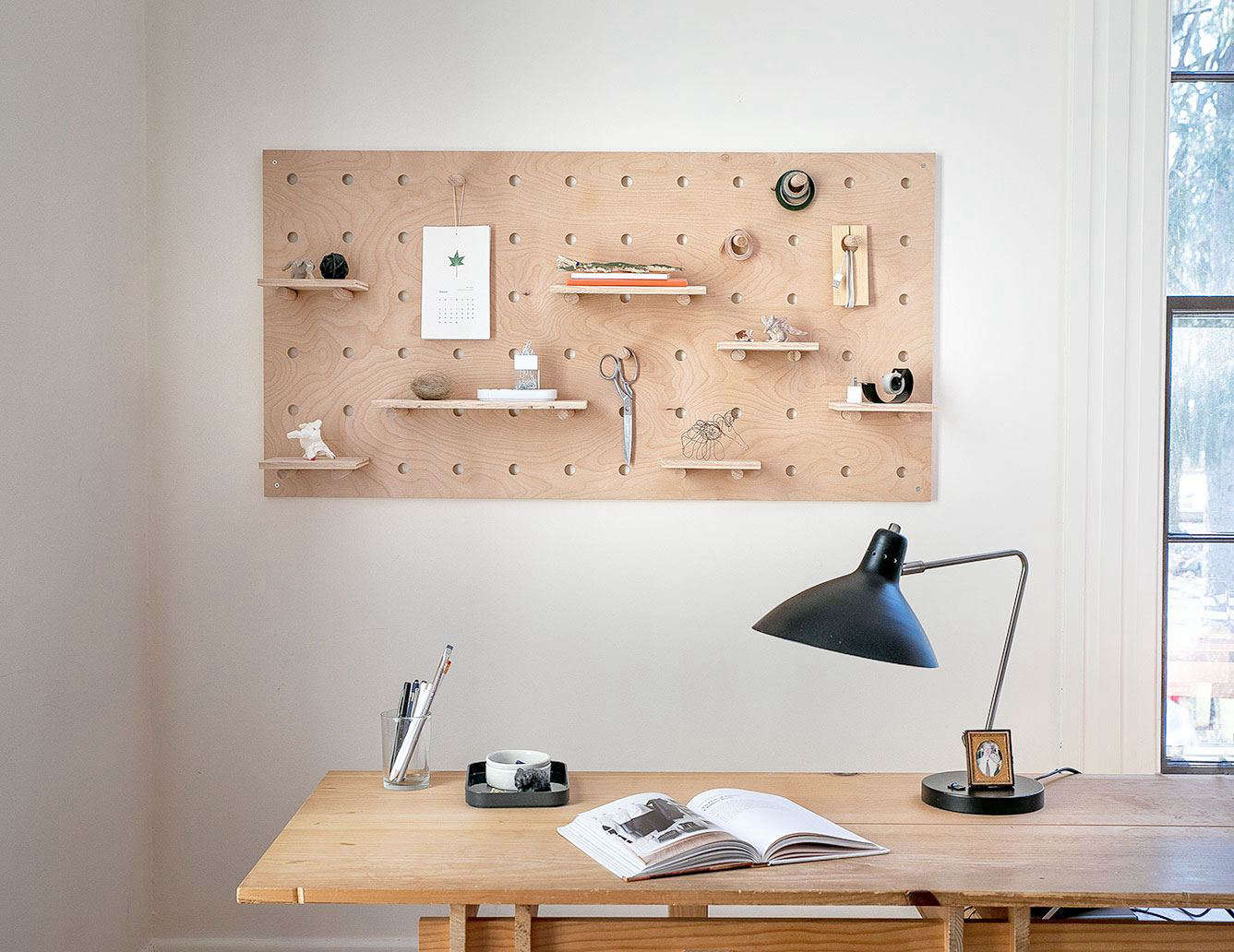
Somewhere between “I need a place to hang the broom” and “why does this laundry room look like a boutique hotel?” lives the design mood currently stealing the spotlight: utilitarian luxe. It is practical, hardworking, unfussy, and surprisingly beautiful. Think pegboards that look like wall art, utility buckets handsome enough to leave out, laundry supplies decanted into good-looking containers, and storage zones so tidy they make you want to label your label maker.
The trend feels especially right for modern homes because it solves a very real problem: we own a lot of stuff, but we do not want our homes to look like a storage unit with throw pillows. Utilitarian luxe offers a smarter compromise. It says everyday tools, cleaning supplies, craft materials, cookware, and entryway clutter can be organized in plain sightif the system is intentional, visually calm, and built to work with daily routines.
Inspired by the editorial world of The Organized Home, this guide explores why utility-forward design is having a stylish moment, how pegboard became the unlikely hero of elegant storage, and how to build a simple DIY pegboard that looks polished instead of “garage sale, but vertical.”
What Is Utilitarian Luxe?
Utilitarian luxe is the art of making functional things feel elevated. It does not hide the tools of daily life; it edits, arranges, and upgrades them. Instead of cramming everything into mystery bins and pretending chaos does not exist, this approach turns storage into part of the design.
At its best, utilitarian luxe blends three ideas:
1. Function Comes First
A room has to work before it can wow. A laundry area needs detergent, stain remover, drying space, and baskets. A kitchen needs quick access to pans, utensils, pot lids, and coffee supplies. A craft room needs scissors, ribbon, brushes, and tiny objects that multiply at night like very colorful rabbits. Utilitarian luxe begins by asking, “What do I reach for every day?”
2. Materials Do the Decorating
Instead of relying on fussy decor, this style lets materials shine. Wood, metal, canvas, ceramic, powder-coated steel, glass jars, enamel buckets, and woven baskets add warmth and texture while still doing a job. A wooden pegboard with chunky dowels instantly feels more architectural than a thin hardboard panel tossed onto the wall.
3. The System Stays Flexible
The beauty of pegboards, rails, hooks, shelves, bins, and rolling carts is that they can change. Today’s craft station can become tomorrow’s home office wall. A kitchen pegboard can shift from mugs and measuring spoons to pans and pot lids. The setup evolves with the household instead of demanding a full redesign every time life gets messywhich, inconveniently, is often.
Why Pegboard Is the Star of the Trend
Pegboard has been around forever, mostly hanging in garages above workbenches, quietly holding wrenches and pretending not to care about interior design. But lately, pegboard has moved into kitchens, laundry rooms, closets, kids’ rooms, home offices, craft corners, and entryways. The reason is simple: it uses vertical space brilliantly.
When cabinet space is limited, vertical storage can rescue a room. A pegboard lifts everyday items off counters, out of drawers, and into easy reach. It also makes belongings visible, which is not a small thing. If you can see the scissors, you are less likely to buy your seventh pair because the other six are “somewhere safe.”
Modern pegboard also looks better than its old-school ancestor. Today’s versions come in painted finishes, metal panels, oversized wood boards, sleek modular systems, and custom plywood designs. Add small shelves, hooks, baskets, dowels, clips, cups, or rails, and suddenly the wall becomes a flexible storage command center.
Where Utilitarian Luxe Works Best
The good news: this trend does not require a sprawling mudroom, a designer laundry suite, or a lifestyle where your children voluntarily return things to labeled containers. It can work almost anywhere.
Kitchen
A kitchen pegboard can hold pots, pans, strainers, cutting boards, measuring cups, mugs, dish brushes, or pot lids. For small kitchens, it can replace a bulky rack or free up cabinet space. The key is to style it like open shelving: display attractive items, group similar shapes, and avoid turning the wall into a cookware avalanche.
Laundry Room
Laundry rooms are ideal for utilitarian luxe because the items are not glamorousbut they can be made to look intentional. A wall-mounted pegboard can hold lint rollers, brushes, stain sticks, small baskets, clothespins, spray bottles, and drying accessories. Pair it with glass jars, a classic utility bucket, and a clean shelf, and suddenly laundry feels less like punishment and more like a tiny domestic spa. Almost.
Entryway
An entryway pegboard can organize keys, sunglasses, dog leashes, hats, tote bags, umbrellas, mail, and small baskets for daily essentials. Add a bench below and you have a flexible mini mudroom. This is especially useful for apartments or homes without built-in storage.
Home Office
For desks that attract paperwork the way magnets attract paper clips, pegboard is a sanity tool. Use it for scissors, headphones, notebooks, chargers, small plants, calendars, and office supplies. Keep frequently used items at eye level and store visual clutter in matching cups or boxes.
Craft Room or Kids’ Zone
Craft supplies were practically born for pegboard. Thread, ribbon, markers, beads, paints, glue sticks, stamps, and washi tape can all be sorted into zones. For kids, pegboard makes cleanup more visual: this hook is for headphones, that cup is for markers, and this basket is for the mysterious plastic thing that absolutely cannot be thrown away.
Pegboard DIY: How to Build a Polished Wall Organizer
This DIY pegboard project is designed for a kitchen, laundry room, office, garage, or craft nook. The goal is a sturdy, good-looking board with enough space behind it for hooks to fit properly.
Materials
- One pegboard panel, cut to your preferred size
- 1×2 furring strips for the back frame
- Wood screws
- Wall anchors, if you cannot screw into studs
- Level
- Measuring tape
- Pencil
- Drill
- Paint or stain
- Paint roller or brush
- Trim pieces, optional
- Pegboard hooks, baskets, cups, dowels, and shelves
Step 1: Choose the Location
Pick a wall close to the action. In a kitchen, that might be near the prep zone. In a laundry room, choose a spot near the washer and dryer. In an office, place it above or beside the desk. The board should support the way you already move through the room, not create a new obstacle course.
Step 2: Plan the Layout Before Drilling
Lay the pegboard flat and place your accessories on top. Decide where hooks, shelves, baskets, and cups will go. Put the heaviest items lower and keep daily-use tools within easy reach. Leave a little open space; a pegboard crammed edge to edge can look less “organized home” and more “hardware store sneezed.”
Step 3: Build the Back Frame
Pegboard needs space behind it so hooks can slide into the holes. Attach 1×2 furring strips to the wall in a rectangular frame, using a level to keep everything straight. For larger boards, add center supports so the panel stays firm and does not bow. Whenever possible, screw into wall studs. If studs are not available, use anchors rated for the weight you plan to hang.
Step 4: Paint or Stain the Board
This is where utilitarian becomes luxe. Paint the board the same color as the wall for a built-in look, choose black or deep green for drama, or use warm wood stain for a softer, custom feel. A paint with a slight sheen is easier to wipe clean, especially in kitchens, laundry rooms, and garages.
Step 5: Attach the Pegboard
Hold the pegboard against the furring-strip frame and secure it with screws. Work slowly, check the level, and do not overtighten to the point of damaging the board. If you are installing a large panel, get a helper. This is not the moment to prove your solo acrobatics career had potential.
Step 6: Add Trim for a Finished Look
Trim is optional, but it makes a big difference. A simple frame around the board hides rough edges and gives the project a more custom, furniture-like appearance. Paint the trim to match the board or choose a contrasting wood tone.
Step 7: Style the Storage
Now add hooks, shelves, baskets, and containers. Group items by category: cleaning tools together, coffee supplies together, craft tools together, and so on. Use matching containers when possible to reduce visual noise. The board should make your life easier and look calm while doing it.
Design Rules for Getting the Look Right
Use Repetition
Repeated materials make open storage feel intentional. Try matching metal hooks, identical glass jars, a row of wood dowels, or baskets in the same finish. Repetition is the quiet little trick that makes everyday objects look curated.
Limit the Color Palette
Utilitarian luxe works best when the palette is controlled. White, cream, black, gray, natural wood, olive green, navy, clay, and warm metal tones all work beautifully. If you love color, use it on the board itself or in a few accessories rather than in every object on display.
Mix Closed and Open Storage
Not everything deserves to be seen. Beautiful brushes? Display them. Half-used batteries, random screws, and a cable that may belong to a device you no longer own? Give them a bin. The most elegant systems know what to reveal and what to politely hide.
Design Around Routines
Think in stations. A laundry stain-removal station might include spray, brush, clothespins, and a small towel. A coffee station might include mugs, filters, measuring spoons, and beans. A craft station might include scissors, tape, markers, and small bins. When storage mirrors behavior, cleanup becomes easier.
Common Pegboard Mistakes to Avoid
The first mistake is skipping the space behind the board. Without furring strips or spacers, standard pegboard hooks will not work properly. The second mistake is overloading the panel. Always match your hardware, anchors, and accessories to the weight of the items you plan to hang.
The third mistake is treating pegboard as a dumping ground. Flexibility is wonderful, but a board still needs editing. If the wall holds every single object you did not know where to put, it becomes clutter with holes in it. Start with the items you use most often, then add only what truly earns its place.
Finally, do not forget lighting. A pegboard wall near a dark corner can look heavy. Add under-shelf lighting, a nearby sconce, or a lamp to make the storage feel purposeful and pleasant.
Why Utilitarian Luxe Feels So Modern
Homes are working harder than ever. They are offices, gyms, classrooms, craft studios, guest rooms, pet zones, coffee shops, and sometimes emotional support caves. Because of that, purely decorative design is not enough. People want rooms that function beautifully.
Utilitarian luxe answers that need with honesty. It does not pretend daily life is spotless. Instead, it creates systems that make daily life easier to manage. The broom exists. The dog leash exists. The pasta pot exists. The goal is not to hide everything; it is to give everything a handsome, logical place to land.
Experience Notes: Living With Utilitarian Luxe at Home
The real test of any home trend is not how it looks in a photo. It is how it behaves on a Tuesday when someone is late, the laundry is half-folded, dinner needs to happen, and the scissors have entered witness protection. That is where utilitarian luxe earns its keep.
One of the most satisfying experiences with a pegboard system is the instant visibility. In a kitchen, hanging the most-used pan, strainer, and measuring cups near the prep area can shave tiny moments off cooking. Those tiny moments matter. They are the difference between calmly making dinner and opening three drawers while muttering things you would not say in front of a polite houseplant.
In a laundry room, the change can be even more dramatic. A small pegboard above a folding counter or beside a washer can hold stain remover, a lint brush, mesh bags, clothespins, rubber gloves, and a small basket for lonely socks. Suddenly the room has a rhythm. Stains get treated faster because the supplies are visible. Delicates go into the mesh bag because it is right there. The sock without a partner gets a temporary home instead of becoming a permanent resident on top of the dryer.
The style benefits are real, too. When storage is attractive, people are more likely to maintain it. A plain plastic bin shoved under a sink is easy to ignore. A neat wall system with warm wood, matte hooks, and labeled containers sends a different message: this space has standards. Not impossible standards, not “museum where nobody can touch anything” standards, but friendly standards. The kind that make you put the tape back where it belongs because the hook is right there and, frankly, the hook deserves respect.
Another pleasant surprise is how flexible the system becomes over time. A pegboard installed for craft supplies might later support a home office. An entryway board might begin with keys and dog leashes, then evolve to include backpacks, seasonal hats, or a mail basket. Unlike built-in cabinetry, pegboard does not punish you for changing your mind. Move the hook. Shift the shelf. Add a basket. Reassign the zone. It is storage with a sense of humor.
For renters or cautious DIY beginners, a smaller freestanding pegboard or framed panel can be a low-risk starting point. You do not have to transform an entire wall. Start with one problem area: the messy desk, the cabinet full of pot lids, the laundry supplies, or the entryway pile. Once that area works better, the design confidence tends to spread. One organized wall can make the whole room feel more capable.
The biggest lesson is this: luxury does not always mean expensive materials or dramatic makeovers. Sometimes luxury is knowing exactly where the scissors are. Sometimes it is a laundry room where the stain brush is not buried behind three bottles of mystery cleaner. Sometimes it is a kitchen wall that keeps everyday tools close while looking stylish enough to make guests say, “Wait, is that pegboard?” Yes. Yes, it is. And it is thriving.
Conclusion: The Beauty of Useful Things
Utilitarian luxe is not about buying more stuff to organize the stuff you already bought to organize other stuff. It is about choosing smarter systems, better-looking basics, and flexible storage that supports real routines. Pegboard fits the trend perfectly because it is practical, affordable, customizable, and surprisingly stylish when treated with care.
Whether you use it in a kitchen, laundry room, office, entryway, garage, or craft corner, a well-designed pegboard can turn everyday clutter into an efficient visual system. Add quality hooks, a restrained color palette, thoughtful zones, and a polished finish, and the humble utility wall becomes a design feature.
The organized home does not have to be sterile. It can be warm, useful, beautiful, and just a little bit smug about knowing where the tape measure is.