Midwinter is the season when gardeners are supposed to sigh dramatically, stare through frosty windows, and pretend seed catalogs count as cardio. But Gardenista’s ongoing love affair with cold-season beauty tells a different story: the garden is not dead in winter. It is simply speaking in a quieter voice. And sometimes that voice smells like witch hazel, looks like a hellebore pushing through snow, and whispers, “You really should have planted more bulbs in October.”
The phrase midwinter blooms sounds almost like a contradiction. Flowers? Now? In the short, gray, mitten-heavy months? Absolutely. A well-planned winter garden can deliver fragrance, color, texture, and even a little drama long before spring officially arrives with its usual daffodil confetti. From hellebores and snowdrops to camellias, winter jasmine, paperwhites, and forced indoor bulbs, cold-season flowers prove that beauty does not take a three-month vacation.
This guide explores why midwinter blooms are trending among design-minded gardeners, which plants deliver the best winter performance, how to style them with Gardenista-worthy restraint, and how to bring the whole mood indoors without turning your living room into a botanical science experiment.
Why Midwinter Blooms Are Having a Moment
For years, winter gardening advice focused mainly on “interest”: bark, berries, seed heads, evergreen structure, and ornamental grasses. Those elements still matter. In fact, they are the backbone of a beautiful winter garden. But the modern winter-garden trend goes further. Gardeners now want movement, fragrance, and flowers in the off-season. They want a January garden that does not look like it has given up and moved to Florida.
Part of the appeal is emotional. Winter blooms feel surprising. A snowdrop in February or a camellia flower on a cold morning delivers the kind of optimism that no motivational mug can match. These plants also help extend the gardening season. Instead of treating winter as an awkward pause between fall cleanup and spring planting, gardeners can use it as a design season in its own right.
There is also a strong design reason behind the trend. Winter strips the garden down to its bones. Without the distraction of summer abundance, every flower matters more. A single cluster of yellow witch hazel against bare branches can look more dramatic than a whole July border having a floral shouting match.
The Gardenista Look: Subtle, Seasonal, and Not Trying Too Hard
The best midwinter gardens rarely look overstuffed. They rely on restraint: a few well-chosen plants, strong silhouettes, natural materials, and quiet contrast. Think evergreen hedges, pale gravel paths, mossy stone, weathered planters, and flowers that seem to appear by magic rather than committee approval.
The Gardenista-inspired approach is not about forcing summer into winter. It is about honoring the season. Midwinter blooms should feel like discoveries: hellebores tucked beneath shrubs, snowdrops under deciduous trees, a camellia near an entry path, or a pot of paperwhites glowing on a kitchen sill. The effect is elegant because it is seasonal, not because it is expensive.
Best Midwinter Blooms for Outdoor Gardens
Hellebores: The Cool, Quiet Overachievers
Hellebores are often called Christmas roses or Lenten roses, though they are not true roses. These evergreen perennials bloom in winter to early spring, depending on the variety and climate. Their flowers come in creamy white, dusty pink, plum, green, near-black, and speckled shades that look as if they were designed by someone with a very tasteful paint deck.
Hellebores thrive in partial shade and well-drained soil enriched with organic matter. They are especially useful beneath deciduous trees, where they enjoy winter light and summer shade. Their leathery foliage also gives the garden structure after the flowers fade. One warning: hellebores are toxic if eaten, so they are better admired than sampled. This is good advice for most garden plants and also most mystery casseroles.
Witch Hazel: The Fragrant Firework
Witch hazel is the winter shrub that looks like it has decided to throw confetti at the cold. Its ribbon-like flowers appear on bare branches in shades of yellow, copper, orange, and red, depending on the species and cultivar. Many varieties bloom from late winter into early spring, while some native types flower earlier in the cold season.
The fragrance is part of the magic. On a mild winter day, witch hazel can perfume the air with a spicy, citrusy scent. Plant it where you will actually pass by it: near a gate, walkway, driveway, or kitchen window. A witch hazel hidden in the far corner of the yard is like a great joke told in an empty room.
Snowdrops: Tiny Flowers With Main-Character Energy
Snowdrops are small, white, bell-shaped bulbs that often bloom before the garden has officially woken up. Their size is modest, but their emotional impact is enormous. Seeing snowdrops push through cold soil is the gardening equivalent of spotting the first coffee shop on a long road trip.
Plant snowdrops in drifts under trees, along paths, or near the front of a border where their delicate flowers can be seen up close. They are best planted in fall and allowed to naturalize over time. Once established, they can slowly form colonies that return year after year.
Camellias: Winter Glamour for Mild Climates
Camellias bring glossy evergreen leaves and rose-like flowers to the winter garden, especially in milder regions of the United States. Depending on the type, they may bloom from fall through winter or from winter into early spring. Their flowers can be white, pink, red, variegated, formal, loose, ruffled, or perfectly symmetrical.
Camellias prefer acidic, organic-rich, well-drained soil and protection from harsh afternoon sun and drying winter winds. In the right place, they are long-lived shrubs with serious curb appeal. In the wrong place, they sulk. Gardeners may relate.
Winter Jasmine: Sunshine on Bare Stems
Winter jasmine produces bright yellow flowers on green, arching stems during the cold season. Unlike fragrant summer jasmine, winter jasmine is usually grown for color rather than scent. It works beautifully spilling over walls, softening slopes, or training loosely against a support.
Its cheerful yellow flowers are especially effective when paired with dark evergreens or gray stone. It is not a fussy plant, but it does benefit from occasional pruning after flowering to keep it from looking like it has been making questionable life choices.
Winter Heath and Hardy Cyclamen
Winter heath offers low-growing mats of pink, purple, or white flowers during the colder months, depending on the variety and region. It is excellent for edging paths, filling rock gardens, and adding color at ground level. Hardy cyclamen, meanwhile, brings marbled foliage and delicate swept-back flowers that look almost too refined for winter weather.
Both plants shine when used in small, repeated groups. A single winter heath can look lonely. A drift looks intentional. The same rule applies to decorative pillows and possibly cheese plates.
Indoor Midwinter Blooms: The Shortcut to Sanity
Not every gardener has the climate or outdoor space for a full winter-blooming landscape. Fortunately, indoor blooms can deliver the same seasonal lift on a smaller scale. Forced bulbs, potted cyclamen, amaryllis, Christmas cactus, and paperwhites can turn a windowsill or tabletop into a mini winter garden.
Paperwhites
Paperwhite narcissus bulbs are beloved because they bloom indoors without a complicated chilling period. Place them in a shallow container with pebbles or potting mix, add water carefully, and set them in bright indirect light. Their white flowers and strong fragrance make them holiday favorites, although “strong fragrance” is a polite way of saying that some people adore them and others accuse them of taking over the room.
Amaryllis
Amaryllis bulbs produce large trumpet-shaped flowers in winter, often in red, white, pink, coral, or striped varieties. They are bold, theatrical, and almost suspiciously easy to grow. A single amaryllis in a simple pot can look more stylish than a crowded arrangement that tries too hard.
Forced Hyacinths, Crocus, and Tulips
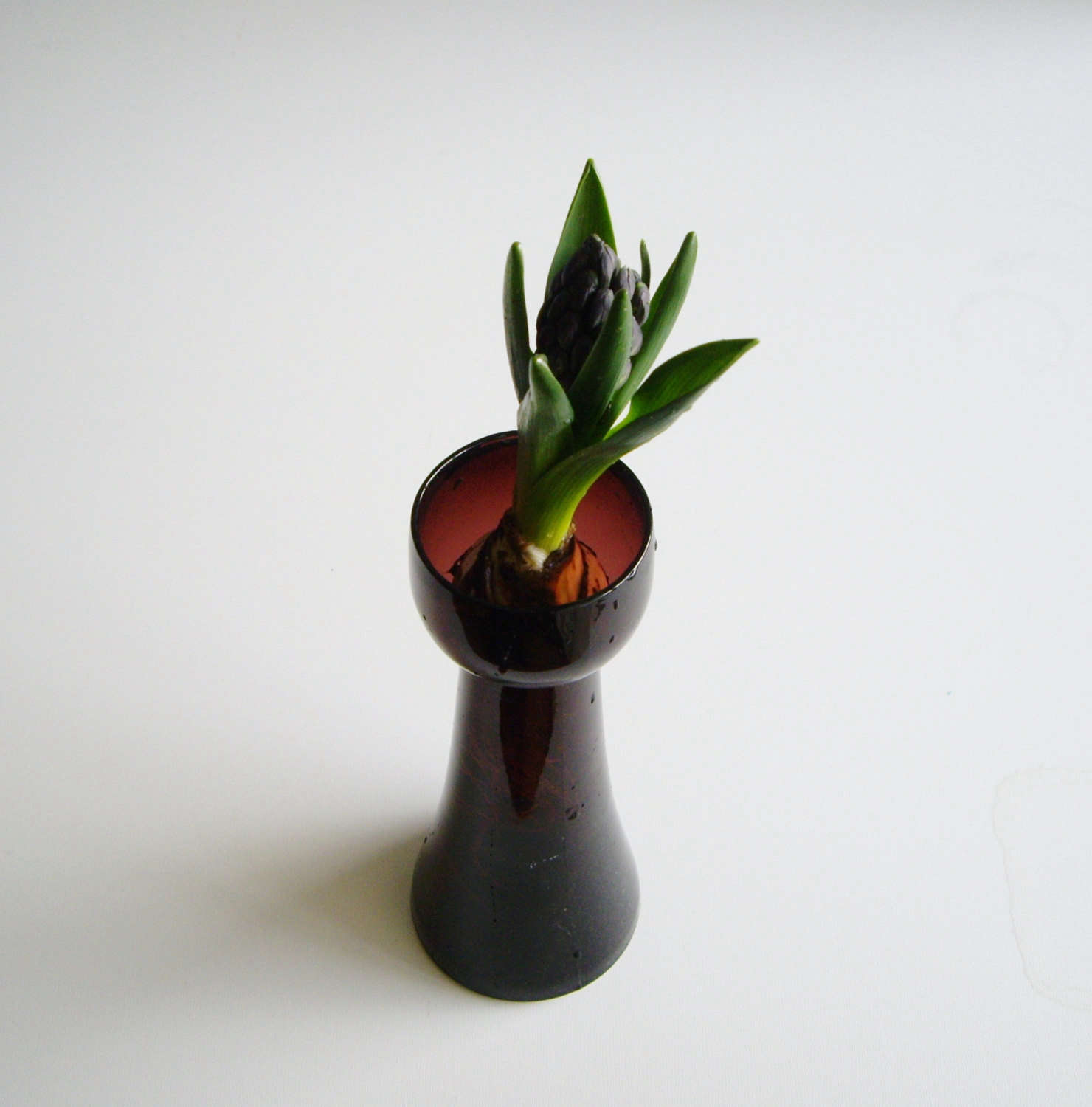
Many spring bulbs can be coaxed into blooming indoors after a cold period. This process, known as forcing, lets gardeners enjoy late-winter flowers weeks before outdoor beds come alive. The key is planning ahead: use firm, healthy bulbs; provide proper chilling; and move them gradually into brighter, warmer conditions when roots are developed.
How to Design a Winter Bloom Garden That Looks Intentional
The secret to a beautiful midwinter garden is layering. Flowers alone are not enough. They need structure, contrast, and a setting that makes them visible.
Start With Evergreen Bones
Boxwood, yew, holly, conifers, evergreen ferns, and broadleaf evergreens create the background that allows winter flowers to stand out. A pale hellebore is far more noticeable against deep green foliage than against a pile of wet leaves and regret.
Plant Where You Walk
Winter is not the season for faraway garden treasures. Place scented shrubs and small bulbs close to doors, paths, patios, and windows. The best winter blooms are the ones you can enjoy without suiting up like an Arctic explorer.
Use Repetition
Repeat the same plant in several locations to create rhythm. Three clusters of snowdrops along a path look more natural than one lonely clump. Several hellebores under shrubs create a woodland effect. Repetition is what turns “I bought one of everything” into actual design.
Think About Fragrance
Fragrance is one of winter’s great luxuries. Witch hazel, winter honeysuckle, sarcococca, paperwhites, and certain viburnums can perfume the cold air. Position them where their scent will be noticed, especially near entrances and sheltered seating areas.
Care Tips for Better Midwinter Blooms
Cold-season flowers are tough, but they are not invincible. Good preparation makes the difference between a charming winter display and a plant that looks like it has filed a complaint.
First, match plants to your USDA Hardiness Zone and local microclimate. A camellia that thrives in the Southeast may struggle in an exposed northern garden. A hellebore that loves dappled shade may resent soggy clay. A bulb planted in the wrong depth may simply decline the invitation to bloom.
Second, improve drainage. Many winter-blooming plants tolerate cold better than wet, compacted soil. Raised beds, amended soil, and containers with drainage holes can prevent root problems. Mulch helps moderate soil temperature, but avoid piling it against plant crowns or shrub trunks.
Third, prune at the right time. Spring-flowering shrubs often set buds on old wood, so heavy winter pruning can remove the very flowers you are waiting for. When in doubt, prune after flowering rather than before. This is one of those gardening rules that saves both blooms and dignity.
Finally, water wisely. Outdoor plants may need less irrigation during cool months, but newly planted shrubs and container plants should not be allowed to dry completely. Indoors, check bulbs and potted plants regularly. Winter heating can dry potting mix faster than expected.
Container Ideas for Midwinter Blooms
Containers are perfect for midwinter drama because they can be placed exactly where you need cheer. Try a large frost-resistant pot with dwarf conifers, hellebores, trailing ivy, and winter heath. For a porch, combine pansies, ornamental cabbage, and small evergreen branches. Indoors, group paperwhites, amaryllis, and moss in simple clay or ceramic pots.
The most elegant winter containers usually rely on a limited palette. White, green, burgundy, and silver always look refined. Yellow and copper tones add warmth. Pink camellias or cyclamen can feel romantic without becoming sugary. The goal is not to recreate a summer basket. The goal is to make winter look deliberate.
Midwinter Blooms as Cut Flowers
Winter flowers can also come indoors as small arrangements. Hellebores float beautifully in shallow bowls. Witch hazel branches add sculptural height and fragrance. Camellias can be cut short and displayed in bud vases. Snowdrops are best enjoyed sparingly and close-up, where their tiny details are visible.
When cutting from the garden, use clean tools and take only what the plant can spare. Winter growth is precious. A few stems in the house can feel luxurious without raiding the entire border like a floral pirate.
Common Mistakes to Avoid
The first mistake is expecting winter flowers to behave like summer annuals. Midwinter blooms are often subtle, smaller, and slower. That is part of their charm. The second mistake is planting them where no one sees them. The third is forgetting foliage, bark, berries, and structure. Flowers are the sparkle; structure is the coat.
Another common problem is overwatering indoor bulbs or letting outdoor containers freeze solid without protection. Use containers that can handle temperature swings, and avoid saucers that collect water in freezing weather. For indoor bulbs, keep water levels appropriate and avoid drowning the roots.
Experience Notes: What Midwinter Blooms Teach a Gardener
Living with midwinter blooms changes the way you see the garden. The first lesson is patience. Winter flowers do not rush. They arrive in small gestures: a swelling bud, a bent snowdrop stem, a hellebore flower half-hidden under old foliage. In summer, the garden practically yells for attention. In winter, it asks you to lean closer.
One of the most rewarding experiences is planting bulbs in fall and then forgetting about them until a cold morning months later, when the first green tips appear. It feels like receiving a letter from your past self, and for once your past self made a good decision. Snowdrops and crocus are especially satisfying because they appear when the rest of the garden still looks asleep. Their scale is tiny, but their timing is heroic.
Hellebores offer a different pleasure. They are not flashy in the usual sense. Their flowers often face downward, as if they are shy or simply tired of winter gossip. But lift one gently and the colors can be extraordinary: smoky mauve, cream, plum, green, rose, or speckled. Cleaning away old foliage in late winter makes the flowers easier to see and gives the plant a fresh, intentional look. It is a small chore with a big payoff.
Fragrant winter shrubs may be the most memorable of all. Witch hazel or winter honeysuckle near a path can surprise you on a cold day before you even see the flowers. That kind of scent feels almost impossible in winter, which is exactly why it matters. It reminds you that the garden is alive even when the calendar is being dramatic.
Indoor blooms create another kind of ritual. Potting amaryllis or paperwhite bulbs in November or December gives the house a living centerpiece during the darkest weeks. Watching the stems rise daily is oddly addictive. You may tell yourself you are just checking moisture, but really you are measuring hope with a ruler. Paperwhites bring quick gratification, amaryllis brings theater, and forced hyacinths bring fragrance so powerful it can make a hallway feel like spring is rehearsing backstage.
The biggest practical lesson is to plan winter beauty where daily life happens. A winter-blooming shrub at the far end of the yard may be botanically impressive, but a pot of hellebores by the front steps will make you happy every time you bring in groceries. A cluster of snowdrops outside the kitchen window may matter more than a grand border you only visit on weekends. Winter gardening rewards placement as much as plant choice.
Midwinter blooms also teach restraint. You do not need a huge collection to make the season feel alive. A few reliable plants, repeated well, can transform the mood of a space. Add evergreens, good mulch, clean edges, and maybe a stone path or simple container, and the garden suddenly has purpose. It may not be lush, but it is awake.
Most of all, winter flowers remind gardeners that beauty is not only about abundance. Sometimes it is about timing, contrast, and the courage of a small white flower blooming while everyone else is waiting for better weather.
Conclusion: Midwinter Blooms Are the Garden’s Quiet Luxury
Trending on Gardenista: Midwinter Blooms is more than a seasonal headline. It is a reminder that winter gardens can be alive, elegant, fragrant, and deeply comforting. With hellebores under shrubs, snowdrops along paths, witch hazel near the gate, camellias in mild climates, and paperwhites indoors, the coldest months can become some of the most poetic weeks in the gardening year.
The best winter bloom strategy is simple: choose plants suited to your region, place them where you will see them, support them with evergreen structure, and let the season be itself. Winter does not need to imitate spring. It has its own style: quieter, moodier, and honestly, better dressed.