Note: This article contains light plot spoilers for The Nightmare Before Christmas.
Few holiday arguments are as reliable as this one: Is The Nightmare Before Christmas a Halloween movie or a Christmas movie? The question returns every year with the persistence of a plastic skeleton that somehow survives three rainy Octobers on a front lawn.
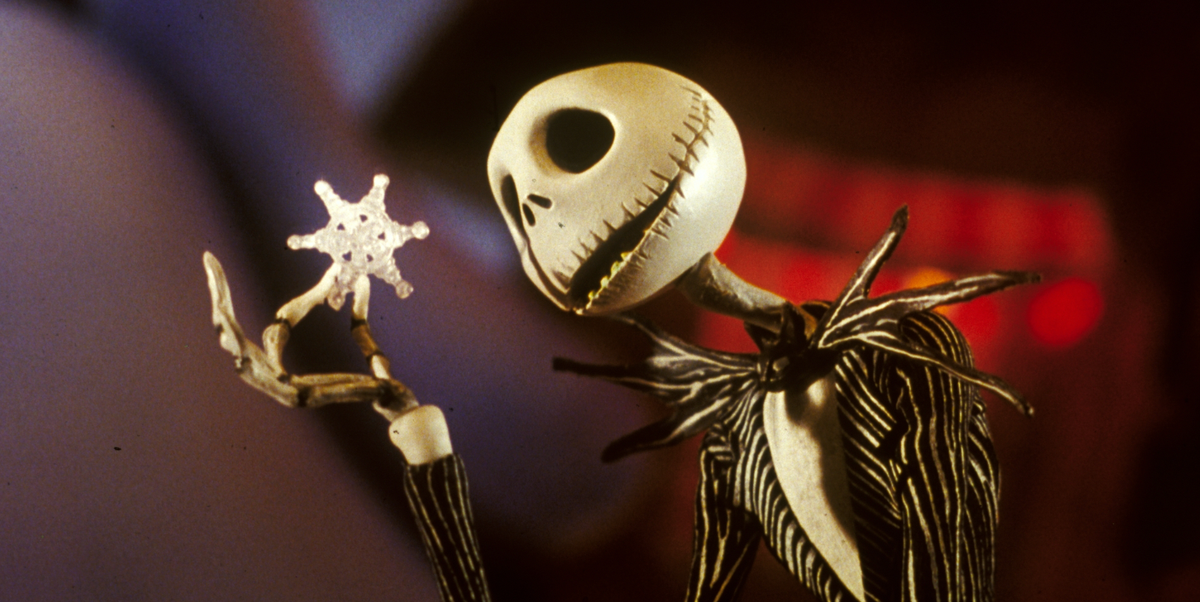
Released in 1993, the stop-motion classic tells the story of Jack Skellington, the Pumpkin King of Halloween Town, who discovers Christmas Town and decides that he is absolutely, unquestionably qualified to run Christmas. He is not. This becomes clear shortly after the flying skeleton reindeer and the kidnapping of Santa Claus enter the group chat.
Directed by Henry Selick and produced by Tim Burton, the film blends gothic comedy, holiday music, fantasy, romance, and wonderfully unsettling character design into something that does not fit neatly inside one seasonal storage bin. It has pumpkins, ghosts, snowflakes, candy canes, monsters, presents, and enough spiraling architecture to make an insurance adjuster nervous.
So, what is the real answer? The Nightmare Before Christmas is both a Halloween movie and a Christmas movie. But it leans toward each holiday for different reasons: its world, visuals, and opening identity belong to Halloween, while its central plot, emotional journey, and finale are driven by Christmas.
The Quick Verdict: It Is a Halloween Movie With a Christmas Plot
The most useful way to settle the debate is not to ask which holiday appears in the movie. Both holidays are everywhere. Instead, ask two better questions:
- Where does the movie come from?
- What does the movie ultimately try to accomplish?
The answer to the first question is Halloween. Jack is the leader of Halloween Town. Nearly every major character is a ghost, ghoul, witch, skeleton, monster, vampire, mad scientist, or bag of bugs pretending to be a villain. The movie opens with a huge Halloween celebration and introduces its world through “This Is Halloween,” one of the most recognizable spooky-season songs ever made.
The answer to the second question is Christmas. Jack’s entire adventure begins when he becomes fascinated by Christmas Town. He wants to understand Christmas, recreate Christmas, control Christmas, and eventually save Christmas after his very enthusiastic misunderstanding nearly ruins it.
That makes the film a holiday crossover story. It is the cinematic equivalent of putting a Santa hat on a skeleton and realizing, somehow, that the fashion choice works.
The Case for Calling It a Halloween Movie
Halloween Town Is the Film’s True Home
The strongest argument for the Halloween label is simple: the movie begins, lives, breathes, and emotionally returns to Halloween Town. Jack Skellington is not a Christmas elf who visits a haunted house. He is the Pumpkin King, a celebrity in a town devoted to perfecting scares, screams, tricks, and tasteful bone arrangements.
Halloween Town is not merely a backdrop. It shapes the movie’s personality. The crooked hills, graveyards, skeletal dogs, stitched dolls, bubbling laboratories, and permanently moonlit streets create a gothic fairy-tale atmosphere that no traditional Christmas film would dare to wear without getting strange looks from the neighborhood association.
The film’s visual language also favors Halloween. Christmas Town is bright, round, snowy, and warm. Halloween Town is jagged, angular, shadowy, and wonderfully bizarre. Even when Jack tries to bring Christmas home, Halloween Town does not stop looking like Halloween Town. It simply becomes Halloween Town with snow, wreaths, and some deeply alarming gifts.
The Characters Are Halloween Icons
Jack, Sally, Oogie Boogie, Zero, Dr. Finkelstein, Lock, Shock, and Barrel are all rooted in spooky-story traditions. Jack is a skeleton. Sally is a rag doll brought to life. Zero is a ghost dog with a glowing pumpkin nose. Oogie Boogie is a burlap sack filled with bugs and theatrical menace.
That character lineup matters because audiences often classify holiday movies by emotional atmosphere and visual memory. People remember the glowing tree in Home Alone, the snowy streets in Elf, and the office party in Die Hard. In The Nightmare Before Christmas, people remember Jack standing on Spiral Hill, Oogie Boogie’s lair, and a parade of creatures cheerfully explaining why they love Halloween.
Even people who watch the movie in December are usually wearing Jack Skellington pajamas, carrying Oogie Boogie mugs, or decorating with pumpkins. That is a fairly strong branding clue.
Its Original Release Timing Supports Halloween
The film arrived in theaters near the end of October 1993, which gave it an obvious connection to Halloween season. That timing was not accidental. The movie’s marketing, imagery, and strange-but-family-friendly tone made it a natural fit for audiences looking for a spooky alternative to standard horror films.
Its creators have also added fuel to the Halloween side of the argument. Composer Danny Elfman, whose music and singing voice helped define Jack Skellington, has described the movie as a Halloween film even while acknowledging that the story is clearly about Christmas. Director Henry Selick has offered opinions that have landed on both sides of the debate over the years, which somehow makes the argument even more perfect.
When the people who made the movie cannot stop the debate, the rest of us are probably allowed to keep arguing while eating candy corn.
The Case for Calling It a Christmas Movie
Christmas Is the Main Story Engine
While Halloween gives the film its personality, Christmas gives it its mission. Jack is tired of repeating the same Halloween routine year after year. He is successful, admired, and dramatically underqualified for a midlife career pivot, yet something is missing.
Then he discovers Christmas Town.
Everything that follows comes from Jack’s obsession with this new holiday. He studies ornaments, snow, presents, lights, stockings, toys, and Santa Claus with the intensity of a man trying to pass an exam he invented for himself. His wonder in “What’s This?” captures the childlike curiosity at the heart of many Christmas stories.
Jack does not simply visit Christmas Town. He tries to understand its magic, then tries to reproduce it, then accidentally turns it into a nightmare. The entire middle of the movie revolves around his attempt to make Christmas happen in Halloween Town.
It Uses a Classic Christmas-Movie Structure
Many beloved Christmas movies follow a familiar emotional pattern: a character misunderstands the holiday, becomes separated from its real meaning, makes a spectacular mess, and learns something about generosity, connection, belonging, or love before the ending.
Jack fits that pattern surprisingly well. He thinks Christmas is about copying objects and routines. He sees presents, decorations, reindeer, and Santa’s red suit, but he misses the emotional purpose behind them. He treats Christmas like a production problem, which is exactly how someone might approach a holiday after spending their entire career organizing monster parades.
By the end, Jack recognizes that he cannot replace Santa Claus and should not force another holiday to become a version of himself. He helps save Christmas, accepts responsibility, and discovers a more genuine connection with Sally. That arc is closer to a Christmas redemption story than a standard Halloween scarefest.
The Ending Belongs to Christmas Eve
The movie’s climax takes place during Christmas Eve, when Jack realizes the damage he has caused and works to set things right. Santa returns to finish delivering real Christmas gifts, and snow falls on Halloween Town in one of the film’s most magical scenes.
Snow does not automatically turn a movie into a Christmas film. Otherwise, every frozen parking-lot thriller would qualify. But here, snow represents wonder, forgiveness, and the possibility that two very different worlds can briefly share something beautiful.
That ending is why many viewers place the film on their December watch list. It may have a skeleton protagonist, but it closes with warmth, romance, and holiday restoration. Hallmark has made movies with fewer emotional revelations and significantly fewer sentient bugs.
Why the Debate Never Dies
The reason The Nightmare Before Christmas refuses to stay in one category is that the movie was built to collide two holiday languages on purpose. Halloween and Christmas are opposites in many ways. Halloween celebrates darkness, surprise, the strange, and the playful fear of the unknown. Christmas often celebrates light, generosity, family, nostalgia, and renewal.
Jack Skellington becomes interesting because he is caught between those worlds. He is not evil. He is curious, restless, and deeply convinced that enthusiasm is a substitute for training. His mistake is not wanting Christmas; his mistake is assuming he can understand it without listening to anyone who actually knows what they are doing.
The film’s real subject is creative dissatisfaction. Jack has mastered Halloween, but mastery has become routine. Christmas represents possibility. It is a new color palette, a new feeling, a new way to imagine himself. That emotional idea is bigger than either holiday, which is why the movie has lasted for decades.
It also helps that the film is visually unforgettable. Its handcrafted stop-motion animation gives every object a physical presence. The snow, stitched fabric, twisted trees, glowing windows, and expressive faces feel tactile rather than digital. The world looks like it could fit inside a strange little music box, provided the music box had legal representation.
In 2023, the Library of Congress added The Nightmare Before Christmas to the National Film Registry, recognizing its cultural, historical, or aesthetic significance. That honor reflects what audiences already knew: this is not just a seasonal novelty. It is a lasting piece of American animation and holiday culture.
How to Decide When to Watch It
Watch It at Halloween When You Want Cozy Spooky Energy
Choose October when you want a movie that feels spooky without becoming too intense for a mixed-age group. It is ideal for pumpkin carving, costume planning, decorating, handing out candy, or pretending that a bowl of miniature chocolate bars counts as dinner.
The Halloween viewing experience highlights the film’s monsters, gothic sets, playful darkness, and oddball humor. It also makes “This Is Halloween” hit with maximum seasonal power.
Watch It at Christmas When You Want Something Less Traditional
Choose December when your holiday movie lineup needs a break from perfect families, snow-covered small towns, and people rediscovering the meaning of baking. The film still provides music, magic, romance, redemption, snow, presents, and a Christmas Eve rescue mission. It simply delivers them with a skeleton in pinstripes.
It is especially useful for viewers who enjoy Christmas but do not necessarily want their holiday entertainment dipped in extra syrup. The movie is festive, but it has edges. It is cheerful, but it remembers that darkness can be funny.
Watch It During Thanksgiving for the Ultimate Compromise
The most diplomatic answer may be November. Watching it during the stretch between Halloween and Christmas lets the movie become exactly what it has always been: a bridge between two seasonal worlds.
It even gives households a practical solution. One person can light a pumpkin candle. Another can make hot cocoa. Everyone can agree that Jack Skellington should not be placed in charge of logistics for any major holiday.
Final Answer: Halloween, Christmas, and Something Better Than Either Label
The Nightmare Before Christmas is a Halloween movie in its identity, setting, style, and cast of characters. It is a Christmas movie in its plot, emotional arc, central conflict, and finale.
Calling it only one thing misses the point. The film works because Halloween and Christmas are constantly rubbing against each other like two relatives trying to assemble a complicated toy without reading the instructions.
So the final verdict is this: watch it at Halloween for the mood, watch it at Christmas for the message, and watch it in November because that is where the two holidays peacefully share custody.
What Watching “The Nightmare Before Christmas” Feels Like in Different Seasons
Part of the reason the Halloween-versus-Christmas debate survives is that the experience of watching The Nightmare Before Christmas changes depending on the time of year. The movie does not feel exactly the same in October as it does in December. It is almost as though the film shifts costumes when nobody is looking.
In October, the first few minutes feel like an invitation into a perfect spooky-night ritual. The room is dim. A bowl of candy is nearby. The weather may be cooling down, or at least someone has turned the air conditioning low enough to create the emotional illusion of fall. Then “This Is Halloween” begins, and suddenly the movie feels like a miniature haunted parade has marched straight through the television.
During Halloween season, viewers tend to notice the details of the animation more closely. The crooked buildings seem more dramatic. Zero’s glowing pumpkin nose feels more charming. Oogie Boogie becomes more mischievous. Even Jack’s long, elegant silhouette looks like it was designed specifically for someone holding a mug of cider while judging neighborhood decorations.
In December, the same movie creates a different feeling. The Halloween imagery remains, but Christmas becomes more emotionally visible. Jack’s amazement at snow, lights, ornaments, and festive music feels less like a joke and more like the experience of rediscovering something familiar. “What’s This?” becomes a celebration of wonder rather than simply a funny song about a skeleton having a holiday-related identity crisis.
That makes the film especially appealing to people who love Christmas but want something more unusual than a standard festive movie. It has snow and songs, but it also has stitched dolls, haunted forests, and a villain who appears to have been designed after a casino lounge singer fell into a sack of insects. Traditional? Not exactly. Memorable? Absolutely.
The film also works well as a shared viewing experience because different people can enjoy different layers. Children may laugh at the ghost dog, the strange toys, and the colorful songs. Teenagers may connect with Jack’s restlessness and desire to become something new. Adults may recognize the feeling of being very good at a job and still wondering whether there is another version of life waiting behind a mysterious door.
For a Halloween party, the movie can run in the background while guests carve pumpkins, arrange candy, or debate whether Oogie Boogie would be a fun neighbor. For a Christmas gathering, it can offer a welcome change from sentimental classics while still delivering warmth and a satisfying ending. For a November movie night, it becomes the rare film that prevents an argument rather than starts one.
That flexibility is its secret power. The Nightmare Before Christmas does not demand that viewers choose one holiday identity forever. It asks them to enjoy the collision. Halloween brings the flavor. Christmas brings the heart. Together, they create a movie that feels strange, sweet, spooky, musical, romantic, and oddly comforting.
In the end, the best viewing tradition may be the simplest one: watch it whenever you need a reminder that being curious about another world is wonderful, taking over that world without permission is less wonderful, and snow falling on Halloween Town will always look magical.