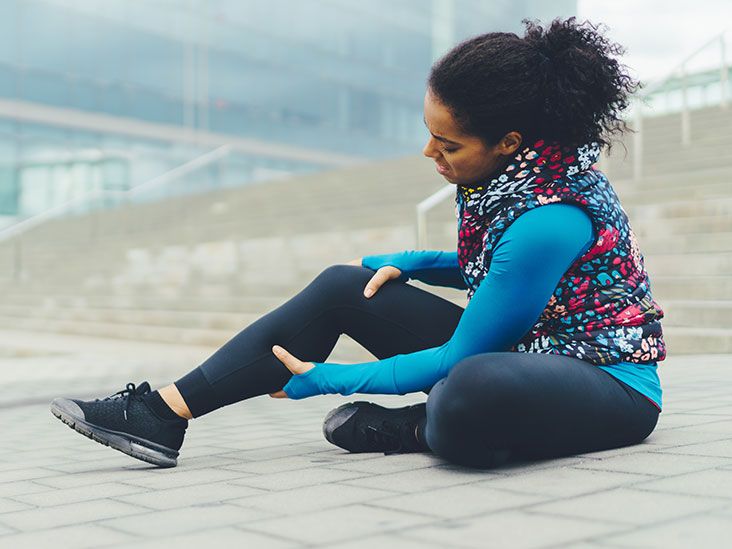
Note: This article is for educational purposes only and is not a substitute for medical advice, diagnosis, or treatment. If calf tightness is severe, sudden, one-sided, linked with swelling or warmth, or comes with chest pain or shortness of breath, seek medical care right away.
Introduction: When Your Calves Feel Like They Signed a Brick Contract
Tight calves are one of those everyday body complaints that can sneak into almost any routine. You wake up, step out of bed, and suddenly your lower legs feel like they were replaced overnight with two overcooked rubber bands. Or maybe you finish a run, climb a few stairs, sit at your desk for six hours, and your calves politely announce, “We need to talk.”
The good news is that tight calf muscles are usually manageable. In many cases, the cause is simple: overuse, underuse, poor footwear, dehydration, limited ankle mobility, or a training plan that moved faster than your muscles could politely accept. The trick is knowing whether your calves need stretching, strengthening, rest, better recovery, or medical attention.
This guide explains the most common causes of tight calves, how to treat them at home, the best calf stretches, strengthening exercises, prevention tips, and warning signs you should not ignore. Think of it as a friendly owner’s manual for the muscles that help you walk, run, jump, climb, and dramatically stand up from a chair after leg day.
What Are the Calf Muscles?
Your calf is not just one muscle throwing a tantrum. It is mainly made up of two major muscles: the gastrocnemius and the soleus. The gastrocnemius is the larger, more visible muscle that creates the rounded shape of the calf. It crosses both the knee and ankle, which means it helps with movements like pushing off the ground, jumping, and bending the knee.
The soleus sits deeper underneath the gastrocnemius. It is heavily involved in posture, walking, and standing. If you have ever stood in a long line and wondered why your lower legs feel like they are filing a complaint, your soleus may be part of the conversation.
Both muscles connect into the Achilles tendon, which attaches to the heel bone. This calf-Achilles system is powerful, but it is also sensitive to sudden changes in activity, poor mobility, weak foot mechanics, and repetitive stress.
Common Causes of Tight Calves
1. Overuse From Running, Walking, or Sports
One of the most common causes of tight calves is doing too much too soon. Running farther than usual, adding hill workouts, playing sports with quick starts and stops, or increasing gym intensity can overload the calf muscles. The calves work hard every time you push off your toes, so they are basically the unpaid interns of movement: always working, rarely appreciated.
Overuse may cause stiffness, soreness, cramping, or a “tight band” feeling in the lower leg. If you ignore it and keep increasing activity, tightness can progress into a calf strain or Achilles tendon irritation.
2. Sitting Too Long
Not all tight calves come from athletic activity. Sometimes they come from doing almost nothing at all. Long periods of sitting can keep the ankles in a shortened position, especially if your toes point downward or your feet are tucked under the chair. Over time, the calf muscles may feel stiff when you stand up or start walking.
This is common among students, office workers, drivers, gamers, and anyone who has accidentally turned “just five more minutes” into a three-hour chair marathon.
3. Poor Footwear
Shoes can influence calf tightness more than many people realize. High heels, unsupportive flats, worn-out running shoes, or shoes with poor arch support can change how your foot hits the ground. That change can force the calf muscles to work harder than normal.
High heels, in particular, keep the calves in a shortened position. Wearing them often may make the calves feel tight when walking barefoot or switching to flat shoes. On the other hand, suddenly switching to minimalist shoes can also stress the calves if your body is not used to the extra demand.
4. Dehydration and Electrolyte Imbalance
Muscles need fluid and minerals to contract and relax properly. When you sweat heavily, exercise in hot weather, or do not drink enough fluids, the risk of calf cramps and tightness may increase. Electrolytes such as sodium, potassium, calcium, and magnesium help support normal muscle function.
That does not mean every tight calf can be cured by eating a banana and giving a motivational speech to your water bottle. But hydration and balanced nutrition are important parts of calf health, especially for active people.
5. Muscle Cramps
Calf cramps are sudden, involuntary muscle contractions. They can happen during exercise, after activity, or at night. A cramp may last a few seconds or several minutes, and the muscle can feel sore afterward.
Night leg cramps are especially annoying because they arrive like tiny alarm clocks with terrible manners. Stretching before bed, staying hydrated, and keeping the calves flexible may help reduce how often they happen.
6. Calf Strain or Minor Muscle Injury
A calf strain occurs when muscle fibers are overstretched or partially torn. It can happen suddenly during sprinting, jumping, tennis, soccer, or even a quick push-off movement. Symptoms may include sharp pain, swelling, bruising, tenderness, weakness, or the feeling that something “popped.”
Mild strains may improve with rest and gradual rehab. More serious strains need medical evaluation, especially if walking is difficult or pain is intense.
7. Achilles Tendon Irritation
Tight calves can place extra stress on the Achilles tendon. Achilles tendinitis or tendinopathy may cause pain, stiffness, or swelling near the back of the heel or lower calf. Symptoms are often worse in the morning or at the start of activity, then may ease as the area warms up.
Stretching may help some people, but Achilles problems often need a balanced approach that includes load management and strengthening, not just aggressive stretching.
8. Limited Ankle Mobility
If your ankle does not move well, your calves may compensate. Limited ankle dorsiflexionthe motion of bringing your toes upward toward your shincan affect squats, walking, running, stairs, and jumping. When ankle mobility is restricted, the calf and Achilles area may feel constantly tight.
9. Nerve or Circulation Issues
Sometimes calf tightness is not only a muscle problem. Nerve irritation, sciatica, peripheral neuropathy, or circulation problems can cause tightness, cramping, heaviness, numbness, tingling, or pain. Peripheral artery disease may cause calf discomfort during walking that improves with rest. Deep vein thrombosis, or DVT, can cause one-sided calf pain, swelling, warmth, or redness and requires urgent medical attention.
How to Treat Tight Calves at Home
Rest, but Do Not Become a Couch Fossil
If your calves are tight after a hard workout, give them time to recover. Reduce running mileage, avoid hills, skip explosive jumps, or take a lighter training day. However, complete inactivity is not always the answer. Gentle walking, ankle circles, and easy mobility work can keep blood moving and prevent more stiffness.
Use Heat or Ice Based on the Situation
For general stiffness, heat may help relax tight muscles. A warm shower, heating pad, or warm towel can make stretching feel easier. For sudden soreness, swelling, or a suspected strain, ice may help reduce discomfort during the early phase. Use a towel barrier and avoid placing ice directly on the skin.
Massage and Foam Rolling
Gentle massage or foam rolling can help reduce muscle tension. Roll slowly over the calf muscles and pause on tender spots without attacking them like you are sanding a table. The goal is relaxation, not revenge. Avoid deep pressure if there is swelling, bruising, severe pain, or a possible blood clot.
Hydrate and Eat Balanced Meals
Drink enough fluid throughout the day, especially if you exercise or sweat heavily. Include foods that provide key minerals, such as leafy greens, yogurt, beans, potatoes, bananas, nuts, seeds, and other whole foods. Sports drinks may be useful during long, sweaty workouts, but most people do not need them for light daily activity.
Check Your Shoes
If calf tightness keeps returning, look at your footwear. Are your shoes worn out? Do they support your activity? Did you recently switch to a lower heel-to-toe drop or minimalist shoe? Footwear changes should be gradual because your calves need time to adapt.
Best Stretches for Tight Calves
Stretching should feel like a controlled pull, not sharp pain. Breathe normally, move slowly, and stop if symptoms worsen. For best results, stretch after a warm-up or after activity when the muscles are more pliable.
1. Standing Wall Calf Stretch
Stand facing a wall. Place both hands on the wall at shoulder height. Step one foot back, keeping the back knee straight and the heel flat on the floor. Lean forward until you feel a stretch in the upper calf. Hold for 20 to 30 seconds, then switch sides. Repeat two to four times.
This stretch targets the gastrocnemius, the larger calf muscle. Keep your toes pointing forward and avoid letting the back foot roll outward.
2. Bent-Knee Soleus Stretch
Start in the same wall position, but this time bend the back knee slightly while keeping the heel down. You should feel the stretch lower in the calf, closer to the Achilles tendon. Hold for 20 to 30 seconds and repeat on both sides.
This stretch targets the soleus, which is often overlooked. The soleus deserves attention too; it has been holding you upright all day without asking for applause.
3. Towel Calf Stretch
Sit on the floor with one leg extended. Loop a towel around the ball of your foot and gently pull the toes toward your body. Keep the knee straight but relaxed. Hold for 20 to 30 seconds, then switch legs.
This is a good option in the morning, before bed, or when standing stretches are uncomfortable.
4. Step Stretch
Stand on a step with the balls of your feet supported and your heels hanging off the edge. Hold a rail or wall for balance. Slowly lower one or both heels until you feel a stretch in the calves. Hold briefly, then return to the starting position.
Be careful with this stretch if you have Achilles pain. Start gently and avoid bouncing.
5. Ankle Pumps
Sit or lie down and move your feet up and down, pointing the toes away and then pulling them toward your shins. Repeat 20 to 30 times. This simple movement helps improve circulation and is useful after long sitting periods.
Strengthening Exercises for Long-Term Relief
Stretching can help tight calves feel better, but strengthening builds lasting resilience. A strong calf is less likely to complain every time you meet a staircase.
Calf Raises
Stand near a wall or chair for balance. Rise onto the balls of your feet, pause briefly, and slowly lower. Start with two sets of 10 repetitions. As strength improves, progress to single-leg calf raises.
Eccentric Heel Lowers
Stand on a step and rise onto both toes. Shift more weight to one foot and slowly lower the heel below the step. This exercise is often used in calf and Achilles rehab, but it should be done carefully and may not be appropriate during sharp pain.
Toe Walks
Walk slowly on the balls of your feet for 20 to 30 seconds. Rest and repeat. This strengthens the calves and improves foot control.
Foot and Ankle Mobility Drills
Try ankle circles, heel-to-toe rocking, and controlled knee-to-wall ankle mobility drills. Better ankle motion can reduce the workload on tight calves.
When to See a Doctor
Most tight calves improve with home care, but some symptoms need medical attention. Contact a healthcare professional if tightness is persistent, worsening, or interfering with daily activity.
Seek urgent medical care if you have sudden calf pain with swelling, warmth, redness, or tenderness in one leg; difficulty breathing; chest pain; coughing blood; fainting; severe weakness; numbness; or inability to bear weight. These symptoms may point to a more serious condition, such as a blood clot, major injury, nerve problem, or circulation issue.
How to Prevent Tight Calves
Warm Up Before Exercise
Before running, lifting, or playing sports, warm up with light movement. Try brisk walking, easy jogging, leg swings, ankle circles, and gentle calf raises. Cold muscles do not love surprise sprints. Honestly, who does?
Increase Activity Gradually
Avoid sudden jumps in mileage, speed, hills, or workout intensity. The calves adapt well, but they appreciate a reasonable schedule. Increase training volume gradually and include recovery days.
Break Up Long Sitting
Stand up every 30 to 60 minutes. Do ankle pumps, calf raises, or a short walk. Your calves are not decorative furniture; they like movement.
Stretch and Strengthen Consistently
Stretching once and expecting permanent flexibility is like brushing your teeth once and retiring from dental care. A few minutes of consistent calf mobility and strengthening several times per week is more effective than one heroic stretching session.
Wear Supportive Shoes
Choose shoes that match your activity and foot needs. Replace worn-out athletic shoes and transition slowly if changing shoe style.
Frequently Asked Questions About Tight Calves
Why are my calves tight even though I stretch?
If stretching does not help, the cause may be weakness, overtraining, poor ankle mobility, footwear issues, nerve irritation, or an underlying medical condition. Stretching is useful, but it is not a magic remote control for every calf problem.
Can tight calves cause foot or heel pain?
Yes. Tight calves can increase tension through the Achilles tendon and affect foot mechanics. This may contribute to heel discomfort, Achilles irritation, or strain on the bottom of the foot.
Should I stretch sore calves after running?
Gentle stretching after running can help, but avoid aggressive stretching if you have sharp pain, swelling, bruising, or a suspected strain. In that case, rest and medical advice may be safer.
How long does it take to loosen tight calves?
Mild tightness may improve within a few days. Chronic tightness may take several weeks of consistent stretching, strengthening, footwear adjustments, and load management.
Real-World Experiences: What Tight Calves Often Feel Like and What Helps
One of the most common experiences with tight calves is the “morning hobble.” A person gets out of bed, takes the first few steps, and feels stiffness through the back of the lower legs. After a few minutes of walking, the tightness eases. This often happens when the calves and ankles stiffen overnight, especially after a long workout, a day of standing, or sleeping with the feet pointed downward. A practical solution is to do gentle ankle pumps before standing, followed by a towel stretch or a slow walk around the room.
Another common situation is the “desk-worker calf.” Someone sits for hours, then stands up and feels like their calves forgot how to be muscles. This does not always mean injury. It may simply mean the lower legs have been parked in one position for too long. Short movement breaks can make a big difference. A simple routine might include 20 ankle pumps, 10 slow calf raises, and a one-minute walk every hour. It is not glamorous, but neither is waddling to the kitchen like a penguin in business casual.
Runners often describe tight calves after adding hills, speed work, or new shoes. Hills increase calf demand because each step requires a stronger push-off. Speed workouts do the same, especially when the runner lands more on the forefoot. New shoes can also change calf loading. In this case, the best fix is usually not to quit running forever and write an emotional breakup letter to sneakers. A smarter plan is to reduce intensity temporarily, stretch gently, add calf strengthening, and increase training gradually.
People who wear high heels may notice calf tightness when switching to flats. This happens because heels keep the calf muscles shortened. Suddenly asking those muscles to lengthen all day can feel uncomfortable. A gradual transition helps. Alternating shoe types, stretching the calves, and strengthening the feet and ankles can reduce the shock of the switch.
Some people experience calf cramps at night. These cramps can be dramatic, painful, and deeply disrespectful to sleep. Stretching before bed, drinking enough fluids, and doing light activity such as easy cycling or walking may help. If cramps happen often, are severe, or occur with other symptoms, it is worth checking with a healthcare professional.
The biggest lesson from real-life calf tightness is that calves respond best to consistency. One stretch after three weeks of stiffness may not do much. But five minutes of daily mobility, reasonable training progress, supportive shoes, and basic strengthening can change the story. Your calves do not need luxury treatment. They need regular attention, gradual loading, and fewer surprise missions.
Conclusion
Tight calves are common, but they are not something you have to simply tolerate. The cause may be overuse, long sitting, poor footwear, dehydration, cramps, limited ankle mobility, calf strain, or Achilles irritation. In most cases, a balanced plan works best: gentle stretching, smart strengthening, hydration, supportive shoes, gradual activity changes, and enough recovery.
Pay attention to warning signs. One-sided swelling, warmth, redness, severe pain, numbness, chest pain, or shortness of breath should never be brushed off as “just tight calves.” When symptoms are unusual or persistent, professional evaluation is the safest move.
For everyday calf tightness, start small. Stretch the gastrocnemius and soleus, add calf raises, move more during the day, and build activity gradually. Your calves may not send you a thank-you card, but they may stop acting like two angry ropes every time you stand up.