Every refrigerator has a tiny graveyard. Mine used to be the crisper drawer: a place where optimistic bunches of cilantro went to become science experiments, berries collapsed into jam-adjacent sadness, and spinach turned from salad hero to swamp villain in what felt like forty-eight hours. I would buy produce with the confidence of a wellness influencer and then throw half of it away with the guilt of someone who had personally disappointed the entire farmers market.
Then I tried one of those small produce-saving gadgets that sits quietly in the fridge or fruit bowl and helps absorb ethylene gasthe natural ripening signal released by many fruits and vegetables. It looks almost too simple to matter. Some versions are shaped like a little blue apple, some use activated carbon filters, and others come as botanical produce-saver sheets. The idea is the same: slow down the chain reaction that turns crisp, fresh produce into limp, spotty, overripe produce before you get around to eating it.
Does it literally freeze time? No. If your strawberries are already wearing fuzzy sweaters, no gadget can save them. But when used correctly, an ethylene absorber or produce saver can help fruits and vegetables last noticeably longeroften long enough to finish the salad greens, snack on the cucumbers, and use the parsley before it becomes a tiny haunted forest.
What Is This Little Produce-Saving Gadget?
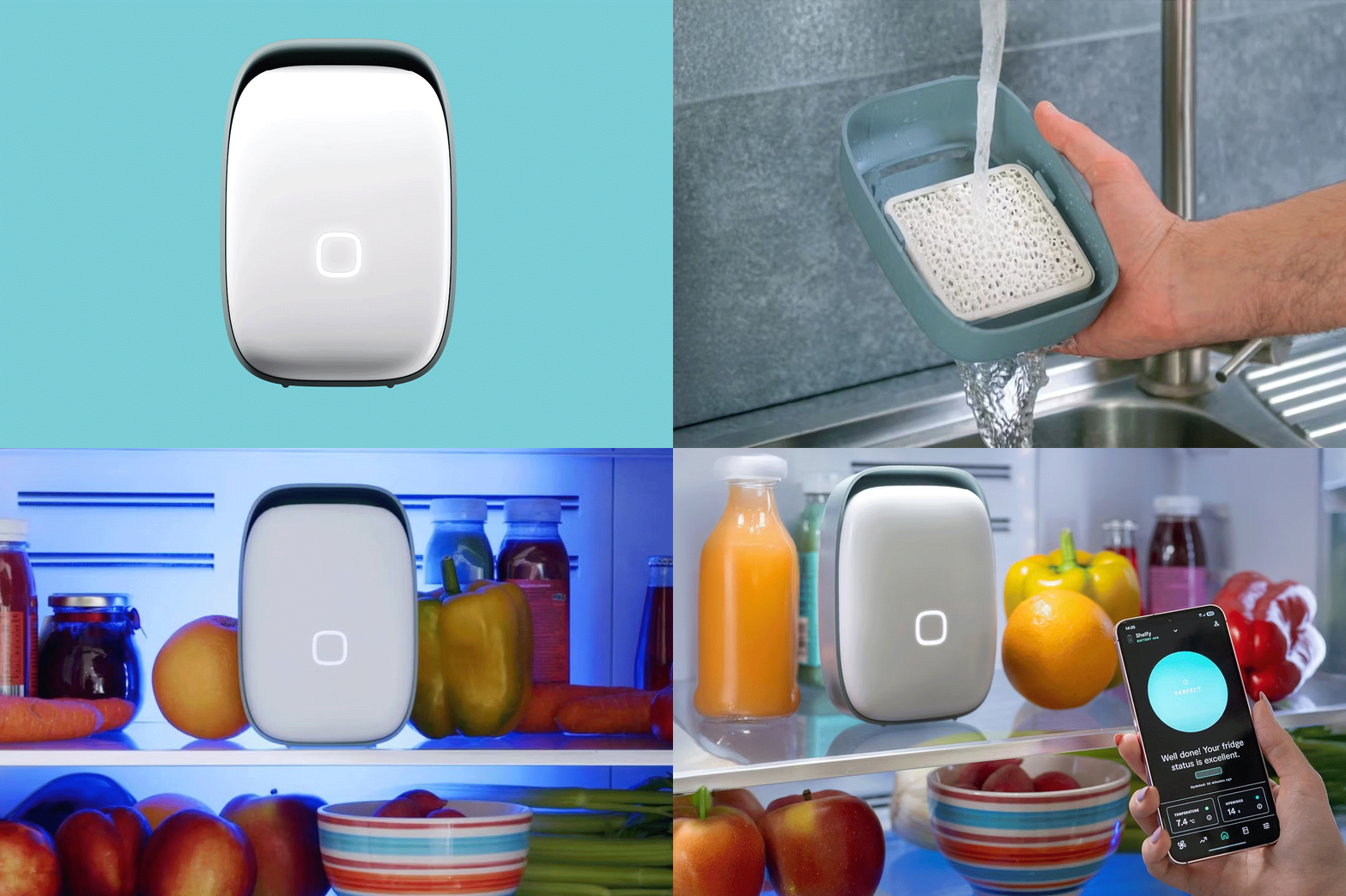
The gadget is commonly called a produce saver, ethylene gas absorber, or fruit and vegetable freshness extender. Depending on the brand, it may contain activated carbon, potassium permanganate, sodium-based compounds, volcanic minerals, or food-safe botanical materials designed to slow spoilage. Popular styles include small refillable balls placed in the refrigerator, carbon-filter produce containers, and reusable freshness sheets that tuck inside produce bags or drawers.
The most familiar version is a small device placed in a crisper drawer, fruit bowl, or storage container. It does not chill food, add preservatives, or spray anything onto your produce. It simply sits theredoing the quiet little job of trapping or neutralizing ethylene gas and sometimes helping with odor control. Think of it as a tiny bouncer at the door of the ripening party. Ethylene walks in wearing sunglasses, and the gadget says, “Not today, banana drama.”
Why Fruits and Veggies Spoil So Fast
Fresh produce is alive in a biological sense even after harvest. It continues to respire, release moisture, respond to temperature, and, in many cases, produce ethylene gas. That is why a peach can soften on your counter, an avocado can go from rock-hard to perfect to tragic overnight, and broccoli can yellow faster when stored beside apples.
Ethylene Gas: The Invisible Ripening Signal
Ethylene is a natural plant hormone. Many fruits produce it as they ripen, including apples, bananas, pears, peaches, avocados, tomatoes, cantaloupe, plums, and mangoes. Ethylene is useful because it helps fruit become sweeter, softer, and more aromatic. Without it, your banana would never become that perfect speckled snack.
The problem is that ethylene does not politely stay with the fruit that released it. In a closed drawer or produce bag, it can build up and affect nearby foods. Ethylene-sensitive vegetables such as leafy greens, broccoli, cauliflower, cucumbers, carrots, herbs, and green beans may wilt, yellow, soften, or develop off flavors faster when exposed to it. In other words, one overenthusiastic apple can make your spinach age like it has been through a corporate restructuring.
Moisture, Mold, and Airflow Matter Too
Ethylene is only one part of the spoilage story. Moisture is another big culprit. Wet berries, damp herbs, and washed greens stored without proper drying can develop mold quickly. Too little humidity, on the other hand, can make lettuce, celery, carrots, and herbs wilt. This is why the crisper drawer exists: it is designed to help manage humidity and airflow.
Temperature also matters. The FDA recommends keeping perishable fresh produce such as strawberries, lettuce, herbs, and mushrooms in a clean refrigerator at 40°F or below. Pre-cut or packaged produce should also be refrigerated. For best quality, some items prefer room temperature until ripe, including bananas, tomatoes, potatoes, onions, and many tropical fruits. Storage is not one rule; it is more like a seating chart at a wedding where certain relatives should absolutely not sit together.
How an Ethylene Absorber Helps Keep Produce Fresh Longer
An ethylene absorber works by reducing the amount of ethylene gas around your fruits and vegetables. Less ethylene in a closed space means less pressure on sensitive produce to ripen, yellow, soften, or decay ahead of schedule. In practical terms, this can mean greens stay perkier, broccoli stays greener, berries get a little more breathing room, and avocados or pears may not rush through their perfect window quite as dramatically.
Many commercial produce operations have used ethylene management for years because it affects shelf life during transport and storage. The home version is much simpler: place a small absorber in the crisper drawer, produce bin, or fruit bowl and replace the packet or filter as directed, often about every 90 days for refillable models. It is low effort, low maintenance, and far less dramatic than reorganizing your entire refrigerator every Sunday while pretending you are the CEO of vegetables.
What Produce Benefits the Most?
A produce-saving gadget is most useful when you store ethylene-sensitive items near ethylene-producing items or when your crisper drawer tends to trap gases. It is especially helpful for households that buy produce once or twice a week and need ingredients to last until meal prep actually happens.
Produce That Often Responds Well
- Leafy greens: spinach, romaine, kale, spring mix, arugula, and lettuce can stay fresher when stored away from ethylene-heavy fruit.
- Cruciferous vegetables: broccoli, Brussels sprouts, cabbage, and cauliflower are sensitive to ethylene and may yellow faster when exposed.
- Herbs: parsley, cilantro, dill, mint, and basil need the right moisture balance, but reducing ethylene stress can help.
- Cucumbers and zucchini: these can soften or develop pitting when stored poorly, especially near high-ethylene fruits.
- Carrots and celery: they still need humidity, but better drawer organization can help them stay crisp.
- Avocados, pears, and peaches: ethylene management can help slow the march from “not ready” to “use immediately or regret everything.”
Produce That Still Needs Special Care
Berries are not saved by ethylene control alone. They spoil mostly because of moisture, mold, bruising, and delicate skin. For strawberries, blueberries, raspberries, and blackberries, the best strategy is to keep them dry, remove any moldy fruit right away, store them in a breathable container, and wash them only shortly before eating. A produce saver may help the surrounding environment, but it cannot rescue berries from a damp container.
Bananas are also special. They produce a lot of ethylene and ripen quickly at room temperature. A produce saver placed in a fruit bowl may slow the process somewhat, but bananas will still ripen. Once they are ripe, you can move them to the refrigerator to preserve the inside longer, although the peel may darken. The banana will look dramatic, but the flesh can still be perfectly good.
How to Use a Produce Saver the Right Way
Using a freshness gadget is easy, but getting the best results requires a little produce strategy. The goal is not just to toss the gadget into chaos and hope for vegetable miracles. The goal is to create a better storage environment.
1. Place It Where Produce Actually Lives
Put the ethylene absorber in your crisper drawer, produce bin, fruit bowl, or produce storage container. If you have two crisper drawers, use one for ethylene producers such as apples, pears, avocados, and stone fruit, and the other for ethylene-sensitive vegetables such as greens, broccoli, cucumbers, herbs, and carrots. If you only have one drawer, place the absorber inside and keep high-ethylene fruit somewhere else when possible.
2. Do Not Overcrowd the Drawer
A stuffed crisper drawer traps moisture, blocks airflow, and makes it easy to forget what is hiding in the back. A produce saver works better when air can circulate. If your drawer is packed so tightly that a carrot needs a permission slip to move, it is time to reorganize.
3. Keep Produce Dry Before Storing
Unless you are storing herbs upright in water or using a specific washed-and-dried method for greens, avoid washing produce before storage. Moisture encourages mold and rot. If you do wash ahead, dry everything thoroughly with a clean towel or salad spinner before storing.
4. Replace the Refill on Schedule
Many ethylene absorber packets or carbon filters are designed to last about three months. After that, their effectiveness drops. Add a reminder to your calendar, write the replacement date on the packet, or tape a tiny note inside the cabinet. Future you will appreciate not having to guess whether that little gadget is still working or just enjoying retirement in the vegetable drawer.
5. Combine It With Smart Storage Habits
The gadget is helpful, but it is not a substitute for basic produce care. Store greens in high humidity, fruits that rot quickly in lower humidity, potatoes and onions in a cool dark pantry, and tomatoes at room temperature for best flavor. Keep cut produce refrigerated, and use a refrigerator thermometer if you are not sure your fridge is staying at 40°F or below.
Easy Produce Storage Cheat Sheet
| Produce Type | Best Storage Tip | Why It Helps |
|---|---|---|
| Apples, pears, peaches, avocados | Store away from leafy greens and other sensitive vegetables | They release ethylene gas that can speed spoilage nearby |
| Lettuce, spinach, kale, herbs | Use high humidity, keep dry, and store away from ethylene producers | They wilt easily and can yellow faster around ethylene |
| Broccoli, cabbage, cauliflower | Keep refrigerated and separated from high-ethylene fruits | Ethylene can cause yellowing and quality loss |
| Berries | Keep dry, remove moldy pieces, wash just before eating | Moisture and mold are the biggest problems |
| Carrots and celery | Store in high humidity or sealed with slight moisture control | They lose crispness when they dry out |
| Potatoes, onions, garlic | Store in a cool, dark, dry pantry; keep potatoes away from onions | Refrigeration and poor pairing can affect quality and flavor |
Is This Gadget Worth Buying?
If you eat produce quickly, shop every two days, and have the refrigerator discipline of a professional chef, you may not need it. But if you regularly throw away wilted greens, bendy carrots, yellowing broccoli, forgotten cucumbers, or fruit that ripens faster than your schedule, a produce saver can be surprisingly useful.
Food waste is a real household budget problem. In the United States, a significant share of food goes uneaten, and spoiled produce is one of the most common everyday losses. A small freshness extender can pay for itself quickly if it helps you save even a few bunches of herbs, a carton of berries, or a bag of salad greens each month.
It is also a convenience upgrade. When produce lasts longer, you can shop less often, plan meals with less pressure, and stop treating spinach like a ticking time bomb. That does not mean buying more produce than you can reasonably use. It means giving the produce you already buy a better chance to survive until taco night, smoothie morning, or that ambitious stir-fry you keep promising yourself.
Common Mistakes That Make Produce Spoil Faster
Storing Everything Together
Apples beside lettuce, bananas beside avocados, and tomatoes next to cucumbers can create a ripening chain reaction. Separate ethylene producers from ethylene-sensitive vegetables whenever possible.
Washing Too Early
Washing before storage adds moisture. For delicate produce, that can invite mold. Wash most fruits and vegetables right before eating or cooking, unless you have a drying and storage system that keeps them crisp.
Ignoring the Crisper Settings
High humidity is better for greens and vegetables that wilt. Low humidity is better for fruits that release ethylene and produce that tends to rot. If your refrigerator has adjustable vents, use them. They are not decorative refrigerator jewelry.
Forgetting the Refill
An expired absorber packet will not perform like a fresh one. Replace filters or packets according to the product instructions.
Expecting Miracles From Old Produce
Produce savers work best when produce is fresh at the start. If the cilantro is already slimy, the gadget is not a resurrection device. It is a prevention tool, not a tiny vegetable hospital.
Best Ways to Pair the Gadget With Everyday Kitchen Habits
For leafy greens, line the container or bag with a dry paper towel to absorb extra moisture, then store the greens in the high-humidity drawer with an ethylene absorber nearby. For herbs such as parsley and cilantro, trim the stems and place them upright in a jar with a little water, loosely covered with a bag. For berries, sort them as soon as you get home, remove damaged pieces, and keep them dry. For avocados, let them ripen on the counter, then refrigerate once ripe to slow further softening.
Another smart habit is the “eat me first” zone. Place the most perishable produce at eye level or in the front of the drawer. Even the best gadget cannot help food you forget exists. A clear container, a small basket, or a simple label can save dinner ingredients from disappearing into the refrigerator fog.
My Experience: How This Little Gadget Changed My Produce Routine
Before using a produce saver, my grocery routine was a little too enthusiastic. I would walk into the store with visions of colorful salads, green smoothies, roasted vegetables, and fresh fruit bowls. I would leave with spinach, cilantro, cucumbers, avocados, apples, berries, broccoli, and a level of confidence completely unsupported by my weeknight schedule. By Thursday, the spinach had wilted, the cilantro looked personally offended, and the avocados had formed a secret alliance to become overripe all at once.
The first week I used the gadget, I did not expect much. It was small, inexpensive, and too quiet to feel important. I placed it in the crisper drawer with my greens and moved apples and pears to a separate drawer. That small change alone made the refrigerator feel more organized. Instead of throwing everything into one cold pile and hoping for the best, I started thinking about produce in groups: ethylene producers, ethylene-sensitive vegetables, moisture-loving greens, and fragile berries.
The biggest difference showed up with salad greens. A clamshell of spring mix that usually started looking tired after four or five days stayed usable closer to a week. Romaine hearts held their crunch longer. Broccoli stayed greener instead of getting that yellowish “please cook me immediately” look. Cucumbers still needed proper storage, but they did not seem to soften as quickly when kept away from apples and bananas. The gadget did not make produce immortal, but it gave me more breathing roomand honestly, breathing room is what most home cooks need.
Herbs were another pleasant surprise. Cilantro is famous for entering the fridge as a bright bunch and leaving as green soup. I got better results when I combined the produce saver with the jar method: stems trimmed, a little water at the bottom, leaves loosely covered, and the jar placed away from high-ethylene fruit. The cilantro lasted long enough for tacos, soup, and one very smug homemade salsa. Parsley also stayed perky, which made me feel like the kind of person who casually finishes dishes with fresh herbs instead of shaking dried flakes over everything and calling it “rustic.”
The gadget also changed how I shopped. Because produce lasted longer, I stopped panic-buying backup vegetables and started buying what I could realistically eat. I checked the crisper before making a list. I stored fruit separately. I replaced the absorber packet on schedule. These are tiny habits, but together they made the fridge less wasteful and more predictable. Twice as long may not happen for every single item, especially delicate berries or already-aging produce, but for many fruits and vegetables, the improvement was obvious enough that I kept using it.
My favorite part is that the gadget does not require a lifestyle overhaul. There is no app, no charging cable, no complicated meal-prep spreadsheet, and no stern voice telling you to become a better person. You just place it where produce lives, organize your fruits and vegetables a little smarter, and let it help in the background. For a tiny kitchen tool, that is a pretty respectable job description.
Conclusion: A Small Gadget That Solves a Big Crisper Drawer Problem
A produce saver is not magic, but it is one of the simplest tools for keeping fruits and vegetables fresh longer. By absorbing ethylene gas and supporting better storage habits, this little gadget can help slow premature ripening, reduce wilting, and give you more time to use the produce you already paid for. Pair it with smart basicsstore produce dry, separate ethylene producers from sensitive vegetables, use crisper humidity settings properly, and keep your refrigerator cold enoughand you have a practical system for reducing food waste without turning your kitchen into a laboratory.
If your crisper drawer has been quietly eating your grocery budget, this small freshness extender is worth trying. It is affordable, easy to use, and surprisingly satisfying. After all, few kitchen victories feel better than opening the fridge and discovering that your lettuce is still crisp, your broccoli is still green, and your cilantro has not yet chosen chaos.
Note: This article is based on current produce storage guidance from food safety agencies, university extension resources, postharvest produce research, and real-world information about common ethylene-absorbing produce saver products.