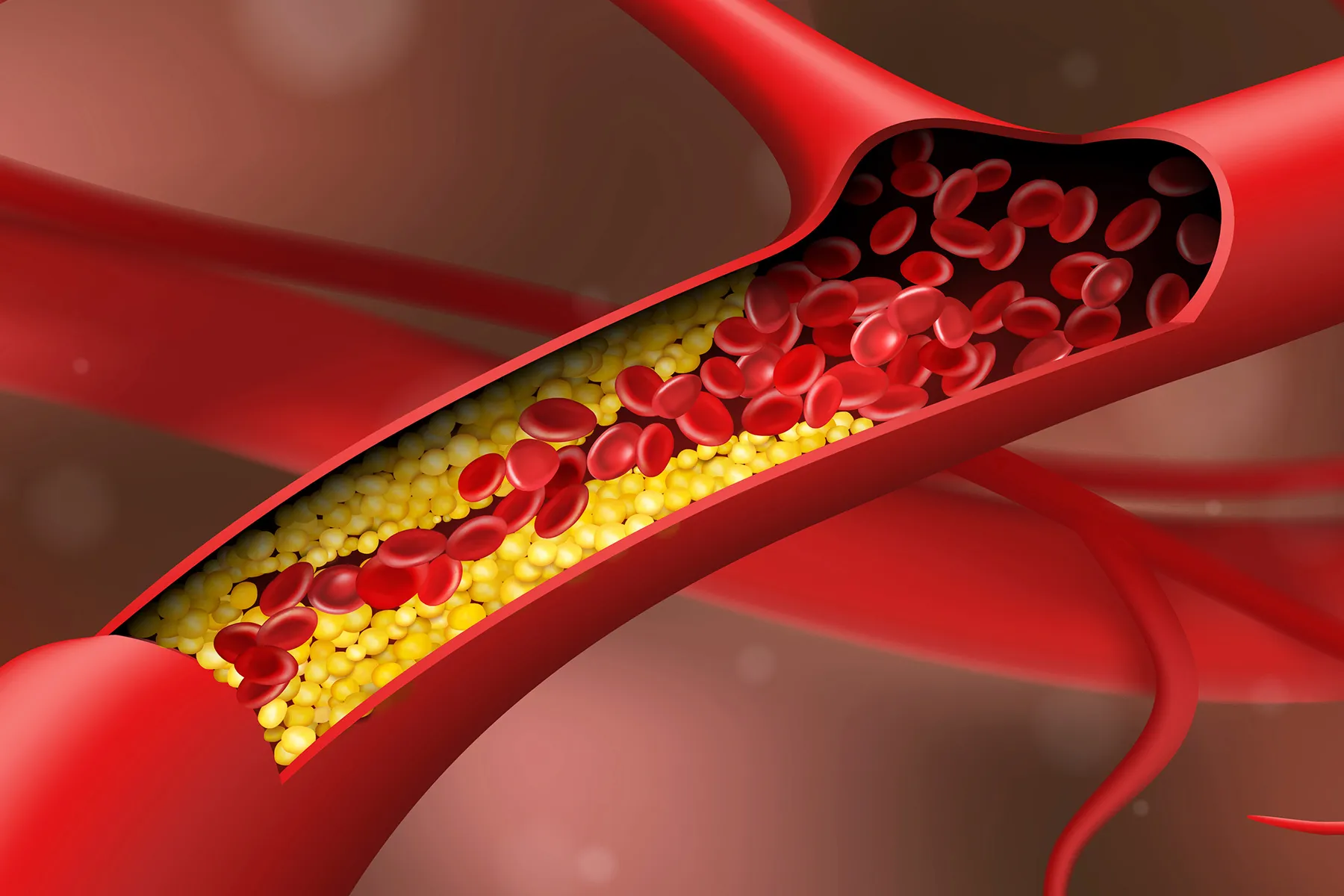
Your liver is the quiet coworker of your body. It processes nutrients, filters toxins, helps manage cholesterol, stores energy, supports digestion, and rarely sends dramatic emails about being overwhelmed. But when fat builds up in the liver and teams up with metabolic problems like type 2 diabetes, obesity, high blood pressure, or abnormal cholesterol, that quiet coworker can become seriously stressed.
That is where MASLD and MASH enter the conversation. These newer medical terms may sound like tech startups or password suggestions, but they describe one of the most important liver health issues connected to chronic diseases today. MASLD stands for metabolic dysfunction-associated steatotic liver disease. MASH stands for metabolic dysfunction-associated steatohepatitis, a more serious form involving inflammation and liver injury.
In plain English: MASLD means there is excess fat in the liver along with at least one metabolic risk factor. MASH means that fat is not just sitting there minding its business; it is causing inflammation and damage that can lead to fibrosis, cirrhosis, liver failure, or liver cancer if it progresses.
What Are MASLD and MASH?
MASLD: The New Name for a Familiar Liver Problem
MASLD is the newer name for what many people used to know as nonalcoholic fatty liver disease, or NAFLD. The name changed because doctors and liver health experts wanted terminology that better reflects the real driver of the condition: metabolic dysfunction. The older name focused on what the disease was not related to, while the new name focuses on what it usually is related to.
MASLD is strongly connected with chronic metabolic conditions such as insulin resistance, type 2 diabetes, overweight or obesity, high triglycerides, low HDL cholesterol, and high blood pressure. A person can look perfectly fine, have a busy life, eat a “pretty normal” diet, and still have liver fat quietly building up in the background. The liver is not always loud when it needs help. It is more “subtle text message” than “fire alarm.”
MASH: When Fatty Liver Becomes Inflammatory
MASH is the newer name for nonalcoholic steatohepatitis, or NASH. It is the more aggressive form of fatty liver disease. In MASH, fat accumulation is accompanied by inflammation and liver cell injury. Over time, this can cause scar tissue, called fibrosis. When fibrosis becomes severe, it can progress to cirrhosis, which means the liver has developed advanced scarring that interferes with normal function.
Not everyone with MASLD develops MASH. Many people have simple liver fat without major injury. The challenge is that it can be difficult to know who is at risk without proper screening, blood tests, imaging, and clinical evaluation. That is why MASLD is often discussed as a “silent” condition. Silent, unfortunately, does not mean harmless. It means sneaky.
Why MASLD and MASH Matter for Chronic Disease
The Liver Is Part of Your Metabolic System
The liver is not just a detox organ people mention after eating gas-station nachos at midnight. It is deeply involved in metabolism. It helps regulate blood sugar, process fats, store vitamins, make proteins, and manage cholesterol. When metabolism is disrupted, the liver often gets pulled into the mess.
MASLD is commonly found in people with type 2 diabetes, metabolic syndrome, obesity, and cardiovascular risk factors. In fact, the relationship works in both directions. Metabolic problems can increase liver fat, and liver fat may worsen insulin resistance and inflammation. It is less like a single broken lightbulb and more like a whole house with questionable wiring.
Type 2 Diabetes and MASLD
Type 2 diabetes is one of the strongest risk factors for MASLD and MASH. When insulin resistance develops, the body has trouble moving glucose from the bloodstream into cells efficiently. The liver may respond by producing and storing more fat. Over time, that fat can contribute to inflammation and scarring.
People with type 2 diabetes also face higher risks of advanced fibrosis, which is the liver scarring doctors worry about most. This is why many professional guidelines now encourage clinicians to consider liver fibrosis risk assessment in adults with type 2 diabetes, especially when obesity or other metabolic risk factors are present.
Heart Disease Risk Is Part of the Story
Many people hear “fatty liver” and think the problem stops at the liver. It does not. MASLD is closely tied to cardiovascular disease risk. In many patients with MASLD, heart disease is a major long-term concern. High blood pressure, abnormal cholesterol, insulin resistance, and chronic inflammation can all travel in the same unhealthy parade.
That means liver health should not be treated as separate from heart health. A plan that supports the liver often supports the heart too: better eating patterns, regular physical activity, weight management when appropriate, blood sugar control, blood pressure control, cholesterol management, and not smoking. The liver appreciates teamwork. It is very corporate that way.
Common Symptoms: Why Many People Miss It
One tricky part of MASLD is that many people have no symptoms, especially early on. The condition is often discovered after routine blood tests show elevated liver enzymes or imaging reveals fat in the liver. Some people may feel tired, generally unwell, or notice discomfort in the upper right side of the abdomen, but those symptoms are vague. They can also be blamed on work, school, parenting, stress, or the mysterious force known as “I slept weird.”
As liver disease advances, symptoms may become more obvious. Advanced scarring can lead to swelling in the belly or legs, yellowing of the skin or eyes, easy bruising, confusion, or severe fatigue. These signs require medical attention. The goal, of course, is to catch risk long before the liver starts waving a giant red flag.
Who Is at Higher Risk?
MASLD and MASH can affect many different people, but risk increases when metabolic factors are present. Common risk factors include:
- Type 2 diabetes or prediabetes
- Overweight or obesity, especially excess abdominal fat
- High triglycerides or abnormal cholesterol levels
- High blood pressure
- Metabolic syndrome
- Sleep apnea
- Polycystic ovary syndrome, also called PCOS
- A family history of fatty liver disease or metabolic disease
Alcohol use can also affect liver health, but MASLD is specifically linked to metabolic dysfunction. Some people may fall into a category where metabolic risk and alcohol intake overlap. A clinician can help sort out the most accurate diagnosis because liver disease naming is not exactly designed for casual dinner conversation.
How Doctors Diagnose MASLD and MASH
Blood Tests and Medical History
Diagnosis usually begins with a medical history, physical exam, and blood tests. A clinician may review liver enzymes, platelet count, blood sugar, A1C, cholesterol, triglycerides, weight history, medications, alcohol intake, and other possible causes of liver disease. Elevated liver enzymes can be a clue, but normal liver enzymes do not always rule out significant liver disease.
This is important because some people assume, “My blood work is normal, so my liver must be perfect.” That may be true, but it is not guaranteed. The liver can be annoyingly polite while still developing problems.
Imaging and Fibrosis Assessment
Ultrasound, transient elastography, MRI-based tests, or other imaging tools may be used to evaluate liver fat and stiffness. Liver stiffness can suggest fibrosis, which is the scarring that matters most for long-term outcomes. Many care pathways now emphasize noninvasive tests before considering liver biopsy.
One common tool is the FIB-4 score, which uses age, liver enzymes, and platelet count to estimate the risk of advanced fibrosis. It is not a final diagnosis by itself, but it can help decide who may need further evaluation. Think of it as a liver traffic light: green means lower concern, yellow or red means “let’s not ignore this.”
Is a Liver Biopsy Always Needed?
No. A liver biopsy can provide detailed information, but it is invasive and not necessary for every person. Many patients can be assessed with noninvasive tests. A biopsy may still be considered when results are unclear, when advanced disease is suspected, or when a specialist needs more precise information to guide treatment.
Can MASLD or MASH Be Reversed?
The hopeful answer is: sometimes, especially when caught early. Liver fat can improve with lifestyle changes, metabolic disease management, and medical treatment when appropriate. Inflammation may improve, and in some cases fibrosis can improve too. The liver has a remarkable ability to recover, but it is not magical. It cannot be expected to thrive on ultra-processed snacks, sugary drinks, poor sleep, and a daily movement routine consisting only of walking to the fridge.
For many people, the foundation of treatment includes nutrition, physical activity, weight management when recommended, and control of chronic conditions such as diabetes, high blood pressure, and high cholesterol.
Lifestyle Strategies That Support Liver Health
Build a Liver-Friendly Eating Pattern
A liver-friendly diet does not require eating sad lettuce while staring out a window. A Mediterranean-style eating pattern is often recommended because it emphasizes vegetables, fruits, whole grains, beans, nuts, seeds, olive oil, fish, and lean proteins. It limits highly processed foods, refined carbohydrates, sugary drinks, and excess saturated fat.
Specific examples include swapping soda for water or unsweetened tea, replacing refined breakfast cereal with oatmeal and berries, choosing grilled fish instead of fried fast food, and adding beans or lentils to meals. Small changes count. Your liver does not need a motivational poster; it needs consistency.
Move More, Even Before the Scale Changes
Regular physical activity can reduce liver fat and improve insulin sensitivity, even when weight loss is modest. A practical goal for many adults is a mix of aerobic activity, such as brisk walking or cycling, plus resistance training. The best exercise is not the trendiest one; it is the one you can repeat without developing a personal grudge against your sneakers.
For beginners, walking after meals can be a realistic start. Ten to fifteen minutes after lunch or dinner may support blood sugar control and build a habit. Strength training two or three times per week can also help preserve muscle, which is important for metabolism.
Manage Weight Without Crash Dieting
For people with overweight or obesity, gradual weight loss can improve liver fat and inflammation. However, crash diets are not the hero of this story. Losing weight too quickly can be risky and difficult to maintain. A steady, medically appropriate plan is safer and more sustainable.
Weight management should be personalized. Some people need nutrition counseling, diabetes medications, anti-obesity medications, or bariatric surgery evaluation. Others may need help with sleep, stress, emotional eating, or food access. “Eat less, move more” may fit on a bumper sticker, but real life usually needs a better strategy.
Medical Treatments for MASH
Medication options for MASH have changed significantly in recent years. In 2024, the FDA approved resmetirom for certain adults with noncirrhotic MASH and moderate-to-advanced liver fibrosis, to be used along with diet and exercise. In 2025, the FDA also approved semaglutide under the Wegovy brand for certain adults with MASH and moderate-to-advanced fibrosis. These approvals do not mean every person with MASLD or MASH needs medication.
Treatment decisions depend on fibrosis stage, other health conditions, medication risks, insurance coverage, patient goals, and specialist evaluation. People should not start, stop, or change medications based only on an article they found online, even if the article is charming and clearly trying its best.
Living With MASLD or MASH: Real-Life Experience and Practical Lessons
Living with MASLD or MASH often begins with surprise. Many people discover it during a routine checkup, a work physical, an ultrasound for something else, or a conversation about diabetes or cholesterol. The first reaction may be confusion: “But I do not feel sick.” That is exactly why this condition can be so frustrating. It does not always announce itself with obvious symptoms.
One common experience is the emotional whiplash of learning that the liver is involved in chronic disease. A person may already be managing blood sugar, blood pressure, weight, or cholesterol, and then suddenly the liver joins the group chat. It can feel unfair. But it can also be useful information. MASLD is often a signal that the body’s metabolic system needs more support, not a personal failure or a moral report card.
Another real-world challenge is changing food habits in a busy household. It is easy to say “eat more whole foods” when nobody has homework, overtime, bills, picky eaters, or a pantry containing three emergency boxes of macaroni and cheese. A practical liver-health approach works better when it fits normal life. For example, a person might start by removing sugary drinks during the week, adding vegetables to dinner, packing a higher-protein lunch, or cooking one extra meal at home instead of ordering takeout. These changes may sound small, but small habits repeated often can become surprisingly powerful.
Exercise can feel equally intimidating. Not everyone is ready for a gym membership, and not everyone wants to be spiritually humbled by a treadmill. Many people do better with simple routines: walking after dinner, taking stairs when possible, doing bodyweight exercises at home, stretching during TV time, or using resistance bands. The goal is to make movement normal, not heroic. Liver health usually improves through repeatable behavior, not one dramatic Monday morning transformation.
People with MASLD or MASH also learn the importance of tracking numbers without becoming obsessed with them. Useful markers may include A1C, fasting glucose, triglycerides, HDL cholesterol, blood pressure, liver enzymes, platelet count, body weight, waist measurement, and noninvasive fibrosis scores. These numbers are not there to shame anyone. They are dashboard lights. When interpreted by a clinician, they can show whether the plan is working or needs adjustment.
Family support matters too. It is hard to build liver-friendly habits when everyone else in the house treats vegetables like suspicious intruders. Shared changes often work better than separate “diet food.” A dinner of grilled chicken, roasted vegetables, beans, brown rice, and fruit can support liver health without making anyone feel punished. The same goes for walking together, planning grocery lists, or keeping fewer sugary drinks at home. The liver may belong to one person, but the environment belongs to everyone.
There is also a mental side. Chronic disease management can be exhausting. People may feel guilty, defensive, overwhelmed, or tired of hearing advice. A better mindset is curiosity: “What can I improve this month?” rather than “How did I mess this up?” MASLD and MASH are medical conditions influenced by biology, environment, genetics, stress, sleep, medications, and lifestyle. Blame is not a treatment plan. Support is.
Finally, many patients learn that follow-up is not optional. Because MASH risk depends heavily on fibrosis, regular monitoring can help catch progression early. Appointments, labs, imaging, and specialist referrals may seem inconvenient, but they are part of staying ahead of the disease. The best time to protect the liver is before advanced scarring develops. The second-best time is the next appointment you actually keep.
When to Talk to a Healthcare Professional
Anyone with type 2 diabetes, obesity, metabolic syndrome, abnormal liver enzymes, or imaging that shows liver fat should ask a healthcare professional whether MASLD screening or fibrosis assessment is appropriate. People with symptoms of advanced liver disease, such as yellowing skin or eyes, swelling, confusion, vomiting blood, black stools, or severe abdominal swelling, should seek urgent medical care.
It is also important to discuss supplements before taking them. Many products marketed for “liver detox” are not proven to reverse MASLD or MASH, and some can harm the liver. Your liver already detoxes. It does not need a mysterious powder with a label designed by someone who owns too many fonts.
Conclusion: Your Liver Is a Metabolic Mirror
MASLD and MASH are not just liver conditions. They are metabolic warning signs connected to chronic diseases like type 2 diabetes, obesity, high blood pressure, abnormal cholesterol, and cardiovascular risk. The good news is that liver health can often improve when metabolic health improves. Earlier detection, better screening, sustainable lifestyle changes, and appropriate medical treatment can make a meaningful difference.
The key is not panic. The key is action. Ask about your risk, understand your numbers, manage chronic conditions, build realistic habits, and follow up with healthcare professionals. Your liver may be quiet, but it is paying attention. Treat it well, and it will continue doing its behind-the-scenes work like the underappreciated overachiever it has always been.
Note
This article is for educational and publishing purposes only. It does not replace professional medical advice, diagnosis, or treatment. Readers with liver health concerns, diabetes, obesity, abnormal liver tests, or symptoms should consult a qualified healthcare professional.