Weeknight dinner has a way of arriving like an uninvited guest: suddenly, loudly, and right when your energy has left the building. You open the fridge, stare at a lonely bell pepper, half a pack of chicken, and a potato that looks like it has seen things. Then comes the eternal question: “What can I make without turning my kitchen into a crime scene?”
The answer, dear hungry human, is waiting in your cabinet: the humble sheet pan. Sheet-pan recipes are the weeknight dinner heroes we do not praise enough. They are easy, flexible, budget-friendly, and gloriously low on dishes. With one rimmed baking sheet, a little oil, smart seasoning, and the right timing, you can roast protein, vegetables, starches, and even sauces into a complete meal while you do something very importantlike sitting down for five minutes.
This guide is your friendly roadmap to better sheet-pan dinners: how to build them, what combinations actually work, which mistakes to avoid, and which recipes your weeknights are definitely missing. Spoiler: dinner does not need six pans, a culinary degree, or a sink full of regret.
Why Sheet-Pan Recipes Work So Well for Busy Weeknights
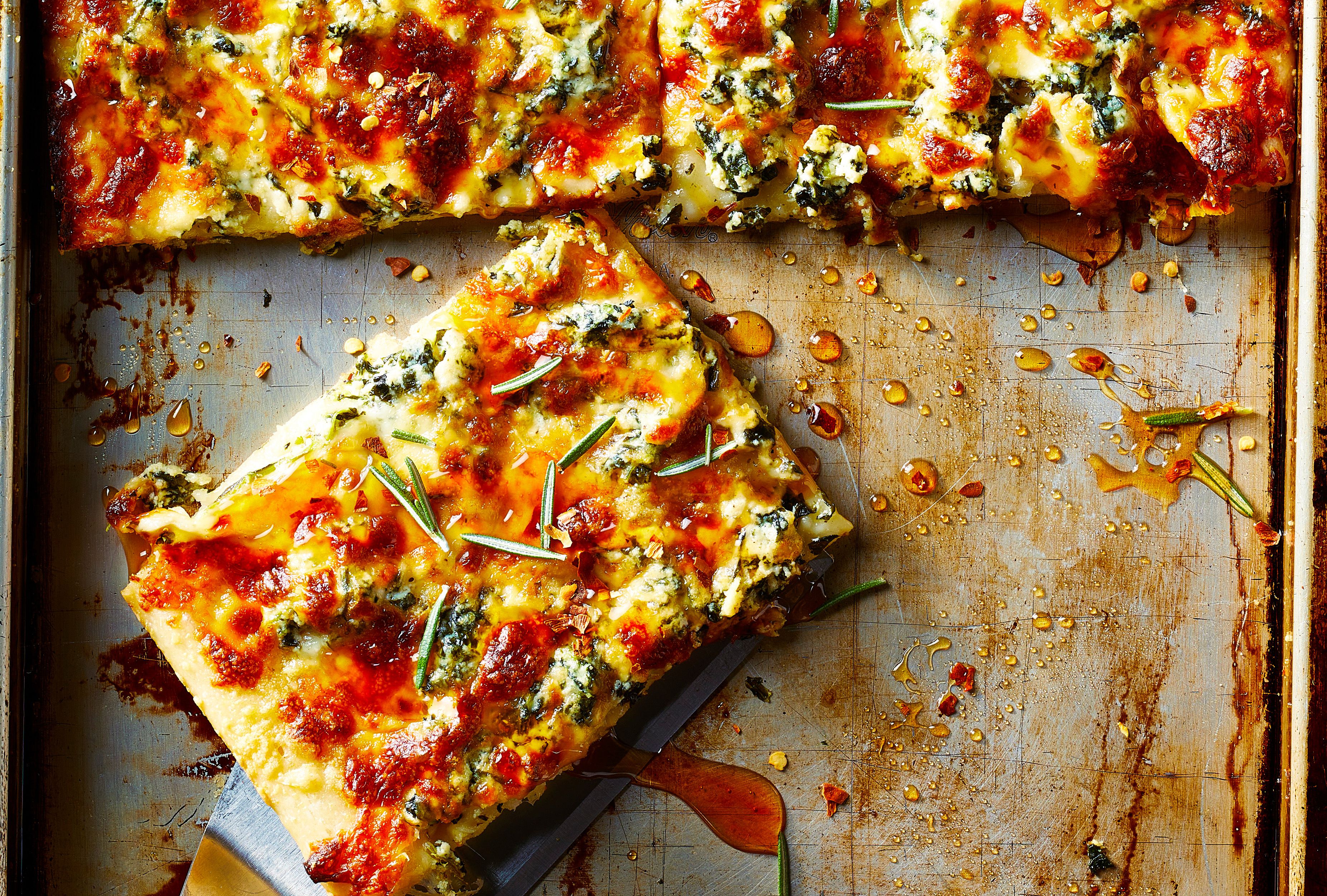
The magic of sheet-pan meals comes down to surface area. A large, rimmed baking sheet spreads food out so oven heat can circulate around the ingredients. That means vegetables caramelize, chicken skin crisps, potatoes get golden edges, and sauces reduce into sticky, flavorful goodness instead of sitting in a sad puddle.
Unlike casseroles or skillet dinners, sheet-pan dinners give ingredients space to roast instead of steam. This matters because browning equals flavor. When vegetables or meat develop those golden, slightly crisp edges, natural sugars and proteins transform into deep, savory notes. In simple terms: brown food tastes better. Your oven is basically doing the heavy lifting while you supervise from a safe distance.
Sheet-pan dinners are also endlessly customizable. You can make Mediterranean chicken with lemon and olives on Monday, smoky sausage with potatoes and peppers on Tuesday, salmon with asparagus on Wednesday, and crispy tofu with broccoli on Thursday. Same pan, totally different mood. It is meal planning without the monotony.
The Sheet-Pan Dinner Formula That Never Fails
A great sheet-pan dinner usually follows a simple structure: protein, vegetables, starch, fat, seasoning, and a finishing touch. Once you understand the formula, you can stop depending on exact recipes and start cooking with what you already have.
1. Choose a Protein
Chicken thighs, chicken breasts, salmon fillets, shrimp, pork tenderloin, sausage, tofu, chickpeas, and meatballs all work beautifully on a sheet pan. The key is choosing a protein that matches the cooking time of the vegetables around itor adding ingredients in stages.
Chicken thighs are especially forgiving because they stay juicy even when roasted at high heat. Salmon cooks quickly, so it pairs well with vegetables that are already partly roasted. Shrimp is even faster and should usually go on the pan near the end unless you enjoy seafood with the texture of a pencil eraser. Tofu benefits from pressing, cubing, and roasting with enough space to crisp.
2. Add Vegetables That Can Handle Heat
Broccoli, Brussels sprouts, carrots, potatoes, sweet potatoes, cauliflower, onions, bell peppers, zucchini, asparagus, green beans, mushrooms, cherry tomatoes, and squash are all sheet-pan friendly. Dense vegetables like potatoes and carrots need more time, while tender vegetables like asparagus and zucchini cook quickly.
For best results, cut ingredients into similar sizes. A giant potato wedge and a tiny broccoli floret do not have the same dinner plans. If you want everything finished together, give dense vegetables a head start or cut them smaller.
3. Use Fat Like a Flavor Tool
Olive oil is the classic choice, but avocado oil, neutral oil, melted butter, sesame oil, and chili crisp can all bring personality. Fat helps conduct heat, encourages browning, carries spices, and prevents food from drying out. You do not need to drown the pan, but you do need enough oil to lightly coat the ingredients.
4. Season in Layers
Salt and pepper are essential, but sheet-pan recipes become exciting when you add spice blends, citrus, garlic, herbs, mustard, soy sauce, honey, harissa, za’atar, taco seasoning, curry paste, smoked paprika, lemon zest, or balsamic vinegar. A sheet-pan dinner without seasoning is just hot groceries.
5. Finish Fresh
The final touch matters. Add chopped herbs, lemon juice, grated Parmesan, feta, yogurt sauce, tahini dressing, pesto, salsa, pickled onions, toasted nuts, or a drizzle of hot honey after roasting. Fresh finishes wake up roasted flavors and make a simple pan dinner feel restaurant-ish, minus the tiny table and mysterious service fee.
Essential Sheet-Pan Tips Before You Start
Use a Rimmed Half-Sheet Pan
A standard half-sheet pan, usually around 18 by 13 inches, gives you enough room for a family-size dinner and fits most home ovens. The rim keeps juices, oil, and runaway cherry tomatoes from making a dramatic escape onto the oven floor.
Do Not Crowd the Pan
This is the number-one sheet-pan mistake. When food is packed too tightly, moisture gets trapped and ingredients steam instead of roast. If your pan looks like a vegetable traffic jam, use two pans. More space means crispier edges, better browning, and fewer soggy disappointments.
Preheat the Oven Properly
Most sheet-pan dinners work best at 400°F to 450°F. High heat helps vegetables caramelize and proteins brown. Give the oven time to actually reach temperature before the pan goes in. Your oven beep may be optimistic; your potatoes are not.
Line the Pan When It Makes Sense
Parchment paper helps with cleanup and prevents sticking. Foil can also work, especially for sticky glazes, though delicate foods may cling to it. For maximum browning, especially with potatoes or Brussels sprouts, direct contact with the metal pan often gives the crispiest results.
Use a Food Thermometer
Guessing whether chicken is done is not a personality trait; it is a gamble. Cook poultry to 165°F. Fish should generally reach 145°F. Ground meats should reach 160°F, while many whole cuts of beef, pork, lamb, and veal are considered safe at 145°F with a rest time. A thermometer keeps dinner safe and saves you from slicing into every piece like a nervous detective.
Sheet-Pan Recipes Your Weeknights Are Missing
Here are practical, flavor-packed sheet-pan dinner ideas that can rescue even the most chaotic evening. Use them as templates, then adjust based on what is in your fridge, pantry, and emotional support condiment shelf.
1. Lemon Garlic Chicken Thighs with Potatoes and Green Beans
This is the classic sheet-pan dinner for a reason. Toss baby potatoes with olive oil, salt, pepper, garlic, and rosemary. Roast them first until they begin to soften, then add seasoned chicken thighs and green beans. Finish with lemon juice and parsley.
The potatoes absorb savory chicken juices, the green beans blister at the edges, and the lemon brightens everything. It tastes like you planned dinner carefully, even if you made the decision while standing in front of the fridge wearing one sock.
2. Sheet-Pan Salmon with Sweet Potatoes and Broccoli
Salmon is a weeknight gift because it cooks quickly and pairs well with bold flavors. Start by roasting cubed sweet potatoes with olive oil, smoked paprika, and salt. Add broccoli florets halfway through. In the final 10 to 12 minutes, place salmon fillets on the pan with lemon zest, garlic, and a brush of Dijon mustard or honey-soy glaze.
This dinner is colorful, nutrient-rich, and satisfying without feeling heavy. Leftovers are excellent flaked over greens or tucked into a grain bowl the next day.
3. Chicken Fajita Sheet-Pan Dinner
Slice chicken, bell peppers, and onions into strips. Toss everything with oil, chili powder, cumin, smoked paprika, garlic powder, salt, and lime juice. Roast until the chicken is cooked through and the vegetables are tender with charred edges.
Serve with warm tortillas, avocado, salsa, shredded lettuce, cilantro, and sour cream. This is the kind of dinner that lets everyone build their own plate, which is especially useful if your household includes one person who believes onions are a personal attack.
4. Crispy Gnocchi with Sausage, Cherry Tomatoes, and Spinach
Shelf-stable potato gnocchi becomes crisp on the outside and pillowy inside when roasted. Toss gnocchi with sliced Italian sausage, cherry tomatoes, red onion, olive oil, garlic, Italian seasoning, and black pepper. Roast until the gnocchi browns and the tomatoes burst.
After baking, stir in fresh spinach so it wilts from the heat. Finish with Parmesan and basil. No boiling, no draining, no separate pasta pot. The gnocchi has entered its low-maintenance era.
5. Shrimp Boil Sheet-Pan Supper
Traditional shrimp boils are fun, but they can be a lot for a Tuesday. The sheet-pan version keeps the flavor and skips the giant pot. Roast small potatoes and corn pieces with oil, Old Bay-style seasoning, and garlic. Add sliced smoked sausage and shrimp near the end. Finish with melted butter, lemon, and parsley.
The result is casual, flavorful, and perfect for serving straight from the pan. Add a simple green salad if you want balance, or just hand everyone a napkin and call it charming.
6. Harissa Chickpeas with Cauliflower and Carrots
For a meatless dinner that does not feel like an apology, toss canned chickpeas, cauliflower florets, and sliced carrots with olive oil, harissa paste, cumin, and a pinch of salt. Roast until the cauliflower browns and the chickpeas turn slightly crisp.
Serve over couscous, quinoa, rice, or greens with a lemony yogurt sauce or tahini drizzle. This recipe delivers heat, texture, and plant-based protein in one pan.
7. Sheet-Pan Tofu with Broccoli and Peanut Sauce
Press firm tofu, cut it into cubes, and toss with soy sauce, sesame oil, garlic, and a little cornstarch for crispness. Roast with broccoli and red bell pepper. Once everything is browned, drizzle with peanut sauce made from peanut butter, lime juice, soy sauce, maple syrup, ginger, and warm water.
Serve with rice or noodles. It is budget-friendly, deeply flavorful, and a smart way to make tofu taste like dinner instead of a dare.
8. Pork Tenderloin with Apples, Onions, and Brussels Sprouts
Pork tenderloin cooks quickly and pairs beautifully with sweet-savory flavors. Roast Brussels sprouts, onion wedges, and apple slices with olive oil, thyme, salt, and pepper. Add pork tenderloin rubbed with Dijon mustard, garlic, and brown sugar or maple syrup.
Let the pork rest before slicing. The apples soften, the onions caramelize, and the Brussels sprouts get crisp edges. It is cozy enough for fall but easy enough for a random Wednesday.
9. Sheet-Pan Chicken Parmesan
Yes, chicken Parmesan can be weeknight-friendly. Use thin chicken cutlets, coat them lightly with breadcrumbs and Parmesan, and bake on a sheet pan until crisp. Add marinara and mozzarella near the end, then return the pan to the oven until bubbly.
Serve with roasted broccoli on the same pan or a quick side salad. You get the comfort of chicken Parm without frying oil, splatter, or the emotional cleanup that follows.
10. Breakfast-for-Dinner Sheet Pan
Sheet-pan dinners do not have to follow dinner rules. Roast diced potatoes, bell peppers, onions, and breakfast sausage. In the final minutes, crack eggs into little spaces on the pan and bake until set.
Top with scallions, hot sauce, or cheddar. It is hearty, inexpensive, and ideal for nights when your brain says “breakfast” but the clock says “please cook something.”
How to Build a Balanced Sheet-Pan Meal
A satisfying sheet-pan dinner should include protein, fiber, healthy fats, and enough carbohydrates to keep you full. That could mean chicken, broccoli, and potatoes; salmon, asparagus, and sweet potatoes; tofu, peppers, and rice; or chickpeas, cauliflower, and couscous.
If your pan dinner feels too light, add a starch like roasted potatoes, rice, farro, quinoa, tortillas, or bread. If it feels too heavy, serve it over greens or add a fresh cucumber salad. If it tastes flat, you probably need acid. Lemon juice, vinegar, pickles, salsa, or yogurt sauce can rescue almost any roasted meal from blandness.
Texture also matters. A good sheet-pan dinner has contrast: crisp vegetables, tender protein, creamy sauce, crunchy nuts, fresh herbs, or chewy grains. Without contrast, food can feel one-note, even when it is technically seasoned.
Common Sheet-Pan Mistakes and How to Fix Them
Mistake: Everything Is Soggy
The pan is probably overcrowded, the oven temperature is too low, or the vegetables are too wet. Dry ingredients well before roasting, spread them out, and use higher heat.
Mistake: The Chicken Is Done but the Potatoes Are Hard
Potatoes need more time. Cut them smaller or give them a 15- to 20-minute head start before adding faster-cooking ingredients.
Mistake: The Vegetables Burn Before the Protein Cooks
Use larger vegetable pieces, lower the oven temperature slightly, or add delicate vegetables later. Sheet-pan cooking is not always “dump everything and pray.” Sometimes it is “stage wisely and succeed.”
Mistake: Dinner Tastes Bland
Season before roasting and finish after roasting. Salt, spices, herbs, citrus, sauces, and crunchy toppings all play different roles. A squeeze of lemon at the end can make roasted food taste brighter and more complete.
Mistake: Cleanup Is Still Annoying
Use parchment for sticky meals, soak the pan while you eat, and avoid letting sugary glazes bake into the corners for too long. Future you deserves kindness.
Meal Prep Ideas for Sheet-Pan Dinners
Sheet-pan recipes are excellent for meal prep because many components can be chopped, seasoned, or marinated ahead of time. Wash and cut vegetables on Sunday, mix spice blends in small jars, and portion proteins into marinades. When dinner time comes, all you need to do is spread everything on the pan and roast.
Cooked sheet-pan leftovers can usually be refrigerated for three to four days. Store sauces separately when possible so roasted vegetables stay firmer. Reheat leftovers in the oven or air fryer for better texture, or use the microwave when speed matters more than crisp edges. No judgment. We are all just trying to eat dinner.
Leftover sheet-pan chicken can become tacos, salads, wraps, pasta, soup, or grain bowls. Roasted vegetables can go into omelets, sandwiches, rice bowls, or hummus plates. Even slightly overcooked potatoes can be revived in a breakfast hash. A good sheet-pan dinner does not end at dinner; it becomes tomorrow’s lunch with a tiny costume change.
of Real-Life Sheet-Pan Dinner Experience
The best thing about sheet-pan cooking is that it fits real life. Not the shiny magazine version of real life where everyone owns matching storage containers and calmly chops herbs while wearing linen. I mean actual real life: late meetings, tired feet, hungry kids, missing ingredients, and that mysterious moment when every spoon in the house is somehow dirty.
In real kitchens, sheet-pan dinners work because they are forgiving. You can start with a plan and still survive a substitution. No broccoli? Use green beans. No chicken thighs? Try sausage, tofu, or chickpeas. Forgot to buy potatoes? Roast carrots and serve everything over rice. The sheet pan does not panic. It simply accepts your chaos and turns it golden.
One of the most useful habits is keeping a “sheet-pan emergency kit” in the kitchen. That might include olive oil, garlic powder, smoked paprika, cumin, Italian seasoning, chili flakes, Dijon mustard, soy sauce, honey, lemons, canned chickpeas, shelf-stable gnocchi, and a bag of frozen vegetables. With those basics, you can build dinner even when the fridge looks dramatic.
Another real-life lesson: do not underestimate sauces. A roasted chicken-and-vegetable pan can taste completely different depending on the finish. Add tzatziki and it becomes Greek-inspired. Add salsa and tortillas and it becomes taco night. Add peanut sauce and rice and suddenly it has takeout energy. Sauces are the wardrobe department of weeknight cooking.
Timing also becomes easier with practice. Dense vegetables go first. Delicate vegetables go later. Seafood goes near the end. Cheese goes on last unless you want it to become a fossil. Once you learn this rhythm, sheet-pan cooking feels less like following recipes and more like assembling dinner with common sense.
There is also something emotionally satisfying about putting one pan in the oven and watching dinner become dinner. The kitchen smells better. The edges brown. The sauce bubbles. You are not stirring three pots or washing a cutting board every four minutes. You get a little breathing room, which is perhaps the most underrated ingredient in weeknight meals.
My favorite practical move is making extra vegetables on purpose. Roasted vegetables shrink, and leftovers are useful. Add them to scrambled eggs, grain bowls, wraps, or pasta the next day. If you are already heating the oven, let it work a little harder. That future lunch will feel like a small gift from a past version of you who had their life together for 37 minutes.
Sheet-pan meals are not fancy, but that is their charm. They are dependable, adaptable, and honest. They do not ask for perfection. They ask for a hot oven, a sturdy pan, and enough seasoning to make your Tuesday taste less like Tuesday.
Conclusion: The Weeknight Dinner Upgrade Hiding in Plain Sight
Sheet-pan recipes deserve a permanent spot in your weeknight rotation because they solve the biggest dinner problems at once: too little time, too many dishes, not enough energy, and the daily mystery of what to cook. With a rimmed sheet pan, smart ingredient timing, bold seasoning, and a few finishing touches, you can make dinners that are crisp, colorful, flavorful, and shockingly low-stress.
Whether you choose lemon garlic chicken, salmon with sweet potatoes, shrimp boil, crispy tofu, harissa chickpeas, pork tenderloin with apples, or chicken fajitas, the formula is simple: spread it out, season it well, roast it hot, and finish it fresh. Your weeknights may never become calm, but your dinners can absolutely become easier.