The OGK Safari Daybed is the kind of furniture that makes you wonder why so many modern pieces need fourteen screws, three Allen keys, and a small emotional support group. Designed in 1962 by Danish furniture architect Ole Gjerløv-Knudsen, this portable daybed proves that smart design does not have to shout. Sometimes it simply unfolds, holds you up, looks excellent, and quietly makes your living room feel more cultured.
At first glance, the OGK Safari Daybed looks simple: a low beechwood frame, a stretched natural fabric surface, and sisal rope doing important structural work while pretending to be decorative. But that simplicity is exactly the point. The piece sits at the crossroads of Danish modern furniture, campaign-style portability, and everyday practicality. It can be a guest bed, a sunbed, a reading lounge, an entryway bench, or the most attractive “I need five minutes away from everyone” spot in the house.
In a furniture world full of bulky sectionals and dramatic statement chairs that look like they require their own ZIP code, the OGK Safari Daybed offers something refreshingly honest. It is light, versatile, beautifully proportioned, and deeply useful. In other words, it is not just a pretty face with good Scandinavian bone structure.
What Is the OGK Safari Daybed?
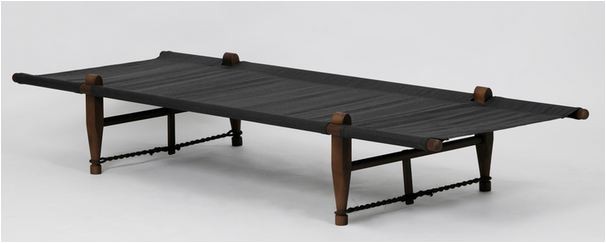
The OGK Safari Daybed is a portable Danish daybed originally created for outdoor use but elegant enough for interiors. It is produced by Skovshoved Møbelfabrik and is best known for its tool-free assembly, natural materials, and minimalist profile. Standard versions are commonly listed around 78.7 inches long, 31.5 inches wide, and about 13.8 inches high, making it long enough for lounging and low enough to feel relaxed rather than formal.
The frame is typically made from beech wood, while the sleeping or lounging surface is made from durable linen, jute, or similar natural canvas-like fabric depending on the version. Sisal rope helps brace the structure and gives the design its signature safari-camp character. The entire piece can be packed into a carrying bag with a shoulder strap, which is wonderfully civilized for anyone who has ever tried to move a normal sofa and lost both dignity and a stairwell wall.
The Story Behind the Design
The most charming thing about the OGK Safari Daybed is that it was not born from a boardroom mood board. According to the widely shared product history, Ole Gjerløv-Knudsen designed the daybed in 1962 for his son, who was going on a camping trip and needed a way to sleep off the ground. That origin story matters because it explains the design perfectly: it had to be portable, sturdy, easy to assemble, and comfortable enough to actually use.
This is where the Safari Daybed differs from decorative furniture that looks beautiful but quietly ruins your spine. It began with a practical problem. A child needed a proper camping bed. The solution became a lasting design classic. That is the magic of good furniture: it solves one specific need so well that decades later, design lovers are still placing it in sunrooms, guest rooms, studios, patios, and carefully edited living spaces.
Why the OGK Safari Daybed Still Feels Modern
1. It Is Minimal Without Being Cold
Minimalism can sometimes feel like furniture has been punished for having personality. The OGK Safari Daybed avoids that trap. Its shape is spare, but the materials are warm. The beech frame has a natural softness, the woven surface adds texture, and the sisal rope gives the piece a handmade, almost nautical quality. It feels clean but not sterile, refined but not fussy.
2. It Works in Small Spaces
Daybeds are especially useful in apartments, guest rooms, home offices, and multi-purpose spaces. Unlike a full sofa, the OGK Safari Daybed does not visually crowd a room. Its low profile keeps sightlines open, while its narrow frame allows it to sit against a wall, beneath a window, or even in the center of a room as a relaxed divider. It gives you seating by day and sleeping potential by night, which is exactly the sort of double-duty furniture small homes deserve.
3. It Has Indoor-Outdoor Flexibility
The Safari Daybed was originally connected to camping, so it naturally carries an outdoor spirit. It can be used on a covered patio, in a garden setting, beside a pool, or on a screened porch. Indoors, it brings that same breezy attitude into a living room, bedroom, studio, or reading nook. It is not outdoor furniture pretending to be fancy; it is functional design that happens to look good almost everywhere.
Materials and Construction
The OGK Safari Daybed relies on a small number of honest materials. Beech wood gives the frame strength without adding visual heaviness. Linen or jute-style fabric creates a supportive lounging surface. Sisal rope secures and stabilizes the frame while adding visual rhythm. There are no flashy gimmicks, no hidden motors, and no app-controlled reclining function, which is probably for the best. Your nap does not need Bluetooth.
One of the most appealing features is the no-screws, no-tools assembly. With practice, many product descriptions suggest the daybed can be assembled very quickly. This makes it ideal for people who want flexibility: bring it out for guests, move it to the patio, pack it away, or shift it from room to room when the decorating mood strikes.
How to Style the OGK Safari Daybed
In a Living Room
Place the OGK Safari Daybed near a window or across from a sofa to create a relaxed conversation area. Add one long bolster pillow or two oversized cushions for back support. A small side table makes the setup practical for coffee, books, glasses, or the remote control that mysteriously disappears every evening like it has a side quest.
In a Guest Room
In a guest room, the Safari Daybed can act as both seating and an extra sleeping surface. Keep the styling neat: a folded linen throw, a firm pillow, and perhaps a wool blanket at the foot. Because the frame is visually light, it will not make a small guest room feel overstuffed. It says, “Welcome, make yourself comfortable,” not “Please squeeze around this enormous bed fortress.”
In a Home Office
A home office can quickly become a museum of cables, notebooks, and mild regret. The OGK Safari Daybed softens the space. It provides a place to read, take calls, review documents, or lie down for a strategic ten-minute reset. Pair it with a floor lamp and a compact table, and suddenly your office feels less like a productivity bunker and more like a thoughtful studio.
On a Covered Patio
For outdoor use, position the daybed in a shaded or covered spot to protect the natural materials. Add a washable throw and a tray table. The look is relaxed, not overdesigned. It works beautifully with potted plants, woven baskets, terracotta planters, and natural fiber rugs. The result feels like a boutique lodge, minus the bug spray drama.
Who Should Buy the OGK Safari Daybed?
The OGK Safari Daybed is ideal for people who appreciate design history, natural materials, and furniture that earns its keep. It is especially appealing if you like Scandinavian interiors, mid-century Danish furniture, minimalist spaces, or pieces that can move between functions. It is also a smart choice for anyone who wants an occasional guest bed without committing to a bulky sleeper sofa.
However, it may not be the best option for someone who wants a plush, deeply cushioned lounge with arms, back support, and sink-in softness. The Safari Daybed is more structured and elemental. Think “refined canvas cot meets Danish design icon,” not “cloud-shaped movie-night sofa.” That distinction is important. If your idea of comfort requires seven pillows and total surrender, you may want to style the daybed generously with cushions and throws.
OGK Safari Daybed vs. Traditional Daybeds
Traditional daybeds often have a mattress, a three-sided frame, and a more bed-like appearance. The OGK Safari Daybed is different. It is lower, lighter, more portable, and more architectural. It does not try to disguise itself as a sofa. Instead, it embraces its identity as a flexible resting platform.
Compared with upholstered daybeds, the OGK version feels more casual and sculptural. Compared with outdoor loungers, it feels more refined and collectible. Compared with folding cots, it is in an entirely different aesthetic universe. A folding cot says, “The relatives are visiting.” The OGK Safari Daybed says, “I read design magazines and own at least one excellent ceramic bowl.”
Care and Maintenance Tips
Because the OGK Safari Daybed uses natural materials, care should be gentle and consistent. Spot clean the fabric surface when needed, avoid harsh chemical cleaners, and keep the daybed away from prolonged moisture. If used outdoors, store it inside or under cover when the weather turns unfriendly. Natural wood and woven fibers age beautifully, but they are not invincible. Treat them well and they will reward you with years of service.
For indoor use, occasional dusting and light fabric cleaning should be enough. If the daybed is placed in direct sunlight, rotate accessories and monitor the fabric to reduce uneven fading. For outdoor lounging, a removable throw can help protect the surface from sunscreen, snacks, and the mysterious crumbs that appear even when nobody admits to eating crackers.
Design Analysis: Why This Piece Works
The OGK Safari Daybed works because every detail has a job. The low height makes it approachable. The open frame keeps it visually light. The rope tension is both structural and decorative. The fabric surface gives enough support for reclining without turning the piece into a heavy upholstered block. It is a design of restraint, but not boredom.
Its proportions are also part of the appeal. Long and narrow, it fits where a regular bed would feel excessive and where a bench might feel too limited. It creates a horizontal line in the room, which can make a space feel calmer and more grounded. This is one reason the piece photographs so well: it has clarity. Nothing feels accidental.
Real-Life Experience With the OGK Safari Daybed
Living with a piece like the OGK Safari Daybed is less about owning a “daybed” and more about discovering how often you needed a flexible resting place without realizing it. In a living room, it quickly becomes the seat people choose when they want to stretch out without fully committing to a nap. It is perfect for reading on a lazy Sunday, scrolling through design inspiration, or pretending to read while actually watching the dog do something suspicious near the rug.
The first experience most people notice is the assembly. Unlike furniture that arrives with a bag of anonymous hardware and instructions that appear to have been translated through several emotional states, the OGK Safari Daybed feels intuitive once you understand the frame. The pieces come together through tension and balance. There is something satisfying about that. You are not just building furniture; you are participating in a small piece of design logic.
In daily use, the daybed feels best when treated as a relaxed lounge rather than a cushioned sofa replacement. A single bolster changes everything. Add a folded throw, and it becomes more inviting. Add a small side table, and suddenly the daybed becomes a complete zone: coffee, book, sunlight, nap. The setup is simple, but it feels intentional.
For guests, the OGK Safari Daybed is a clever backup sleeping option, especially for short stays. It does not dominate a room the way a permanent bed can, and it can be moved or packed away when not needed. In a studio apartment or compact home, that flexibility is valuable. You can use the same square footage for lounging, hosting, reading, and occasional sleeping without turning your home into a furniture obstacle course.
Outdoors, the experience becomes even more charming. On a covered patio or shaded deck, the daybed feels close to its original camping spirit. It invites slower afternoons, longer conversations, and the kind of nap that begins with “I’m just going to rest my eyes” and ends forty minutes later with pillow marks and no regrets. The natural materials look especially good around plants, stone, wood decking, and canvas umbrellas.
The only real caution is expectation. The OGK Safari Daybed is not a giant padded lounge chair. It is supportive, spare, and design-forward. People who love structured comfort will appreciate it immediately. People who prefer marshmallow softness may want to add cushions. But that is also part of its charm: it gives you a beautiful foundation and lets you style the comfort level yourself.
Over time, the best thing about the Safari Daybed is how naturally it adapts. It can look rustic, coastal, minimalist, mid-century, or quietly luxurious depending on what surrounds it. With a striped cushion, it leans vacation-house casual. With a wool throw and sculptural lamp, it feels gallery-like. With plants and books, it becomes a reading retreat. Few furniture pieces can move between moods this gracefully without looking like they are trying too hard.
Final Thoughts
The OGK Safari Daybed has lasted because it is more than a stylish object. It is useful, portable, honest, and memorable. Its 1962 origin story gives it warmth; its Danish construction gives it credibility; its clean silhouette gives it staying power. Whether used as a guest bed, patio lounger, reading perch, or design statement, it brings a rare mix of practicality and poetry into the home.
In a market crowded with furniture that follows trends, the OGK Safari Daybed feels refreshingly permanent. It does not need loud colors, oversized cushions, or dramatic marketing language to matter. It simply does what great design has always done: solve a real problem beautifully.
Note: This article is written in original American English for web publication and is based on verified product and design information, with visible source links intentionally omitted from the body.