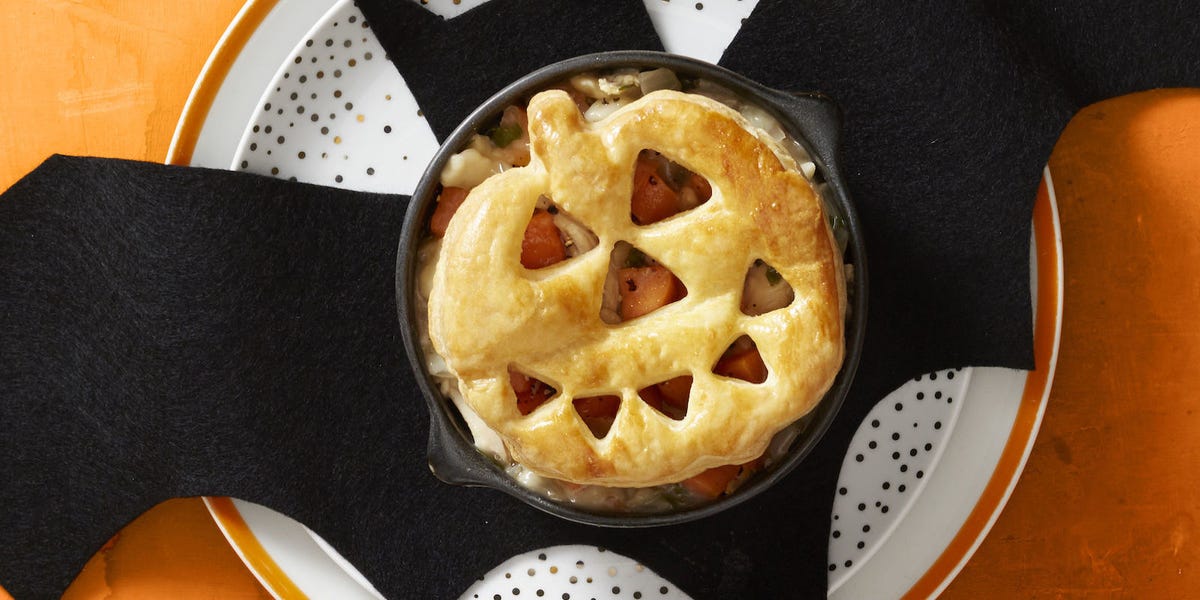
If comfort food had a tiny front porch, a rocking chair, and a suspiciously good smell floating out the window, it would be roasted chicken pot pie. This dish is everything people love about a home-cooked dinner: tender roasted chicken, sweet vegetables, creamy gravy, buttery crust, and the kind of golden top that makes everyone at the table suddenly “just check” whether seconds are available.
The best roasted chicken pot pies are not complicated, but they do reward a little thought. The difference between “pretty good” and “why is everyone suddenly silent?” comes down to a few smart choices: roast the chicken for deeper flavor, build the filling with a proper roux, avoid watery vegetables, season in layers, and bake until the crust is crisp enough to crackle under your fork.
This guide shows exactly how to make roasted chicken pot pies with a rich, homemade flavor while keeping the process realistic for a weeknight or a cozy weekend dinner. We will use familiar American comfort-food techniques, practical shortcuts where they make sense, and enough kitchen wisdom to prevent your pot pie from becoming chicken soup wearing a pastry hat.
Why Roasted Chicken Makes the Best Chicken Pot Pie
Classic chicken pot pie can be made with boiled chicken, poached chicken, leftover turkey, or even rotisserie chicken. All of those can work. But roasted chicken brings something extra: browned edges, concentrated juices, and savory depth that blends beautifully into the creamy filling.
Roasting also gives you better texture. Instead of shredding into mush, roasted chicken holds its shape in tender chunks. That matters because great pot pie is not just about flavor; it is about contrast. You want flaky crust, silky sauce, soft vegetables, and satisfying pieces of chicken in every bite.
Bone-in, skin-on chicken breasts or thighs are excellent for this recipe because they stay juicy while roasting. Chicken thighs offer richer flavor, while breasts give a clean, classic taste. A mix of both is ideal if you want pot pie diplomacy at its finest.
Ingredients for Homemade Roasted Chicken Pot Pies
This recipe makes 6 individual pot pies or one large family-style pot pie. Individual pies feel charming and restaurant-worthy, but one large pie is easier and just as delicious. Your oven does not judge.
For the Roasted Chicken
- 2 1/2 to 3 pounds bone-in, skin-on chicken breasts or thighs
- 2 tablespoons olive oil
- 1 teaspoon kosher salt
- 1/2 teaspoon black pepper
- 1/2 teaspoon garlic powder
- 1/2 teaspoon paprika
- 1 teaspoon chopped fresh thyme or rosemary
For the Creamy Pot Pie Filling
- 5 tablespoons unsalted butter
- 1 medium yellow onion, diced
- 2 carrots, diced small
- 2 celery stalks, diced
- 2 cloves garlic, minced
- 1/3 cup all-purpose flour
- 2 1/2 cups low-sodium chicken stock
- 1 cup whole milk or half-and-half
- 1/2 cup heavy cream, optional for extra richness
- 1 cup frozen peas
- 1/2 cup frozen pearl onions, optional
- 1/2 teaspoon poultry seasoning
- 1 teaspoon fresh thyme leaves
- 1 tablespoon chopped parsley
- Salt and black pepper to taste
- 1 teaspoon Dijon mustard, optional but excellent
- 1 teaspoon Worcestershire sauce, optional for savory depth
For the Crust
- 1 package frozen puff pastry, thawed in the refrigerator
- Or 1 double pie crust, homemade or store-bought
- 1 egg beaten with 1 tablespoon water for egg wash
- Flaky salt or cracked black pepper for topping, optional
How To Make Roasted Chicken Pot Pies
Step 1: Roast the Chicken
Preheat the oven to 400°F. Place the chicken on a rimmed baking sheet. Rub it with olive oil, then season with salt, pepper, garlic powder, paprika, and herbs. Roast until the thickest part reaches 165°F. Depending on the size of the pieces, this usually takes 35 to 45 minutes.
Let the chicken rest until it is cool enough to handle. Remove the skin and bones, then cut or shred the meat into bite-size pieces. Do not chop it too finely. Pot pie should have real chicken presence, not tiny poultry confetti.
Step 2: Cook the Vegetables
In a large skillet or Dutch oven, melt the butter over medium heat. Add onion, carrots, and celery. Cook for 7 to 9 minutes, stirring often, until the vegetables soften and the onion turns translucent. Add the garlic and cook for 30 seconds.
This step is where flavor begins. Do not rush it. Sweating the vegetables gently brings out their sweetness and keeps the final filling from tasting flat. If the vegetables start browning too quickly, lower the heat.
Step 3: Build a Smooth Roux
Sprinkle the flour over the vegetables and stir well. Cook for 1 to 2 minutes. This removes the raw flour taste and creates the base that will thicken the sauce. The mixture may look a little pasty. That is normal. Roux is not glamorous, but neither is a gym sock, and only one of them makes dinner better.
Step 4: Add Stock, Milk, and Cream
Slowly pour in the chicken stock while stirring constantly. Add the milk or half-and-half, then add cream if using. Keep stirring until the sauce thickens into a gravy-like consistency. It should coat the back of a spoon but still move easily through the pan.
If the filling gets too thick, add a splash of stock. If it seems too thin, simmer it a few more minutes. Remember that the sauce will thicken slightly as it bakes and rests.
Step 5: Add Chicken, Peas, and Seasonings
Stir in the roasted chicken, frozen peas, pearl onions, poultry seasoning, thyme, parsley, Dijon mustard, and Worcestershire sauce. Taste and adjust with salt and pepper. This is the moment to season confidently. Pastry and dairy soften flavors, so the filling should taste slightly bold before baking.
Turn off the heat and let the filling cool for 10 to 15 minutes before assembling. Hot filling can melt pastry before it reaches the oven, which leads to a soggy crust. Nobody wants a sad lid.
Step 6: Assemble the Pot Pies
Spoon the filling into six oven-safe ramekins or one deep pie dish. Roll the puff pastry or pie dough slightly so it is large enough to cover the dish with a little overhang. Place the pastry on top, press the edges gently to seal, and cut a few small slits in the center so steam can escape.
Brush the crust with egg wash. This gives the pastry a shiny, golden finish. For extra flavor, sprinkle the top with flaky salt, cracked pepper, or a tiny pinch of thyme.
Step 7: Bake Until Golden and Bubbling
Bake at 400°F for 25 to 35 minutes, depending on the size of your pies. Individual roasted chicken pot pies may finish closer to 25 minutes, while a large pot pie may need 35 minutes or slightly more. The crust should be deeply golden, and the filling should bubble around the edges.
Let the pot pies rest for 10 minutes before serving. This helps the filling settle and saves your tongue from experiencing molten gravy regret.
Best Crust Options for Roasted Chicken Pot Pie
The crust is the crown, the roof, the buttery blanket. You have several good options, and each gives the pot pie a different personality.
Puff Pastry
Puff pastry is light, crisp, dramatic, and wonderfully easy. It rises into flaky layers and makes individual pot pies look elegant with very little effort. Keep it cold until ready to use, and thaw it in the refrigerator rather than on the counter for best texture.
Homemade Pie Crust
A homemade butter crust gives roasted chicken pot pie a nostalgic, diner-style feeling. It is richer and sturdier than puff pastry. If using a bottom crust, consider blind baking it briefly so it does not become soggy under the creamy filling.
Biscuit Topping
Biscuits turn pot pie into something closer to a cozy casserole. They are fluffy, tender, and great for soaking up gravy. This is a strong choice if you want a rustic dinner with less rolling and trimming.
Tips for the Best Roasted Chicken Pot Pies
Use Cold Pastry
Cold pastry bakes higher and flakes better. If it becomes soft while you assemble the pies, place it in the refrigerator for 10 minutes before baking.
Cut Vegetables Evenly
Small, even pieces cook at the same pace and fit nicely on a spoon. Giant carrot chunks may be charming in a stew, but in pot pie they can feel like orange speed bumps.
Do Not Overfill
Leave a little space at the top of each dish. Filling expands and bubbles as it bakes. A rimmed baking sheet under the pies will catch drips and save your oven from becoming a gravy crime scene.
Season the Filling Before Baking
Taste the filling before it goes under the crust. Once the pastry is sealed, your seasoning window has closed unless you plan to whisper salt through the steam vents, which is not a professional technique.
Let It Rest
A short rest improves texture. The sauce thickens, the crust firms slightly, and every bite becomes more balanced.
Make-Ahead and Storage Advice
Roasted chicken pot pies are excellent for make-ahead cooking. You can roast the chicken up to two days in advance and store it in the refrigerator. You can also prepare the filling one day ahead, cool it completely, and refrigerate it in an airtight container.
For the best crust, assemble the pies shortly before baking. If you assemble them too early, the filling may soften the pastry. If you need to assemble ahead, keep everything cold and bake directly from the refrigerator, adding a few extra minutes to the baking time.
Leftover baked pot pie can be refrigerated for 3 to 4 days. Reheat in a 350°F oven until the filling is hot and the crust crisps again. The microwave works in an emergency, but it softens the crust. Use it only when hunger is making all the decisions.
Variations Worth Trying
Herb Roasted Chicken Pot Pie
Add rosemary, sage, thyme, and parsley for a classic holiday-style flavor. This version is especially good with pie crust or biscuits.
Mushroom Chicken Pot Pie
Sauté sliced cremini mushrooms with the vegetables until their moisture cooks off. Mushrooms add deep savory flavor and make the filling taste extra hearty.
Potato and Leek Chicken Pot Pie
Replace celery with leeks and add small diced Yukon Gold potatoes. Simmer until the potatoes are just tender before baking.
Spicy Roasted Chicken Pot Pie
Add a pinch of cayenne, a little smoked paprika, or a dash of hot sauce. Keep the heat gentle so it supports the creamy sauce rather than taking over the room wearing sunglasses.
What To Serve With Roasted Chicken Pot Pies
Chicken pot pie is already a full meal, so side dishes should be simple and fresh. A crisp green salad with vinaigrette balances the richness. Roasted green beans, steamed broccoli, or lemony asparagus also work beautifully. If you want a cozy dinner spread, serve the pies with cranberry sauce, pickled vegetables, or a bright cabbage slaw.
For drinks, iced tea, sparkling water with lemon, apple cider, or a light white wine for adults can pair nicely. The goal is refreshment, not competition. Pot pie is the main character, and it knows it.
Common Mistakes and How To Avoid Them
Watery Filling
This usually happens when vegetables release too much liquid or the roux is not cooked properly. Cook the vegetables until softened, stir flour into the butter and vegetables, and add liquid gradually.
Soggy Crust
Hot filling, overfilled dishes, or pastry that gets too warm before baking can cause sogginess. Cool the filling slightly and keep the dough chilled.
Bland Flavor
Chicken pot pie needs seasoning at every stage. Season the roasted chicken, season the vegetables, and taste the finished filling before baking. Herbs, Dijon mustard, Worcestershire sauce, and good chicken stock all help.
Burned Top, Cold Center
If the crust browns too quickly, loosely cover it with foil and continue baking until the filling bubbles. A bubbling filling is your best sign that the center is properly heated.
Personal Kitchen Experience: What Makes This Recipe Truly Work
After making roasted chicken pot pies many times, the biggest lesson is simple: pot pie is not a dish that likes panic. It prefers calm, steady cooking. The best results come when each part is handled with a little patience. Roast the chicken until juicy, let it rest, cook the vegetables until sweet, and give the sauce time to thicken. None of these steps are difficult, but together they create that “made with love” flavor people always talk about while standing suspiciously close to the leftovers.
One useful experience is that chicken thighs are very forgiving. If you are nervous about dry chicken, use thighs or combine thighs with breasts. The darker meat brings richness, and the breast meat keeps the filling classic. Roasting the chicken with skin and bones also helps protect moisture. Even though the skin is removed later, it does its heroic work in the oven first.
Another practical tip is to avoid adding frozen peas too early. Peas are delicate little green overachievers. If they cook too long, they lose color and become dull. Stir them into the hot filling near the end, and they will stay bright and sweet. The same idea applies to fresh herbs. Add some while cooking, but save parsley or a final pinch of thyme for the end so the flavor stays lively.
The sauce texture is also worth learning by feel. A perfect pot pie filling should not be as thin as soup or as stiff as mashed potatoes. It should slowly slide from a spoon, looking creamy and generous. If it is too loose before baking, the finished pie may spill everywhere when served. If it is too thick, the pie can feel heavy. A small splash of stock or a few extra minutes of simmering can fix most problems.
For family dinners, individual pot pies are always fun because everyone gets their own golden crust. They also make serving easier and reduce the tragic argument over who received the biggest pastry corner. For holidays or casual gatherings, a large deep-dish pot pie feels more dramatic. Bring it to the table bubbling and golden, and people will react as if you just entered with a trophy.
One mistake I learned from experience is rolling puff pastry too thin. It seems smart at first because it covers more area, but thin pastry can bake flat and fragile. Roll it just enough to fit the dish. Also, always cut steam vents. Without vents, pressure builds under the crust, and the filling may leak from the sides like it is attempting escape.
Finally, roasted chicken pot pie tastes best when it is allowed to rest. This is hard because it smells incredible. But those 10 minutes matter. The filling settles, the crust becomes easier to cut, and the flavors come together. Serve it too soon and it may run across the plate. Wait a little, and every spoonful holds creamy chicken, vegetables, and flaky pastry in proper comfort-food harmony.
Conclusion
The best roasted chicken pot pies are built on simple, reliable cooking: juicy roasted chicken, a flavorful vegetable base, a smooth creamy sauce, and a golden crust that delivers the perfect flaky finish. Whether you make individual ramekins for a cozy dinner or one large pie for the whole family, this recipe gives you comfort food with real depth and homemade charm.
Roasted chicken adds savory richness, while the roux-based filling keeps everything creamy without becoming watery. Puff pastry makes the recipe easier and elegant, while homemade pie crust brings classic comfort. Add fresh herbs, taste as you go, and let the finished pie rest before serving. That is how you make roasted chicken pot pies that taste like they came from a kitchen where someone knows exactly what they are doingand maybe owns a very proud apron.
Note: This article is written as original publishing content and synthesizes established American cooking techniques for roasted chicken pot pie, including best practices for roasting poultry, making roux-thickened filling, using puff pastry or pie crust, safe cooking temperatures, storage, and reheating.