If you’ve ever stared at a strand of “gemstone” beads and thought, “These are gorgeous, but are they actually rocks or just really committed glass?”welcome to the club. The bead world is full of beautiful materials, clever imitations, and listings that can sound more mystical than a moonlit flea market. One minute you’re buying rose quartz, and the next minute you may be holding pink glass with a marketing budget.
The good news is that you do not need to be a full-time gemologist with a microscope the size of a toaster to get better at telling glass from semi precious stone beads. In many cases, a careful look, a few practical comparisons, and some common-sense shopping habits will help you spot the difference.
This guide breaks the process into three realistic methods you can actually use. None of them are magic. Together, though, they can save you money, protect your jewelry designs, and keep you from paying gemstone prices for what is basically a very enthusiastic bead-shaped window.
Why Glass and Stone Beads Get Confused So Easily
Glass has been used to imitate gemstones for centuries because it is affordable, colorful, easy to shape, and capable of looking surprisingly convincing. In bead form, that confusion gets even worse. Beads are small, drilled, polished, and often sold online under bright lighting and flattering product descriptions. A tiny glossy round bead can hide a lot of secrets.
At the same time, “semi precious stone” is a broad shopping term, not a guarantee of rarity or top-grade gem quality. Common bead materials like quartz, agate, jasper, aventurine, garnet, and jade all have different densities, textures, hardness levels, and internal features. So there is no single “real stone look.” That is exactly why glass can sneak into the conversation so easily.
The trick is not looking for one dramatic giveaway. The trick is looking for a pattern of clues.
Way #1: Look Closely for Internal Clues, Not Just Color
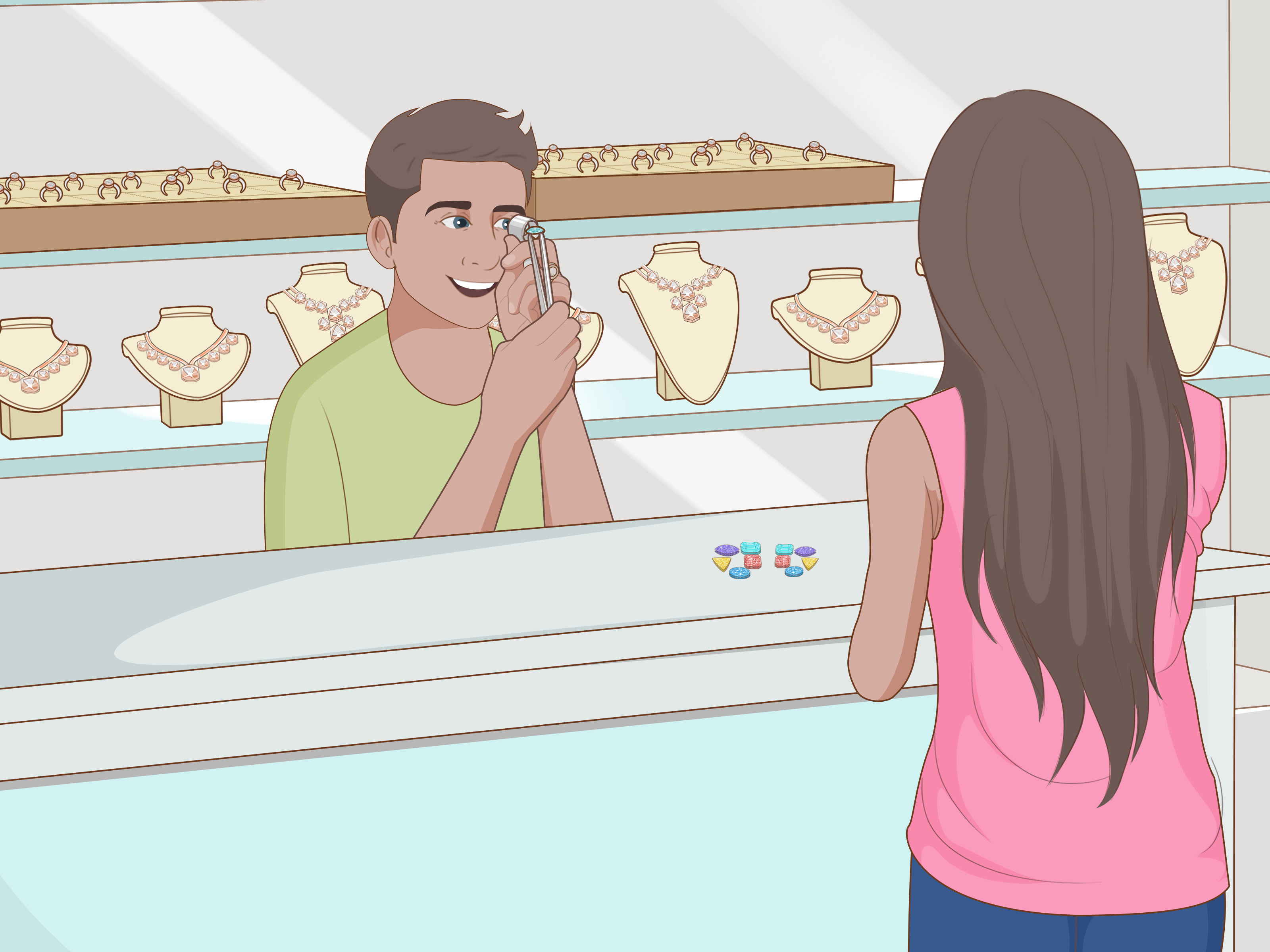
The fastest practical way to tell glass from semi precious stone beads is to stop judging the strand from arm’s length. Color alone can fool almost anyone. Instead, grab a jeweler’s loupe, a magnifying glass, or even your phone camera in macro mode and inspect the beads up close.
What glass often shows
Glass beads frequently reveal features that natural stone usually does not. Look for:
Round bubbles: Tiny spherical bubbles are one of the classic clues. If you see perfectly rounded little air pockets inside the bead, that is a strong sign you are looking at glass rather than a natural mineral bead.
Flow lines or swirls: Glass is formed from a molten material, so it can show curved internal streaks, swirly structure, or a slightly “melted” look under magnification. These can appear like soft rivers running through the bead.
Overly even color: Some glass beads are suspiciously uniform. Natural stone can be even in color too, but many genuine beads show zoning, cloudy areas, mineral specks, veining, or subtle changes from bead to bead.
Molded or too-perfect effects: If a special pattern looks printed, stamped, or identical on every bead, slow down. Natural features usually vary. Mother Nature rarely mass-produces with factory-level consistency.
What real stone often shows
Semi precious stone beads tend to have more complex internal character. Depending on the material, you may notice:
Mineral inclusions: Tiny crystals, feathers, needles, specks, or cloudy areas can all be normal in genuine stone. These are often irregular rather than perfectly round.
Natural variation: One bead may have stronger banding, another may be milkier, and another may show a small patch of darker color. That kind of unevenness is often a healthy sign.
Grain, matrix, or structure: In opaque stones such as jasper, turquoise-like materials, or some varieties of jade, you may see grain, webbing, or a fibrous look rather than the smooth internal emptiness of glass.
Check the drill holes too
The drill holes can be weirdly honest. Inside the hole, glass may look slick, very smooth, and sometimes slightly melted or shiny. Stone beads may show a more granular interior, tiny chips at the opening, or subtle texture. If the hole walls look too glassy and clean compared with the outside, that is worth noting.
Example: If you compare a strand of dyed glass “jade look” rounds with genuine aventurine or quartz rounds, the glass may appear more uniform and bubble-free to the naked eye, but under magnification it can reveal rounded bubbles or swirly flow patterns. The quartz, meanwhile, might show tiny internal fractures or a faint cloudy structure that looks much more geologic than decorative.
This first method is the most useful because it focuses on how the material formed. Glass and stone can wear the same color. They usually do not share the same inner life.
Way #2: Compare Weight, Surface Wear, and Overall Feel
The second way is part science, part bead-store intuition. It is not as dramatic as a microscope reveal, but it is extremely helpful when you compare similar beads side by side.
Heft matters more than many people expect
Some semi precious stone beads feel heavier than glass beads of the same size. That is because many gemstones have a higher specific gravity than common glass. Not all stones are dramatically heavier, but some absolutely are. Garnet and jade, for example, can feel noticeably denser than ordinary glass. Quartz is closer, so the difference there may be more subtle.
This is why seasoned bead buyers often do a quiet little palm test. Put two similar strands in your handsame size, similar shape, similar finish. If one feels surprisingly weighty for its size, that can be a point in favor of stone. It is not proof, but it is useful evidence.
Watch how the surface behaves
Glass can scratch, scuff, and abrade differently from many popular gemstone bead materials. If you are examining older beads, surface wear can tell a story.
Glass often shows: soft-looking abrasions, dulled edges, tiny chips with a shell-like break, and a general loss of crispness. Faceted glass may show wear along edges faster than harder stones.
Stone often shows: more resistance to light wear, especially in harder materials such as quartz-based beads. Of course, this depends on the stone. Some real stones are soft or brittle too, so this clue works best when you already know the claimed material.
Temperature and touch can help, but do not make it your only test
Many bead lovers say real stone feels cooler in the hand than glass, especially at first touch. Sometimes that is true. Dense minerals can hold a cool feel that lasts a little longer. But room temperature, bead size, humidity, and your own hands can all mess with this test. Think of temperature as a supporting actor, not the lead star.
A better version of the “feel test” is combining touch with heft and texture. Real stone often feels a little more substantial and less perfectly manufactured. Glass can feel slicker, more uniform, and a little too polished for its own good.
Be careful with scratch tests
You will sometimes see advice telling people to scratch the bead and compare hardness. Technically, hardness is a real identification tool. Practically, it is also a great way to damage your bead. If the bead is drilled, polished, coated, dyed, or part of an expensive strand, do not start attacking it like a pirate testing treasure. For most hobbyists, observing existing wear is safer than making new wear.
If you want the short version: when a bead feels light for its size, looks too perfect on the surface, and shows easy wear, your glass suspicion should start stretching its legs.
Way #3: Read the Listing, Label, and Price Like a Detective
Sometimes the easiest way to tell glass from semi precious stone beads is not the bead itself. It is the wording wrapped around it.
Look for honest material names
Good sellers usually identify materials clearly. You want language like:
“Dyed quartz,” “natural garnet,” “jadeite jade,” “glass bead,” “Czech glass,” “goldstone glass,” or “simulated turquoise.”
Vague or slippery descriptions should make you pause. Be cautious with terms such as:
“Gemstone style,” “jade look,” “quartz-like,” “inspired stone,” “faux mineral,” or “natural appearance.”
Those phrases are not always deceptive, but they are often doing gymnastics around a simple truth: the bead may not be natural stone.
Know the difference between synthetic, simulated, and imitation
This is where many buyers get tripped up. A synthetic stone is lab-created but has essentially the same chemistry and major properties as the natural gem it copies. A simulated or imitation stone only copies the look, not the actual material. Glass falls into that second camp.
So if a strand is sold as “simulated amethyst,” that does not mean secret discount amethyst from a futuristic volcano. It usually means a materialoften glassthat is pretending to look like amethyst.
Let price raise questions, not make decisions for you
Price is a clue, not a verdict. Some genuine semi precious stone beads are affordable. Some fancy glass beads are expensive because of craftsmanship, cut, or brand. But if a seller offers large, perfectly matched “natural garnet” rounds for a price that barely covers lunch, you should at least raise an eyebrow.
Watch for combinations that do not make sense: flawless uniformity, bright unnatural color, high-polish perfection, and a rock-bottom price. One of those things can happen naturally. All of them together usually deserve a second look.
Ask for details a real seller should know
If you are buying online, ask simple questions:
Is this glass, natural stone, or lab-created material?
Has it been dyed, stabilized, coated, or filled?
What specific stone is it supposed to be?
Are the photos of the exact strand or just a sample?
A trustworthy seller does not have to know the secret biography of each bead, but they should be able to tell you what the material is supposed to be.
When Home Clues Are Not Enough
Sometimes glass is obvious. Sometimes it is sneaky. And sometimes the bead is not simply “glass or stone” at all. It could be dyed stone, stabilized stone, reconstituted material, composite material, or a treated bead with glass or resin in surface-reaching areas. That is why no single home test should be treated like a courtroom verdict.
If you are buying fine jewelry, collector material, or expensive strands, the smartest move is professional verification. A gemologist can use magnification, refractive index, specific gravity, and other tools to identify material much more reliably than a casual inspection. For everyday bead shopping, though, the three methods in this article will help you avoid most common mistakes.
Real-World Bead Buying Experiences and Lessons Learned
Anyone who has bought beads for more than ten minutes has probably had at least one “Wait a second…” moment. Maybe it happened at a gem show, maybe on a craft marketplace, maybe while opening a package that looked much more majestic online than it did under kitchen lighting. That is part of the learning curve, and honestly, it is part of the fun.
One of the most common experiences is falling for color first. Bright green rounds get labeled as jade, deep pink ovals get called quartz, and glossy blue beads arrive looking like they were born in a tropical lagoon with excellent lighting. Then you put them next to known stone beads and suddenly the illusion wobbles. The new beads may be too bright, too identical, too clean inside, or too light in the hand. That momentwhen comparison exposes the truthis how many beaders start training their eyes.
Another common lesson comes from mixing materials in one project. Suppose you string genuine garnet, quartz, and mystery red “gemstone” beads into the same necklace. The mystery beads may look fine at first, but after a while they can reveal themselves through wear. They may pick up scratches faster, lose crispness around the drill holes, or simply seem less substantial than the natural beads around them. You do not need a laboratory to notice when one material is aging differently from the rest of the design.
There is also the very relatable experience of buying based on seller confidence. A confident label can be strangely persuasive. If a listing says “natural amethyst” in bold, many people assume the case is closed. But seasoned buyers learn to read the supporting details, not just the headline. Are there disclosures about dyeing or stabilization? Are the bead sizes unusually large for the price? Does every bead look cloned from the same bead universe? Experienced shoppers know that the strongest clue is often not what the listing says loudly, but what it avoids saying clearly.
Then there is the bead-store palm test, the quiet little ritual of picking up two strands that look similar and letting your hand vote. One strand feels airy and overly perfect. The other feels denser, slightly more varied, and a little more alive. That is not superstition. It is pattern recognition built through repetition. The more real stone you handle, the less convincing cheap glass becomes.
Perhaps the best lesson from all of this is that getting fooled once is not failure. It is field training. Most bead buyers learn by handling materials, making side-by-side comparisons, and occasionally discovering that their “rare gemstone bargain” was really just very pretty glass with a vivid imagination. Over time, those experiences sharpen your instincts. You start spotting bubbles faster. You notice suspicious uniformity sooner. You ask better questions before buying. And eventually, instead of feeling intimidated by the difference between glass and semi precious stone beads, you start enjoying the detective work.
That is the real upgrade: not becoming paranoid, but becoming observant.
Conclusion
If you remember only one thing, remember this: the best way to tell glass from semi precious stone beads is to use multiple clues at once. Look inside the bead for bubbles or natural inclusions. Compare heft, wear, and overall feel. Then read the seller’s wording like someone who has been burned by “mystic ocean jade” before.
Glass is not the villain here. Plenty of glass beads are beautiful, collectible, and intentionally sold as glass. The problem starts when glass is sold like natural stone without clear disclosure. Once you learn the visual and physical differences, that confusion gets much easier to catch.
In other words, trust your eyes, trust your hands, and trust suspiciously perfect bargain beads about as far as you can throw a bead organizer.